
Review · POMPEII TOURS
Pompeii Ruins Private Tour with Optional Skip-the-Line Entry
Pompeii hits hard, even in two hours. This private tour gets you past the worst of the crowds with a skip-the-line EXPRESS ticket option, then puts a private guide at your elbow for a clear, human-sized visit to the Greco-Roman streets.
I love how the guide turns stones into daily life—workshops, law courts, temples, and the Sea Gate at Porta Marina. I also like the 2-hour format: you hit Pompeii’s key areas without spending your energy guessing where to go next.
The main tradeoff is time. Pompeii is huge, and this tour is paced for highlights, not for endless wandering or slow photo stops.
In This Review
- Key Things To Know Before You Go
- Why a Skip-the-Line Private Start Works at Pompeii
- Meeting Up and Timing: Getting Your 2 Hours to Count
- Porta Marina (Sea Gate): Starting at an Original City Entrance
- The Forum and Main Square: Where Public Life Came Alive
- Temples, Porticoes, and Law Courts: The City’s Rules and Routines
- Streets, Shops, and How Romans Lived, Loved, Worked, and Played
- The Eruption Story: Ash, Pumice, and What’s Left
- Pace, Comfort, and What to Bring for a Smoother Visit
- Languages, Guide Style, and How Much You Can Ask
- Price and Value: Is This Pompeii Tour Worth It?
- First Sunday Option: Free Entry, But Not a Sure Thing
- Should You Book This Pompeii Private Tour?
- FAQ
- How long is the Pompeii private tour?
- Is this tour private?
- What group size is included in the price?
- Which languages are available for the guide?
- What does skip-the-line EXPRESS mean for this tour?
- Do I get access to Porta Marina?
- Where does the tour start and end?
- Is parking included?
- What do I need to bring for entry?
- Are bags allowed?
Key Things To Know Before You Go
- Skip-the-line EXPRESS ticket is part of the value, saving real time at a crowded site
- Porta Marina (Sea Gate) access means you start with an original city entrance, not just the usual highlights
- Private guide, small-group feel helps you ask questions and move with purpose
- Forum + Main Square focus gives you context for politics, religion, and public life
- Everyday life details (including plaster casts and even pets) make the story stick fast
Which Pompeii ticket and guide? Compare a few more.
- Pompeii: Entry Ticket with Audio Guide★ 4.1 · 13,491 reviews
- Pompeii: Group Tour with an Archeologist Guide★ 4.4 · 2,361 reviews
- Pompeii Ruins Private Tour with Optional Skip-the-Line Entry★ 4.9 · 732 reviews
- Pompeii: Exclusive Tour with Archaeologist and Entry Tickets★ 4.9 · 634 reviews
Why a Skip-the-Line Private Start Works at Pompeii
Pompeii is famous for a reason, but the site is also famous for crowds. If you arrive and then fight lines, your “visit time” shrinks fast. This tour’s skip-the-line EXPRESS entry option is built to protect your schedule, so your two hours actually feel like two hours.
The other win is the private guide format. Pompeii can feel like you’re reading signs and trying to connect the dots. With a guide, you get a storyline as you walk—how the city worked day to day, not just what you’re looking at.
This is especially helpful because the focus is practical: you don’t just see monuments. You walk ancient roads and get a feel for how a provincial Roman city functioned, long before volcanic ash froze it in place.
Meeting Up and Timing: Getting Your 2 Hours to Count
This is a 2-hour guided visit, and starting times vary based on availability. That time limit matters. The tour works because it picks a tight route that hits the most meaningful areas rather than trying to cover Pompeii like a marathon.
Meeting point can vary by option, and the tour ends back at the meeting point. One thing to keep in mind: the meeting spot may be outside the ruins at the tour company office area, not somewhere inside the archaeological grounds. If you’re the type who hates last-minute confusion, double-check your exact instructions before you head out.
Also plan your expectations for movement. Pompeii involves uneven stone and lots of walking. One of the practical lessons from people who did tours like this: show up prepared to keep up, because the guide is there to maximize what you can see in the allotted time.
Porta Marina (Sea Gate): Starting at an Original City Entrance
The tour includes access to Porta Marina (Sea Gate), one of Pompeii’s original entrance points. This is a smart starting choice because it reminds you Pompeii wasn’t just a sightseeing stop—it was a functioning city with movement coming in and out.
From here, the guide can set up the city’s layout in a way that’s easy to remember. You’re not only looking at “a gate.” You’re imagining how people entered, traveled, and brought goods and news through the city’s openings.
This approach also helps later stops make sense. When you understand where people were coming from (and what areas were connected), the Forum and public spaces feel less random and more like the center of daily life.
The Forum and Main Square: Where Public Life Came Alive
Pompeii’s Forum and Main Square are the kind of stops that can turn “cool ruins” into real understanding. These were spaces where social life, government, religion, and public business overlapped.
With a guide, you don’t just see columns and paving. You get the story of what would have happened there—how civic life worked in a provincial Roman city. The guide’s job is to place the architecture into context: what these buildings were for, who would have used them, and why they mattered.
If you like asking questions, this is where it helps most. A good guide can connect details you’d miss on your own, like how certain entrances and building layouts served everyday routines.
People often rave about guides who can keep the information clear without turning it into a lecture. You’ll see that style reflected in how guides such as Daniella and Carmen have been praised for explaining details without making the visit feel stiff.
Rather go private? More options in Pompeii Archaeological Site
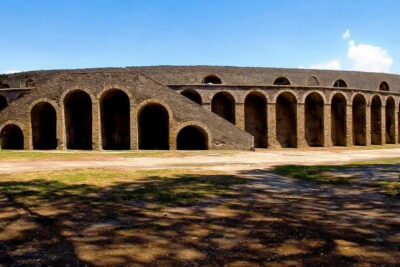
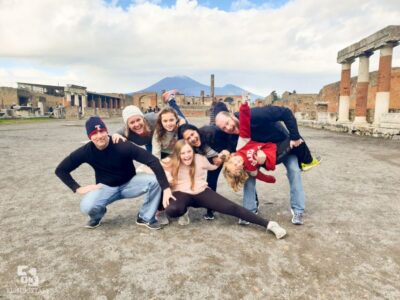
Temples, Porticoes, and Law Courts: The City’s Rules and Routines

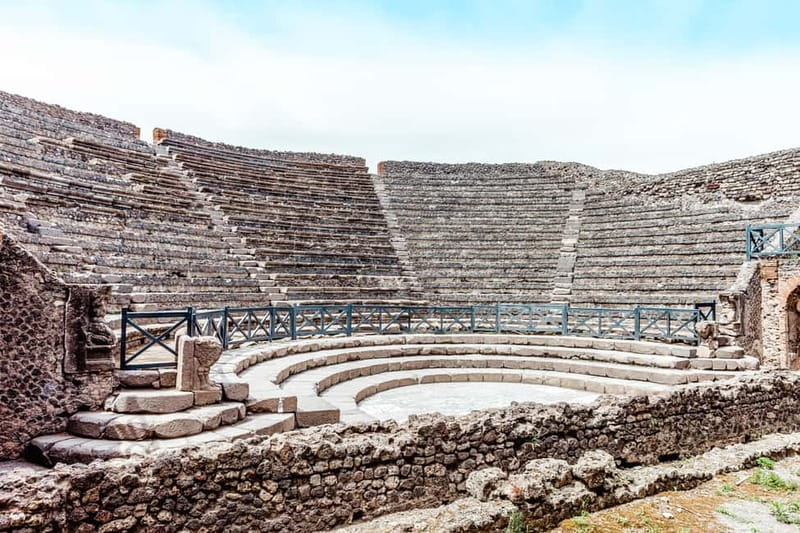
Beyond the Forum, the tour focuses on the surrounding temples, porticoes, and law courts—public-facing places where rules and beliefs intersected with normal life.
This is one of the most valuable parts of a short guided visit. It’s easy to focus only on big eye-catchers, but these in-between spaces are where you learn how Romans lived their days. Porticoes, for example, help you understand how people moved and sheltered in different weather. Law courts give you a sense of civic order—who argued, where decisions happened, and how justice fit into the city.
Some guides are especially strong at “how to see it” skills. Carmen, for instance, has been praised for practical ways to distinguish between a regular house and a shop based on details like door openings. Even if you never become an architectural detective, those cues help you leave with sharper eyes.
Streets, Shops, and How Romans Lived, Loved, Worked, and Played
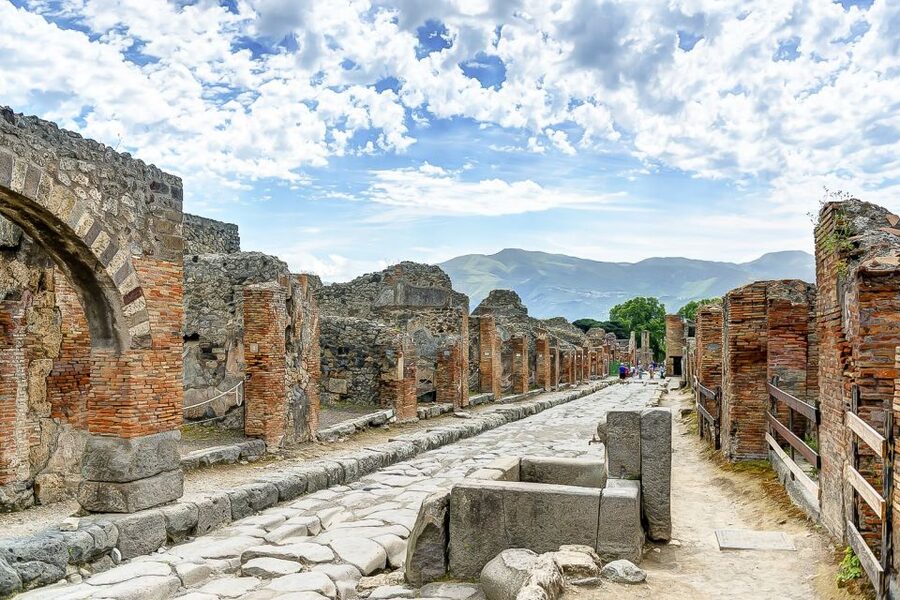
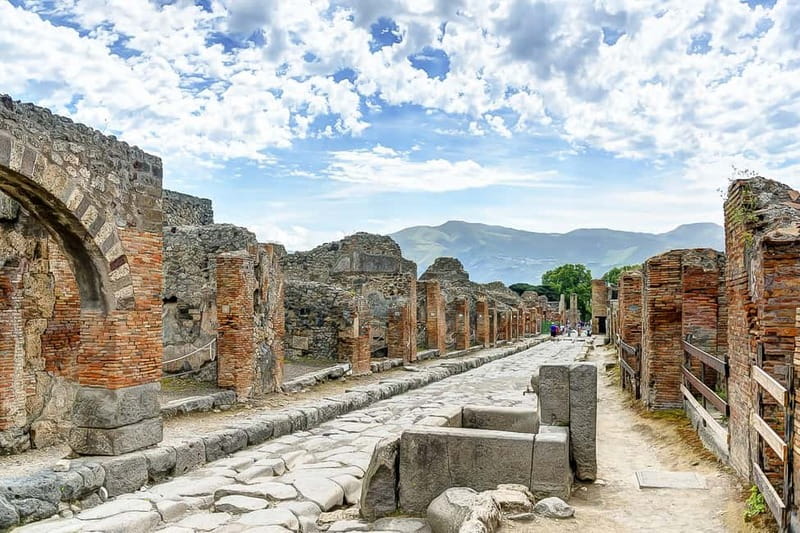
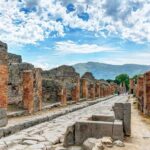
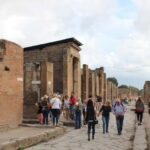
The heart of this tour is the walk down the city’s Greco-Roman streets. The guide’s goal is to bring an everyday Roman town to life—so you understand the human scale: work, social life, shopping, and leisure.
In two hours, you won’t see all of Pompeii. What you can do, with a good guide, is understand enough to “read” the site as you move through it. That’s why guides like Marina and Imma have been highlighted for sharing small details and background that make the city feel less like an outline and more like an actual place.
This is also where a private format shines. A guide can adapt based on your group’s questions, pace, and comfort. People have specifically praised guides for keeping teens engaged and for steering around crowds and choosing shadier spots when possible—like Julia, for example. If your group includes mixed ages, this flexibility is a big deal.
The Eruption Story: Ash, Pumice, and What’s Left
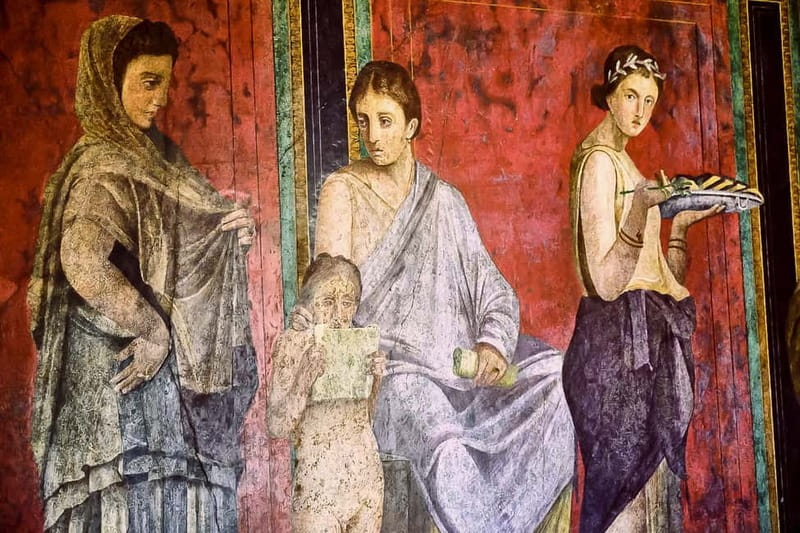
Pompeii’s story is the eruption of Vesuvius in 79 AD, and this tour frames what you see through that event. The city was covered for 1,700 years by layers of ash and pumice, with the tour describing the scale of the burial: around twenty feet of material that preserved everyday artifacts.
That preservation is what makes Pompeii so powerful. You’re not looking at ruins in the abstract. You’re looking at places where everyday life was interrupted—then frozen in place.
The guide also covers the scale of loss. The tour description includes that about 20,000 people lived in the city, and 2,000 perished. That context gives you a clearer emotional lens as you pass through spaces that would have held real routines: dining, work, worship, and play.
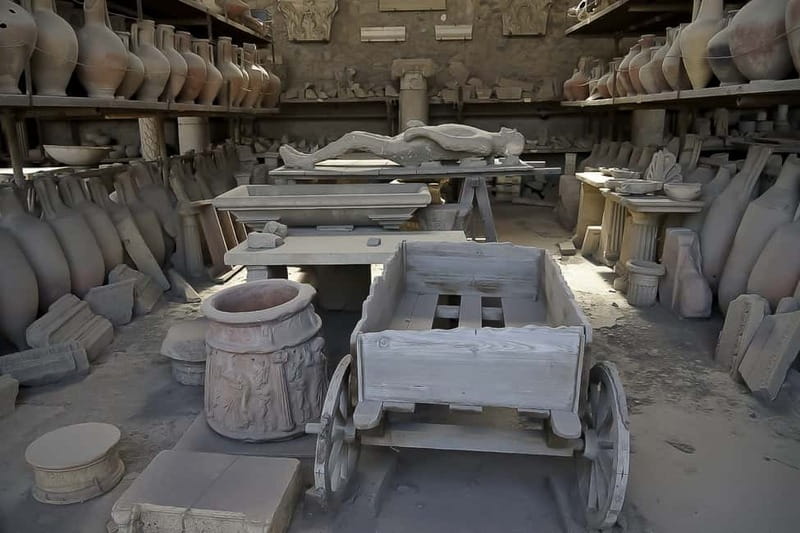
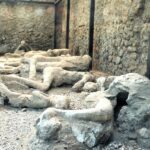
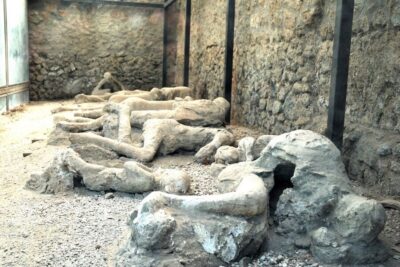
One of the most poignant parts (and a reason people remember these tours) is the mention of plaster cast models, including citizens and their pets. It’s not just a history lesson. It’s a reminder that Pompeii was full of normal lives—messy, funny, caring, and frightened—before it became archaeology.
Pace, Comfort, and What to Bring for a Smoother Visit
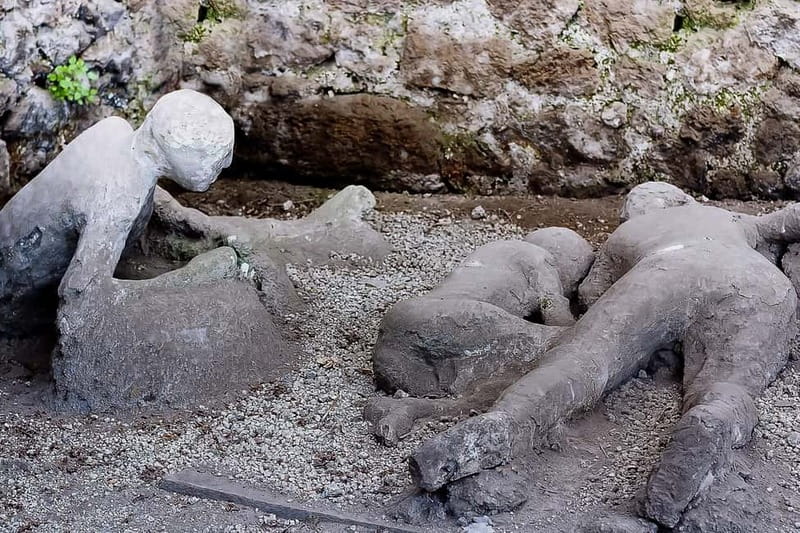
The big practical truth: Pompeii isn’t flat, and two hours is intense if you aren’t used to uneven ground. A few people have also mentioned issues with pace—some guides move at a brisk rhythm to fit in the best stops.
If you have knee trouble or mobility needs, consider this carefully. You might be able to keep up with breaks, but the tour is designed for a highlights route, so your guide may still be moving through key areas efficiently.
What to bring is straightforward. You’ll want your passport or ID card. And since luggage and large bags aren’t allowed, travel light.
If you’re hoping to maximize comfort, bring water, wear grippy shoes, and don’t underestimate sun. Even with shade stops, Pompeii has exposed sections. One smart move is to plan small rest moments into your own expectations.
Languages, Guide Style, and How Much You Can Ask
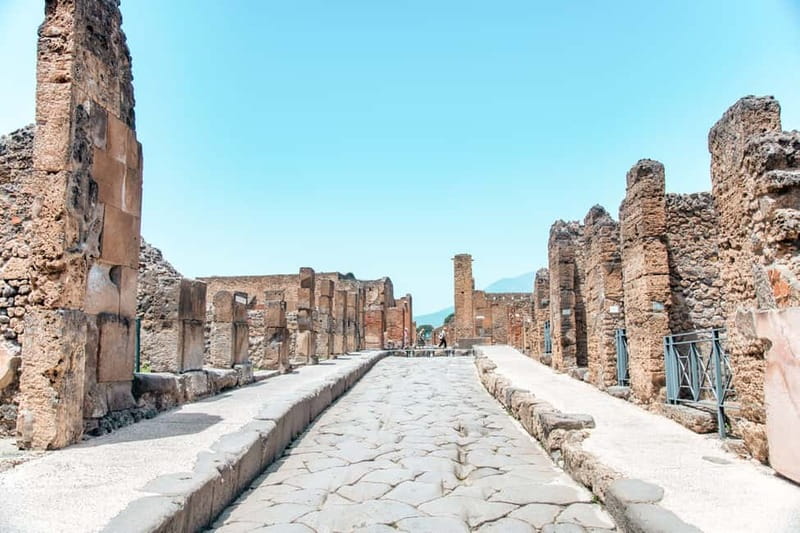
The tour runs with live guides available in Spanish, English, French, Italian, and German. A private group means you can ask follow-up questions without feeling like you’re interrupting a group script.
People have praised guides for different strengths:
- Some, like Imma and Marina, have been praised for adding small details and helpful background so the city feels clearer fast.
- Others, like Daniella, have been praised for explaining lots of information without making it feel like a classroom.
- Guides such as Lucia have been highlighted as an archaeologist by education, which comes through in how they explain the site.
- And Mele has been noted as an English-speaking local resident who’s easy to understand.
You’ll also get more than facts if your guide is good at storytelling. Rossella, for example, has been described as giving facts and funny anecdotes that keep the visit lively while still grounded in what you’re seeing.
Price and Value: Is This Pompeii Tour Worth It?
At $254.89 per group (up to 8 people), you’re paying for three things: time saved from skipping the worst lines, a private guide, and access to Porta Marina plus a structured highlights route.
Is it cheap? No. But it can be good value if:
- You’re traveling as a small group and splitting the cost makes sense.
- You want a guide to help you understand what you’re seeing instead of spending your short visit trying to decode it.
- You care about hitting the most important areas in a tight window.
Pompeii is huge, and self-guided walking can leave you feeling like you saw “a lot” without always knowing what was most important. This tour is built to prevent that. It gives you orientation quickly—Forum to public spaces to the human story of the eruption.
One thing to weigh: because it’s only two hours, your expectations should match. If you want to roam slowly and chase every side street, you may want longer time at Pompeii overall. But if you want the best core experience with context, this tour’s pricing is easier to justify.
First Sunday Option: Free Entry, But Not a Sure Thing
There’s a special note that matters for planning. On the first Sunday of each month, entrance is free. But tickets can’t be reserved ahead of time, so entry isn’t guaranteed.
If you’re aiming for that date, plan like this: you might save money, but you might also need flexibility if entry timing doesn’t work. For people who hate uncertainty, this tour’s skip-the-line setup is typically a calmer choice on normal days.
Should You Book This Pompeii Private Tour?
I’d book it if you want your Pompeii visit to feel guided, focused, and emotionally clear—without wasting your limited time in queues. The best reason is simple: a private guide plus skip-the-line protects your two hours and helps you understand what you’re looking at as you walk.
You might skip it if you’re the type who wants hours to wander on your own with no structure, or if you need very slow, step-by-step pacing. In that case, you may prefer a longer self-paced plan or a different tour format built for more time.
If you do book, come with light luggage, your ID, and realistic expectations. Pick good shoes. Then let the guide do what you can’t do from a map: turn Pompeii’s streets into a story you’ll actually remember.
FAQ
How long is the Pompeii private tour?
It lasts 2 hours.
Is this tour private?
Yes. It’s listed as a private group.
What group size is included in the price?
The price is per group up to 8 people.
Which languages are available for the guide?
The live tour guide is available in Spanish, English, French, Italian, and German.
What does skip-the-line EXPRESS mean for this tour?
The tour includes a skip-the-line EXPRESS ticket depending on the option chosen, or it’s added in the option with no tickets.
Do I get access to Porta Marina?
Yes. Access to Porta Marina (Sea Gate) is included.
Where does the tour start and end?
It ends back at the meeting point. The meeting point may vary depending on the option booked.
Is parking included?
Free parking is included if available.
What do I need to bring for entry?
Bring a passport or ID card.
Are bags allowed?
Luggage or large bags are not allowed.
More Tours in Pompeii Archaeological Site


More Tour Reviews in Pompeii Archaeological Site
More Pompeii Tours to Compare
More Pompeii Archaeological Site tours, freshly reviewed


Pompeii Tours, compared.
 ★ 4.8Pompeii: Entry Ticket and Guided Tour with an ArchaeologistFrom $3519,459 reviews
 ★ 4.1Pompeii: Entry Ticket with Audio GuideFrom $4013,491 reviews
 ★ 4.8Pompeii: Small Group Tour with an ArchaeologistFrom $4012,264 reviews
 ★ 4.3Pompeii Ruins & Mount Vesuvius Day TourFrom $12011,459 reviews
★ 5.0Pompeii Small Group Tour with an ArchaeologistFrom $356,593 reviews
★ 4.3Pompeii Ruins & Mount Vesuvius Day TourFrom $12011,459 reviews
★ 5.0Pompeii Small Group Tour with an ArchaeologistFrom $356,593 reviews
 ★ 4.5Skip-the-line Pompeii – Small Group TourFrom $544,401 reviews
 ★ 4.6Naples or Sorrento: Full-Day Pompeii and Mount Vesuvius TourFrom $1044,235 reviews
 ★ 3.9Pompeii: Skip-the-line Entry Ticket with Audio Guide & MapFrom $433,153 reviews