
Review · POMPEII TOURS
Pompeii 3-Hour Walking Tour
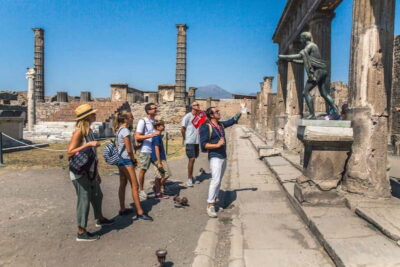
Pompeii feels personal with the right guide. On this private 3-hour walking tour in Campania, you get expert context at the ruins themselves, not just a list of buildings. You’ll trace how Pompeii was buried after Vesuvius erupted in 79 A.D., then rediscovered in the 18th century, while still focusing on what you can see now—especially the Forum area where Roman public life comes into focus.
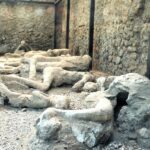
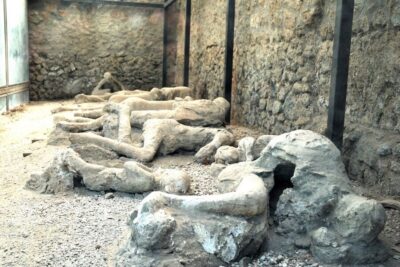
I also love the tour’s commitment to the human side of Pompeii, including the plaster casts of people and animals from the time of their deaths. The route also includes big-name stops like the Lupanare (old brothel) and the Thermal Baths, so you’re not stuck in only one theme. One possible drawback: it’s a steady 3-hour walk in any weather, and the rules are strict (no umbrellas, no backpacks), so you’ll want to travel light and plan for rain with a raincoat.
In This Review
- Key Things You’ll Appreciate in This Pompeii Tour
- A Private 3-Hour Pompeii Walk: The Value and the Pace
- Getting Oriented at Porta Marina and the Main Entrance Route
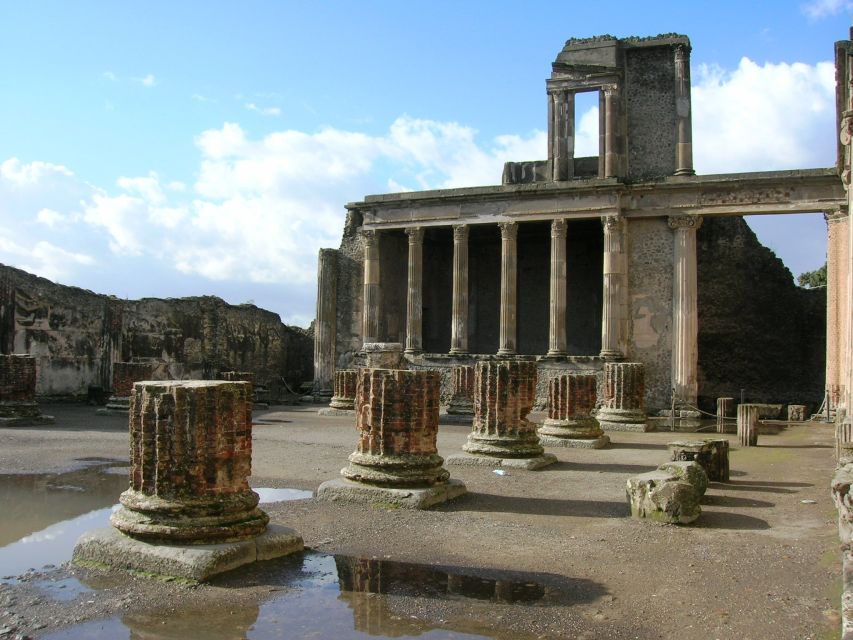
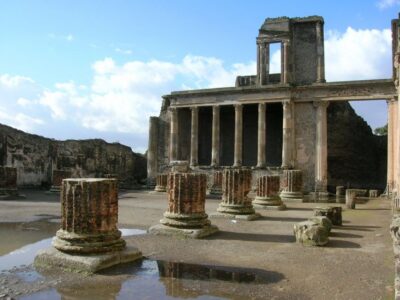
- Forum, Basilica, and the Civic Centers You Can Actually Visualize
- Baths, Brothel, and the Spots That Show Everyday Roman Life
- Villa of the Mysteries, Temples of Apollo, and the Religious Side
- Houses, Theaters, and the Plaster Casts That Make It Real
- Price, Language Options, and Who This Tour Fits Best
- Should You Book This Pompeii 3-Hour Walking Tour?
- FAQ
- How long is the Pompeii 3-hour walking tour?
- Is this tour private?
- Which languages are offered for the live guide?
- What are the meeting point options?
- What’s included in the price?
- What should I bring, and what’s not allowed?
Key Things You’ll Appreciate in This Pompeii Tour
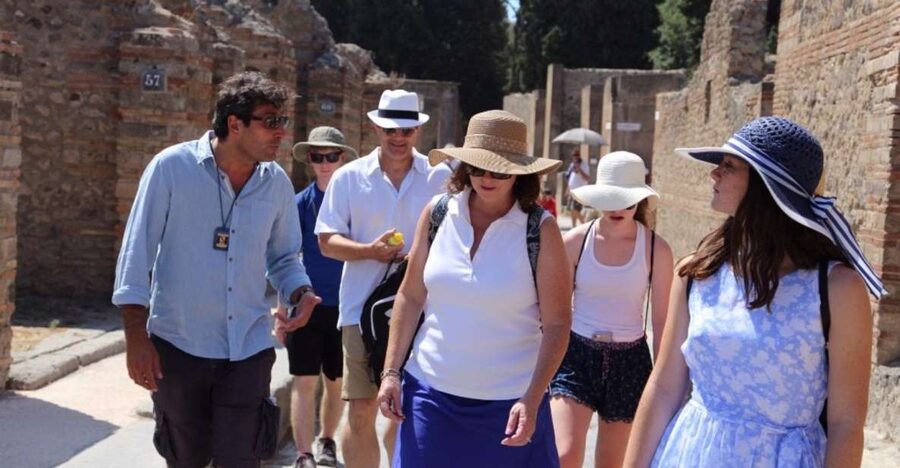
- Private, language-supported guidance from archaeologist-style interpretation (Spanish, German, Russian, Chinese, English, Italian, Japanese, Portuguese).
- Main Pompeii landmarks in one route, including Porta Marina, the Forum/Civic heart, theaters, temples, and major houses.
- The story behind the burial and rediscovery, tying the eruption in 79 A.D. to what was found later.
- Human-scale shock, through plaster casts of people and animals at the time of death.
- Daily-life stops beyond the big monuments, like baths, a bakery, and the Lupanare.
- Skip-the-ticket-line entry plus admission fees handled for you.
Which Pompeii ticket and guide? Compare a few more.
- Pompeii: Entry Ticket with Audio Guide★ 4.1 · 13,491 reviews
- Pompeii: Group Tour with an Archeologist Guide★ 4.4 · 2,361 reviews
- Pompeii Ruins Private Tour with Optional Skip-the-Line Entry★ 4.9 · 732 reviews
- Pompeii: All-Inclusive Group Tour with an Archeologist Guide★ 4.4 · 617 reviews
A Private 3-Hour Pompeii Walk: The Value and the Pace
This is a Pompeii tour built for people who want a real storyline, fast. You’re in the ruins for about 3 hours, and that length matters: it’s long enough to cover the big “you must see this” areas, but short enough that you’re not still trudging through Pompeii after your energy drops.
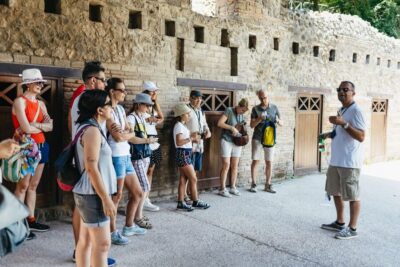
You’ll be walking, stopping, listening, and moving on. The best part is how the guide connects places you can see—forums, baths, theaters, temples, houses—to how the Romans lived in public and private. That connection is the difference between seeing stones and understanding a city.
Now the price. At $508.15 per group up to 1, this is not a budget tour. It’s priced for private attention, not economy. The value only makes sense if you fit one of these categories:
- You want a guide to explain what you’re looking at in real time.
- You’re traveling with someone who would rather not join a crowded group.
- You care about context as much as photos.
If you’re the type who likes to wander with a self-guided plan, a private tour at this level might feel expensive. But if you want Pompeii interpreted clearly, with a human guide leading the route, the cost-to-convenience ratio starts to look fair.
Also, you don’t have to plan admission. Admission fees are included, and you can skip the ticket line, which saves time you’d otherwise spend standing and waiting. That time matters in a site where every minute outdoors adds up quickly.
Getting Oriented at Porta Marina and the Main Entrance Route
The tour starts at one of two nearby meeting points on Via Villa dei Misteri (either Via Villa dei Misteri, 2 or Via Villa dei Misteri, 3). Since the meeting point can vary by the option you book, it’s worth arriving a bit early so you don’t waste your first minutes sorting out where to be.
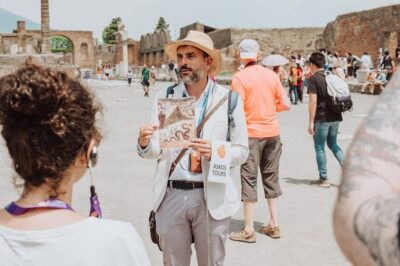
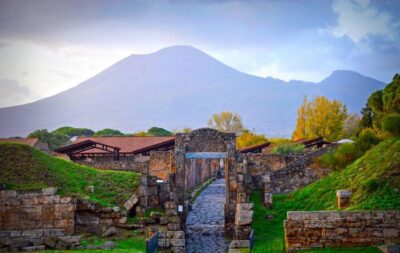
From there, you’ll head into the Pompeii Archaeological Site and start working your way through a sequence that makes sense. The route begins with key orientation areas like Porta Marina, which is a strong choice for kick-off because it helps you understand how people would have entered and moved into the city.
You’ll then shift into the heart of Pompeii’s structure—public buildings, civic spaces, and the places where daily rhythms played out. The tour is designed so you’re not bouncing randomly between far-apart corners. That’s a practical win: Pompeii is big, and a guided “flow” keeps you from getting lost in the site’s sprawl.
One thing I’d take seriously: this tour runs in any weather condition. Rain can turn stone pathways slick and reduce how much you enjoy pausing for explanations. And there’s a tricky packing note—umbrellas are listed as not allowed, even though the info also suggests bringing something for rain. In practice, I’d treat that as a sign to pack a raincoat instead of counting on an umbrella.
The tour ends back at the starting meeting point, so you don’t have to think about getting across the site afterward. For a 3-hour schedule, that kind of clean start-and-finish layout helps.
Forum, Basilica, and the Civic Centers You Can Actually Visualize
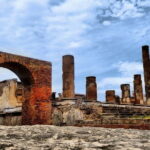
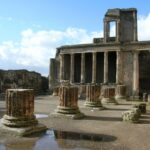
When Pompeii is at its best, it’s when you can picture how the Romans moved through their day. This tour leans hard into that, especially around the civic core—places like Foro Civile di Pompei and the Basilica (court house).
In a guided setting, the Forum area stops being a “big square” and starts becoming an organizing system. You’ll also encounter context around other nearby civic or public features mentioned in the route, such as the Triangolar Forum, and you’ll learn why the UNESCO recognition matters. Pompeii and Herculaneum are listed for their complete, vivid picture of daily life at a specific moment in the past, and that idea becomes real when you stand in the middle of the city’s public framework.
The Basilica matters because it’s not just dramatic architecture—it’s tied to the concept of civic order and public business. With a guide explaining what roles these spaces played, you’re better able to read the ruins as a lived-in environment.
You’ll also pass through key public-life stops that widen your view beyond “one main building.” Examples in the plan include:
- the Forum Baths
- areas connected to larger public circulation
If you like your tours to feel like you’re walking through a coherent city plan, this section is a highlight. If you prefer a more relaxed pace with extra time inside buildings (if they’re accessible), the 3-hour duration may feel a bit tight. But for a first Pompeii visit, the focus on civic layout is a smart way to build a foundation fast.
Baths, Brothel, and the Spots That Show Everyday Roman Life
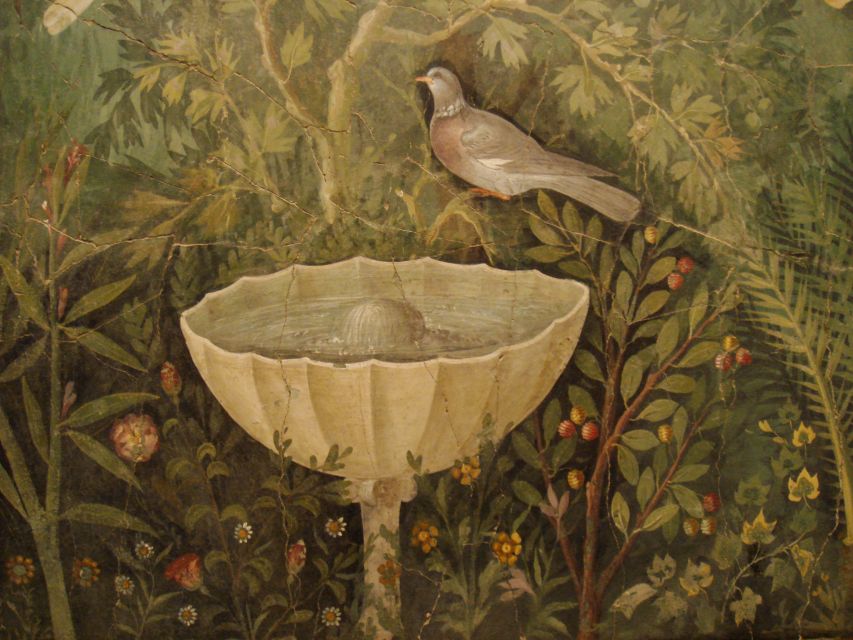
Pompeii isn’t only temples and statues. It’s routines. That’s why I like that this route includes places tied to daily living and not just grand monuments.
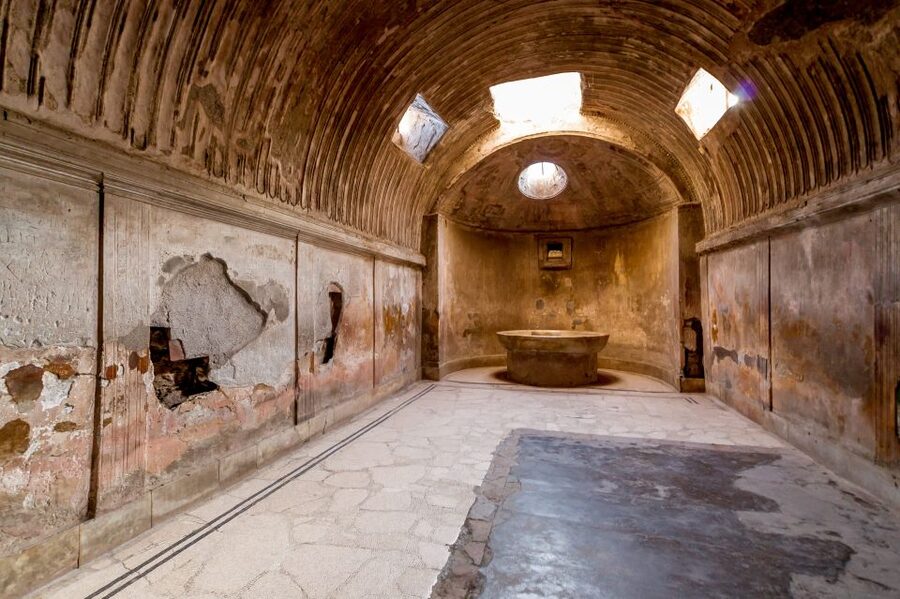
You’ll see the Thermal Baths (the description also references Sarno Baths), and that’s useful for understanding Roman public life. Baths were social space, plus they show you how design supported routine. Even when the ruins are incomplete, a guided walkthrough helps you connect what’s left to how people likely moved through it.
Then there’s the tour’s frank look at the city’s private and semi-private realities: the Lupanare (old brothel). This stop is essential because it’s part of why Pompeii feels so specific. You’re not only touring elite houses or official buildings; you’re also looking at the commercial side of everyday life.
The plan also includes a bakery and a Termopolium Capuano (a kind of street-food counter). Those details matter because they bring texture: the city isn’t just what people said about themselves in formal spaces—it’s also what they bought, ate, and did in between.
If you’re visiting with a teenager, a history nerd, or anyone who wants proof that daily life was complex, these are the stops that deliver. The tour doesn’t pretend Pompeii was clean and modern. It shows how varied life was, in public and in semi-public spaces.
And because this is private, your guide can adjust emphasis. For example, if you’re more interested in religion, the route includes temple highlights. If you want social life and architecture, the baths and Lupanare section does a lot of the heavy lifting. In short: you’re not stuck with one narrow angle.
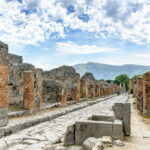
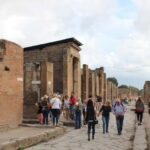
More of Pompeii Archaeological Site at street pace
Villa of the Mysteries, Temples of Apollo, and the Religious Side
A big part of what makes Pompeii work on a guide-led tour is how it layers different “worlds” on top of each other: civic life, home life, entertainment, and belief.
One of the major anchors here is the Villa of the Mysteries. Even without going heavy on technical explanations, a good guide can help you understand why a villa like this is more than just walls—it’s a statement of identity and meaning within the city’s culture.
From there, you move into temple territory, including the Temple of Apollo. The tour description also highlights other temples in the same broader cluster, such as Temple of Jupiter and Temple of Venus. Putting those alongside civic buildings helps you see the balance Romans tried to maintain between public order, religious practice, and everyday behavior.
In a place like Pompeii, temples can feel like art-history stops if you don’t get context. Here, the guide’s role is to make those structures part of the city’s operating system. You’re learning not only what they look like, but how they fit into a Roman worldview.
This is also where the UNESCO framing becomes practical. The idea is that Pompeii offers a complete and vivid snapshot of how society functioned at a specific moment. When you connect temples to daily movement through civic spaces and domestic areas, the story stops feeling like a museum exhibit and starts feeling like a functioning place.
Practical tip for this section: because you’re outdoors and moving between major clusters, your enjoyment depends on weather. If rain is on the forecast, prioritize a raincoat and plan to keep your hands free—umbrellas aren’t on the allowed list.
Houses, Theaters, and the Plaster Casts That Make It Real

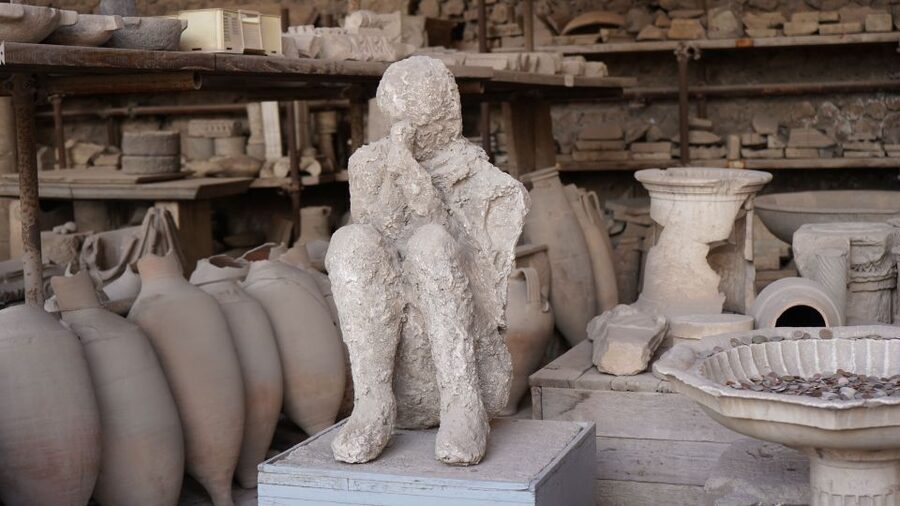
If you want Pompeii to hit with emotional force, this is where it happens. The tour includes plaster casts of humans and animals made at the time of death. That moment changes the whole experience. Before this, the site can feel like a dramatic snapshot of city life. After it, you start seeing the ruins as something far more direct and human.
It’s also where the guide’s interpretation matters. Without context, plaster casts can become a “look, tragic, move on” stop. With a guide connecting what you’re seeing to the eruption story and what Pompeii represents, the casts become part of the city’s history—not just a separate shock exhibit.
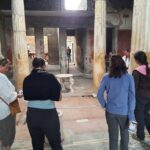
The route then keeps widening the lens into elite domestic life and public entertainment. You’ll visit major houses such as the House of Menander and the House of the Faun, plus the House of the Vettii. These homes help you understand what private Roman life could look like, especially when compared to the public structures you saw earlier in the tour.
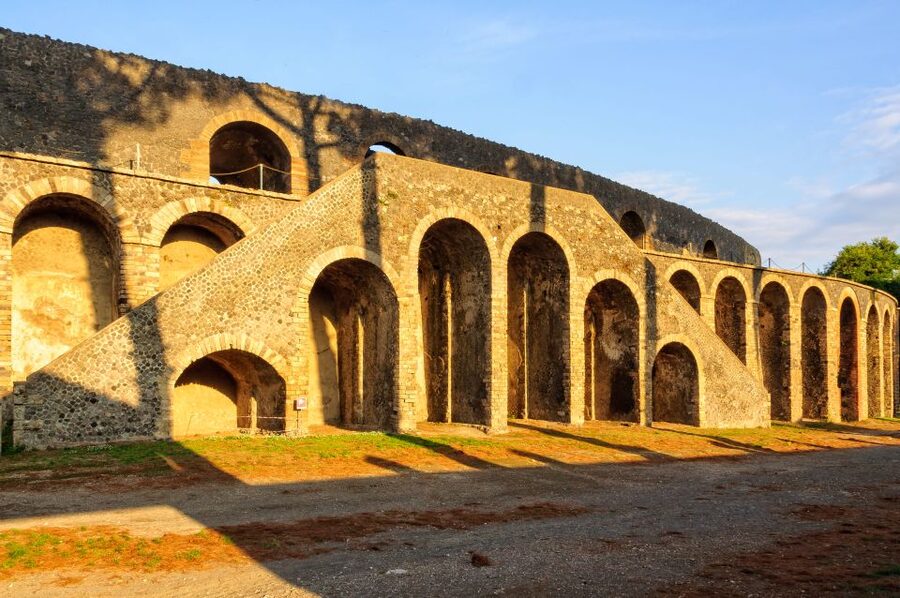
The entertainment stops are also key. You’ll encounter the Large Theatre and other theater spaces referenced in the plan, such as the Odeion (small theatre), and you’ll also visit the Amphitheater of Pompeii. For me, these stops add a social rhythm to the city picture. Pompeii isn’t only about rules and worship. People gathered, watched, and spent time in shared public settings.
One more detail worth noting: this tour is guided by an archaeologist-style interpreter, and names like Vincenzo come up in association with the experience—people often describe this kind of guide as friendly and good at making the material readable, not lecture-like.
Price, Language Options, and Who This Tour Fits Best
This tour is built as a private group experience. With pricing at $508.15 per group up to 1, you’re paying for one-on-one attention and a guide who can tailor how the story lands with you.
That makes it especially good if:
- You want the guide’s explanations in the language that works best for you.
- You prefer a structured route with the most important sites covered in one go.
- You care about understanding how public and private life worked, not just taking photos.
Language options are broad—Spanish, German, Russian, Chinese, English, Italian, Japanese, Portuguese—so you shouldn’t have to fight for comprehension. And because it’s private, you can ask follow-up questions when something sparks your curiosity.
The tour is also wheelchair accessible, which matters a lot in Pompeii. The site has uneven terrain, so accessibility is never perfect, but the fact that this tour is listed as accessible gives you a starting point for planning.
You’ll want to have the basics ready: a passport or ID card. And because meals and transportation aren’t included, plan to handle food and getting to/from Pompeii separately.
Should You Book This Pompeii 3-Hour Walking Tour?
If you want Pompeii to feel like a city you understand—civic life, private life, religion, entertainment, and the human stakes of 79 A.D.—this private 3-hour format is a strong choice. The inclusion of the plaster casts, plus stops like the Forum, thermal baths, and Lupanare, gives you a balanced view that’s hard to DIY efficiently.
I’d skip it (or reconsider) if price is your biggest constraint, or if you’d rather wander slowly at your own pace without a guide steering the story. For anyone who wants clarity and a well-paced route through the key Pompeii landmarks, booking this is a smart move.
FAQ
How long is the Pompeii 3-hour walking tour?
It lasts 3 hours.
Is this tour private?
Yes. It’s listed as a private group with a group size up to 1.
Which languages are offered for the live guide?
The tour offers live guidance in Spanish, German, Russian, Chinese, English, Italian, Japanese, and Portuguese.
What are the meeting point options?
Meeting point may vary. The listed starting options are Via Villa dei Misteri, 2 and Via Villa dei Misteri, 3.
What’s included in the price?
Included: private guidance and Pompeii admission fees. Not included: meals and transportation.
What should I bring, and what’s not allowed?
Bring a passport or ID card. Not allowed: pets (assistance dogs are allowed), umbrellas, and backpacks. The tour runs in any weather, so bring appropriate rain gear (a raincoat is a practical choice).
More Tours in Pompeii Archaeological Site

More Tour Reviews in Pompeii Archaeological Site
More Pompeii Tours to Compare
More Pompeii Archaeological Site tours, freshly reviewed

Pompeii Tours, compared.
 ★ 4.8Pompeii: Entry Ticket and Guided Tour with an ArchaeologistFrom $3519,459 reviews
 ★ 4.1Pompeii: Entry Ticket with Audio GuideFrom $4013,491 reviews
 ★ 4.8Pompeii: Small Group Tour with an ArchaeologistFrom $4012,264 reviews
 ★ 4.3Pompeii Ruins & Mount Vesuvius Day TourFrom $12011,459 reviews
★ 5.0Pompeii Small Group Tour with an ArchaeologistFrom $356,593 reviews
★ 4.3Pompeii Ruins & Mount Vesuvius Day TourFrom $12011,459 reviews
★ 5.0Pompeii Small Group Tour with an ArchaeologistFrom $356,593 reviews
 ★ 4.5Skip-the-line Pompeii – Small Group TourFrom $544,401 reviews
 ★ 4.6Naples or Sorrento: Full-Day Pompeii and Mount Vesuvius TourFrom $1044,235 reviews
 ★ 3.9Pompeii: Skip-the-line Entry Ticket with Audio Guide & MapFrom $433,153 reviews
Browse the lists this tour appears in