
Review · HERCULANEUM TOURS
Herculaneum – Small Group Tour (admission included)
Step into a Roman neighborhood frozen in time.
Herculaneum’s charm comes from the fact that it’s smaller than Pompeii yet packed with details you can actually absorb on foot, and the preservation lets you see daily living in a way that feels close to the original. I especially like how the tour starts with the eruption story—Vesuvius in 79 A.D. and what pyroclastic flows did to this coastline town—then turns into a guided walk through the remains of homes and streets. I also like that you get a licensed guide (Regione Campania) and skip the ticket line, so you spend your time learning, not waiting.
The main drawback to consider: this is a 2-hour walking experience in an outdoor archaeological site. If you’re sensitive to heat, uneven ground, or you need long rests, you may have to pace yourself.
In This Review
- Key things that make this Herculaneum tour worth your time
- Why Herculaneum Feels Different From Pompeii in Just 2 Hours
- Starting Point at Corso Resina: Simple Meeting, Direct Route Into the Site
- The Eruption Story: Vesuvius in 79 A.D. as a City-Maker
- Why Preservation Here Is So Peculiar (and So Educational)
- Walking the Ruins Like a Resident: Wealth, Space, and Comfort
- The Boat Museum Stop: Coastal Life Makes Sense Fast
- Small Group, Real Questions, and the Pace of 2 Hours
- Price and Value: What $75 Buys You Here
- Tips to Make Your Visit Feel Worth It
- Should You Book This Herculaneum Small-Group Tour?
- FAQ
- What’s the duration of the Herculaneum small-group tour?
- Is admission included?
- Where do we meet for the tour?
- How big is the group?
- What languages are the guided tours offered in?
- Who provides the guide?
- What does the tour cover during the visit?
- Can I cancel for a refund?
- Is there an option to reserve without paying right away?
Key things that make this Herculaneum tour worth your time
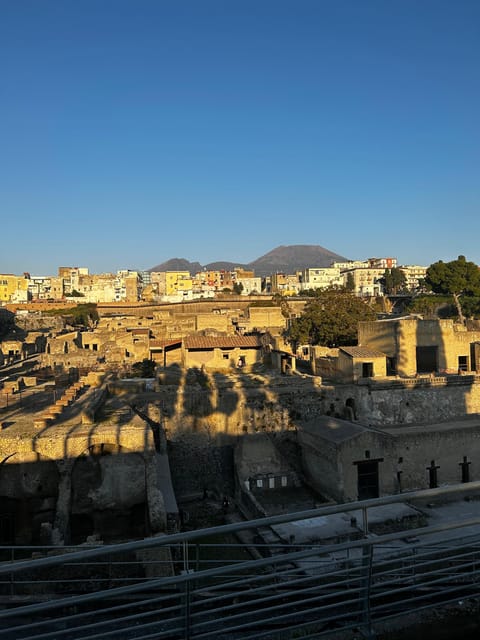
- Preservation you can read: you don’t just see ruins; you see how ash protected parts of the city
- The eruption explained clearly: pyroclastic flows + burial depth put the tragedy into context
- Boat museum stop: it helps you connect the site to a real coastal lifestyle
- Small group pace: time for questions, including more back-and-forth with your guide
- Guides with real delivery skills: names like Roberta, Marzia, and Gabriella show up in standout experiences
- A tighter focus than Pompeii: Herculaneum feels like a home base for wealthy Romans rather than a giant spectacle
Herculaneum keeps a few more tours worth your time
- Ercolano: Herculaneum Entry Ticket with Optional Audio Guide★ 4.1 · 581 reviews
- Herculaneum: Skip The Line Entrance ticket + Audioguide★ 4.3 · 266 reviews
- Naples: Pompeii and Herculaneum Tour with Tickets and Lunch★ 4.4 · 136 reviews
- Herculaneum Archaeological Park smart Audio Tour★ 3.8 · 70 reviews
Why Herculaneum Feels Different From Pompeii in Just 2 Hours
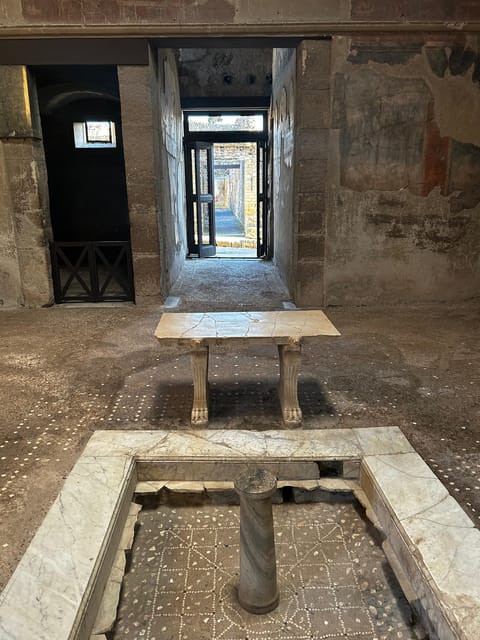
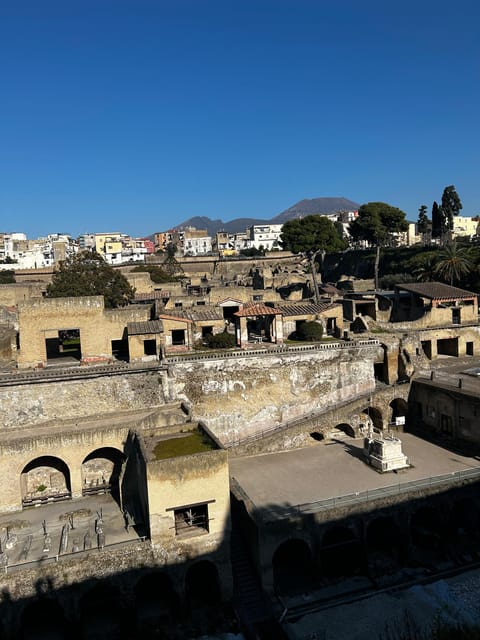
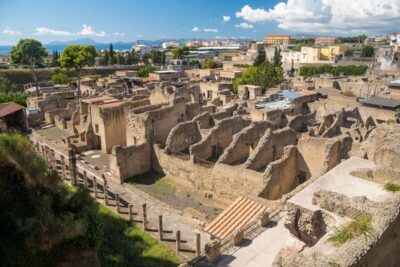
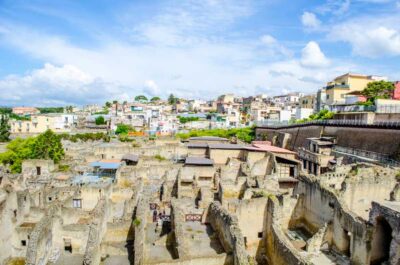
If Pompeii is the big, loud “wow” of Roman ruin tourism, Herculaneum is the more intimate cousin. Same eruption. Different result. Here, the city was buried under a literal mountain of hot ash—about 60 feet of cinder—created by the pyroclastic flows. That depth and cover mattered. It meant many surfaces and rooms survived in a way that can make you slow down and actually look.
This tour leans into that advantage. In two hours, you get an organized, guided path that’s designed to help you understand what you’re seeing, not just collect a list of places. The result is a visit that can feel more personal than the faster, more crowded energy you might expect elsewhere.
And it’s not just about buildings. Herculaneum was a residential area for wealthier Romans, and the town was smaller—but richer—than Pompeii. So when you walk through the remains, you’re watching how people lived: what they owned, how they decorated spaces, and what the daily rhythm might have looked like.
Starting Point at Corso Resina: Simple Meeting, Direct Route Into the Site
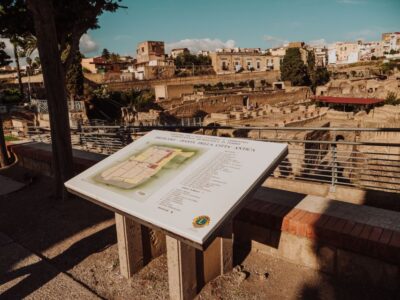
Your tour begins at Corso Resina, 187. The meeting point is just outside the Herculaneum ticket office, which is helpful because you’re not guessing where the tour meets once you arrive.
A practical upside here: because you get skip-the-line admission, the tour can move quickly into the archaeological area. That matters in high season. Waiting around with other ticket holders isn’t the point of a ruin visit. You want the guide’s story while you’re still standing in front of the evidence.
After the guided walk, you arrive back at the same place you started—Corso Resina, 187—so you’re not left figuring out transportation at the end of your day.
The Eruption Story: Vesuvius in 79 A.D. as a City-Maker
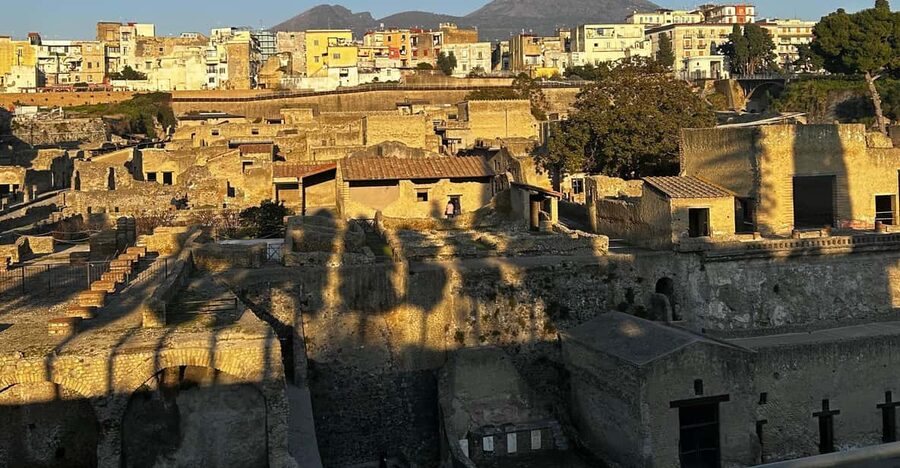
This tour doesn’t start with stones. It starts with the catastrophe. The introduction focuses on the eruption and the nature of the city, and it’s one of the best ways to understand why Herculaneum looks the way it does.
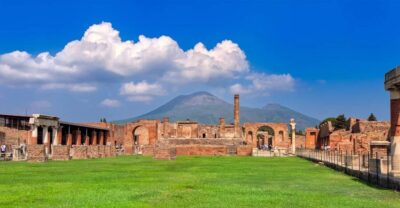
Here’s the key mental image: Pompeii and Herculaneum were both hit by the disaster of 79 A.D., but the effects were not the same. The landscape and the way the flows moved changed what got destroyed most and what got sealed away. With Herculaneum, those flows covered the town with scalding ash so thoroughly that the city remained preserved beneath it.
That context makes the rest of the tour click. When you see remnants of private spaces, you’re not looking at random fragments. You’re looking at the remains of a real place that was “packaged” by a disaster.
Why Preservation Here Is So Peculiar (and So Educational)
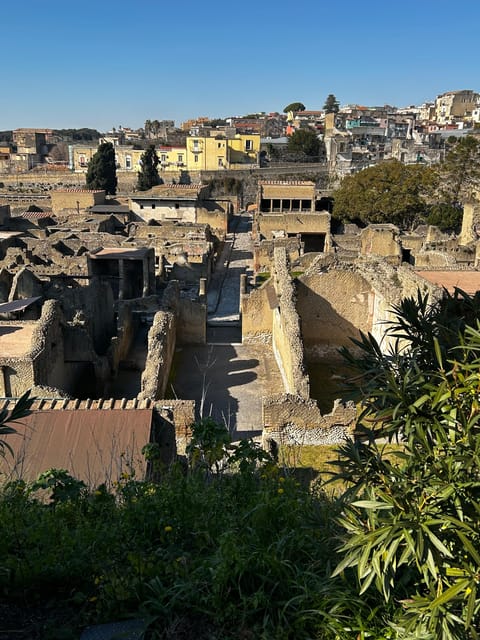
Herculaneum is famous for preservation, and this tour explains why that preservation is different. The guide focuses on what pyroclastic burial did to the city—and why it can feel almost surreal compared with other Roman sites.
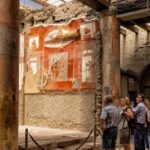
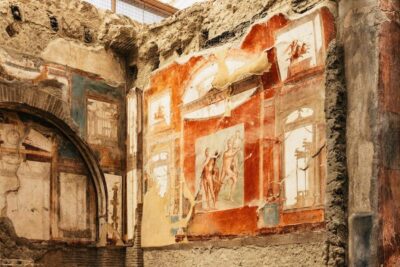
You’ll hear how Herculaneum’s wealth shows up in the details. The town was home to well-off residents, and you can still recognize their original style and elegant decorations in private houses. Even when the structures are incomplete, the surviving design choices help you picture how owners wanted rooms to look and feel.
That’s the real value of a well-told preservation story: it turns “I’m looking at ruins” into “I’m reading evidence.” You learn to notice what survives and what doesn’t, and that makes your walk more satisfying.
One more thing I like: the tour’s structure keeps the science and the everyday life connected. You’re not stuck in a lecture about volcanic processes. The explanation sets up why the houses, surfaces, and spaces matter.


Walking the Ruins Like a Resident: Wealth, Space, and Comfort
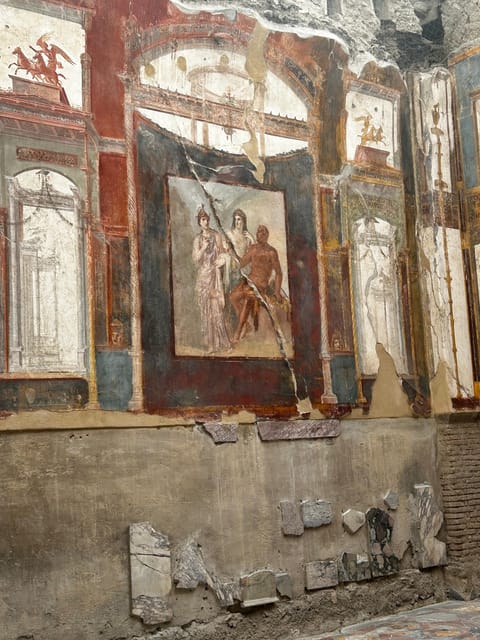
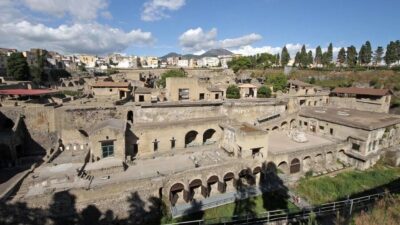
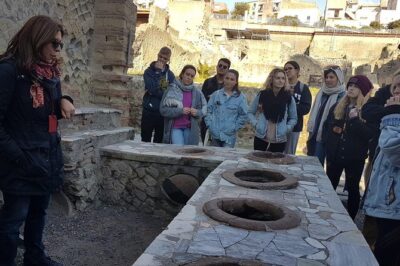
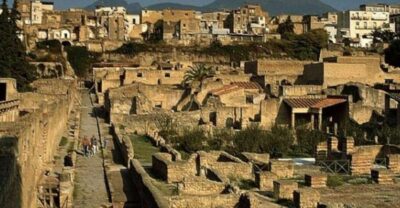
Once you’re inside the site, the focus shifts to typical life in an ancient Roman center. This is not a tour that just points and moves on. It’s more like you’re being guided through the logic of the neighborhood.
Herculaneum’s residents were wealthy, and you can often feel that in how the city was arranged and how private spaces were treated. The guide helps you spot the kind of elegance that fits a richer residential community—think decoration and the feel of private rooms rather than public spectacle.
As you walk, the best moments usually come when the guide connects a surviving feature to how people might have used it. That’s where a great guide earns their pay. In this tour, the guiding quality is consistently called out, including names like Roberta, Marzia, and Gabriella. The common thread: clear explanations in the right proportions, plus real time for questions.
Also, this tour can work well if you’re traveling with kids. One family experience noted that the guide adjusted explanations to what children were curious about, and the pacing helped the time fly without turning the visit into a rushed history lecture.
The Boat Museum Stop: Coastal Life Makes Sense Fast
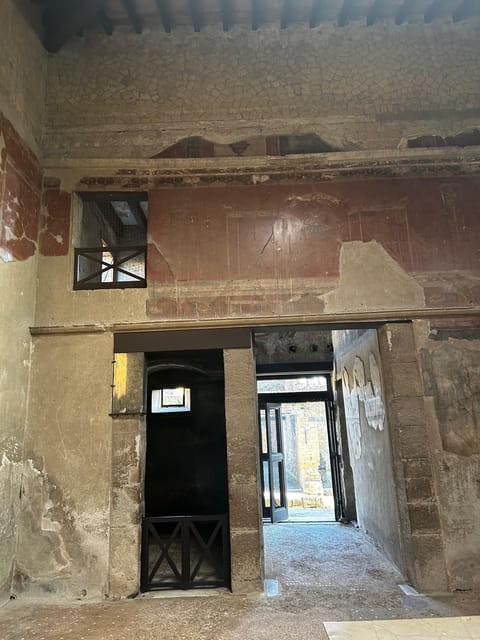
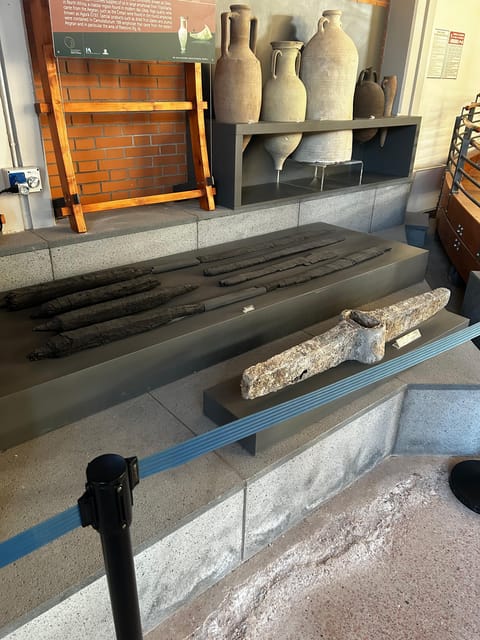
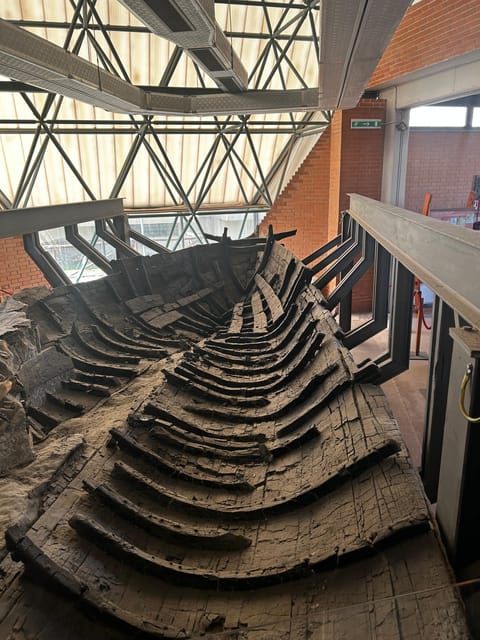
One highlight is the visit to the boat museum. You might wonder why a ship stop belongs in a ruin tour. Then you remember where Herculaneum sat: on the coastline, tied to the sea.
Seeing the boat material helps you connect the city to seafaring and trade without having to guess. It gives you a practical anchor. Roman coastal life wasn’t abstract. People depended on the water for movement, goods, and livelihoods.
Even if you’re not a “maritime history” person, this stop can still give you that satisfying click: the town you’re walking through wasn’t only streets and homes. It had a relationship with the Gulf of Naples that shaped daily life.
Small Group, Real Questions, and the Pace of 2 Hours
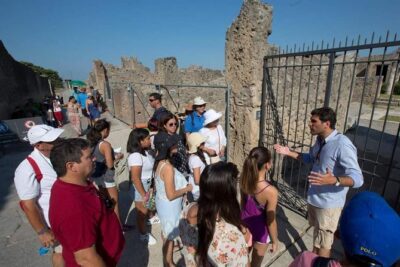
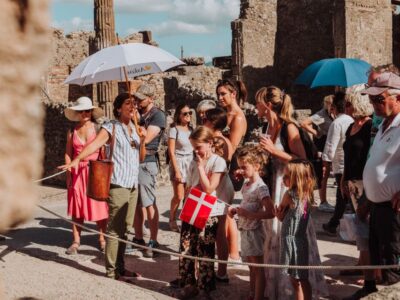
This is built as a small-group tour, and that changes how the experience feels. In a larger group, you tend to get dragged along by the schedule. In a smaller group, you can ask follow-ups, and the guide can react to what you’re actually wondering about.
The 2-hour duration is short on paper, but it’s the right length for Herculaneum if your goal is understanding. You’ll get a guided walk that stays focused on the big “why” and “how,” rather than trying to cover everything. If you’ve already done another Roman site that day, this can be a smart “quality over quantity” choice.
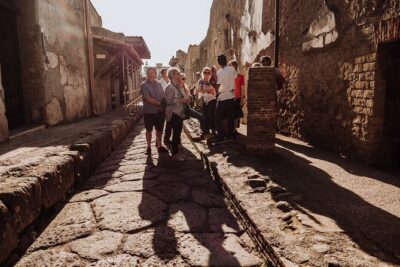
One practical consideration: because it’s a walk through an archaeological area, you’ll want comfortable shoes. Even “not too long” ruins walks can become tiring on cobbled or uneven ground.
Price and Value: What $75 Buys You Here
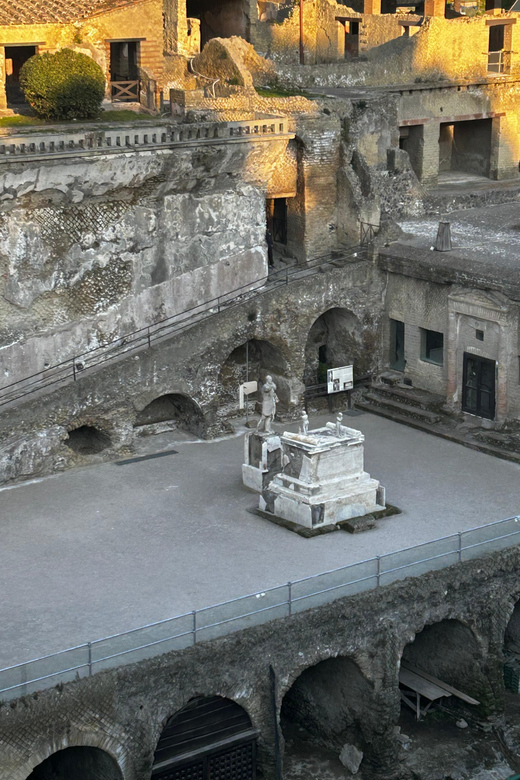
At $75 per person for a 2-hour small-group tour with admission included, the value comes from three places:
- Licensed guiding: the guide is licensed by the Regione Campania. That usually means a more consistent, accurate interpretation of what you’re seeing.
- Skip-the-line entry: you’re paying so the experience starts promptly.
- A tight focus: the tour doesn’t spread itself too thin. It targets eruption context, preservation differences, boat museum, and Roman life.
If you were to do the site on your own, you’d still get ruins—but you’d lose a lot of the “meaning.” With a guide, you’re not just seeing preserved spaces; you’re understanding why they survived and what that survival tells you about the people who lived there.
Tips to Make Your Visit Feel Worth It
Here are the things that help this tour land well:
- Go in ready to ask questions. The format supports back-and-forth, and the best moments often come when you let the guide explain a detail you noticed.
- Plan for sun and walking. The ruins are outdoors. Bring water, and consider a hat if the weather is warm.
- Look for the wealthy-residential clues. As you walk, try to notice decoration and how private spaces might have been arranged. The guide will point you toward the right places.
- Ask about how preservation changes the story. Knowing why Herculaneum differs from Pompeii makes the whole site easier to “read.”
- If you’re curious about artifacts beyond the main walk, ask. One guide-led experience included a short visit to the nearby Antiquarium to see exhibits connected to the town. It may not be guaranteed, but it’s worth asking your guide if there’s time for something like that.
Should You Book This Herculaneum Small-Group Tour?
You should book if you want a guided visit that’s short, focused, and built around the meaning of Herculaneum’s preservation. This tour works especially well if you’ve already done Pompeii (or you plan to do it later) and want the sharper contrast—same disaster, different outcome—in a way you can feel on your feet.
I’d skip it or choose a different format if you hate walking on uneven ground, need lots of downtime, or you want to wander completely at your own pace without explanations.
If you’re on the fence, here’s the decision rule I use: pay for a guide when the site’s details matter. Herculaneum does. A small group and a time-tested route are exactly how to turn a fragile, buried city into a clear story you’ll remember.
FAQ
What’s the duration of the Herculaneum small-group tour?
It lasts 2 hours.
Is admission included?
Yes. Skip-the-line admission is included.
Where do we meet for the tour?
The meeting point is just outside the Herculaneum ticket office at Corso Resina, 187.
How big is the group?
The tour is described as a small group.
What languages are the guided tours offered in?
The live guide is available in German, Italian, and English.
Who provides the guide?
The tour includes a guide licensed by the Regione Campania.
What does the tour cover during the visit?
You’ll get an introduction to the eruption and the city, an explanation of the preservation, time at the boat museum, and a focus on typical Roman life through the ruins.
Can I cancel for a refund?
Yes. Free cancellation is available up to 24 hours in advance for a full refund.
Is there an option to reserve without paying right away?
Yes. You can reserve now and pay later.
More Tours in Ercolano


More Tour Reviews in Ercolano



Herculaneum, a Few More Tours
More Ercolano tours, freshly reviewed

Herculaneum Tours, compared.
 ★ 4.8Herculaneum: Skip-the-Line Guided Tour with ArchaeologistFrom $533,439 reviews
 ★ 5.0Pompeii and Herculaneum Small Group Tour with an ArchaeologistFrom $771,350 reviews
 ★ 5.0Herculaneum Small Group Tour and Ticket With an ArchaeologistFrom $53994 reviews
 ★ 4.3Herculaneum: Skip-the-Line Entry Ticket with Audio GuideFrom $15870 reviews
 ★ 4.8Pompeii: Small-Group Tour of Pompeii and Herculaneum867 reviews
 ★ 4.8Pompeii & Herculaneum with Archaeologist GuideFrom $168665 reviews
 ★ 3.9Pompeii, Herculaneum, & Vesuvius Full-Day TourFrom $152602 reviews
 ★ 4.1Ercolano: Herculaneum Entry Ticket with Optional Audio GuideFrom $21581 reviews
Browse the lists this tour appears in