

Review · HERCULANEUM TOURS
Ercolano: Herculaneum Entry Ticket with Optional Audio Guide
Herculaneum feels shockingly alive under ash. This UNESCO site is one of the best ways to see everyday Roman life frozen in time after Vesuvius buried the town in 79 AD. You’ll stroll cobbled streets, step into intact structures, and spot details like beds, doors, and even human remains.
I love the preservation here. In many places you can still make out rooms, everyday objects, frescoes, and architectural details that survived for almost 2,000 years. I also like the flexibility of the optional audio guide, so you can set your pace house by house, without feeling rushed by a group.
One drawback to plan for: the audio guide experience can be inconsistent. The app audio may feel confusing at the exact spot you’re standing, and phone coverage can be spotty, so it helps to download anything you can before you arrive.
In This Review
- Key things to know before you go
- Herculaneum under ash: why this site hits different
- Ticket value at about $21: what you get for your money
- Entering the site: redeeming your voucher without stress
- Your self-paced route: how to structure 1 day at Herculaneum
- Preserved homes: roofs, beds, doors, and the feel of daily life
- Frescoes, shops, gymnasium, and swimming baths you can picture
- The 79 AD story: the skeletons and the haunting part you can’t ignore
- Audio guide reality check: app tips and when a physical device wins
- Timing and comfort: opening hours, last entry, and planning your day
- Crowds, maps, café basics, and signage gaps
- Who should choose this ticket (and who might want a guide instead)
- Should you book this Herculaneum ticket with optional audio?
- FAQ
- What is included in the Ercolano Herculaneum entry ticket?
- Do I need a guided tour to visit Herculaneum?
- What languages are available for the audio guide?
- Where do I redeem my mobile voucher?
- What time do I need to leave the archaeological area?
- How long can I spend at the site?
- Can I cancel for a full refund?
Key things to know before you go
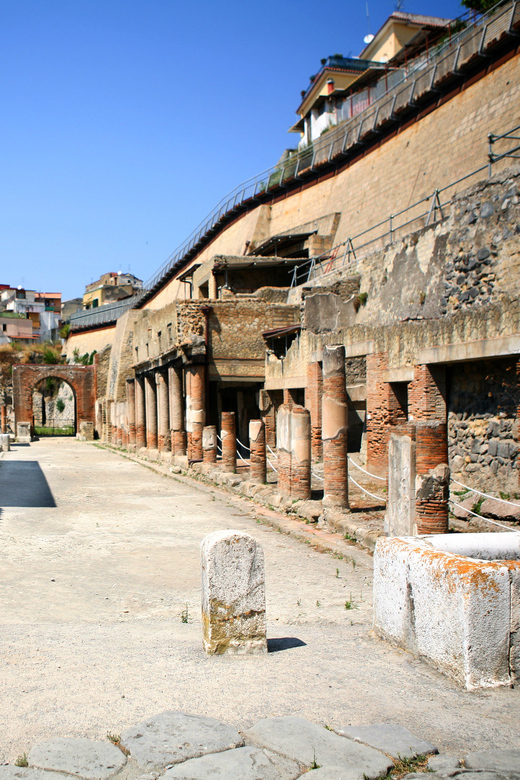
- The town is unusually preserved: roofs, beds, doors, food, and about 300 skeletons are part of what you’ll see.
- It’s smaller than Pompeii, but more readable: the site can feel less overwhelming and easier to take in.
- Audio is optional, not required: you can choose a digital app or a physical device.
- Plan for the heat and shade: summers run hot, and shade is patchy, but there are covered areas in and around buildings.
- Download ahead: the app can be data-hungry, and coverage may not be reliable inside the site.
- Bring realistic expectations: you might want more signage or simple route help, especially if you’re self-guiding.
Herculaneum keeps a few more tours worth your time
- Herculaneum: Skip The Line Entrance ticket + Audioguide★ 4.3 · 266 reviews
- Naples: Pompeii and Herculaneum Tour with Tickets and Lunch★ 4.4 · 136 reviews
- Herculaneum Archaeological Park smart Audio Tour★ 3.8 · 70 reviews
- Herculaneum: Private Walking Tour with Archeologist Guide★ 5.0 · 59 reviews
Herculaneum under ash: why this site hits different

Herculaneum (Ercolano) is what happens when a city gets trapped in the middle of daily life. After Vesuvius erupted in 79 AD, the town was buried under ash. Unlike Pompeii, a lot of the built environment stayed in place, so you’re not only looking at ruins—you’re walking through parts of Roman homes and public spaces that still feel personal.
The emotional weight comes from the contrast: everyday routines versus disaster. You’ll see the famous preserved details—plus around 300 skeletons—so the story isn’t abstract. It’s in the rooms, in the objects, and in the way the site makes the past feel close.
If you’re visiting Naples and torn between Pompeii and Herculaneum, I think this one earns its spot. It’s not just about scale. It’s about how well you can understand what a street, a shop area, or a bath might have meant to the people living there.
Ticket value at about $21: what you get for your money
The ticket is priced around $21 per person, and that gets you entry to the archaeological area. That’s the core value. You’re paying for access to a UNESCO World Heritage site that’s unusually preserved—so you’re not stuck outside looking at distant walls.
What changes your value is the optional add-on: the audio guide. One option is a digital audio guide app you download to your smartphone (with languages including English, French, German, Italian, and Spanish). Another option is a physical audio device, if you prefer not to rely on your phone.
Here’s the practical take: if you’re comfortable navigating on your own, audio can make the visit richer. If you hate fiddling with apps on vacation, a physical device may be the calmer choice. Also, keep your expectations grounded—some visitors find the app harder to track to your exact location than they’d hoped.
Entering the site: redeeming your voucher without stress
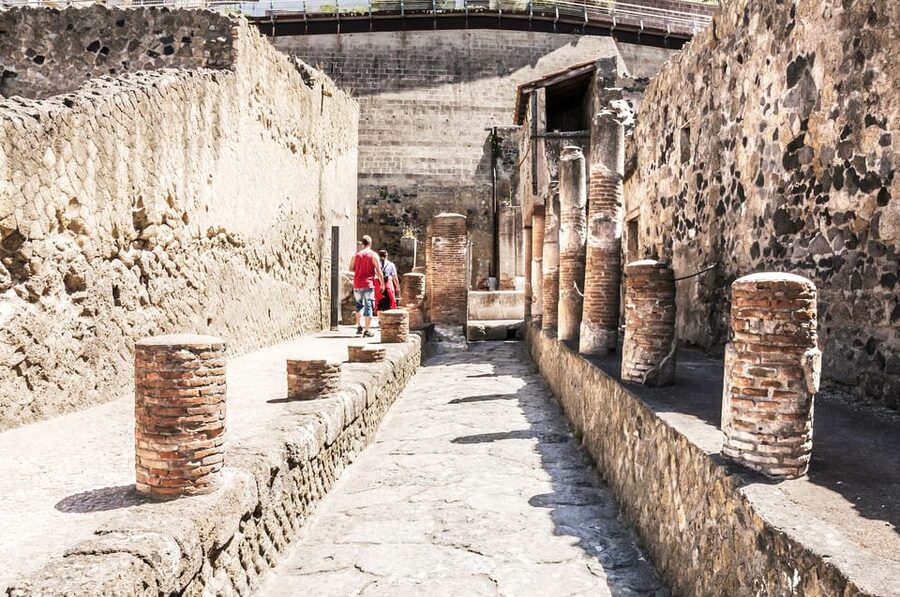
You redeem your ticket on site by showing your mobile voucher at the online ticket desk. That’s it. No secret entrance. No complicated mystery.
This matters because self-guided ruins require an easy start. If you arrive and spend time hunting the ticket desk, you lose daylight and momentum. Once you’re past entry, you’re free to explore at your own pace through intact buildings and streets.
Also, note that the ticket is valid for 1 day, and starting times can depend on availability. That means you’re not locked into a tiny window like some big-group tours. You can plan your arrival to match the light, the heat, and your own energy level.
Your self-paced route: how to structure 1 day at Herculaneum
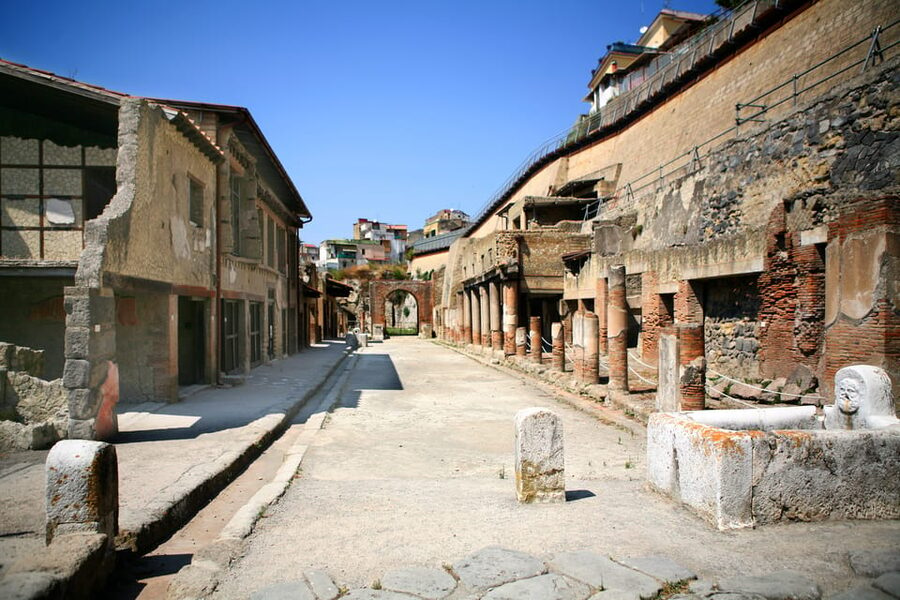
There isn’t a single forced itinerary here. That’s the beauty—and the risk. If you arrive ready to wander, Herculaneum rewards you. If you arrive without a plan, it can feel like you’re walking through a town without enough orientation.
A good strategy is to give yourself two goals:
1) See preserved interiors (homes, shops, and room-like spaces).
2) Use audio strategically for the areas where the details matter most.
Many people seem to finish in about 3 hours, but you might want more if you love architecture or want time to pause at frescoes and artifact displays. The site has a clear “town” rhythm: streets connect buildings, and buildings connect you to daily life. Go slowly enough that you’re not just moving between photo stops.
One useful mindset: at Herculaneum, the most interesting moments are often small. A door position, a room layout, or a preserved feature tells you how people lived. If you rush, you miss those tiny clues.
Other tickets and entries for Ercolano





Preserved homes: roofs, beds, doors, and the feel of daily life
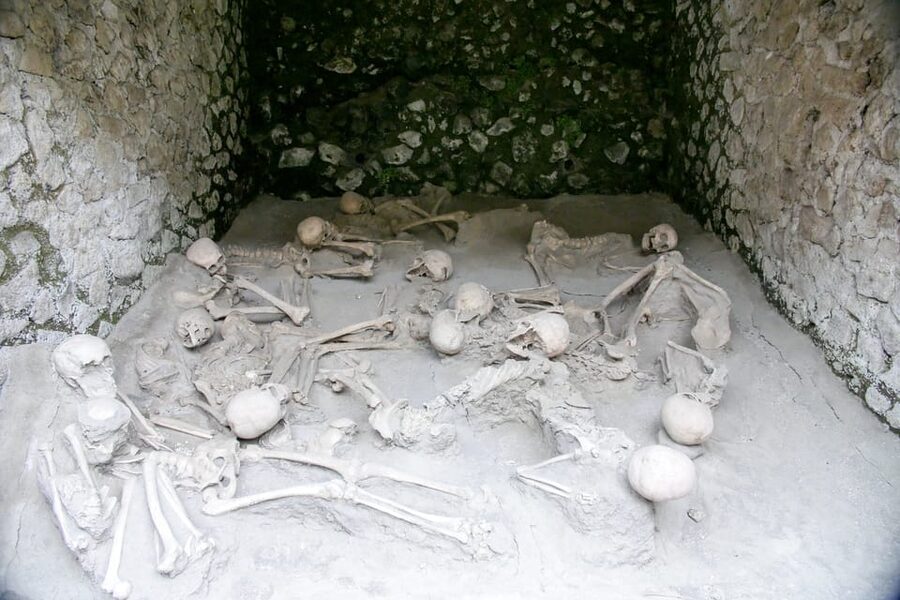
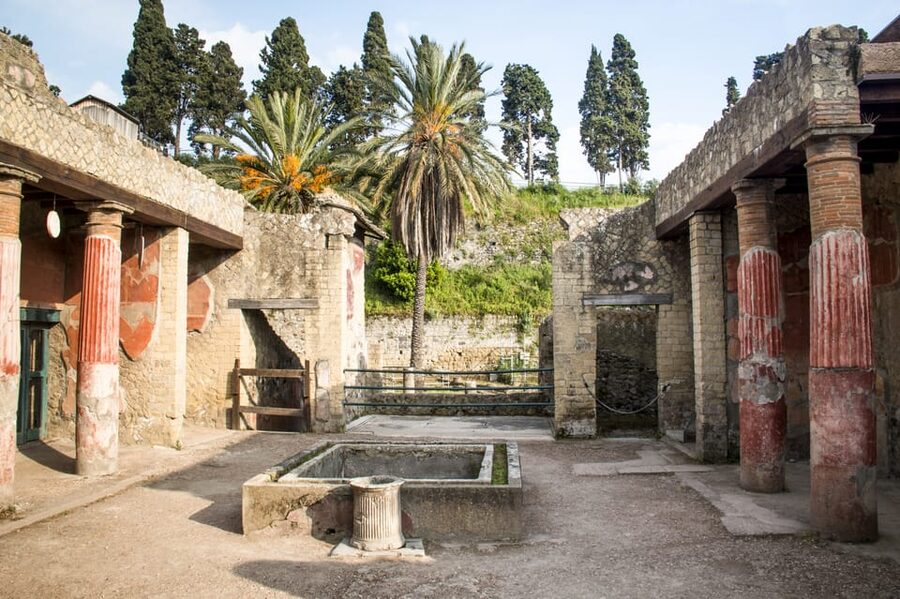
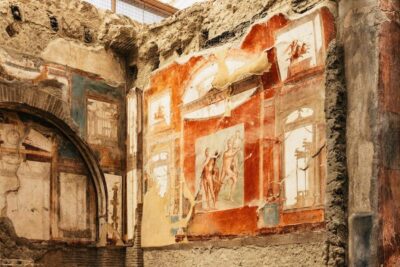
The standout feature of Herculaneum is how much survives. You’re not just seeing foundations. You can see roofs, beds, doors, and even food in the way the site presents it. That turns the ruins into something closer to a time capsule.
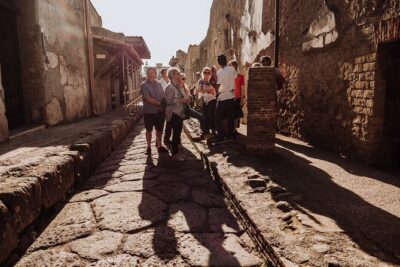
When you walk the cobbled streets, keep asking a simple question: Where would people have moved next? A room doesn’t feel like a random space—it feels like a place with routines. Some parts make it easier to picture everyday life, because the layout and preserved details help you imagine movement from street to shop to interior space.
If you like architecture, you’ll probably enjoy how the buildings let you compare function. Some areas read as residential. Others feel public or semi-public. You can often sense the transition by what’s preserved and how rooms connect.
Do expect that you may want more on-site guidance than you get. Several visitors wished for better signage or simple descriptions for each room or feature. If you’re the type who wants context everywhere, the audio guide helps—but it’s not perfect, so be ready to adapt.
Frescoes, shops, gymnasium, and swimming baths you can picture
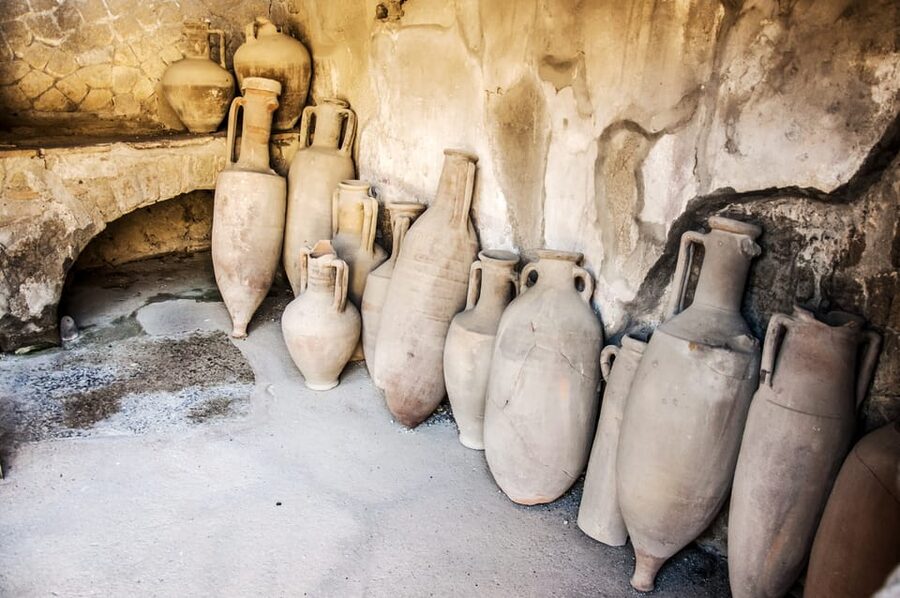
Herculaneum isn’t only homes. It also includes public spaces, and those are often where the site really sells Roman life as a system.
Look for:
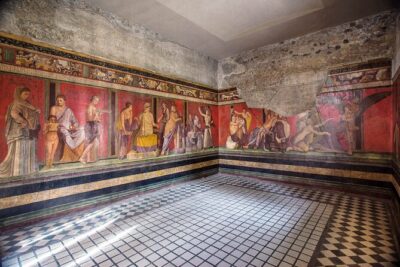
- well-preserved frescoes
- shop areas and street-front spaces
- the public gymnasium
- public swimming baths
These aren’t just decorative stops. They help you understand how people spent time, trained bodies, socialized, and ran daily errands. Seeing baths and gymnasium spaces in a preserved setting makes the past feel less like a distant story and more like normal routine.
The baths especially can be a turning point in your visit. When you move from a domestic space into a public one, the scale of daily life changes. You start thinking in crowds, schedules, and community habits.
One practical note: the site is outdoors with covered areas inside buildings. In warm months, shade can be uneven. If you want a comfortable day, plan your heavier walking in the cooler parts of the day and take breaks inside where you can.
The 79 AD story: the skeletons and the haunting part you can’t ignore
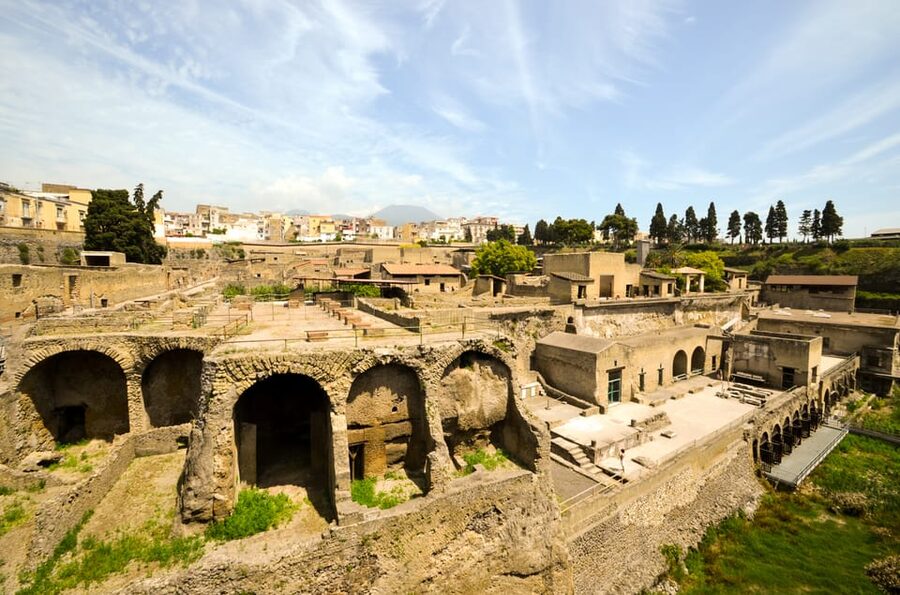
The eruption of Vesuvius in 79 AD is the background story. But the site makes that disaster physical.
You’ll encounter preserved remains—about 300 skeletons are part of what the site preserves. That alone changes the tone of the visit. It’s not just “cool ruins.” It’s a human tragedy you have to process as you walk.
If you prefer history that stays focused on people, you’ll likely find Herculaneum moving in a way Pompeii sometimes isn’t. The smaller, better-preserved layout can feel easier to understand emotionally. You can take your time, read the room, and let the place do the talking.
This is also why timing matters. Visiting during quieter periods can make the experience easier to absorb. Some visitors especially like the off-season because the site feels calmer and more reflective.
Audio guide reality check: app tips and when a physical device wins
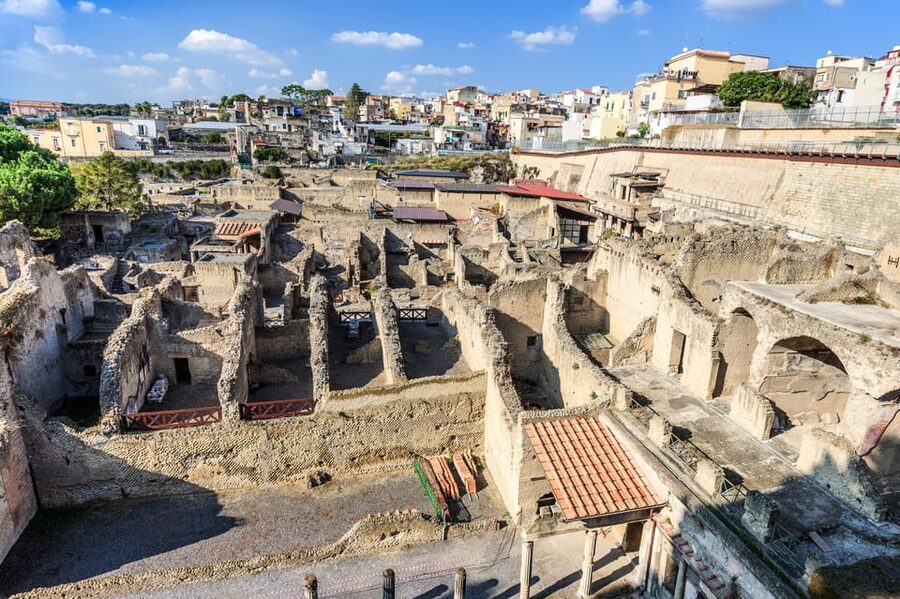
You have two audio options: a digital app or a physical audio device. The app is available in English, French, German, Italian, and Spanish. The physical device option is designed to avoid the phone issues that can derail a self-guided visit.
Here’s what to do to get the best shot:
- Download your audio before you enter. The app can be data-hungry, and coverage inside the site may be limited.
- Use headphones so you can hear clearly while walking.
- Don’t expect perfect location matching. Some visitors found it hard to follow the right dialogue for the exact spot they were standing.
If you’re history-focused and you want every room explained neatly, you might feel the limits of an audio guide. One strong piece of advice from the experience data: consider a real guide if you want more structure and less guesswork. An in-person guide can also solve the “where am I supposed to listen?” problem fast.
Still, audio can be worthwhile. When it’s working well, it adds details about people and social structures and helps you notice features in each part of the town. It turns “I see a room” into “I understand what it likely meant.”
Timing and comfort: opening hours, last entry, and planning your day
You’ll have plenty of time for a self-paced visit, but you must respect the closing rules.
Hours change by season:
- March 16 to October 14: 9:30 AM to 7:30 PM (last admission 6:00 PM). You must leave the archaeological area by 7:00 PM.
- October 15 to March 15: 8:30 AM to 5:00 PM (last admission 3:30 PM). You must leave by 4:40 PM.
If you’re visiting in summer, heat is the main enemy. You can find shade in and under roofs in the town’s streets, but it’s not everywhere. Bring a practical sun strategy: an umbrella can help with shade, and comfortable shoes matter because you’ll be walking on cobblestones.
Also, consider the crowd picture. People often find Herculaneum less overwhelming than Pompeii, and some even enjoy it more because the layout feels easier to manage. Off-season can be especially calm, which makes the emotional parts of the site easier to take in.
Crowds, maps, café basics, and signage gaps
Herculaneum is a popular UNESCO stop, so you can run into tourists. The good news: many visitors report no real queues to enter and find it relatively easy to walk around once you’re inside.
That said, navigation isn’t always “turn-by-turn.” Some visitors mention difficulty finding the ticket redemption spot at first, and others note the app audio isn’t well structured to match where you stand. A lack of signage can also be part of the experience.
If you need help getting around:
- spend a few minutes at the start getting your bearings
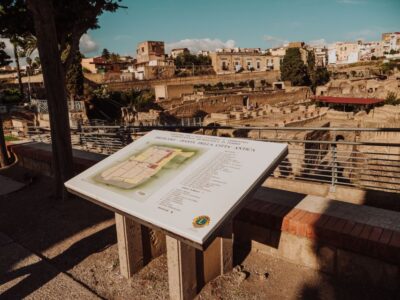
- use whatever map tools are available on site
- plan your walking loops rather than bouncing randomly between buildings
Food-wise, there’s a café, but facilities are described as basic. Treat it as a quick break, not a full meal plan. Bring water and plan to rest when you hit the covered areas.
Who should choose this ticket (and who might want a guide instead)
This experience fits best if you like:
- self-paced exploration
- preserved ruins that show daily life details
- history that feels human, not abstract
- comparing Pompeii and Herculaneum as two different ways to understand the same catastrophe
It’s also a strong choice for couples and solo travelers. A quiet visit can feel especially powerful because the site supports slow looking.
If you’re the type who wants every room explained clearly and in the right order, an audio guide might leave you wanting more. In that case, prioritize a guided option. Even one hour with a good guide can reduce confusion and help you get more out of your time.
Should you book this Herculaneum ticket with optional audio?
Yes, if you want a high-value UNESCO visit where you can walk inside the story of 79 AD and see unusually preserved Roman details. The ticket price makes sense because entry is the main expense, and the site is genuinely different from the more famous alternative nearby.
Book with the audio if you’ll actually use it—and especially if you’re the kind of visitor who likes context while walking. If you’re worried about app glitches, going with the physical audio device may feel safer.
Skip the audio add-on only if you know you’ll prefer reading on your own or hiring a guide for structure. Either way, wear comfortable shoes, plan your timing around the closing rules, and give yourself enough hours to slow down. Herculaneum rewards attention.
FAQ
What is included in the Ercolano Herculaneum entry ticket?
The entry ticket is included. You also have the option to include a digital audio guide app, and you can choose a physical audio guide device if that option is selected.
Do I need a guided tour to visit Herculaneum?
No. A guided tour is not included. The visit is self-paced with your ticket and optional audio.
What languages are available for the audio guide?
The audio guide options list English, French, German, Italian, and Spanish.
Where do I redeem my mobile voucher?
Redeem your ticket by showing your mobile voucher at the online ticket desk on site.
What time do I need to leave the archaeological area?
During March 16 to October 14, you must leave by 7:00 PM. During October 15 to March 15, you must leave by 4:40 PM.
How long can I spend at the site?
Your ticket is valid for 1 day. Start times can vary based on availability, and you should plan your visit around the seasonal last admission times.
Can I cancel for a full refund?
Yes. Free cancellation is available up to 24 hours in advance for a full refund.
More Tickets and Entries in Ercolano





More Tour Reviews in Ercolano


Herculaneum, a Few More Tours

More Ercolano tours, freshly reviewed


Herculaneum Tours, compared.
 ★ 4.8Herculaneum: Skip-the-Line Guided Tour with ArchaeologistFrom $533,439 reviews
 ★ 5.0Pompeii and Herculaneum Small Group Tour with an ArchaeologistFrom $771,350 reviews
 ★ 5.0Herculaneum Small Group Tour and Ticket With an ArchaeologistFrom $53994 reviews
 ★ 4.3Herculaneum: Skip-the-Line Entry Ticket with Audio GuideFrom $15870 reviews
 ★ 4.8Pompeii: Small-Group Tour of Pompeii and Herculaneum867 reviews
 ★ 4.8Pompeii & Herculaneum with Archaeologist GuideFrom $168665 reviews
 ★ 3.9Pompeii, Herculaneum, & Vesuvius Full-Day TourFrom $152602 reviews
 ★ 4.5Day Trip of Pompeii, Herculaneum and Vesuvius from NaplesFrom $145547 reviews
Browse the lists this tour appears in