
Review · POMPEII TOURS
Pompeii with an archaeologist, small group!!!
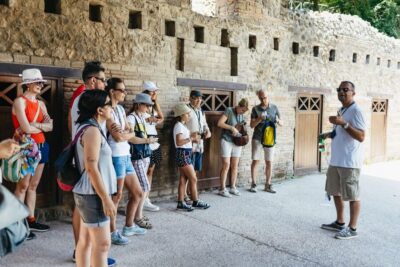
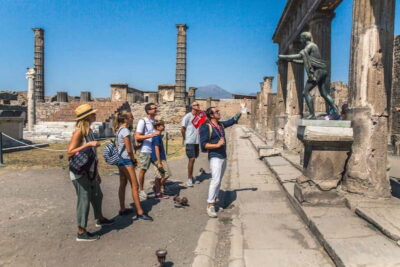
Pompeii is big. This tour keeps it human. You get a small-group visit to the ancient Roman city buried by Vesuvius in 79 AD, led by an archaeologist who helps you read what you’re seeing—especially the houses, shops, and daily-life details. I also like that it’s designed to fit around real conditions, with an afternoon schedule meant to avoid the worst heat and the heaviest crowds. One thing to consider: Pompeii still involves walking on uneven ground, so wear solid shoes and expect a brisk pace for a 2-hour visit.
Best part for me is the expert attention. When the guide’s a true archaeologist, you don’t just glance at ruins—you understand why a place matters and how Romans actually lived day to day. I loved the friendly, competent energy from Luca, and the visit felt well-balanced rather than rushed. The main drawback? Two hours is just enough to hit the big highlights, so if you’re hoping for long, slow meandering in only one or two zones, you may feel a bit time-pressured.
In This Review
- Quick key points
- Why an archaeologist-led Pompeii tour makes ruins feel real
- The late-day schedule: less heat, fewer headaches, better photos
- Your 2-hour route: what it’s like to see Pompeii efficiently
- What you’ll see: houses, shops, baths, theater, lupanary, and the molds
- Typical Roman houses (with decorations)
- Shops and everyday commerce
- Thermal baths
- The theater
- The lupanary
- The moving molds
- How to get the most out of a 2-hour guided Pompeii visit
- Photography and comfort tips for Pompeii in real conditions
- Small group value: is this worth $66.09?
- Who this Pompeii tour suits best (and who might want something else)
- Good to know before you go (weather and pacing)
- Should you book this Pompeii with an archaeologist small-group tour?
- FAQ
- How long is the Pompeii tour?
- What is the price per person?
- Is the tour in English?
- How big is the group?
- What’s included in the price?
- What is the meeting point?
- Where does the tour end?
- Is lunch included?
- When will I receive confirmation after booking?
- What happens if the weather is bad?
Quick key points
- Small group (max 12) keeps questions and conversations actually possible
- Archaeologist-led so you get context, not just dates and legends
- Afternoon timing aims to reduce heat and crowd stress
- Express entrance ticket means less time stuck at entry lines
- Two-hour format focuses on the essentials, plus daily-life highlights
- Family-friendly and photo-friendly thanks to a smart route and changing light
Which Pompeii ticket and guide? Compare a few more.
- Pompeii Small Group Tour with an Archaeologist★ 5.0 · 6,593 reviews
- Discover the Ancient Ruins of Pompeii: Day Trip from Rome★ 3.5 · 2,247 reviews
- Pompeii and Herculaneum Small Group Tour with an Archaeologist★ 5.0 · 1,350 reviews
- Skip the Line Guided Tour of Pompeii led by an Archaeologist★ 5.0 · 703 reviews
Why an archaeologist-led Pompeii tour makes ruins feel real
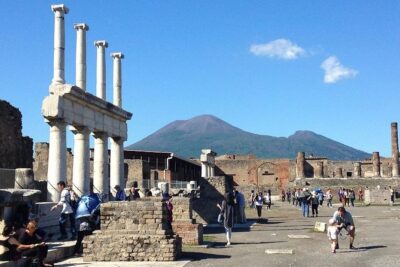
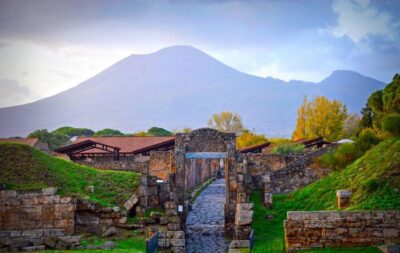
Pompeii is the kind of place where you can easily end up staring at walls and thinking, Cool… now what? The difference here is the archaeologist. You’re not just walking through famous Roman leftovers—you’re getting help interpreting them. The city covers about 66 hectares, and it was buried by Vesuvius in 79 AD. That alone creates the wow factor, but the archaeologist’s role is what turns the wow into understanding.
The tour centers on the life of Romans: domestic spaces, everyday businesses, public buildings, and the places where people gathered. That focus matters because Pompeii isn’t only about disaster—it’s about routine. When your guide points out the clues left behind in a typical house or a shop area, you start noticing patterns you’d otherwise miss.
And yes, this is a guided tour with structure. That’s a plus when you’re short on time or you want to make the most of a limited window.
The late-day schedule: less heat, fewer headaches, better photos
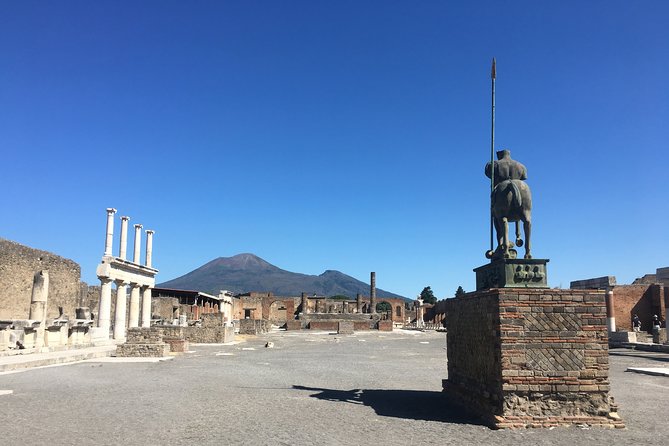
One of the most practical parts of this experience is the timing. It’s designed for the afternoon, calibrated to avoid the heat and the crowds. That sounds like marketing until you’ve actually tried walking Pompeii in the middle of the day—sun, glare, and slowdowns can drain your energy fast. The late-day plan helps you stay comfortable enough to keep looking and listening.
Then there’s the light. The tour description calls out the charm of the light at the end of the day, and that’s exactly when ruins become more photogenic. Shadows deepen, textures show up, and photos stop looking flat. Even if you’re not a serious photographer, you’ll probably appreciate that the visit feels less like a scramble and more like a slow reveal.
Your 2-hour route: what it’s like to see Pompeii efficiently
This is an approximately 2-hour tour. You’ll start and end back at the same place: Ristorante Suisse, Piazza Esedra, 10/13, 80045 Pompei NA, Italy. The duration is short on purpose. Pompeii is too large to do properly in one stop, especially if you want context. So this tour aims for depth in the right places, rather than spread-out coverage.
Expect a guided route that hits the major building types associated with daily Roman life:
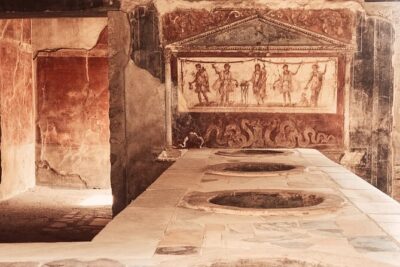
- the typical house (with decorations)
- shops
- thermal baths
- the theater
- the lupanary
- the moving molds (and more)
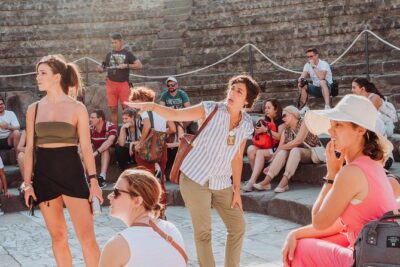
Because it’s a small group, you’re less likely to get lost in a herd. You also have more chances to ask quick questions without the guide feeling like they’re constantly sprinting to keep a deadline.
What you’ll see: houses, shops, baths, theater, lupanary, and the molds
Let’s break down the stops the way your brain will want them: what each one can teach you, and what to watch for.

Typical Roman houses (with decorations)
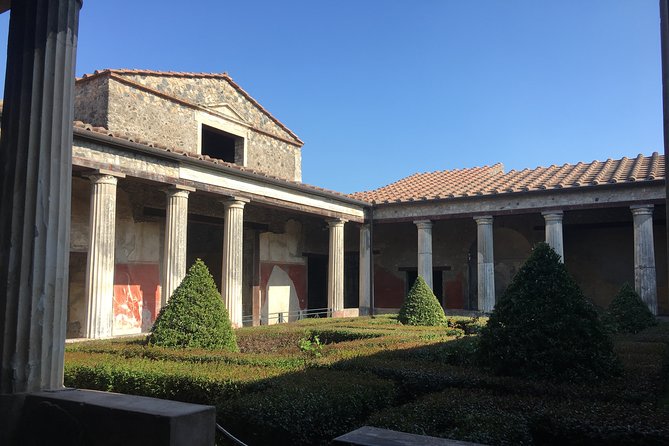
A house in Pompeii isn’t just a building—it’s a window into how Romans organized private life. With an archaeologist guiding you, you’ll learn how these spaces were arranged and what the decorations suggest about taste and status. The big value here is interpretation. Without a guide, you might think you’re just looking at old plaster and floors. With one, you understand what those surfaces and layouts were for.
What to look for: how rooms relate to each other and how the decor signals everyday priorities, not just wealth.
Shops and everyday commerce
Pompeii’s fame comes partly from the way daily life is preserved. Shops help you visualize the street-level rhythm: goods, services, and the idea that the city was functioning right up to the eruption. These spots make Pompeii feel less like a museum and more like a place you might have walked through.
What to look for: the connection between the street and the commercial space, and the way small clues help you reconstruct activity.
Thermal baths
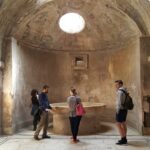
The thermal baths are a highlight for a simple reason: they show public routines. Water, movement, and shared social time were central to Roman life. A guided explanation helps you understand how these baths weren’t just for cleanliness—they were a social hub too.
What to look for: signs of how space would flow during a visit, and what the baths reveal about daily habits.
The theater
The theater takes you from private and everyday into public culture. This is where you see Romans gathering around performance and community life. The guide’s job here is key: pointing out what you’re seeing in the structure so it makes sense as a functioning space, not just a ruin.
What to look for: how the building’s shape would guide crowds and movement.
The lupanary
The lupanary is one of those stops people remember because it’s different from the obvious “public grandeur” sites. It gives a sharper look at the realities of urban life in Pompeii. An archaeologist can put it into context so it’s not just shock value—it’s part of a fuller picture of how the city worked.
What to look for: how this space reflects the social and economic life around it.
The moving molds
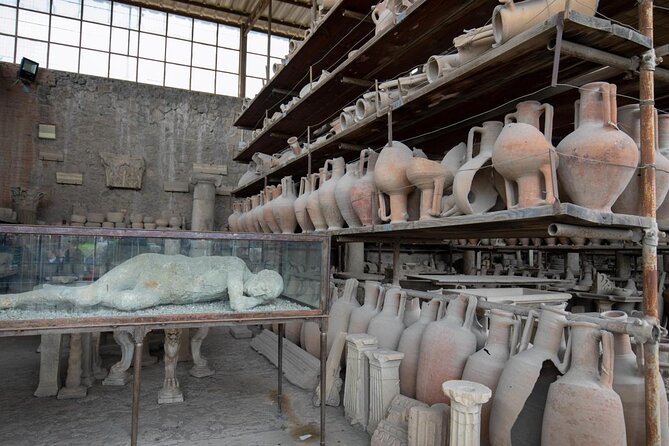
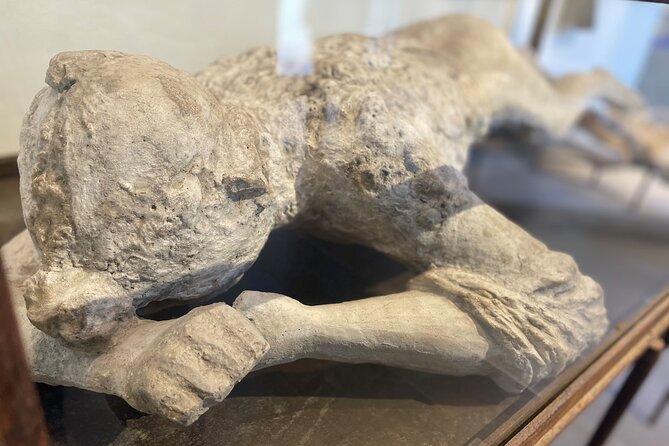
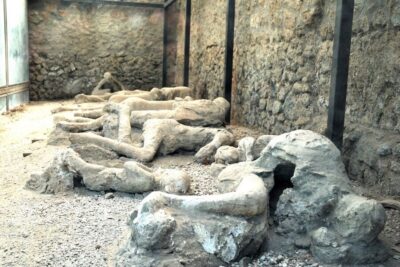
The tour includes the moving molds, which are likely best understood as special preserved elements—molds/casts that help convey what happened. Even if you’ve seen photos before, seeing these on-site with a knowledgeable guide tends to make the story hit harder and feel more specific. It’s one of those moments where context matters: what you’re seeing is visual, but the meaning is interpretive.
What to look for: the guide’s explanation of what the molds show and how they contribute to understanding the event.
How to get the most out of a 2-hour guided Pompeii visit
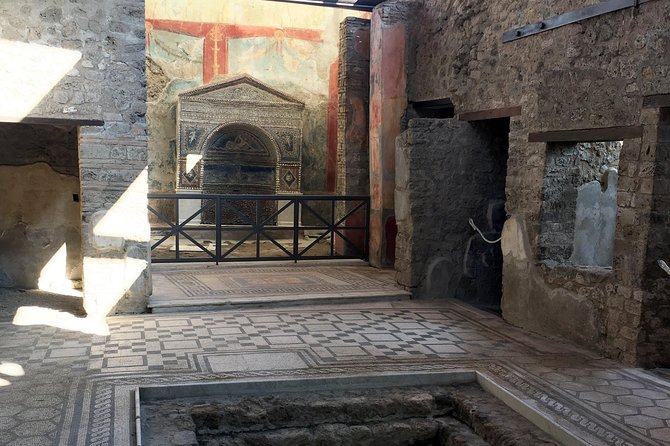
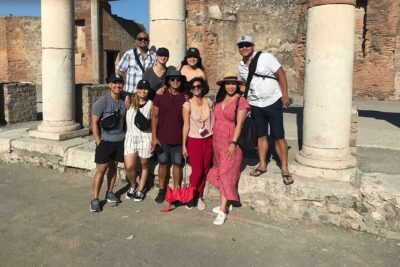
Short tours can go one of two ways: either they feel like a fast checklist or they feel like a focused story. This one is built to do the second. The small group size (12 maximum) and the archaeologist leadership help the pacing feel intentional.
Here’s how I’d approach it as your game plan:
- Let the guide set your priorities. If Luca or another archaeologist is pointing something out, that’s usually the “why” part you’d miss.
- Use the stop transitions. When you move from a house to shops to baths, you’re getting a mental map of Roman life. Pay attention to that shift.
- Don’t try to memorize everything. You won’t. Aim to leave with a clear sense of how Romans lived: home life, work life, leisure, and public gatherings.
Also, if you love archaeology, the value here is not just the famous buildings—it’s the chance to connect details to explanations. That’s why an expert guide matters so much in a place where the ruins are easy to misunderstand.
Photography and comfort tips for Pompeii in real conditions
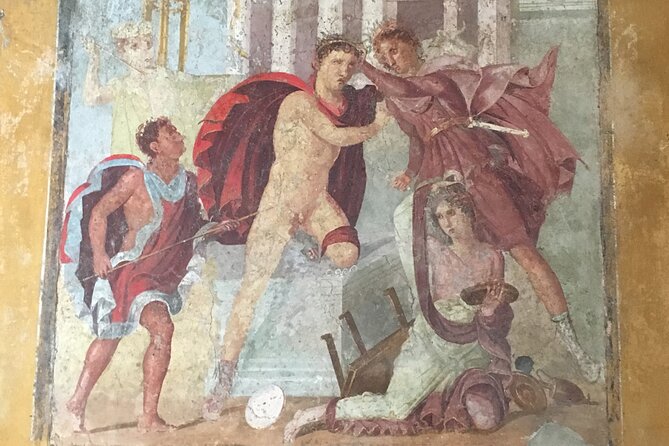
Even if you’re not a pro, Pompeii rewards patience and timing. Since the tour is designed to avoid the heat and crowds, you’re more likely to have the energy to stop and frame shots instead of rushing through every photo opportunity.
For better results:
- Bring a camera strap or secure bag. Walking in ruins gets bumpy, and you don’t want to keep adjusting stuff.
- Wear footwear you trust. Uneven stone is the main challenge in Pompeii; it’s not about being athletic, it’s about staying steady.
- Plan for shade breaks mentally. The afternoon timing helps, but the sun can still pop out. Use the guide’s pauses to cool down and reframe.
And yes, late-day light helps. The tour is built around that idea, so your photos should benefit without you needing to fight for the best time window.
Small group value: is this worth $66.09?
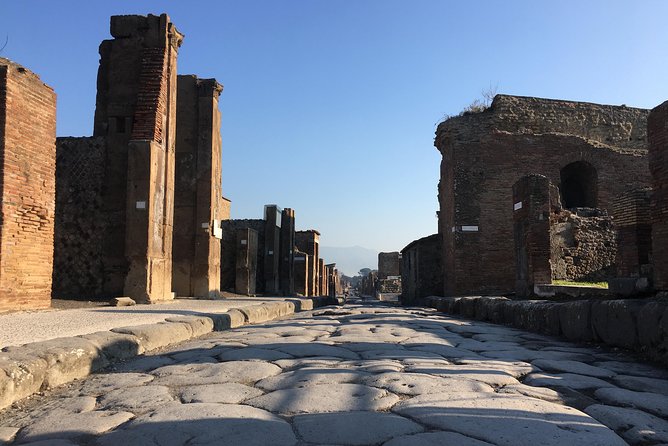
At $66.09 per person for about two hours, the value comes from two things working together: you get an archaeologist-led tour plus an Express entrance ticket. Entrance tickets can eat time and energy, and the “express” part helps keep your hour count more focused on the site.
Is it cheap? Pompeii tours vary a lot, but this feels priced for what you actually need if you want to understand Pompeii without spending a full day. You’re paying for efficiency and expertise.
It’s also not trying to sell you a full-day plan you won’t enjoy in the heat. If you’re visiting in the afternoon and you want high-quality context, this fits the moment.
Note: lunch is not included, so plan a meal outside the tour window.
Who this Pompeii tour suits best (and who might want something else)
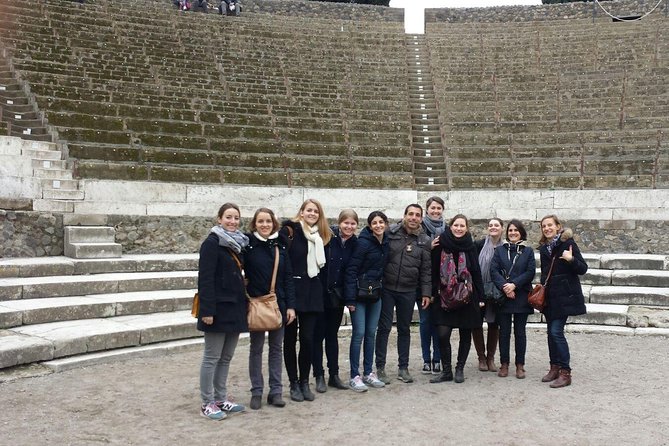
This experience is recommended for families, photography enthusiasts, and lovers of archeology. The small group format helps with kids and with anyone who doesn’t want to constantly push through crowds.
It’s also a great fit if:
- you want a guided route with real explanations
- you only have a couple hours in Pompeii
- you’d rather avoid peak heat and dense crowds
It might be less ideal if:
- you want a long, slow, highly detailed exploration of one area only
- you don’t like walking or you need extended downtime between stops
In short: it’s a “best of Pompeii with context” style tour.
Good to know before you go (weather and pacing)
This tour requires good weather. If conditions are poor, you’ll be offered a different date or a full refund. It also has a minimum number of travelers, so if the group doesn’t meet that threshold, you’ll be offered another option or a refund.
On the ground, remember the pacing. You’re covering several key areas in about two hours, which means the guide will keep moving. If you prefer linger-and-stare time, you may need to add extra independent time after the tour.
Should you book this Pompeii with an archaeologist small-group tour?
If you want Pompeii to feel understandable instead of just impressive, I’d book this. The small group keeps it manageable, and the archaeologist makes the ruins click—especially for the daily-life stops like the house details, shops, and thermal baths. The late-afternoon timing is practical travel sense, and it should improve both comfort and photos.
Skip it only if you know you need a long, relaxed walk with lots of breathing room. For a focused, expert-led visit around two hours, this is a smart value choice.
FAQ
How long is the Pompeii tour?
The tour is approximately 2 hours.
What is the price per person?
The price is $66.09 per person.
Is the tour in English?
Yes, the tour is offered in English.
How big is the group?
The tour is a small group with a maximum of 12 travelers.
What’s included in the price?
It includes a small group tour with an archaeologist and a Pompeii Express entrance ticket.
What is the meeting point?
Meet at Ristorante Suisse, Piazza Esedra, 10/13, 80045 Pompei NA, Italy.
Where does the tour end?
It ends back at the meeting point.
Is lunch included?
No, lunch is not included.
When will I receive confirmation after booking?
Confirmation is received within 48 hours of booking, subject to availability.
What happens if the weather is bad?
This tour requires good weather. If it’s canceled due to poor weather, you’ll be offered a different date or a full refund.
More Tour Reviews in Pompeii



More Pompeii Tours to Compare
More Pompeii tours, freshly reviewed



Pompeii Tours, compared.
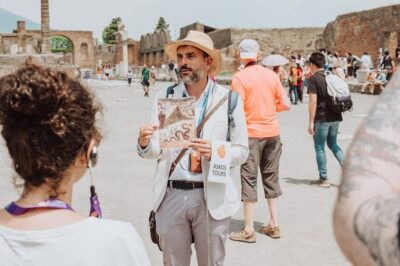 ★ 4.8Pompeii: Entry Ticket and Guided Tour with an ArchaeologistFrom $3519,459 reviews
 ★ 4.1Pompeii: Entry Ticket with Audio GuideFrom $4013,491 reviews
 ★ 4.8Pompeii: Small Group Tour with an ArchaeologistFrom $4012,264 reviews
 ★ 4.3Pompeii Ruins & Mount Vesuvius Day TourFrom $12011,459 reviews
★ 5.0Pompeii Small Group Tour with an ArchaeologistFrom $356,593 reviews
★ 4.3Pompeii Ruins & Mount Vesuvius Day TourFrom $12011,459 reviews
★ 5.0Pompeii Small Group Tour with an ArchaeologistFrom $356,593 reviews
 ★ 4.5Skip-the-line Pompeii – Small Group TourFrom $544,401 reviews
 ★ 4.6Naples or Sorrento: Full-Day Pompeii and Mount Vesuvius TourFrom $1044,235 reviews
 ★ 3.9Pompeii: Skip-the-line Entry Ticket with Audio Guide & MapFrom $433,153 reviews