
Review · POMPEII TOURS
Pompeii Ruins 2-Hours Guided Tour and priority entry ticket
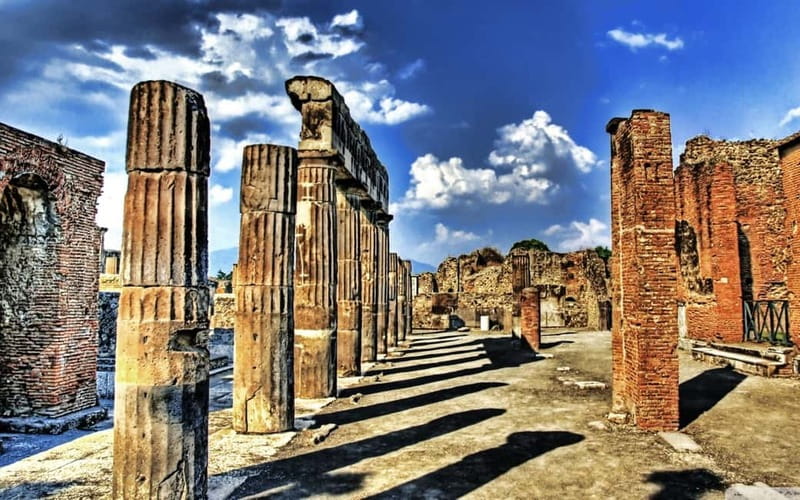
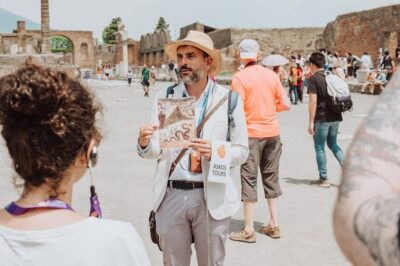
Ash froze a whole city. Pompeii is one of the rare places where the past feels physical, and a tight 2-hour guided route helps you see the key areas without wasting time. You’ll learn how the city survived as a ruin for centuries, then came back into focus after modern excavations.
I especially like how this tour turns walking paths into a story. You get a clear explanation of daily life right alongside the big tragedy of Vesuvius’ eruption in 79 AD, including body casts that make the danger feel immediate. I also love the practical focus on what you can still see—mosaics, frescoes, and even cooking utensils.
One consideration: it’s a shared tour, so the group pace and timing can feel a bit more “schedule-driven” than a private visit, and you may have a short moment of admin around ticketing and audio setup.
In This Review
- Key moments to look for
- Why a 2-hour Pompeii guide is the smart play
- Meeting at Tempio Travel and priority entry basics
- Via Villa dei Misteri: starting where the town really feels close
- The core walking route: Forum, theaters, villas, and baths
- The theaters
- Villas and private spaces
- Public baths
- Termopolia: the Roman snack bar you can practically taste
- Mosaics and frescoes: the decoration that still survives
- The bakery stop and cooking utensils still on display
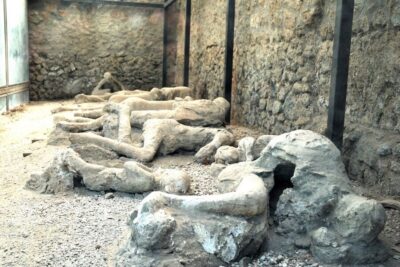
- Body casts: feeling 79 AD in human scale
- After the 2-hour guide: use your free time strategically
- Price and value: is $38 a fair deal for 2 hours?
- Who this tour suits best (and who should think twice)
- Practical tips for a smoother Pompeii visit
- Should you book this Pompeii Ruins guided tour?
- FAQ
- How long is the guided tour?
- Where is the meeting point?
- What language is the live guide available in?
- Is priority entry or skip-the-line access included?
- Is there audio equipment?
- Can I explore the site after the guided portion?
Key moments to look for
- Priority entry so you spend more time inside the ruins and less time waiting
- Body casts that put 79 AD in human scale, not just dates
- Termopolia (Roman snack bars) that help you picture everyday street life
- Mosaics and frescoes that show how colorful and decorated Pompeii really was
- Bakery details where cooking utensils are still displayed
- Freedom to roam after the 2-hour tour, so you can loop back for photos
Which Pompeii ticket and guide? Compare a few more.
- Pompeii: Entry Ticket and Guided Tour with an Archaeologist★ 4.8 · 19,459 reviews
- Pompeii: Small Group Tour with an Archaeologist★ 4.8 · 12,264 reviews
- Pompeii: Skip-the-line Entry Ticket with Audio Guide & Map★ 3.9 · 3,153 reviews
- Naples: Pompeii and Mt. Vesuvius with Lunch and Wine Tasting★ 4.5 · 2,454 reviews
Why a 2-hour Pompeii guide is the smart play
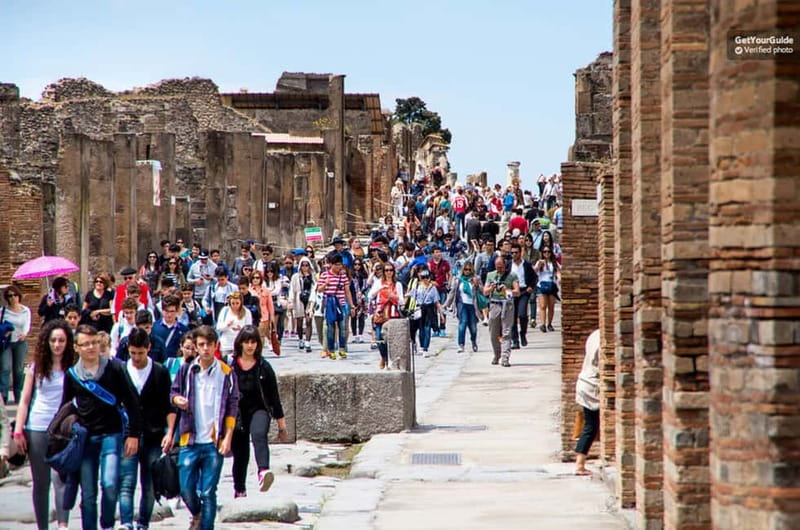
Pompeii is spread out, and once you’re inside, it’s easy to lose track of what you’re looking at. A guide route matters here because the “best stuff” isn’t always obvious from the ground level. In two hours, you’ll get oriented fast and see the areas most connected to daily Roman life.
This tour is built around turning ruins into context. You’ll connect major public spaces (like theaters and the Forum) with smaller, lived-in details (like kitchens, mosaics, and street-level food counters). That balance is what makes Pompeii feel less like a museum and more like a real town you can almost hear.
Meeting at Tempio Travel and priority entry basics
You meet at the Tempio Travel Office in the Pompeii Circumvesuviana station (first floor). Plan to arrive at least 15 minutes early so you have time to check in and get settled before the group moves.
The big time-saver is the skip-the-ticket line / priority entry component tied to this tour. It doesn’t change the fact that Pompeii is large, but it protects your first minutes inside the site—when you want to start walking, not standing in a queue.
Audio support is also part of the experience. Headsets are provided for groups of 16 or more, and the tour runs in English and Italian. If you’re traveling in a smaller group size, you might not get headsets, so bring a good listening attitude either way.
Via Villa dei Misteri: starting where the town really feels close
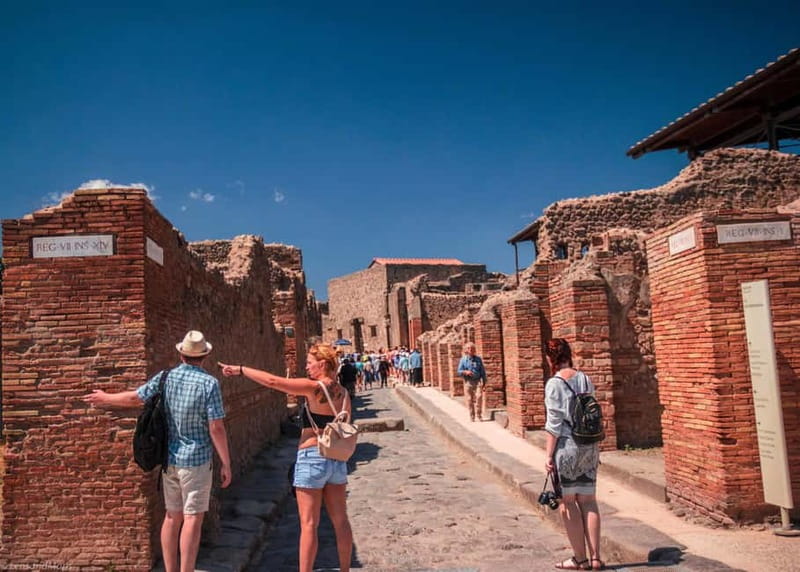
The tour begins at Via Villa dei Misteri, 1. That matters because Pompeii isn’t just “a bunch of buildings”—it’s a grid of streets and public-and-private spaces. Starting from the right point helps you orient yourself quickly.
From the beginning, the guide approach is what makes the walking work. You’re not just moving between ruins; you’re learning how the Roman Republic-era town functioned, and how the eruption froze it in place. It’s an unusual mix: you’re touring a UNESCO site while also hearing about a catastrophe that shaped the whole world’s imagination of Pompeii.
The core walking route: Forum, theaters, villas, and baths
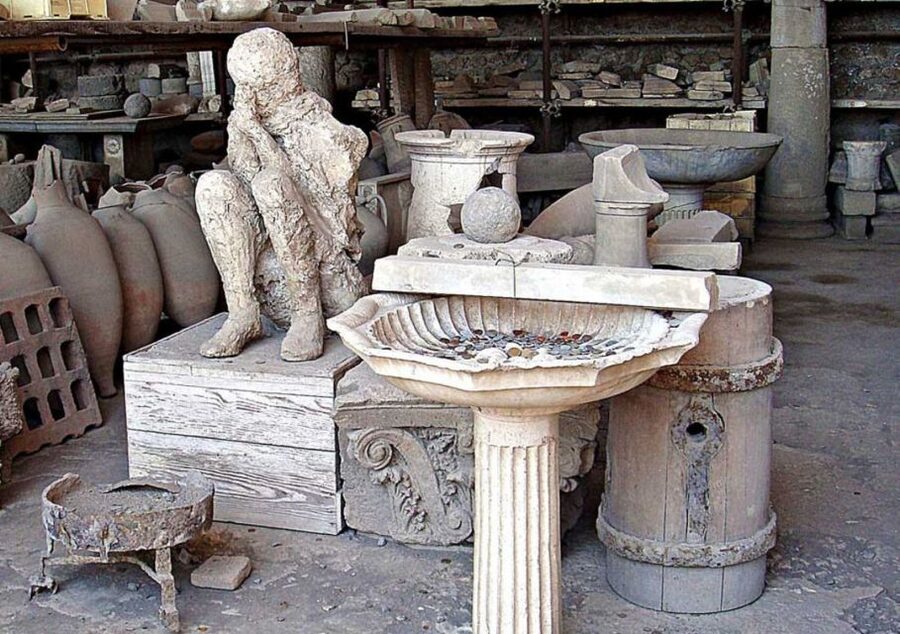
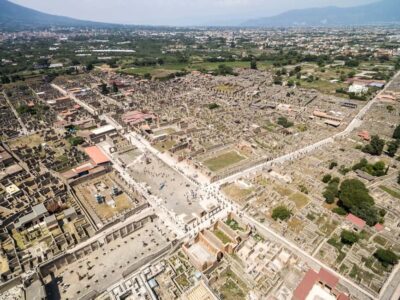
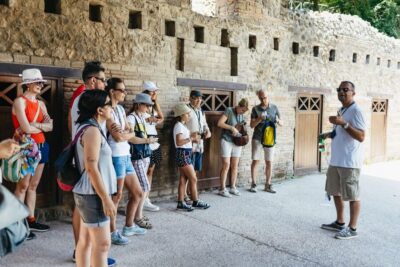
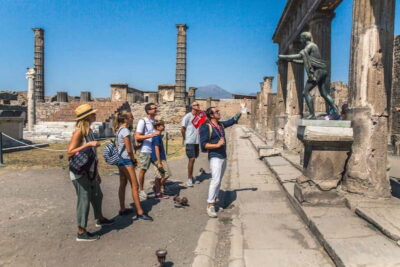
You’ll navigate the ruins with the guide leading the way through the most significant areas. Expect a route that includes major town elements like the theaters, famous villas, public baths, and the Forum.
Here’s why that sequence is useful. Pompeii can overwhelm you if you start with random houses or random street corners. But the major public spaces give you a framework—how people gathered, ate, worked out, watched performances, and discussed politics—so the smaller details you see later land with more meaning.
Other tickets and entries for Pompei Campania
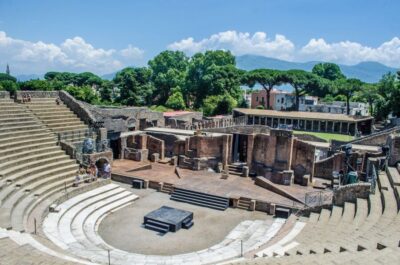


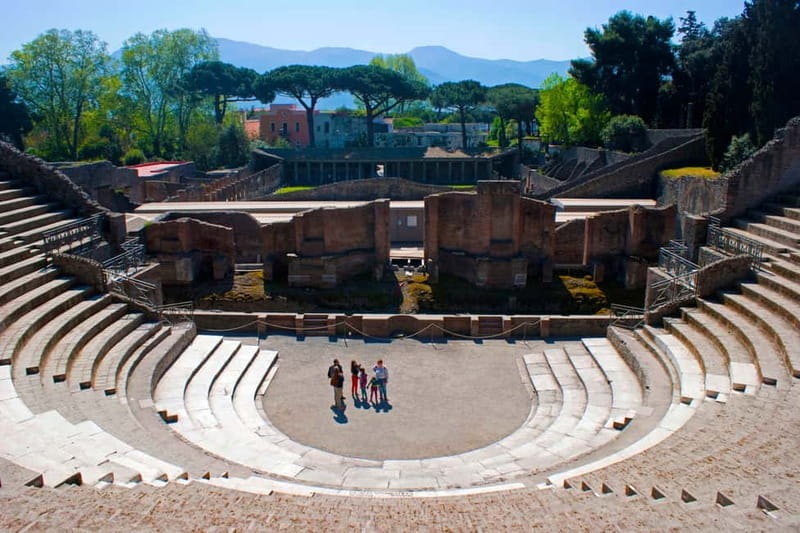
The theaters
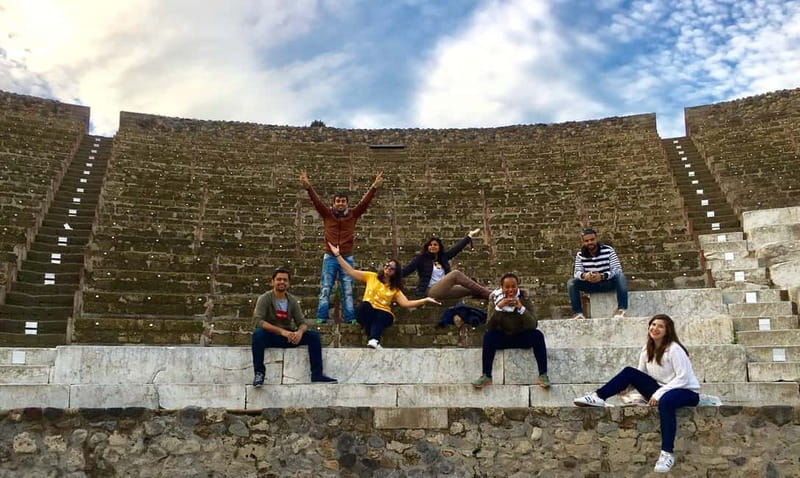
The theaters help you understand Pompeii as a social town, not just a collection of homes. You’ll get a sense of how performances and public events fit into daily routines.
Villas and private spaces
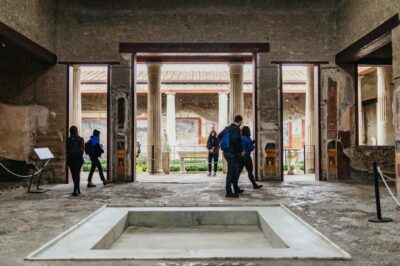
Villas and homes add the “what did life look like at home?” layer. Even when roofs are gone, the layout and decorative choices help you picture how people used these rooms.
Public baths
Baths are where you really feel Roman habits: routines, cleanliness, socializing, and daily leisure. They’re also a good reminder that Pompeii was not a quiet place—life moved through these spaces every day.
Termopolia: the Roman snack bar you can practically taste
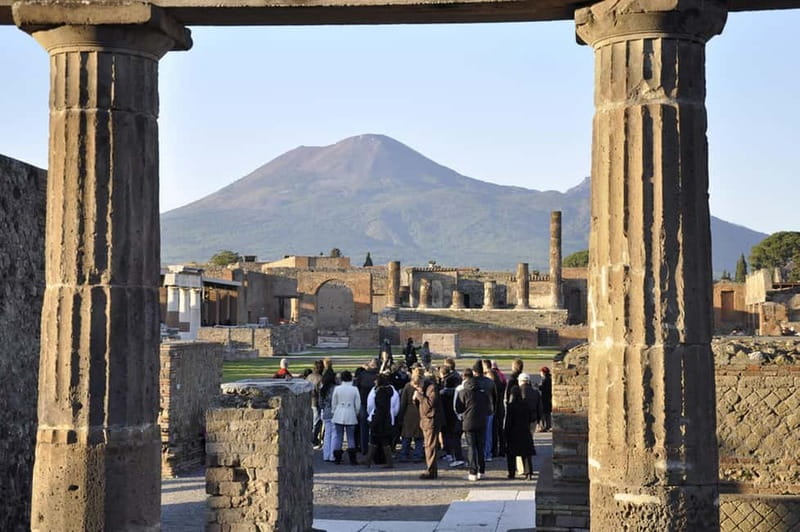
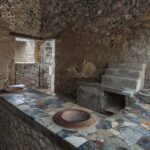
One stop you should look forward to is the termopolia. These were essentially Roman street-level food counters, and seeing one helps you imagine what people grabbed quickly while moving through town.
This is where the tour’s strength shows: the guide doesn’t leave you with big-event history only. You’ll connect the volcanic disaster to what came right before it—the ordinary rhythms of people buying and eating food in a city that was active and crowded.
If you enjoy “how people lived” details—food, routines, small objects—this is one of the most satisfying sections of the route.
Mosaics and frescoes: the decoration that still survives
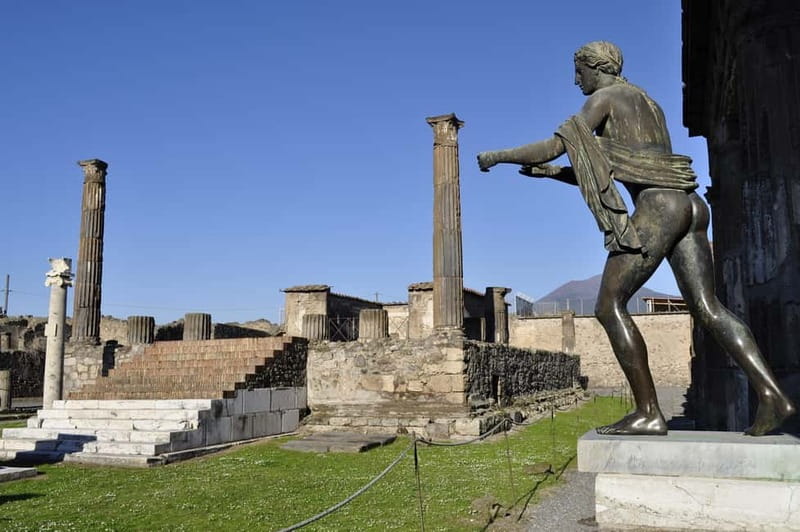
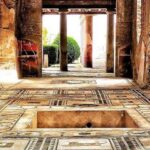
Pompeii’s visual punch comes from how much survived. During this tour, you’ll see remarkably well preserved mosaics and frescoes—the kind of art that makes you stop and look harder than you expected.
Why this matters for value: mosaics and frescoes aren’t just pretty extras. They signal taste, wealth, and identity. Even if you’re not an art person, the placement and design choices help you understand social status and daily aesthetics.
The tour keeps this concrete by pairing the artwork with context about the spaces where it was used. You don’t just stare at images—you learn what those rooms represented in the town’s everyday life.
The bakery stop and cooking utensils still on display
Another highlight is a bakery, including cooking utensils still on display. This is one of those details that makes Pompeii feel stubbornly real. You’re not looking at a generic ruin; you’re looking at objects that belonged to a working kitchen world.
For many visitors, this is the moment Pompeii shifts from “sad story” to “life story.” It’s easier to respect the scale of what was lost when you can see tools used for real work.
If you like hands-on history—everyday objects, production, and routines—this bakery segment is a strong payoff for the time you spend.
Body casts: feeling 79 AD in human scale
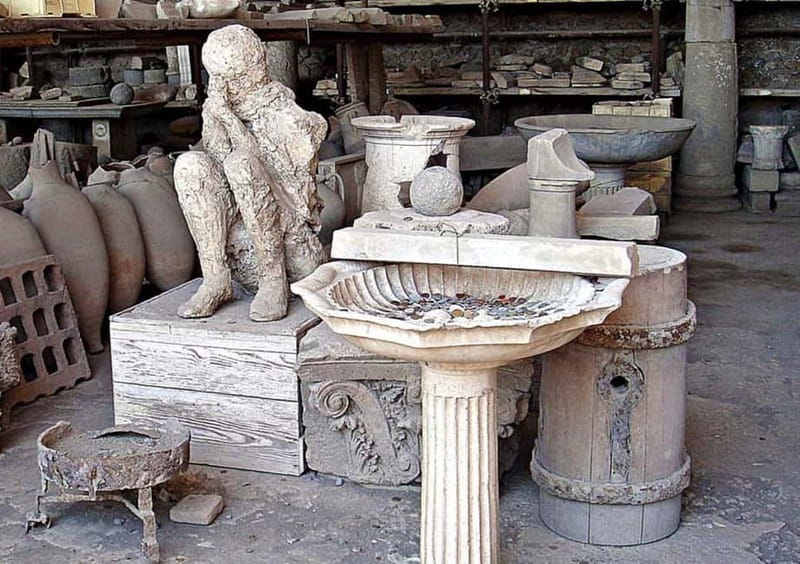
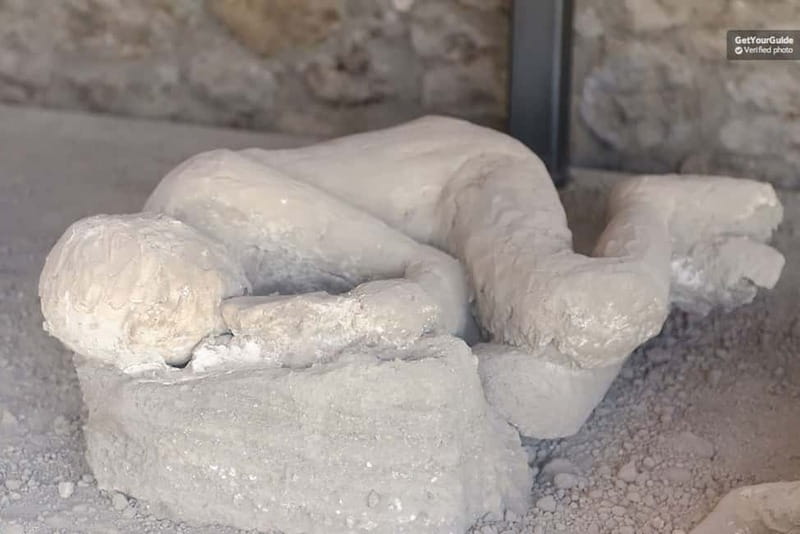
The tour builds toward the emotional center through the stories of the eruption and what happened next. You’ll see body casts of citizens, preserved in a way that communicates the terror without needing dramatic explanations.
It’s not comfortable, but it’s meaningful. Pompeii isn’t only famous for ruins—it’s famous because the city’s final moments were documented by ash and preserved remains. This portion turns a tragedy into something you can understand as real people, not just a historical event.
Plan for a pause here. The material can be heavy, and the best tours give you time to process rather than rush you through it.
After the 2-hour guide: use your free time strategically
Once the guided portion ends, you’ll have freedom to explore the archaeological site on your own. This is where you can turn what you learned into personal wandering.
Here’s how I’d use it: go back toward whatever stop grabbed you most. If mosaics were your favorite, loop through more decorative spaces nearby. If the termopolia made you curious about street life, look for more street-level details and smaller corners the guide didn’t fully linger on.
Even with a map, Pompeii can still feel like a puzzle. The guide helps you set the pieces, and your free time lets you choose the version of Pompeii you want—art-focused, daily-life focused, or public-space focused.
Price and value: is $38 a fair deal for 2 hours?
At $38 per person for a 2-hour guided tour with priority entry, the value comes from three practical things:
- You save time with a skip-the-line approach.
- You get a guide who connects the big eruption story to specific, walkable sites.
- You leave with orientation, then keep time to explore on your own afterward.
For Pompeii, that mix matters. If you arrive without a plan, you often spend the first chunk of your visit trying to figure out where you even are and what you should prioritize. This tour pays for that decision-making up front, so your visit feels efficient instead of scattered.
It won’t replace a longer, slower day if you want to see everything. But for many travelers, two hours plus self-wandering is a strong way to hit the major highlights without feeling stuck in “tour mode” all day.
Who this tour suits best (and who should think twice)
This tour is a good match if you want:
- A focused overview of Pompeii’s most important spaces within a manageable window
- Clear explanations in English or Italian
- The emotional context of 79 AD through the eruption story and body casts
- Time to wander afterward, rather than being locked into a nonstop schedule
You might want to consider another format if you prefer:
- Total freedom with no group pacing
- A much longer visit focused on deep architectural study (this is a tight 2-hour route)
- A completely private experience, since it’s shared
Practical tips for a smoother Pompeii visit
Comfort matters here. Comfortable shoes are strongly recommended because you’ll be walking on uneven ground and moving between different areas.
If you’re visiting in summer, bring a sun hat and water. Pompeii can feel exposed even when you’re near walls and ruins, and you’ll be outside for most of your tour and afterward.
Finally, give yourself mental room for the emotional segments. The eruption story is part of the tour’s core value, and the body casts are not a “quick look and move on” stop for most people.
Should you book this Pompeii Ruins guided tour?
Book it if you want a strong, efficient Pompeii experience with priority entry, a structured route through major highlights, and a guide who ties daily life to the disaster of 79 AD. The $38 price makes sense when you factor in that you’re not just getting access—you’re buying time saved and context gained.
Skip (or choose a longer option) if your dream visit is slow, quiet, and completely unstructured. Pompeii rewards wandering, but it also punishes confusion, and this tour is designed to prevent that.
If you want to see Pompeii’s most memorable pieces without turning your day into a map puzzle, this is a solid choice.
FAQ
How long is the guided tour?
The guided portion lasts 2 hours.
Where is the meeting point?
You meet at the Tempio Travel office at the Pompeii Circumvesuviana station, on the first floor.
What language is the live guide available in?
The live guide is available in English and Italian.
Is priority entry or skip-the-line access included?
Yes. This tour includes a skip-the-ticket line / priority entry ticket as part of the experience.
Is there audio equipment?
Audio headsets are included for groups of 16 or more.
Can I explore the site after the guided portion?
Yes. After the 2-hour tour, you have freedom to explore the archaeological site on your own.
More Tours in Pompei Campania




More Tour Reviews in Pompei Campania


More Pompeii Tours to Compare
More Pompei Campania tours, freshly reviewed


Pompeii Tours, compared.
 ★ 4.8Pompeii: Entry Ticket and Guided Tour with an ArchaeologistFrom $3519,459 reviews
 ★ 4.1Pompeii: Entry Ticket with Audio GuideFrom $4013,491 reviews
 ★ 4.8Pompeii: Small Group Tour with an ArchaeologistFrom $4012,264 reviews
 ★ 4.3Pompeii Ruins & Mount Vesuvius Day TourFrom $12011,459 reviews
★ 5.0Pompeii Small Group Tour with an ArchaeologistFrom $356,593 reviews
★ 4.3Pompeii Ruins & Mount Vesuvius Day TourFrom $12011,459 reviews
★ 5.0Pompeii Small Group Tour with an ArchaeologistFrom $356,593 reviews
 ★ 4.5Skip-the-line Pompeii – Small Group TourFrom $544,401 reviews
 ★ 4.6Naples or Sorrento: Full-Day Pompeii and Mount Vesuvius TourFrom $1044,235 reviews
 ★ 3.9Pompeii: Skip-the-line Entry Ticket with Audio Guide & MapFrom $433,153 reviews