
Review · POMPEII TOURS
Pompeii: living with the volcano
One day before the eruption, Pompeii comes alive. This private, English-guided tour follows the streets, homes, and public spaces of Pompeii with a clear story line: what daily life felt like just before Vesuvius changed everything. The guide service drives the experience, so you’re not just staring at walls.
I especially like how the tour turns major sights into everyday moments: the theater and amphitheater make gladiator culture easier to picture, and the stops for food and wealthy homes give you a real sense of social life. The Pompeii-for-a-reason details also add meaning to what you see, like reading the names tied to civic offices and elections.
The main drawback to plan for is physical pacing and terrain. The tour runs in the Archaeological Park, and the roads there are not recommended for visitors with mobility difficulties, so it may feel like too much if you’re limited.
In This Review
- Key reasons this Pompeii walk works
- Pompeii in 2 hours: what you really get
- Meeting point and timing at the Archaeological Park
- Stop at the Archaeological Park: walking as a Pompeian
- Theater and amphitheater: understanding gladiator culture
- Eating in 1st-century Pompeii: takeaway vs luxury domus life
- Elections and inscriptions: reading street-level politics
- Spa time and the civil forum square
- How Michele Arpa brings Pompeii into focus
- Price and value: $33.36 plus your Pompeii ticket
- Logistics that can affect your comfort
- Who this Pompeii tour suits best (and who should think twice)
- Should you book? My practical take
- FAQ
- How long is the Pompeii: living with the volcano tour?
- Is the Pompeii admission ticket included in the price?
- Is this tour private?
- What language is the tour offered in?
- Where does the tour start and end?
- What are the tour hours?
- What is the cancellation policy?
Key reasons this Pompeii walk works
- A clear one-day-before narrative that makes the ruins feel timed, not random
- The theater and amphitheater focus helps you understand gladiator spectacle in context
- Everyday-life stops like eating areas, domus homes, and the spa bring daily routines into view
- Wall inscriptions and elections help you connect politics to street-level life
- A guide who makes it intimate: Michele Arpa has a reputation for turning Pompeii into something you can actually picture
- Private group format so the pacing and questions stay in your lane
Which Pompeii ticket and guide? Compare a few more.
- Pompeii Small Group Tour with an Archaeologist★ 5.0 · 6,593 reviews
- Discover the Ancient Ruins of Pompeii: Day Trip from Rome★ 3.5 · 2,247 reviews
- Pompeii and Herculaneum Small Group Tour with an Archaeologist★ 5.0 · 1,350 reviews
- Skip the Line Guided Tour of Pompeii led by an Archaeologist★ 5.0 · 703 reviews
Pompeii in 2 hours: what you really get
Two hours can sound short for Pompeii, but this is not a “see everything” plan. You’re choosing depth over distance. The big win here is the way the tour strings major locations into one coherent timeline, centered on the idea of living in Pompeii just one day before the eruption of 79 AD.
You’ll spend time walking through the Archaeological Park and moving between the kinds of places that defined daily life: public entertainment, private residences, civic spaces, and the more personal rhythm of bathing and unwinding. The guide keeps you oriented, so you don’t have to figure out the story alone.
One important practical point: entrance tickets are not included. The tour price covers the guide service, and you should budget separately for admission to the site. If you arrive without a ticket, you’ll lose time—so plan that in advance.
Meeting point and timing at the Archaeological Park
Your tour starts at the Archaeological Park of Pompeii, 80045 Pompei, Metropolitan City of Naples, Italy, and it ends back at the meeting point. The posted hours for the activity window are 9:30 AM to 11:30 AM, Monday through Sunday.
Because this is a private tour/activity, you won’t be blended into a large group with a fixed herd pace. That matters at Pompeii, where lines, route choices, and crowded spaces can turn a good plan into a slow one.
If you’re staying in Naples, here’s a helpful detail from real-world logistics: Michele Arpa has met people at the Naples train station and rode together to Pompeii, which can make navigation and timing easier. Your confirmation will clarify exactly what applies to your booking, but it’s a pattern worth considering if you want less stress on the day.
Stop at the Archaeological Park: walking as a Pompeian
The tour frames Pompeii like a living city, viewed through the mindset of residents in the last frantic hours. Instead of treating the ruins like museum objects, you’re guided through them like you’re moving through normal routines—streets, shops, and public spaces—except the story has a built-in sense of urgency.
That “one day before” setup changes how the park feels. Without it, Pompeii can look like disconnected sections of stone and faded paint. With it, the same surfaces start carrying human routines and human priorities: where people went, what they did, who they mingled with, and where civic life showed up.
This also helps with comprehension. When the guide ties a space to a role—entertainment, daily commerce, government, bathing—you tend to remember it. You see more than you would on a quick self-walk.
Theater and amphitheater: understanding gladiator culture
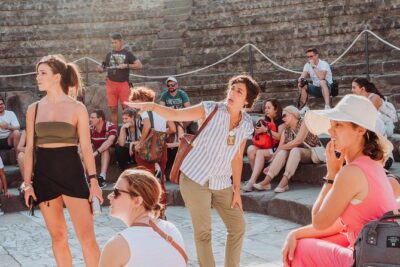
One of the most memorable parts of this tour is the focus on the theater and the amphitheater, including the idea of enjoying the acrid taste of brutal gladiator fights. That phrasing may sound dramatic, but the point is simple: the guide doesn’t let you treat gladiators as just a topic from textbooks.
You’ll get help picturing the scale and the crowd energy, plus why this kind of entertainment mattered in Roman life. Pompeii wasn’t some backwater—this was a thriving city with a strong taste for public spectacle.
A practical note: amphitheaters and major performance spaces can involve uneven ground and lots of walking within the park. If your mobility is limited, keep that in mind since the tour isn’t marketed for mobility difficulties.

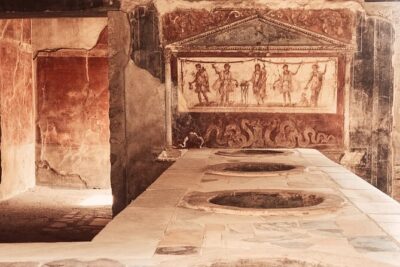
Eating in 1st-century Pompeii: takeaway vs luxury domus life

Pompeii’s housing and food culture can feel surprisingly modern once you’re shown how it worked. You’ll have a couple of contrasts in your head by the end of this section:
- eating with Pompeians in a more everyday, take-away style setting tied to the 1st century BC
- visiting how the richest residents lived inside a luxurious domus
This isn’t just a “look at fancy rooms” moment. It’s a social lens. The contrast between ordinary needs and elite comforts shows you how status operated in daily routines. It also helps you understand why certain neighborhoods, rooms, and features mattered to different people.
If you’re someone who likes to travel by how people lived—not just what rulers did—this is one of the smartest segments in the tour.
Elections and inscriptions: reading street-level politics
Another standout is the way the tour uses walls and inscriptions to connect you to civic life. You’ll read about the names of the candidates for magistrates’ elections, and that’s where Pompeii gets especially interesting.
Elections sound abstract until you see them tied to public space. When candidates’ names are part of the street world, politics stops being a distant process and becomes something you’d actually notice on your way through daily life.
This is also where a strong guide makes a real difference. Knowing what you’re looking at—and why it mattered—turns “faded marks” into real information.
Spa time and the civil forum square
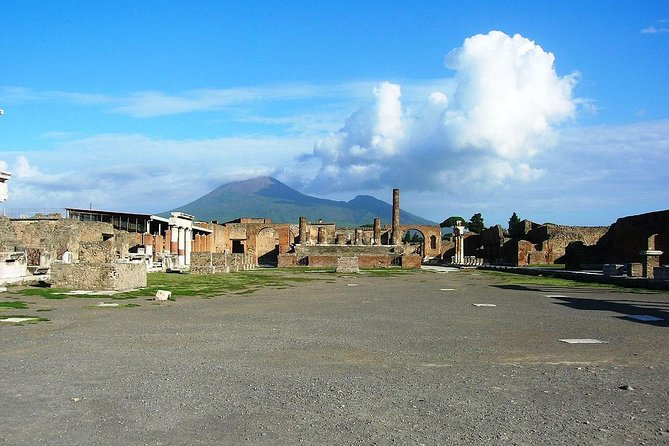
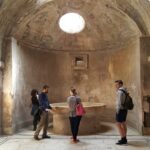
After all the public intensity, you’ll get a breather with a stop for relaxation at the spa. Even if you only remember one thing from that moment, it should be this: Romans thought about bathing and bodily care as part of regular life, not as a special event. That makes Pompeii feel less like a “disaster site” and more like a complete society with routines.
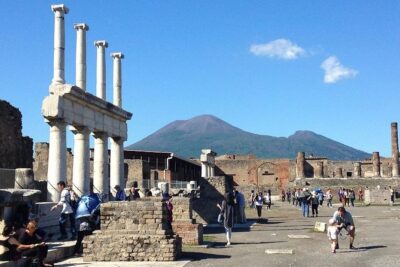
Then comes the splendid square of the civil forum—a space tied to civic meaning and the public face of the city. This is the sort of location where you can connect the dots between entertainment, everyday commerce, private living, and the business of the state.
The best part of ending in civic space is emotional balance. You’ve been living through the story, not just bouncing between highlights, so the forum feels like the logical next chapter.
How Michele Arpa brings Pompeii into focus
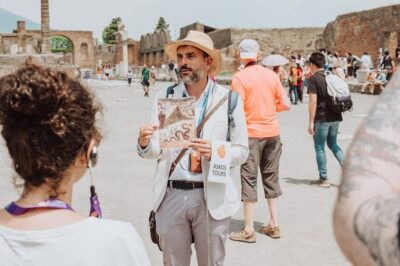
The consistent praise around this experience centers on the guide. Michele Arpa is described as warm, organized, and genuinely passionate about Pompeii, with English skills that keep the explanations clear. More than that, people report that he makes the ruins feel personal—like you’re walking beside someone who actually cares about what you’re seeing.
A couple of practical strengths come up in the feedback:
- he helps make Pompeii’s meanings and symbols easier to grasp
- he keeps the route intimate, not chaotic
- he’s mindful about access issues inside the park and can adjust when areas are restricted
There’s also a detail that stands out for travelers who worry about logistics: Michele has helped people who didn’t speak Italian deal with a parking ticket online while traveling in Tuscany. That doesn’t affect the Pompeii story directly, but it speaks to a larger theme—he tries to solve problems, not just give facts and vanish.
If you want a guided experience that feels like conversation plus smart direction, this style fits well.
Price and value: $33.36 plus your Pompeii ticket
At $33.36 per person for about 2 hours, the structure is pretty straightforward: you’re paying for a guide and a private, story-driven route through Pompeii. Since admission tickets are not included, your total cost will depend on what you pay for entry to the Archaeological Park.
So is it good value? It tends to be, especially if:
- you want a guide to handle the interpretation
- you prefer a smaller group experience rather than a crowd pace
- you’re visiting only once and want Pompeii to make sense quickly
It’s less ideal if you’re the type who loves wandering without structure and you already know Pompeii well. In that case, a self-guided visit might feel more efficient.
Logistics that can affect your comfort
This tour expects moderate physical fitness and notes that, due to the particular state of the roads, it is not recommended for visitors with mobility difficulties. That’s the key accessibility warning from the provided information.
On timing, the tour window is 9:30 AM to 11:30 AM every day listed, which helps you avoid late-day crowds and heat—but still, Pompeii is a walking experience. Wear shoes you trust on uneven surfaces and plan to take your time where you can.
The meeting point is near public transportation, which is good if you’re trying to keep the day simple.
One more detail: this is offered in English, and service animals are allowed.
Who this Pompeii tour suits best (and who should think twice)
This is a strong fit if you want your Pompeii visit to feel human. The guide’s approach—turning streets, homes, and public places into a day-in-the-life narrative—works well for:
- first-time Pompeii visitors who want context fast
- people who enjoy social history (food, housing, politics, public life)
- anyone who likes learning through stories rather than isolated facts
It’s less of a fit if:
- you need a mobility-friendly route (the roads are specifically called out as a concern)
- you want more time to roam slowly without a set sequence
- you’re not interested in interpretation and prefer a self-walk
Should you book? My practical take
If you’re choosing between a quick self-guided visit and a guided route, I’d lean toward booking this one when your goal is meaning. The tour’s structure—gladiator entertainment, everyday food contrasts, civic elections, bathing, and then the forum—maps the city into a story you can remember.
Booking also makes sense because the guide experience seems to be the main differentiator. Michele Arpa has a strong track record of turning Pompeii into something you can picture, and that’s what most people end up valuing after the initial shock of the ruins wears off.
Just make sure you handle the basics ahead of time: confirm your start location, bring your Pompeii entrance ticket plan (since tickets aren’t included), and be honest about your comfort with walking and park surfaces.
FAQ
How long is the Pompeii: living with the volcano tour?
The tour lasts about 2 hours.
Is the Pompeii admission ticket included in the price?
No. Entrance tickets to the site are not included, so you’ll need to purchase those separately.
Is this tour private?
Yes. It’s a private tour/activity, meaning only your group participates.
What language is the tour offered in?
The tour is offered in English.
Where does the tour start and end?
It starts at the Archaeological Park of Pompeii (80045 Pompei) and ends back at the same meeting point.
What are the tour hours?
The activity runs within 9:30 AM to 11:30 AM, Monday through Sunday.
What is the cancellation policy?
You can cancel up to 24 hours in advance for a full refund. If you cancel less than 24 hours before the start time, the amount paid is not refunded.
More Tour Reviews in Pompeii



More Pompeii Tours to Compare
More Pompeii tours, freshly reviewed



Pompeii Tours, compared.
 ★ 4.8Pompeii: Entry Ticket and Guided Tour with an ArchaeologistFrom $3519,459 reviews
 ★ 4.1Pompeii: Entry Ticket with Audio GuideFrom $4013,491 reviews
 ★ 4.8Pompeii: Small Group Tour with an ArchaeologistFrom $4012,264 reviews
 ★ 4.3Pompeii Ruins & Mount Vesuvius Day TourFrom $12011,459 reviews
★ 5.0Pompeii Small Group Tour with an ArchaeologistFrom $356,593 reviews
★ 4.3Pompeii Ruins & Mount Vesuvius Day TourFrom $12011,459 reviews
★ 5.0Pompeii Small Group Tour with an ArchaeologistFrom $356,593 reviews
 ★ 4.5Skip-the-line Pompeii – Small Group TourFrom $544,401 reviews
 ★ 4.6Naples or Sorrento: Full-Day Pompeii and Mount Vesuvius TourFrom $1044,235 reviews
 ★ 3.9Pompeii: Skip-the-line Entry Ticket with Audio Guide & MapFrom $433,153 reviews