
Review · POMPEII TOURS
Pompeii & Herculaneum Tour with an archeologist
Two buried cities, one time-stopped lesson.
This tour of Pompeii and Herculaneum is interesting because you walk the streets and buildings that were sealed by the AD 79 Vesuvius eruption, with an archaeologist guiding what you’re really seeing. I love the way the Pompeii Forum sets the tone fast, showing how the city worked socially and economically. I also love how Herculaneum’s preservation can make ancient rooms feel suddenly close. One thing to consider: entry tickets are not included, and that matters most if you’re hoping for free entrance on the first Sunday of the month.
You’ll go small group style, limited to 8 people, with a live English guide and a separate entrance that helps you skip the line. The day starts at Coffee Shop Vittoria and ends back there, so you can plan your nap, dinner, and shoe replacement without guessing.
In This Review
- Key Highlights You’ll Care About
- Entering Pompeii: The Forum Tells You Who Ran the Place
- Why Vesuvius Changed Pompeii and Herculaneum Differently
- Herculaneum’s “Jewel” Status: A Holiday Town for the Elite
- Casa del Salone Nero and Casa Sannitica: Why Upper Floors Matter
- Mosaics and Charred Furniture: The Comfort of Details
- Thermal Baths: Roman Leisure, Not Just a Daily Routine
- The 5-Hour Structure: How to Get the Most From Two Big Sites
- Price and Value: $993.72 per Group Up to 8
- Who Should Book This Pompeii and Herculaneum Tour
- Should You Book It
- FAQ
- How long is the Pompeii and Herculaneum tour?
- What group size is this tour?
- What language is the tour guide?
- Where does the tour start and end?
- Are entry tickets included in the price?
- Can I get free entry on the first Sunday of the month?
- Is pickup and drop-off included?
- Are food and drinks included?
- Is the tour wheelchair accessible?
- What’s the cancellation policy?
Key Highlights You’ll Care About
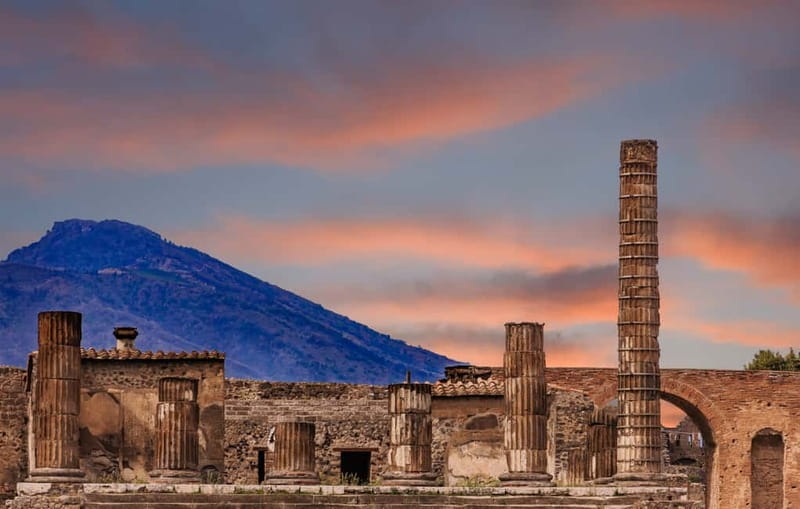
- Pompeii’s Forum focus: the political and commercial heart first, then you fan out into the street grid.
- Herculaneum is better preserved: upper floors of elegant buildings still stand in key homes like Casa del Salone Nero and Casa Sannitica.
- Mosaics and charred furniture: you’ll see artwork and everyday items that look shockingly intact after centuries.
- Thermal baths with preserved decoration: learn how Romans treated bathing as leisure, not just hygiene.
- Skip-the-line entry: a separate entrance helps you get moving instead of waiting.
- Archaeologist-led comparisons: you’ll hear why the same eruption changed the two cities in different ways.
Which Pompeii ticket and guide? Compare a few more.
- Pompeii: Entry Ticket and Guided Tour with an Archaeologist★ 4.8 · 19,459 reviews
- Pompeii: Small Group Tour with an Archaeologist★ 4.8 · 12,264 reviews
- Pompeii: Skip-the-line Entry Ticket with Audio Guide & Map★ 3.9 · 3,153 reviews
- Naples: Pompeii and Mt. Vesuvius with Lunch and Wine Tasting★ 4.5 · 2,454 reviews
Entering Pompeii: The Forum Tells You Who Ran the Place
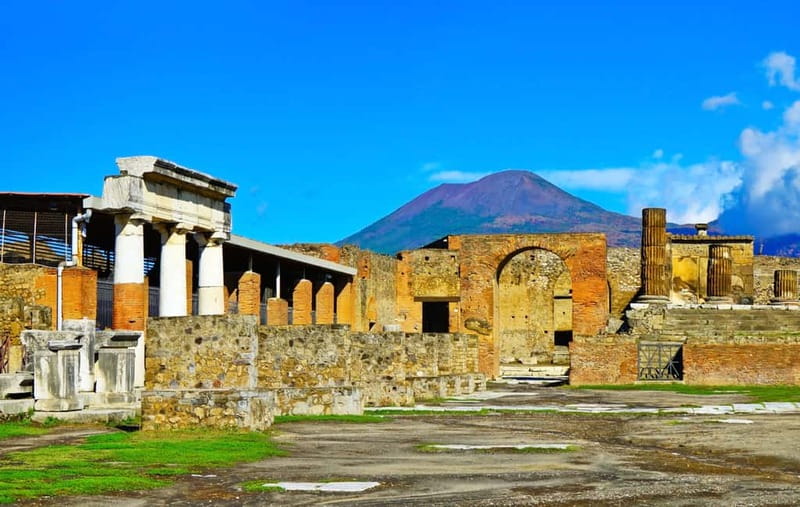
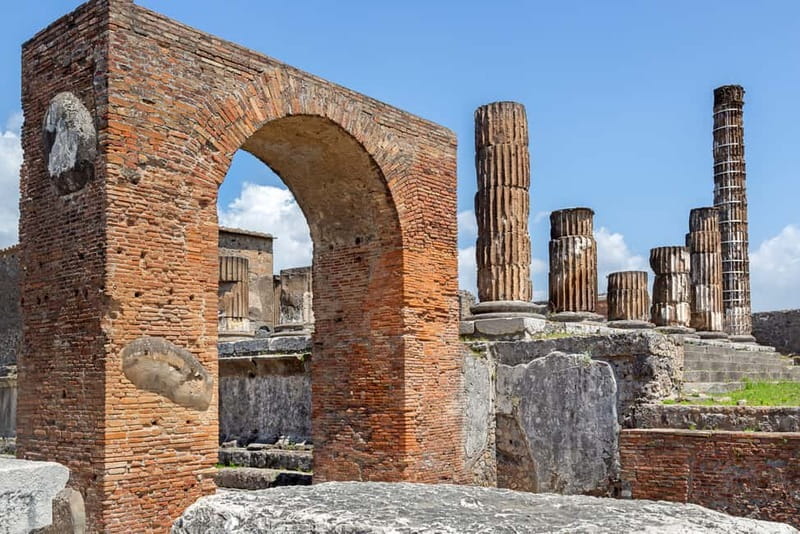
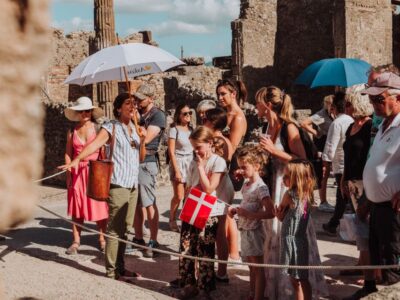
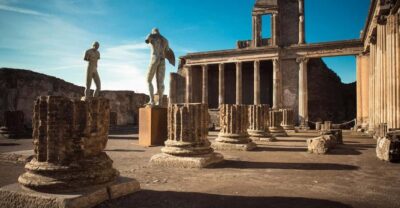
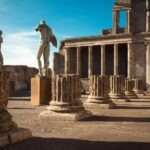
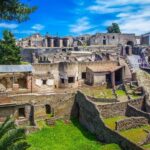
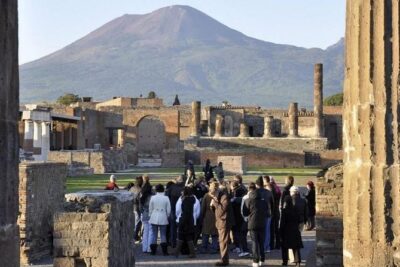
Pompeii hits you right away with the Forum, the city’s center for political life and commerce. Even if you only know the basic “people lived here long ago” idea, this stop makes the place feel organized. The Forum is where decisions were made and where everyday business happened. Standing there, you start to get why Pompeii wasn’t just houses and streets. It was a system.
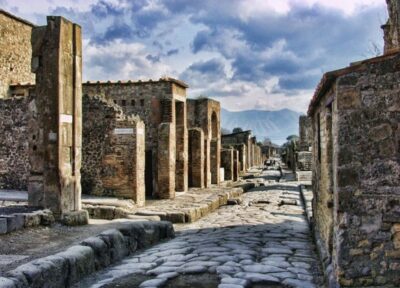
After the Forum, you’ll move through a dense web of streets. That sounds simple, but it’s the right way to understand Pompeii. You’re not just seeing isolated sights. You’re experiencing how the city connects. Your archaeologist guide then helps you translate the layout into real routines: where people might have gathered, how the street network shaped movement, and how the city’s public spaces differed from private life.
Practical angle: in five hours total, Pompeii is where you get context. You’ll see big, central things first, then transition toward the comparisons that make this tour stand out.
Why Vesuvius Changed Pompeii and Herculaneum Differently
Both Pompeii and Herculaneum were buried in AD 79 by the Vesuvius eruption. But the impact wasn’t identical, and this tour uses that fact as the backbone of the experience.
Here’s what you’ll notice as you move from site to site: Herculaneum is better preserved. The data you’ll be shown is concrete. Upper floors of elegant buildings remain standing, and certain kinds of interiors and decorations survive in a way that feels almost unfair. That contrast is the heart of why this tour is worth paying for a specialist guide. You’re not only learning that two cities were affected. You’re learning how the differences show up in what you can still see.
This is also where an archaeologist guide earns their keep. The explanation connects the visible evidence on the ground to what it likely meant for the people living there. It’s not just dates and names. It’s interpretation you can verify by looking at the structures in front of you.
If you like learning that changes how you look at ruins, this is the part you’ll end up remembering later.
Herculaneum’s “Jewel” Status: A Holiday Town for the Elite
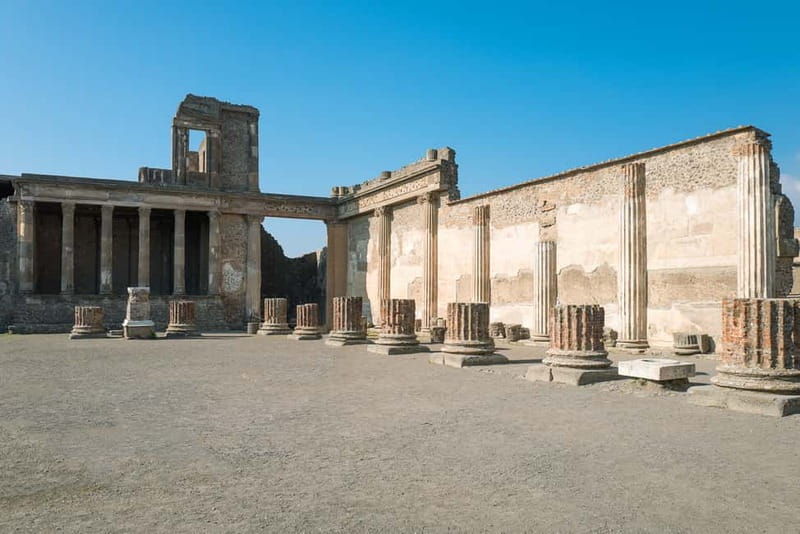
Herculaneum often gets described as a jewel of archaeology, and the tour experience supports that label. The reason is clear once you understand the city’s role before the eruption: Herculaneum sat overlooking the sea and functioned as a holiday retreat for wealthy Romans.
That matters because it changes the mood. Pompeii can feel like a working city with public spaces front and center. Herculaneum feels more like a place designed for leisure and comfort. When your guide points out what survives and how it reflects that lifestyle, the site stops being purely tragic. It becomes specific. You start recognizing the kinds of attention wealthy people put into their homes and daily routines.
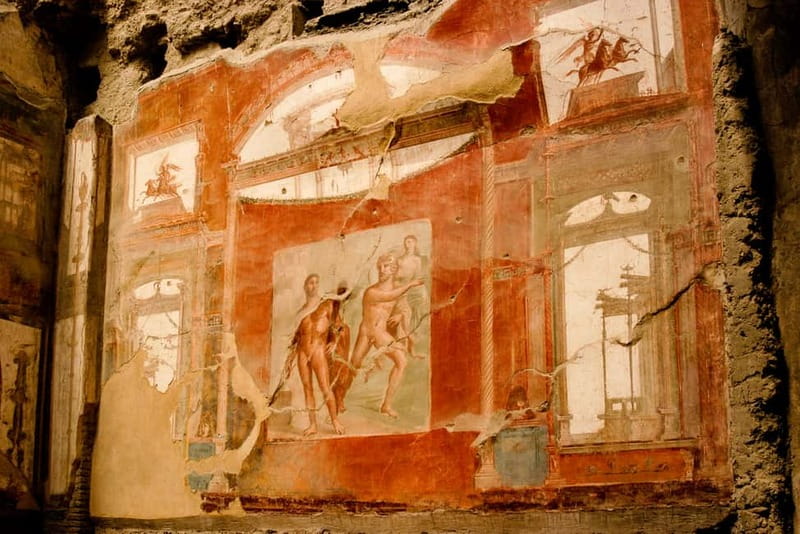
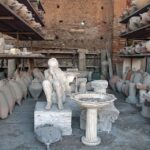
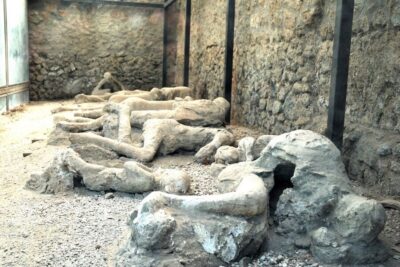
And then, there’s the preservation itself. You’ll get mosaics, decorations, and even items that are charred yet extraordinarily intact. That combination creates a strange effect: you’re looking at remains of an emergency, but the details are crisp enough to suggest a normal day got cut off mid-flow.
Casa del Salone Nero and Casa Sannitica: Why Upper Floors Matter
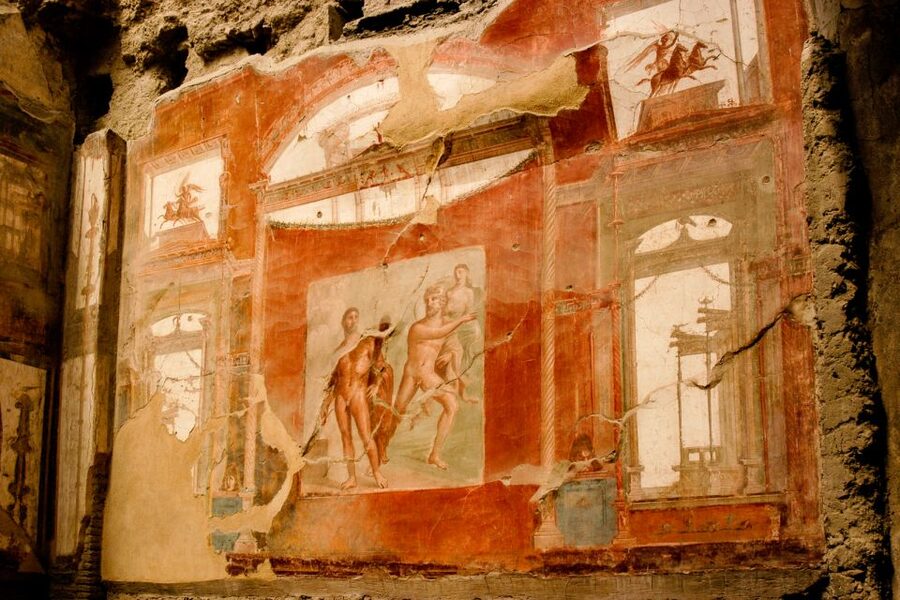
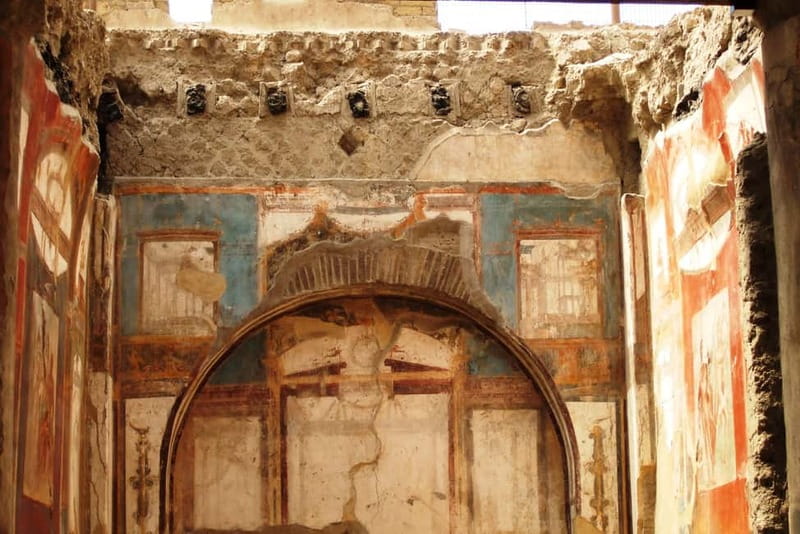
One of the most compelling details on this tour is that you’ll be able to see upper floors of elegant buildings in Herculaneum. The tour specifically calls out Casa del Salone Nero and Casa Sannitica, and those names are worth keeping in your head.
Why does that matter? Because upper floors tell you more than ground-level rooms ever can. They hint at how space was used and how people lived across multiple levels. In many ruins, you only get the shell of the lowest layer and a vague idea of what came above. Here, the fact that upper floors remain standing changes your understanding of scale and design.
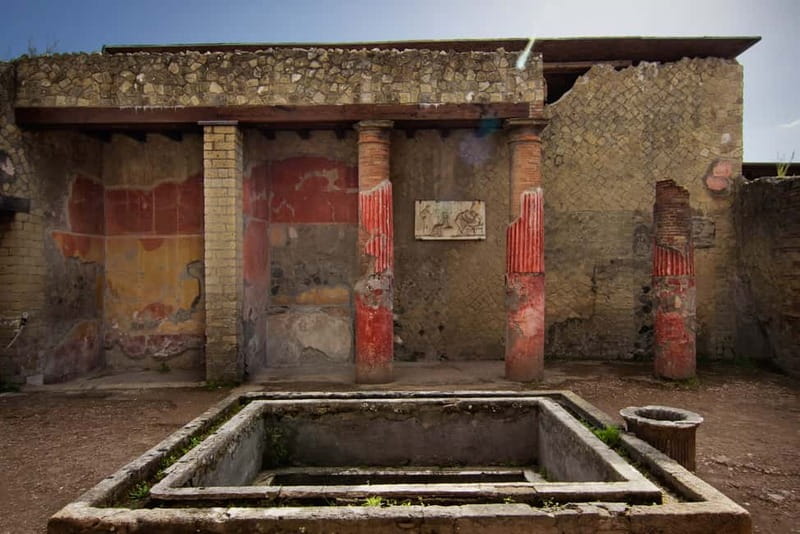
Also, you’re not just looking at “old walls.” You’re seeing the structure of luxury: the layout of spaces, the sense of privacy, and the way the home’s design probably supported the city’s leisure role. Your archaeologist guide helps connect those architectural choices to Roman lifestyle.
Possible consideration: in a 5-hour format, you won’t explore every nook. You’ll focus on the strongest, most meaningful stops—so you may want a second visit later if you’re the type who can lose an hour to one doorway.
Herculaneum keeps a few more tours worth your time
Mosaics and Charred Furniture: The Comfort of Details
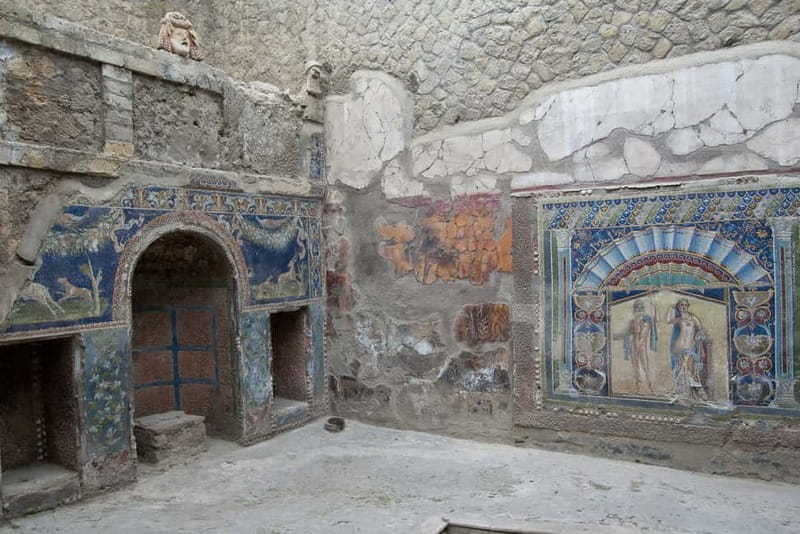
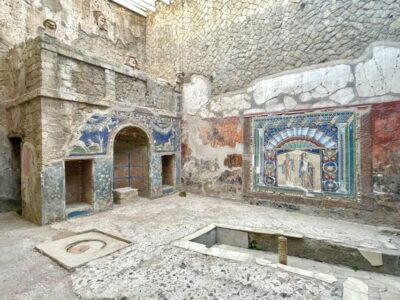
If you’re expecting ruins to feel like broken stone, you might be surprised by the level of survival described on this tour. In Herculaneum, you’ll see beautiful mosaics and furniture that is charred but still extraordinarily intact.
That’s a powerful contrast. Charred implies damage, loss, and disaster. Intact implies preservation, clarity, and continued identity. Seeing both at once makes the site harder to reduce to a simple story. It becomes physical. You’re confronted with the fact that these were real homes with real design choices—not generic “ancient stuff.”
A good guide can also point out what to look for so you don’t just stare at the biggest scene and miss the meaningful bits. With an archaeologist, you should get help connecting the artistic and domestic details to everyday life before the eruption.
And yes, it can be hard not to feel a little weird standing in front of furniture that should not exist in the world you live in now. It’s the kind of “how is this here?” reaction that makes a guided tour more than sightseeing.
Thermal Baths: Roman Leisure, Not Just a Daily Routine
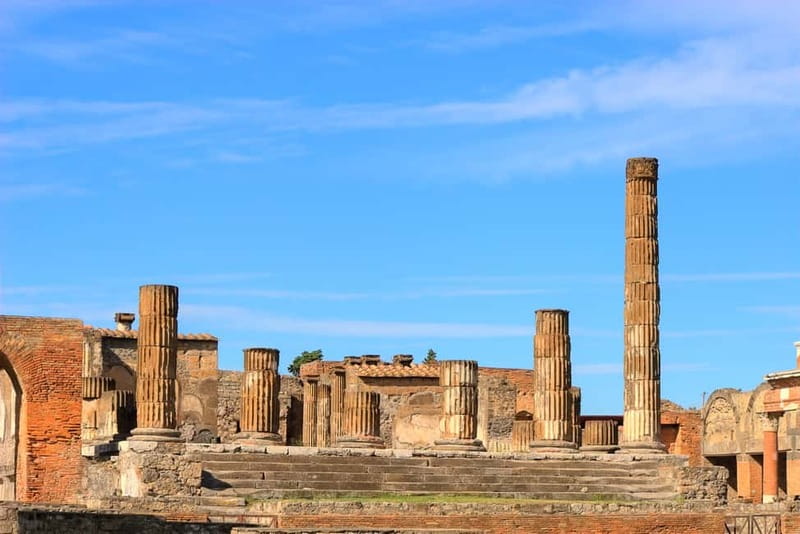
One of the most enjoyable parts of this experience is the visit to the thermal baths and the focus on recreational bathing culture. Baths were social spaces in Roman life. People didn’t just wash and leave. They lingered, chatted, and treated bathing as a leisure activity.
On this tour, you’ll admire fine decorations that were perfectly preserved. That detail matters because it shows that leisure wasn’t slapdash. The wealthy invested in environments that supported comfort, aesthetics, and social interaction.
When you pair that with the Herculaneum setting, the story becomes coherent. This city wasn’t only a place to live. It was a place to take time. The baths reinforce that, and the preservation reinforces it again.
If you’re short on time in Campania and want one of the clearest “Roman day-life” examples, this bath stop is one of your best bets.
The 5-Hour Structure: How to Get the Most From Two Big Sites
This is a focused tour. Five hours means you’re not getting a slow stroll where you read every inscription and wander off-plan. You’re getting an expert-led route that hits the essentials: Pompeii’s Forum, the street network context, then the Herculaneum comparisons (including key homes and the thermal baths).
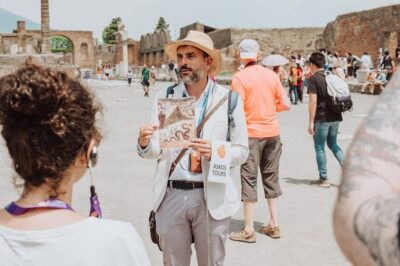
Group size is limited to 8 participants, which is a real advantage. In small groups, your guide can manage questions better, and the pacing stays tight enough that you don’t lose half your day waiting at the wrong spot.
You’ll also use a separate entrance to help you skip the line, which can make a huge difference at these sites. Waiting around is the fastest way to drain a short day.
Logistics detail you should know:
- The tour starts at Coffee Shop Vittoria.
- It ends back at the meeting point.
- Starting times vary, so check availability for your day.
Practical tip: wear shoes you can walk in for a long time. This route is heavy on stone and uneven ground. The tour is short, so comfort matters more than usual.
Price and Value: $993.72 per Group Up to 8
Let’s talk money in a way that helps you decide. The price is listed as $993.72 per group, up to 8 participants. That’s not cheap if you’re traveling solo. But if you’re splitting cost with others (or you’re booking for a small party), the per-person cost can drop quickly compared with typical per-person specialist tours.
What you’re paying for isn’t just access. You’re paying for a specialist archaeologist guide and time saved with a separate entrance to reduce line-waiting. You also get the experience of comparing two cities side by side—Pompeii’s Forum and street layout first, then Herculaneum’s preservation, key homes, mosaics, furniture, and thermal baths.
Two important cost caveats:
- Entry tickets are not included. So you’ll need to factor that extra expense into your budget.
- Food and drinks are not included.
Pickup and drop-off is also slightly messy in the details you were given: one part of the information says pick up and drop off is included, while another part lists pickup and drop-off under not included. Since your meeting point is clearly stated at Coffee Shop Vittoria and the tour ends back there, the safest approach is to confirm with the provider what’s actually happening for your date.
Value verdict: if you want an archaeologist’s explanations and you’re okay with paying extra for entry tickets, this is a strong use of limited time. If you prefer self-paced exploring, you might feel you paid for direction you don’t need.
Who Should Book This Pompeii and Herculaneum Tour
This tour is a great fit if you:
- want an archaeologist guide to explain what you’re seeing and how the eruption differed between cities
- enjoy structured sightseeing where you don’t have to guess what matters most
- like contrasts: Pompeii’s public-life focus versus Herculaneum’s leisure vibe
- want a small group experience (limited to 8)
- need wheelchair accessibility (the tour is wheelchair accessible)
You might think twice if:
- you want a lot of free roaming and independent exploration at your own pace
- you’re trying to keep costs down, since entry tickets are separate and the price is per group
- you’re the type who hates timelines. This is efficient, not slow and wandering
Also, if you’re traveling with people who learn best through stories tied to real evidence, the guide-led structure will work well.
Should You Book It
I’d book this tour if you’re coming to Campania with only one day to spend on Pompeii and Herculaneum and you want a guided experience that explains the differences clearly. The standout value is how the tour uses preservation and domestic/public spaces to make AD 79 feel concrete, not abstract.
Don’t book it blindly if entry tickets drive your plans. Since tickets aren’t included and free entry on the first Sunday can’t be reserved ahead of time, make sure you’re comfortable with the possibility that entry might not go exactly as hoped.
If your goal is to walk away knowing why these ruins look the way they do—and not just taking photos—this is a solid choice.
FAQ
How long is the Pompeii and Herculaneum tour?
The tour duration is 5 hours. Starting times vary, so you’ll want to check availability for your preferred time.
What group size is this tour?
It’s a small group limited to 8 participants.
What language is the tour guide?
The live tour guide speaks English.
Where does the tour start and end?
The tour starts at Coffee Shop Vittoria and ends back at the same meeting point.
Are entry tickets included in the price?
No. Entry tickets are not included, though the tour offers skip-the-line access via a separate entrance.
Can I get free entry on the first Sunday of the month?
Yes, entrance is free on the first Sunday of each month. However, tickets can’t be reserved ahead of time, so entry isn’t guaranteed.
Is pickup and drop-off included?
The details provided show pickup and drop-off in conflicting places. Since the meeting point is Coffee Shop Vittoria and the tour returns there, confirm directly with the provider what pickup looks like for your date.
Are food and drinks included?
No. Food and drinks are not included.
Is the tour wheelchair accessible?
Yes, it’s wheelchair accessible.
What’s the cancellation policy?
Free cancellation is available up to 24 hours in advance for a full refund.
More Tour Reviews in Pompei Campania




Herculaneum, a Few More Tours

More Pompeii Tours to Compare
More Pompei Campania tours, freshly reviewed


Pompeii Tours, compared.
 ★ 4.8Pompeii: Entry Ticket and Guided Tour with an ArchaeologistFrom $3519,459 reviews
 ★ 4.1Pompeii: Entry Ticket with Audio GuideFrom $4013,491 reviews
 ★ 4.8Pompeii: Small Group Tour with an ArchaeologistFrom $4012,264 reviews
 ★ 4.3Pompeii Ruins & Mount Vesuvius Day TourFrom $12011,459 reviews
★ 5.0Pompeii Small Group Tour with an ArchaeologistFrom $356,593 reviews
★ 4.3Pompeii Ruins & Mount Vesuvius Day TourFrom $12011,459 reviews
★ 5.0Pompeii Small Group Tour with an ArchaeologistFrom $356,593 reviews
 ★ 4.5Skip-the-line Pompeii – Small Group TourFrom $544,401 reviews
 ★ 4.6Naples or Sorrento: Full-Day Pompeii and Mount Vesuvius TourFrom $1044,235 reviews
 ★ 3.9Pompeii: Skip-the-line Entry Ticket with Audio Guide & MapFrom $433,153 reviews
Browse the lists this tour appears in