
Review · POMPEII TOURS
Exploring Pompeii
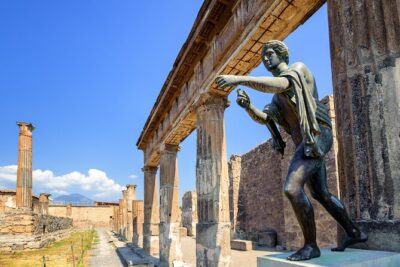
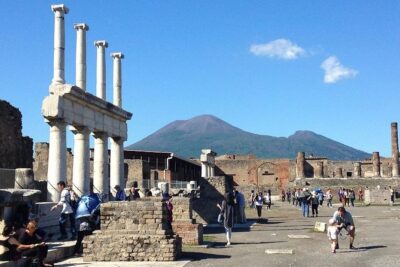
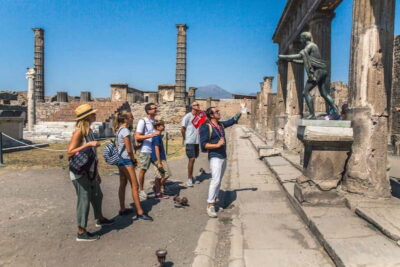
Pompeii hits you in the face fast. This 2-hour private tour is a practical way to see major sights in the Archaeological Park of Pompeii without getting lost in the weeds. You focus on how people actually lived, from wealthy homes with frescoes and mosaics to shops, temples, and thermal baths—then you end with the sobering plaster casts tied to the eruption of Vesuvius in 79 AD.
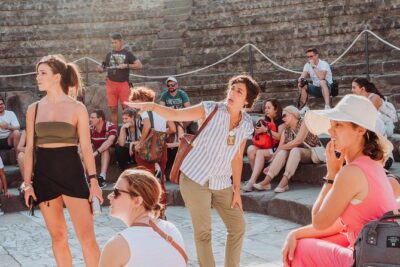
I especially like two things about this format: you get a guide who keeps the story clear and moving, and you’re routed through the standout visual wow-factor areas—painted frescoes and original mosaics in private residences. If you end up with Francesco as your guide, you’ll get the kind of explanations that make the ruins feel connected instead of random piles of stone.
The main thing to watch is the one cost that can surprise you: Pompeii entry tickets aren’t included in the tour price.
In This Review
- Key highlights at a glance
- Pompeii in 2 hours: why this pacing actually works
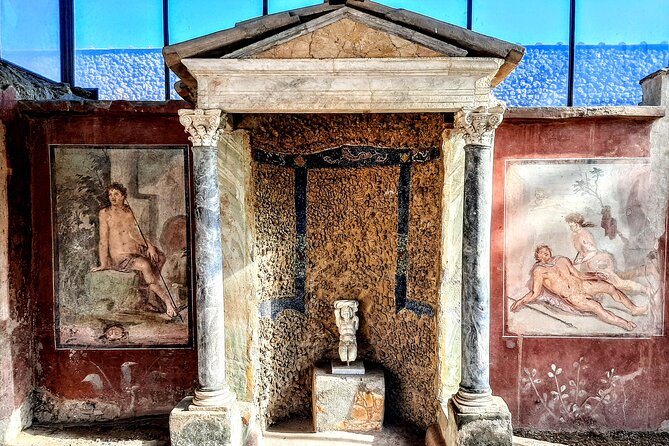
- Step inside the Archaeological Park: wealthy homes, frescoes, and mosaics
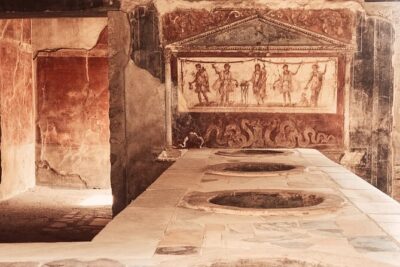
- Roman shops and key temples: seeing how a city ran
- Thermal baths: where social life met Roman routine
- The plaster casts: facing the eruption of Vesuvius (79 AD)
- Price and tickets: where the value really comes from
- Who should book this Pompeii private tour
- A few smart ways to get more out of the tour
- Should you book Exploring Pompeii?
Key highlights at a glance
- Private English guiding for your group during the ~2-hour visit
- Wealthy Roman residences with painted frescoes and original mosaics
- Temples and thermal baths to show how religion and daily routine worked
- Roman shops that help you picture everyday commerce
- Plaster casts of victims tied to the 79 AD eruption of Vesuvius
- Admission tickets not included, so budget that separately
Which Pompeii ticket and guide? Compare a few more.
- Pompeii Small Group Tour with an Archaeologist★ 5.0 · 6,593 reviews
- Discover the Ancient Ruins of Pompeii: Day Trip from Rome★ 3.5 · 2,247 reviews
- Pompeii and Herculaneum Small Group Tour with an Archaeologist★ 5.0 · 1,350 reviews
- Skip the Line Guided Tour of Pompeii led by an Archaeologist★ 5.0 · 703 reviews
Pompeii in 2 hours: why this pacing actually works
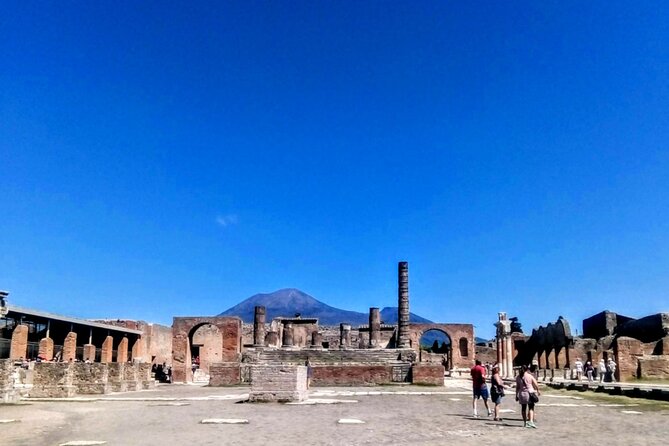
Pompeii is big, and if you try to see everything, you’ll spend half your time deciding where to go next. I like tours like this because they treat your time like a resource. In about two hours, you get a guided path through the most meaningful zones—so you leave with a sense of how the town functioned, not just photos of walls.
This is also a private tour, meaning it’s only your group. That matters in Pompeii, where you’d otherwise be stuck trying to follow different paces and priorities. With a private setup, you can keep questions on the table and adjust if your group likes to pause for details.
One more practical note: this tour calls for moderate physical fitness. That usually means you should be comfortable walking and standing for stretches. If you know you’ll need lots of breaks, plan your day accordingly so the experience stays enjoyable rather than stressful.
Step inside the Archaeological Park: wealthy homes, frescoes, and mosaics
Your main stop is the Archaeological Park of Pompeii, and the tour’s focus starts with the parts that instantly grab your attention: the homes of wealthier residents. The goal isn’t just to look at pretty art. It’s to understand what those spaces say about status, taste, and everyday life.
Expect to spend time in areas that feature painted frescoes and original mosaics. These details are the reason Pompeii feels so human. When you see decorative wall scenes and intricate floor patterns, you start to realize the town wasn’t an empty ghost set—it was a place where people walked in and out, hosted visitors, and lived with art around them.
A guided route helps here. Without one, it’s easy to treat each room as a separate attraction. With a guide, you’re more likely to connect the dots: where you are within a residence, what the decoration might have meant, and how the layout reflects daily use. You’ll also get context that makes the craftsmanship feel purposeful rather than random fragments.
Pro tip for your visit: give yourself permission to slow down for the artworks. In Pompeii, the best payoff often comes from close attention to small scenes and patterns. Even if the tour is time-boxed, you can usually spot more by leaning in for a minute or two rather than rushing past.
Roman shops and key temples: seeing how a city ran
After the private residences, the experience shifts toward the bigger civic and commercial side of town. You’ll see Roman shops and the most important temples, which helps you get beyond the household view.
This portion is valuable because it answers a key question: where did people go, and why? Shops highlight practical life—trade, goods, and the rhythms of daily commerce. Temples show religion and public ceremony as part of ordinary city business, not something isolated from everything else.
It’s also a good mental reset. Residential spaces tell you about personal life; temples and shop areas show how Pompeii operated as a community. If you like your travel to explain function, not just architecture, this mix is a strong choice.
Keep in mind that a 2-hour window means you’ll hit major points rather than turning this into a full-day marathon. If you want deep independent wandering, use the tour to get your bearings and the story straight, then return on your own for extra time in the areas that grab you most.
Thermal baths: where social life met Roman routine
One of the most interesting stops on the route is the thermal bath area. Baths in Roman cities weren’t only about cleanliness. They also worked as social spaces and routine centers.
Seeing the bath area with guidance matters because it turns a ruin into a system. You can better understand how public or semi-public spaces fit into daily habits and how architecture supported those routines. Even if you’ve read about Roman baths before, seeing them in place is different. The physical layout helps you picture the flow of movement and the logic of the space.
This part is a nice balance with the emotional weight that comes later. After rooms and public spaces, the baths give your brain something more physical and everyday to latch onto—routine, interaction, and public life.

The plaster casts: facing the eruption of Vesuvius (79 AD)
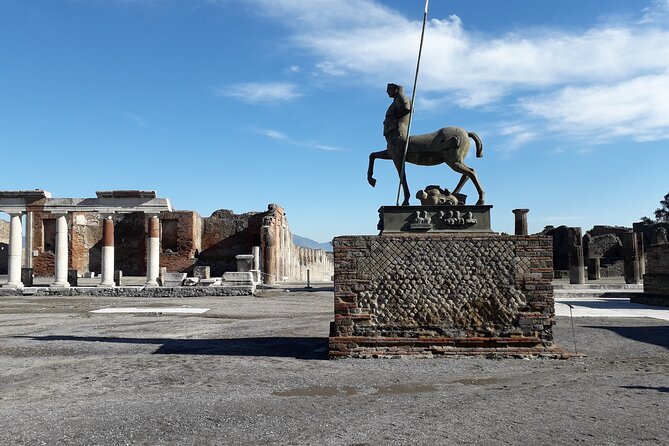
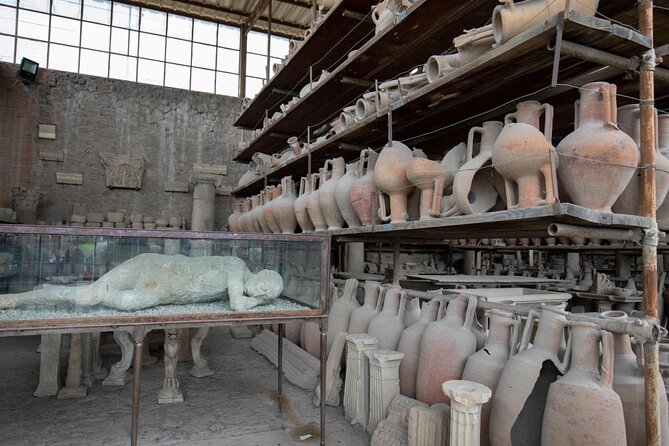
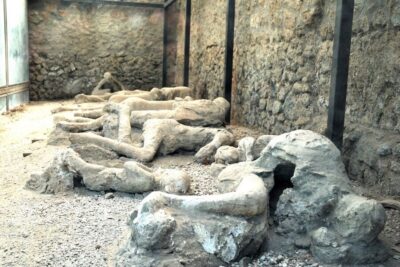
Pompeii’s most intense moments come near the plaster casts of the victims’ bodies. This isn’t just a grim photo opportunity. It’s a brutal reminder of what happened in 79 AD when Vesuvius erupted.
A good guided tour keeps this section from becoming sensational. The value here is context: you’re not just seeing figures; you’re learning how the tragedy connects to the wider story of the town. The plaster casts make the disaster feel specific and immediate, which is exactly what makes it powerful—and heavy.
If you’re traveling with anyone sensitive to tragic history, you should know this stop is part of the tour. You can manage the pace by deciding how long you want to linger and whether you want to look away during the most difficult portions.
I appreciate that this experience doesn’t skip the hard part. Pompeii without the tragedy would feel incomplete. With it, you get the full arc: thriving town, daily routines, and then a sudden end.
Price and tickets: where the value really comes from
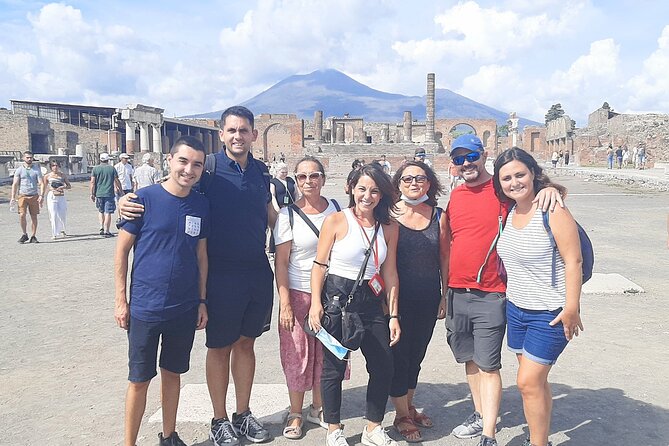
At $36.04 per person for an approximately 2-hour English private tour, the price can look simple on the surface. But the real value depends on what’s included and what isn’t.
Here’s the key point: Pompeii entry tickets are not included. That means your total day cost will be tour price plus the admission you buy separately. This doesn’t make the tour bad—it just means you should plan ahead so you’re not stuck doing math or ticket-buying at the gate.
Why I think it can still be good value:
- You’re paying for structured guidance through the park’s most memorable zones.
- You’re getting a private group setup, which helps you move and ask questions without competing with a larger crowd.
- You’re also getting a clear story arc that covers daily life and the Vesuvius tragedy within a tight time frame.
One more practical detail: this kind of tour is typically booked about 36 days in advance on average. That suggests demand is steady, especially in peak seasons. If your trip dates are firm, booking earlier is a smart way to keep options open.
Who should book this Pompeii private tour
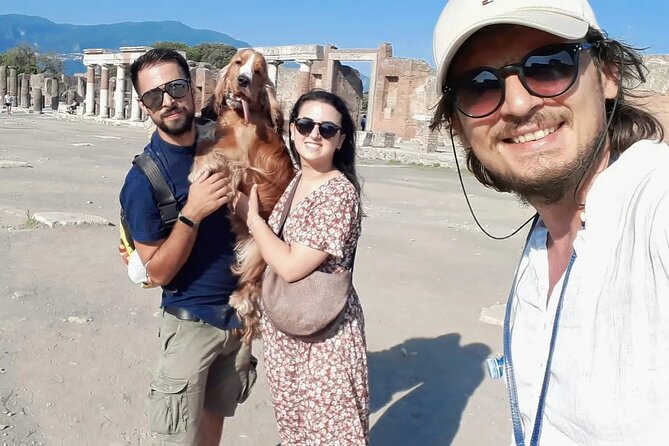
This works best if you want:
- A guided, organized Pompeii visit in about 2 hours
- A story that covers both daily life (homes, shops, baths) and the disaster moment (plaster casts)
- English interpreting through the park’s key points
- A private group experience rather than a crowded shuffle
It may be less ideal if you’re looking for a slow, go-at-your-own-pace walk through everything. Pompeii can reward that style, but this tour is built around highlights and structure. Think of it as a strong “greatest hits” plan plus context.
Also, since the tour notes moderate physical fitness, it’s best for people who can handle walking and standing for the duration without needing extensive rest.
Service animals are allowed, and the tour is near public transportation, which helps if you’re building a flexible day without a car.
A few smart ways to get more out of the tour
If you want this to feel worth every minute, do three things:
- Buy your Pompeii entry ticket ahead of time. The tour price doesn’t include admission, so you’ll want that squared away early.
- Wear comfortable shoes. You’ll be on your feet for the tour, and Pompeii rewards steady footing.
- Decide what you want most: art, daily life, or the Vesuvius moment. Your guide can help you prioritize, but knowing your own interest keeps you engaged.
And a small mindset shift: try not to treat frescoes, mosaics, shops, temples, baths, and the plaster casts as separate attractions. When you connect them as parts of one town’s life, Pompeii becomes more than a set of ruins. It becomes a place.
Should you book Exploring Pompeii?
I’d book it if you want a focused, guided Pompeii visit that covers the emotional and everyday sides of the story in about two hours. The price is reasonable for a private English tour, and the route makes sure you see more than just the most famous camera spots.
Skip it (or pair it with additional independent time) if you want an all-day wander, or if you’re trying to avoid any stop related to the tragedy of Vesuvius and the plaster casts.
If your schedule is tight and you want your visit to feel coherent—Roman homes, civic spaces, baths, then the disaster—this tour is a solid, practical choice.
More Tour Reviews in Pompeii




More Pompeii Tours to Compare
More Pompeii tours, freshly reviewed


Pompeii Tours, compared.
 ★ 4.8Pompeii: Entry Ticket and Guided Tour with an ArchaeologistFrom $3519,459 reviews
 ★ 4.1Pompeii: Entry Ticket with Audio GuideFrom $4013,491 reviews
 ★ 4.8Pompeii: Small Group Tour with an ArchaeologistFrom $4012,264 reviews
 ★ 4.3Pompeii Ruins & Mount Vesuvius Day TourFrom $12011,459 reviews
★ 5.0Pompeii Small Group Tour with an ArchaeologistFrom $356,593 reviews
★ 4.3Pompeii Ruins & Mount Vesuvius Day TourFrom $12011,459 reviews
★ 5.0Pompeii Small Group Tour with an ArchaeologistFrom $356,593 reviews
 ★ 4.5Skip-the-line Pompeii – Small Group TourFrom $544,401 reviews
 ★ 4.6Naples or Sorrento: Full-Day Pompeii and Mount Vesuvius TourFrom $1044,235 reviews
 ★ 3.9Pompeii: Skip-the-line Entry Ticket with Audio Guide & MapFrom $433,153 reviews
Browse the lists this tour appears in