
Review · POMPEII TOURS
Pompeii: guided tour of the ruins and cooking class fresh pasta
Pompeii in one focused day. This private outing strings together major archaeological sights with a hands-on pasta lesson at Giardini Balestrieri, where you cook using ingredients grown on-site and share a meal with local wine.
I love the small group feel (up to 10), which keeps the walk lively and questions easy to answer. I also love the garden-and-wine lunch, taught by hosts like Sabrina (with help from Rosalba and others), with views toward Vesuvius and the Lattari Mountains.
The main drawback to plan around is timing: you’ll cover key highlights in about two hours at Pompeii, and once you’re on to the cooking portion, it’s harder to slow down or extend the ruins visit. Also, Pompeii entrance tickets are for a single entry, so build in time for what you want to see.
In This Review
- Key highlights at a glance
- Why this Pompeii + pasta combo works better than doing it alone
- The start point: Scavi di Pompei and a day that actually moves
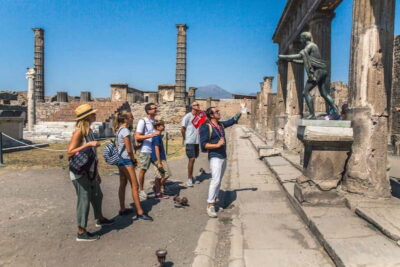
- The Pompeii ruins portion: a guided route with the right mix of sights
- What I like about the ruins pacing
- The one downside: “highlights” means you won’t see everything
- Pompeii stop-by-stop: what each area helps you understand
- Theaters and public spaces
- Houses with frescoes
- Via dell’Abbondanza: the “streets as story”
- Thermal baths
- The House of Pleasure (the brothel)
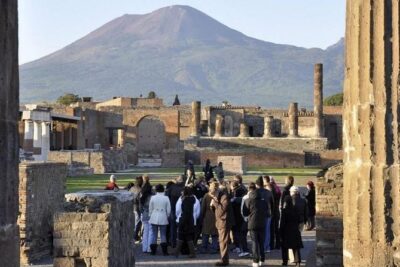
- The Forum, temples of Apollo and Jupiter, and the basilica
- The garden break: from Pompeii ruins to Giardini Balestrieri views
- Cooking fresh pasta in the Campania countryside: what you’ll actually do
- The pasta class: ravioli or gnocchi, depending on the day
- Finishing touches: butter, sage, and tomato sauce
- Appetizers and dessert: you eat while you learn
- A note on the teaching style (names you might meet)
- Gragnano DOC wine with lunch: why it’s more than just a drink
- Value check: what you’re paying for (and what costs extra)
- The main “budget reality” to remember
- Time reality: why people feel rushed here
- Who this Pompeii + pasta experience suits best
- Should you book this private Pompeii ruins + fresh pasta class?
- FAQ
- How long is the Pompeii ruins tour and pasta cooking class?
- Are the Pompeii entrance tickets included?
- What’s included with the meal?
- What do you cook during the class?
- How big is the group?
- Where does the tour start and end?
- What is the cancellation policy?
Key highlights at a glance
- Up to 10 people with private transportation for a calmer day than big bus groups
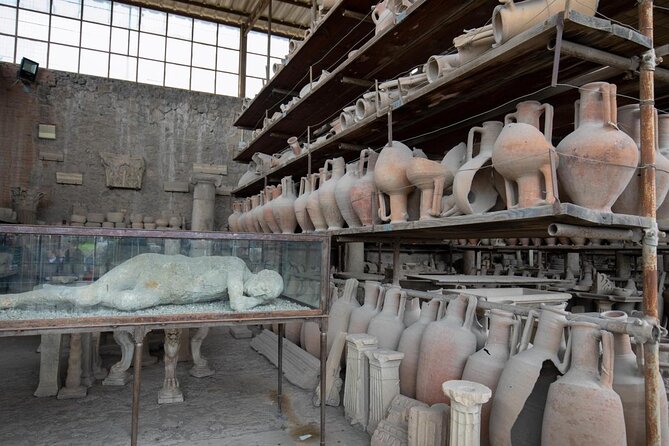
- Archaeological Park route with big-name stops like the Forum, temples of Apollo and Jupiter, basilica, thermal baths, and the House of Pleasure
- Street-level Pompeii walking along Via dell’Abbondanza, with shops and workshops you can actually picture
- Campania garden setting at Giardini Balestrieri surrounded by olive and citrus trees with views of Vesuvius and the Lattari Mountains
- Fresh pasta cooking from scratch (often ravioli or gnocchi) plus dessert, using produce picked from the garden
- One glass of Gragnano DOC wine included with your meal, with soda/water and good food pacing
Which Pompeii ticket and guide? Compare a few more.
- Pompeii Small Group Tour with an Archaeologist★ 5.0 · 6,593 reviews
- Discover the Ancient Ruins of Pompeii: Day Trip from Rome★ 3.5 · 2,247 reviews
- Pompeii and Herculaneum Small Group Tour with an Archaeologist★ 5.0 · 1,350 reviews
- Skip the Line Guided Tour of Pompeii led by an Archaeologist★ 5.0 · 703 reviews
Why this Pompeii + pasta combo works better than doing it alone
This is one of those tours that makes sense the minute you see the pairing: Pompeii is one intense, walking-heavy experience. Then the cooking class turns the day from “look at ruins” into “taste the region that still lives around them.” You don’t just learn facts; you get a real slice of Campania food culture in the countryside.
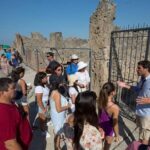
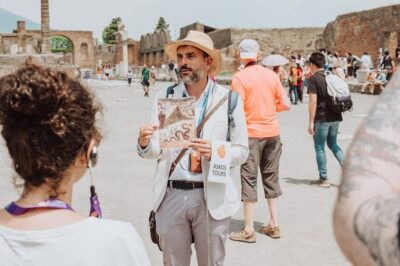
The “private” part matters more than you’d think. With a maximum of 10 travelers and a guide who’s walking with you, you can ask the obvious questions—about what you’re seeing, why it looks the way it does, and what people were doing in these spaces. In Pompeii, that’s the difference between reading plaques and actually understanding what you’re looking at.
You’re also buying time. The day is built around a two-part flow: ruins first, then lunch (or dinner) and cooking, all scheduled so you don’t spend your energy figuring out logistics on your own. When your goal is Pompeii plus a memorable food experience, this structure is efficient.
The start point: Scavi di Pompei and a day that actually moves
You meet at Scavi di Pompei (Viale delle Ginestre, 80045 Pompei NA) and you return there at the end. That’s a useful detail because it keeps the day simple. You’re not crossing the city and re-orienting near the end.
The tour runs about 5 to 6 hours total. That’s long enough to feel like you did something real, but short enough that you’re not trapped in Pompeii until dinner. The schedule breaks into roughly 2 hours of ruins walking and about 3 hours for the garden lunch and cooking class.
Practical tip: wear shoes you trust. Pompeii involves steady walking, uneven ground in places, and a lot of sun exposure. Even if you’re not a marathon walker, plan to move at a comfortable pace and take brief pauses when you need them.
The Pompeii ruins portion: a guided route with the right mix of sights
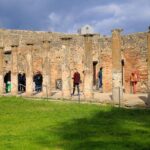
At Pompeii, your route focuses on the places that help you understand the city as a functioning place—not just as “famous ruins.” You’ll walk through major zones and see a spread of public buildings and everyday streets.
You’ll cover highlights like:
- theaters
- key houses with frescoes and decorations
- Via dell’Abbondanza with its shops and workshops
- thermal baths
- the brothel (the House of Pleasure)
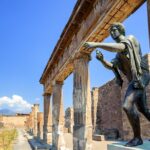
- the Forum and its monuments
- temples of Apollo and Jupiter
- the basilica
An archaeological guide (often described as an archaeologist in the tour format) also means you’re less likely to miss how the pieces fit together. Instead of hopping randomly, you follow a planned path that connects architecture, daily life, and the city’s layout.
What I like about the ruins pacing
Two hours can sound short until you realize the alternative: doing Pompeii self-guided and spending an hour deciding where to go next. With a structured route, you spend more time looking and less time second-guessing. You’re also far more likely to notice details because the guide keeps pointing your eyes in the right direction.
Guides in this setup can include names like Clelia, Carla, Lucy, and Lello—and the common thread is clear explanations and smart answering of questions while you’re still standing right there.
Roll more pasta with a Neapolitan cook
The one downside: “highlights” means you won’t see everything
This ruins time is designed for major stops, not for a slow, get-lost wandering day. If your top priority is reading every inscription and exploring side streets at length, you may feel a bit constrained by the schedule as the cooking portion approaches.
Also remember the entrance fee: Pompeii tickets are not included and cost €20 per person. You’ll want to budget that and plan your entry so you’re not hunting around for tickets at the last minute.
Pompeii stop-by-stop: what each area helps you understand
The magic of a guided Pompeii walk is how each stop answers a different “what was life like?” question. Here’s how the main stops translate into understanding:
Theaters and public spaces
Theaters show you how communities gathered and how performance and public life worked. Even if you don’t know a ton of Roman terms, you can see how these structures shaped crowds and movement.
Houses with frescoes
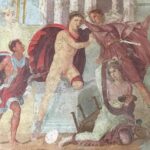
These are your clue to household taste and daily self-expression. Frescoes and interior decoration help you imagine the private side of Pompeii, not only the public monuments.
Via dell’Abbondanza: the “streets as story”
Walking Via dell’Abbondanza is one of the best ways to connect the ruins to real urban life. Seeing the shop and workshop context along the main thoroughfare helps the whole city feel less like a museum and more like a place where people ran businesses and passed trade.
Thermal baths
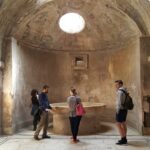
The baths help you picture routine and status. Even without going super technical, you learn quickly that bathing wasn’t just hygiene—it was social life and a public routine.
The House of Pleasure (the brothel)
This part can feel surprising, even for people who already know Pompeii’s reputation. The value of a guide here is that you see it in context rather than as shock value. You learn how to interpret what you’re seeing with the right level of seriousness.
The Forum, temples of Apollo and Jupiter, and the basilica
This cluster gives you the political and religious backbone of the city. Temples and civic buildings help you understand where people looked for authority and community identity.
The garden break: from Pompeii ruins to Giardini Balestrieri views
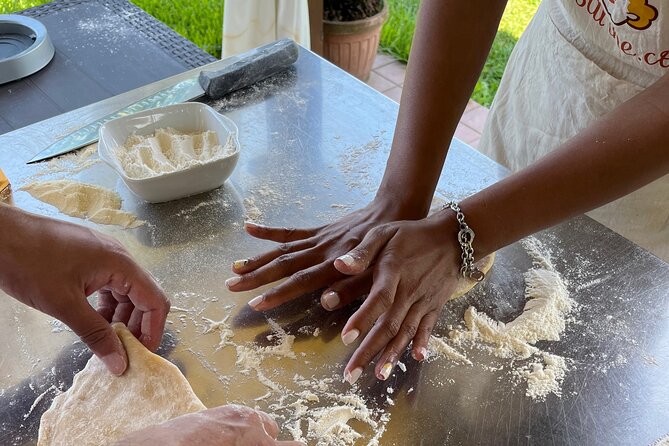
After the ruins, you move to a garden setting in the Pompeian countryside for lunch and cooking. Your transport is included, which matters because the day is long enough already—no need to plan buses or rides while you’re tired.
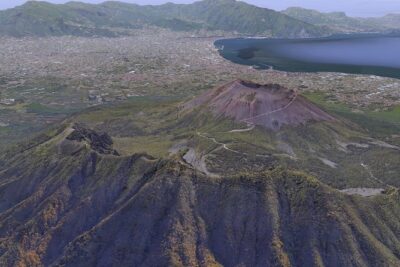
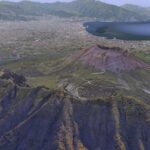
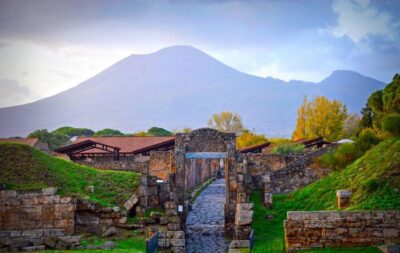
This is where the tour shifts gear. You’re in a space surrounded by olive and citrus trees, with views toward Vesuvius and the Lattari Mountains. It feels like a “slow down and breathe” moment after stone streets and crowds.
The garden portion also isn’t just scenery. You’ll use produce picked from the garden, so your meal connects to the place you’re standing in now. That’s a big part of why the food experience feels authentic rather than staged.
Cooking fresh pasta in the Campania countryside: what you’ll actually do
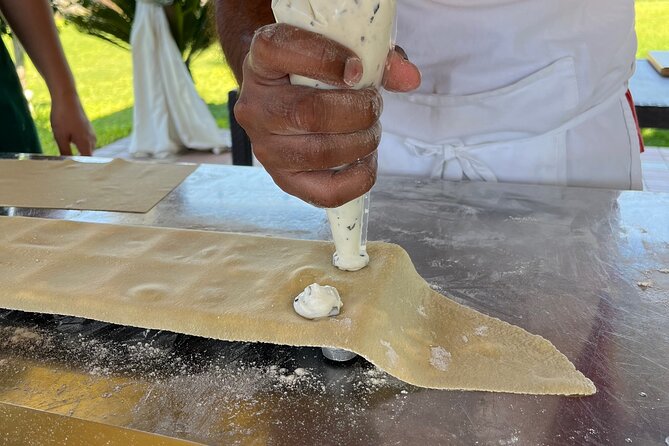
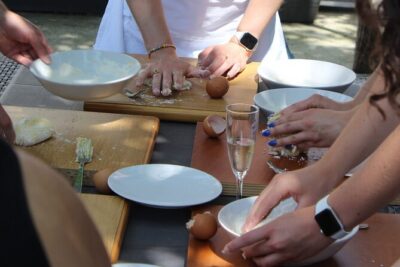
You’re not watching someone else cook. You’re making your own lunch (or dinner) as part of the class.
The pasta class: ravioli or gnocchi, depending on the day
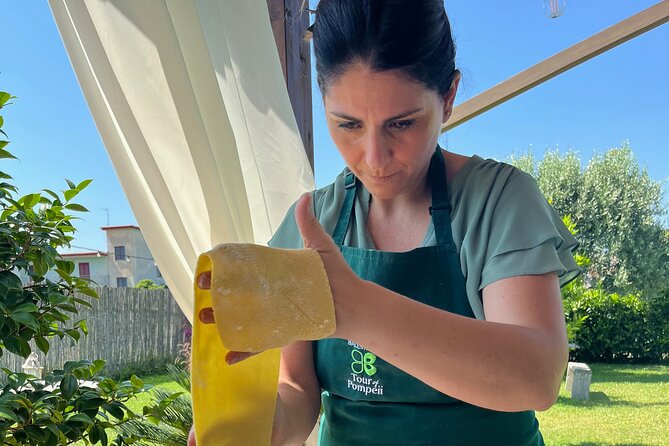
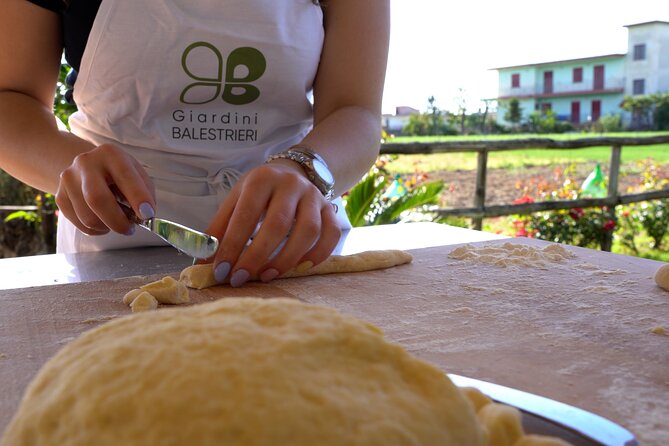
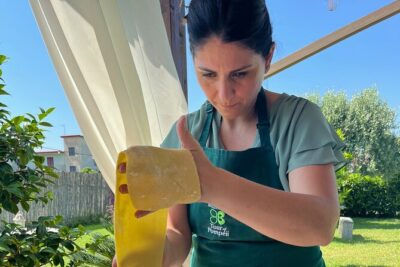
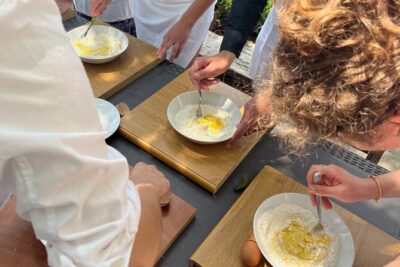
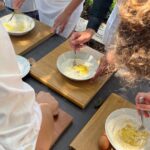
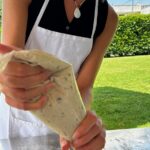
The class is built around making fresh pasta from scratch. In different outings, this can include making ravioli (with fillings like ricotta and spinach) and/or making gnocchi (like potato gnocchi). You’ll be given tools and guidance, then you shape your own pasta.
What stays consistent is the hands-on workflow:
- start with ingredients and preparation
- make pasta pieces yourself
- cook and finish the dish together in the class format
Finishing touches: butter, sage, and tomato sauce
Your pasta isn’t just “made and served.” It’s finished in a way that reflects Campania style. You might end up with a simple finish like butter and sage in one version of the experience, or with tomato sauce in another, depending on the menu your host sets for the day.
Appetizers and dessert: you eat while you learn
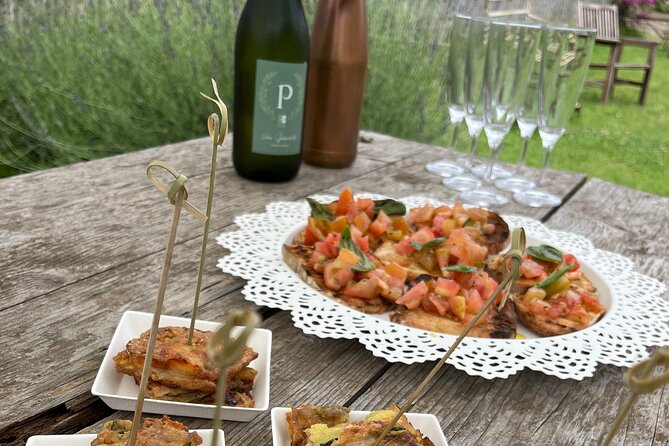
Before the pasta work, many classes start with something to keep you comfortable—often a couple of types of bruschetta with fresh vegetables from outside. Then dessert is part of the plan.
Dessert examples from the same experience include lemon cake and, in at least one version, tiramisu. You also get included beverages: sodas plus still and sparkling water, and one glass of Gragnano DOC wine with your meal.
A note on the teaching style (names you might meet)
Sabrina is a frequent name tied to the cooking portion, and you might also work with others such as Rosalba and Pasquale. One consistent theme is the way hosts explain ingredients and techniques as you go, so you learn the “how” not just the “what.”
Gragnano DOC wine with lunch: why it’s more than just a drink
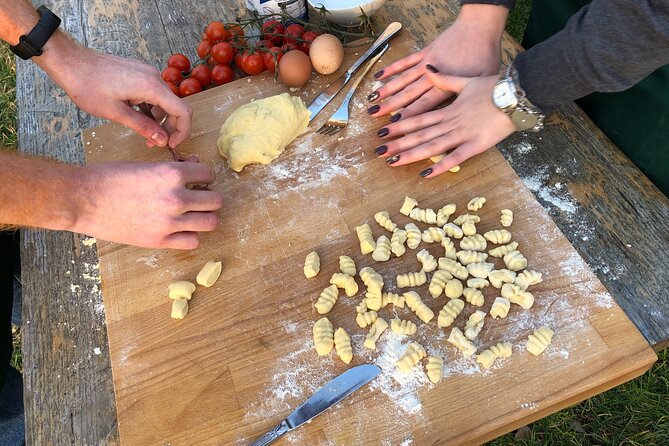
It’s easy to underestimate the role of wine in a food tour. Here it’s not about partying; it’s about pacing and conversation. The Gragnano DOC glass included with your meal gives you an easy social rhythm while you eat what you made.
And because the meal takes place in a garden setting, wine fits naturally into the experience. You’re not sipping in a fluorescent restaurant. You’re eating where ingredients come from, with views and a slower feel.
If you don’t drink, you still get the water and soda included, and your meal doesn’t revolve only around alcohol.
Value check: what you’re paying for (and what costs extra)
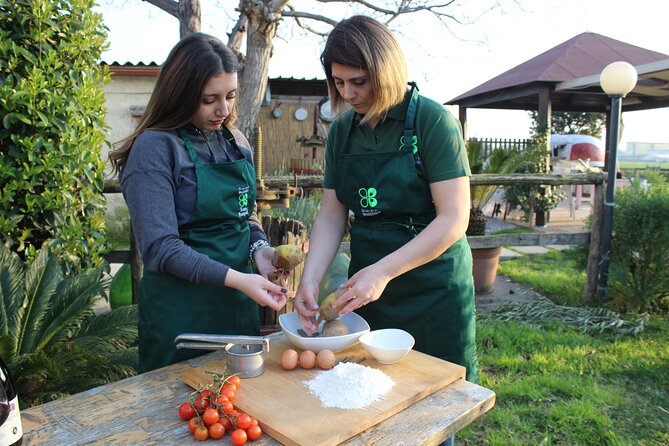
The listed price is $300.40 per person for a private day that runs about 5 to 6 hours and maxes at 10 travelers. It includes:
- private transportation
- soda/pop still and sparkling water
- dessert
- lunch or dinner
- alcoholic beverages: 1 glass of Gragnano DOC wine
What’s not included:
- Pompeii entrance fee: €20 per person
So where does the value land? You’re paying for two guided experiences that are hard to line up well on your own:
1) a guided Pompeii route with archaeologist-style explanations and a coherent walk through major sites
2) a structured cooking class using garden produce, with hands-on instruction and a real meal tied to what you make
The best value tends to show up when you care about both sides of the day—ruins understanding and food learning—rather than treating one as an add-on.
The main “budget reality” to remember
Even if the tour is the main cost, you still need to budget the Pompeii ticket (€20 per person). If you’re a group, that adds up fast, so factor it into your total spend.
Time reality: why people feel rushed here
Because the day is timed, you may not have space for a long extra roam once the schedule shifts to the cooking portion. If you want to see more ruins on your own, ask yourself whether you’d prefer:
- this guided highlights plan, or
- a longer Pompeii block followed by a shorter food stop
This tour is great when you want a guided highlight tour plus a full hands-on meal day.
Who this Pompeii + pasta experience suits best
This is a strong fit if you:
- want Pompeii with context, not just photos and plaques
- enjoy cooking classes where you actually make the food
- like small-group travel (max 10) with room for questions
- care about eating regional produce tied to the place you’re visiting
It’s also a good option for people who find Pompeii overwhelming. A guided route helps you see the city as a system, and the cooking class gives your brain a break afterward.
If you’re the type who wants to wander independently for hours, you may find the “highlights” approach limits your flexibility. In that case, you might prefer a longer self-guided ruins visit, then book a separate shorter cooking activity.
Should you book this private Pompeii ruins + fresh pasta class?
I’d book it if you want a day that mixes major sights with a real, hands-on food moment in the Vesuvius countryside. The small group setup and the mix of public ruins plus garden-to-table cooking makes it feel personal.
I’d hesitate if your top goal is to spend half the day getting deeper into every corner of Pompeii. This experience is built for smart highlights and a scheduled pasta class, not for unlimited roaming.
If you book, do one thing: decide ahead of time how much you want to prioritize the ruins versus the cooking. Then you’ll enjoy the pacing instead of feeling like you’re constantly negotiating with the clock.
FAQ
How long is the Pompeii ruins tour and pasta cooking class?
The experience runs about 5 to 6 hours total. Pompeii is around 2 hours, and the cooking class and meal portion is about 3 hours.
Are the Pompeii entrance tickets included?
No. The Pompeii entrance fee is not included and costs €20 per person.
What’s included with the meal?
You’ll have lunch or dinner, plus dessert. Drinks include soda/pop still and sparkling water, and alcoholic beverages include 1 glass of Gragnano DOC wine.
What do you cook during the class?
You cook a typical Campania recipe from scratch and make fresh pasta. Depending on the class format, that can include pasta like ravioli or gnocchi, and you’ll also make dessert.
How big is the group?
The tour has a maximum of 10 travelers.
Where does the tour start and end?
It starts at Scavi di Pompei, Viale delle Ginestre, 80045 Pompei NA, Italy, and ends back at the same meeting point.
What is the cancellation policy?
Free cancellation is available up to 24 hours in advance for a full refund. If you cancel less than 24 hours before the start time, you won’t receive a refund.
More Tour Reviews in Pompeii



More Cooking Tables in Pompeii
More Pompeii Tours to Compare
More Pompeii tours, freshly reviewed

Pompeii Tours, compared.
 ★ 4.8Pompeii: Entry Ticket and Guided Tour with an ArchaeologistFrom $3519,459 reviews
 ★ 4.1Pompeii: Entry Ticket with Audio GuideFrom $4013,491 reviews
 ★ 4.8Pompeii: Small Group Tour with an ArchaeologistFrom $4012,264 reviews
 ★ 4.3Pompeii Ruins & Mount Vesuvius Day TourFrom $12011,459 reviews
★ 5.0Pompeii Small Group Tour with an ArchaeologistFrom $356,593 reviews
★ 4.3Pompeii Ruins & Mount Vesuvius Day TourFrom $12011,459 reviews
★ 5.0Pompeii Small Group Tour with an ArchaeologistFrom $356,593 reviews
 ★ 4.5Skip-the-line Pompeii – Small Group TourFrom $544,401 reviews
 ★ 4.6Naples or Sorrento: Full-Day Pompeii and Mount Vesuvius TourFrom $1044,235 reviews
 ★ 3.9Pompeii: Skip-the-line Entry Ticket with Audio Guide & MapFrom $433,153 reviews
Browse the lists this tour appears in