

Review · POMPEII TOURS
Guided tour of Pompeii with a local guide
Pompeii clicks faster with a local guide. You’ll get a local guide who turns the site into real stories, plus the convenience of a mobile ticket. One catch: the Pompeii admission fee (€19) is not included in the tour price, so budget for that upfront.
This is a 2-hour guided walk in a small group (up to 20 people), ending back where you started at Piazza Esedra. It’s a great fit if you want the highlights—streets, houses, temples, and theaters—without spending your whole afternoon guessing what you’re looking at.
In This Review
- Key Highlights Worth Your Time
- Why This 2-Hour Guided Pompeii Tour Works
- Price and Ticket Math: What You’re Really Paying
- Meeting at Piazza Esedra: Simple Start, Easy Return
- What You’ll See at Pompeii Archaeological Park
- Ancient streets and daily life in stone
- Patrician houses: power and privacy
- Sacred temples and what they signaled
- Majestic theaters: entertainment as community
- Frescoes and cobbled streets you can actually understand
- The catastrophe: scale and legacy
- Why a Guide Changes Pompeii (Even if You’ve Read About It)
- Getting In and Keeping the Day Moving
- After the Tour: How to Use Your Independent Time
- Who This Tour Is Best For (and Who Might Want Something Else)
- Quick Practical Tips Before You Go
- Should You Book This Guided Pompeii Tour?
Key Highlights Worth Your Time
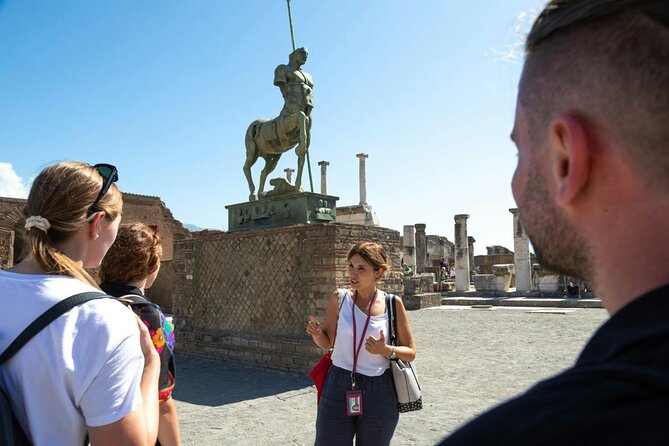
- Local guide, English-led: Expect clear explanations and lively anecdotes as you move through the park.
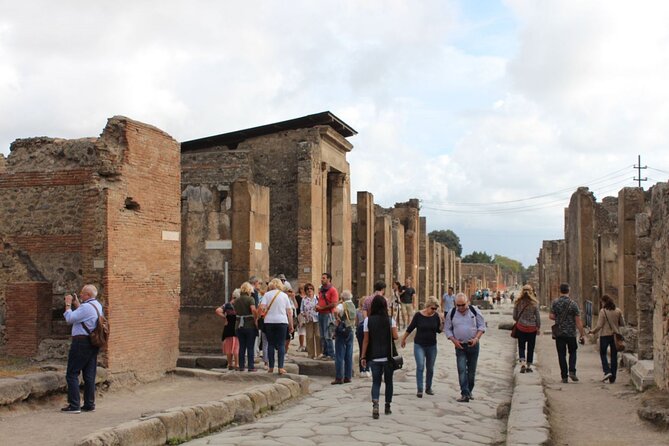
- Street-level Pompeii: You’ll walk through the ancient lanes and see structures like patrician houses, temples, and theaters.
- Frescoes you can actually make out: The tour focuses attention on preserved wall paintings and everyday details.
- Small group pace: Max 20 people keeps things easier to follow and ask questions.
- Plan the ticket math: Tour includes guiding, not the Archaeological Park admission (€19).
- Independent time afterward: After the visit, you can keep exploring on your own.
Which Pompeii ticket and guide? Compare a few more.
- Pompeii Small Group Tour with an Archaeologist★ 5.0 · 6,593 reviews
- Discover the Ancient Ruins of Pompeii: Day Trip from Rome★ 3.5 · 2,247 reviews
- Pompeii and Herculaneum Small Group Tour with an Archaeologist★ 5.0 · 1,350 reviews
- Skip the Line Guided Tour of Pompeii led by an Archaeologist★ 5.0 · 703 reviews
Why This 2-Hour Guided Pompeii Tour Works
Pompeii is big, and you can burn time fast if you’re wandering without context. This tour keeps you moving at a sensible pace for about 2 hours, with a guide who points out what matters and explains why it matters. You’re not just looking at ruins—you’re learning how the city worked, and what changed after the eruption.
I also like that it’s not trying to cram in everything. The best tours give you a solid mental map: where you are, what type of building you’re seeing, and what life probably looked like there. When you leave, you’re not staring at random stones—you know what they used to be.
The group size helps, too. With a maximum of 20 travelers, it’s easier to hear the guide and keep your place during the walk. That matters in Pompeii, where there’s a lot of stone underfoot and lots of visual distractions.
Price and Ticket Math: What You’re Really Paying
The tour price is listed at $36.28 per person, and it includes the specialized local guide and the guided time at the site. What’s not included is the Archaeological Park of Pompeii admission fee: €19.00 per person.
So your realistic total will be roughly:
- $36.28 for the guide and tour service
- plus €19.00 for entry to the Pompeii archaeological park
That split isn’t unusual, but it’s important. If you show up expecting the guide price to cover everything, you’ll waste time at the moment you want to start seeing things. Plan ahead so you can walk in with momentum.
Also, think about value, not just cost. Pompeii isn’t the kind of place where you automatically “get” it from a guidebook. Paying for a local interpreter helps you connect buildings, paintings, and everyday habits into one story—especially if it’s your first time there.
Meeting at Piazza Esedra: Simple Start, Easy Return
The tour starts at Piazza Esedra, 80045 Pompei NA, Italy, and it ends back at the meeting point. That round-trip setup is more than convenience. It reduces stress, especially if you’re coordinating with family or trying not to lose time to navigation.
The start time is 2:30 pm (with an activity duration of about 2 hours). That timing can work well if you’re pacing your day—Pompeii is a long visit even with a plan, and an afternoon start often feels less frantic than rushing in at opening time.
One practical note: Pompeii meeting points can be confusing, even for people who are doing everything right. If you’re worried about this, give yourself a buffer and arrive a little early. The tour has been known to wait when people were delayed finding the point—yet you’ll enjoy the experience more if you’re already there.
What You’ll See at Pompeii Archaeological Park
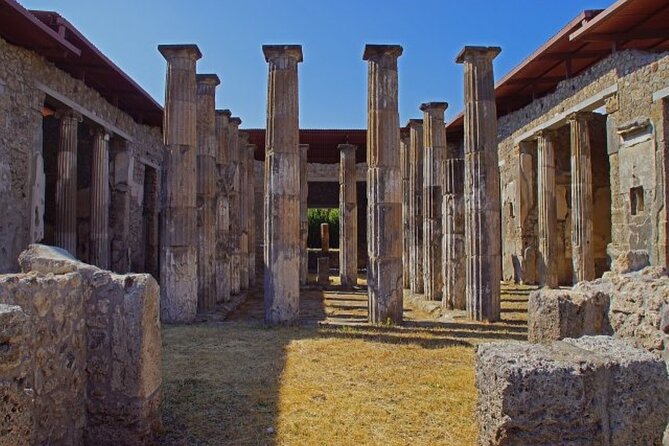
This is a guided walk through the Pompeii Archaeological Park, with your guide narrating as you move between highlights. The tour’s focus is on how the city looked and lived, not just on big “poster” attractions.
Here’s what the route emphasizes:
More guided runs around Pompeii


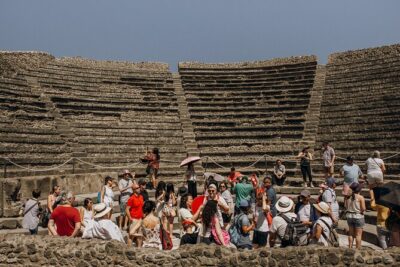


Ancient streets and daily life in stone
You’ll walk through the ancient streets and get a feel for how the city was laid out. That street-level movement is key because Pompeii’s ruins are more meaningful when you understand the flow of the neighborhood—how people would have moved, where they would have gathered, and what “nearby” meant in everyday life.
Patrician houses: power and privacy
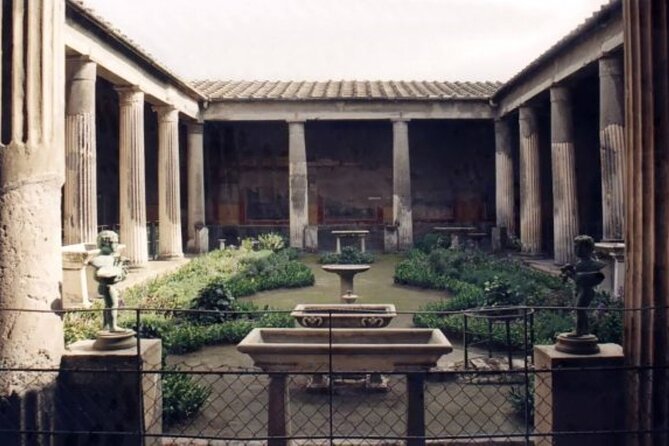
The tour highlights patrician houses, which helps you understand the difference between public spaces and private wealth. Even with partial remains, you can often see the logic of rooms and the idea of status. A good guide will connect that layout to social habits—who hosted guests, how people lived day to day, and what luxury looked like in the Roman world.
Sacred temples and what they signaled
You’ll also encounter sacred temples. The value here is interpretation: it’s not just a religious building you pass by. Your guide can explain what these sites meant socially, and how faith was part of the city’s rhythm.
Majestic theaters: entertainment as community
A major anchor stop is the theaters. These places were more than entertainment venues; they were community gathering spots. Seeing the scale while someone explains how performances would have worked makes the ruins feel less like fragments and more like infrastructure for daily culture.
Frescoes and cobbled streets you can actually understand
The tour calls out incredibly preserved frescoes and cobbled streets—and that’s exactly where a guide helps most. Up close, it’s easy to miss what you’re looking at. Your guide helps you spot the details and then connects them back to ordinary life: what was depicted, why it mattered, and how art and function lived side by side.
The catastrophe: scale and legacy
You’ll also get an explanation of the disaster itself and the legacy left behind. The best guides don’t treat it like only a tragedy—they connect the eruption to what survived, what was buried, and why Pompeii became such an important archaeological record. That context changes the way you read the site, because every ruin starts to feel like it has a timeline.
Why a Guide Changes Pompeii (Even if You’ve Read About It)
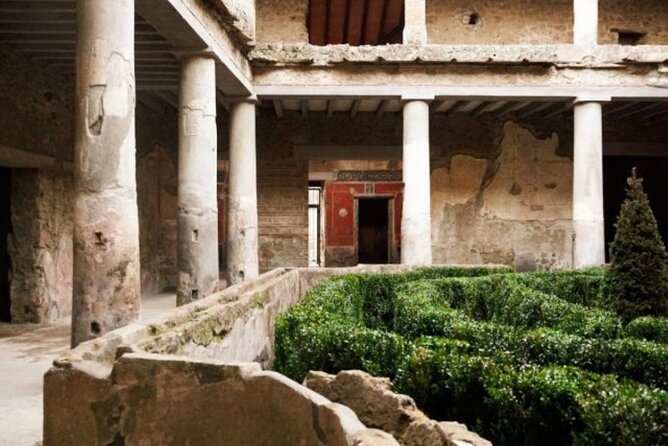
Pompeii is the rare place where ruins don’t “just sit there.” They force you to make sense of time—what you’re seeing, what it used to mean, and how it got frozen. Without interpretation, that can turn into an endless loop of looking and guessing.
With a guide, you get quick structure. Your guide’s job is to translate the site into a story you can follow: building type, social role, and what daily life might have looked like. When the guide shares anecdotes and small quirks—social habits and unusual curiosities—it keeps the walk from feeling like a lecture.
This is also where the small-group format matters. With up to 20 travelers, you can ask a question if something doesn’t click. And if you’re traveling with family, having a guide who can keep things clear and patient is a big advantage.
One example from past tours: some departures have been led by guides such as Gennaro, who has been described as funny, informative, patient, and highly detailed. You won’t see “you must remember this date” energy. You’ll get stories and explanations that stick because they’re attached to specific places you can point at.
Getting In and Keeping the Day Moving
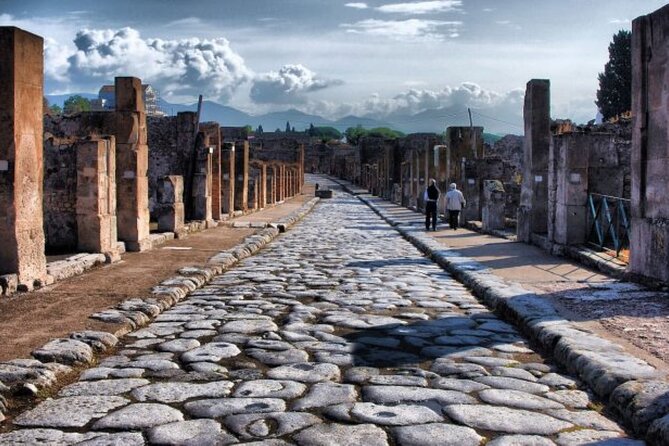
You’ll receive a mobile ticket, which is a modern convenience in an old city. In practice, this means less paperwork and fewer worries once you’re on site.
Also, the meeting location is noted as near public transportation, so you’re not forced into a taxi-only plan. If you’re juggling other Naples activities too, this kind of access can make your day easier.
One more timing factor: this tour is often booked about 22 days in advance on average. That’s a useful hint. If you’re traveling in peak season or on a tight schedule, don’t wait until the last minute.
After the Tour: How to Use Your Independent Time
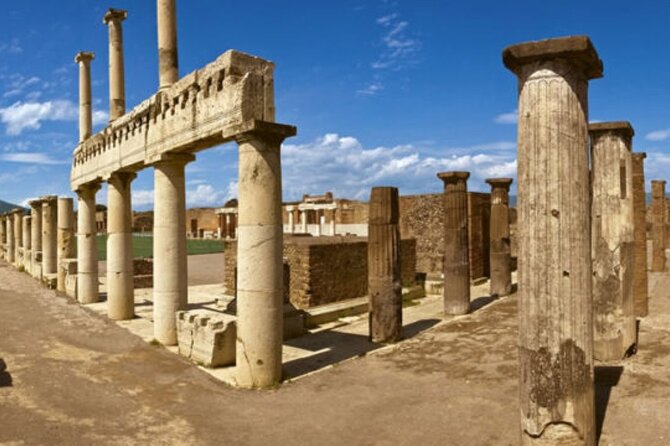
This tour includes guided time, but it doesn’t trap you into being done forever. After the visit, you can visit the site independently.
That’s exactly how I like to use Pompeii. The guide gives you the map and the context. Then you circle back on your own with better eyes. You can linger where you felt the most curious—maybe the fresco areas, maybe a building type you didn’t expect to care about.
Just remember: since the admission fee isn’t included, make sure you handle entry before your guided time ends up being delayed by ticket issues. If you already know the price and have it covered, the rest of your visit feels smoother.
Who This Tour Is Best For (and Who Might Want Something Else)
This is a smart choice if:
- It’s your first time at Pompeii and you want the big ideas without getting lost.
- You want an efficient visit in about 2 hours.
- You prefer a moderate physical effort level rather than an all-day hike.
- You like listening to a local guide while you walk through the ruins, not after you’ve finished looking.
It’s also a good option for families, based on how guides have been praised for being patient and well-organized.
You might want a different format if:
- You’re hoping for a longer, slower day with more stops and deeper sections.
- You want a full day where you can wander freely the whole time without any structured pacing.
- You’re extremely sensitive to crowded routes. (Even though the group is capped at 20, Pompeii can still feel busy during peak hours.)
Quick Practical Tips Before You Go
Here are a few things that tend to make a Pompeii afternoon go better:
- Plan your €19 entry ahead of time so you don’t lose minutes when you arrive.
- Wear footwear that works well on cobbled paths. Pompeii is uneven, and you’ll walk more than you think.
- Arrive a bit early at Piazza Esedra so finding the meeting point doesn’t steal your energy.
- Bring a little patience. Pompeii’s scale means even with a guide, you’ll see the highlights—then you’ll want to return later for more.
Should You Book This Guided Pompeii Tour?
If you want a solid first experience, I think this is a good deal. For $36.28, you’re essentially paying for a guide who can turn ruins into a readable story, plus a small-group structure that makes the walk easier to follow. When you add the €19 admission, the price becomes more meaningful: you’re paying for interpretation, not just entry.
Book it if:
- You’re short on time and still want context.
- You like clear explanations and anecdotes as you walk.
- You want to finish with enough understanding to explore on your own afterward.
Skip it (or consider a different tour) if:
- You’re planning to stay for many hours and want a longer guided route.
- You hate walking and would rather choose a format with fewer stops and less movement.
Bottom line: this tour is made for people who want Pompeii to make sense fast—and who’d rather learn than guess. And if you happen to get a guide like Gennaro, you can expect a fun, patient approach that keeps the ruins from turning into just another pile of stone.
More Tours in Pompeii



More Tour Reviews in Pompeii

More Pompeii Tours to Compare
More Pompeii tours, freshly reviewed



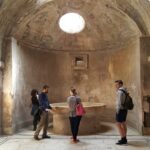

Pompeii Tours, compared.
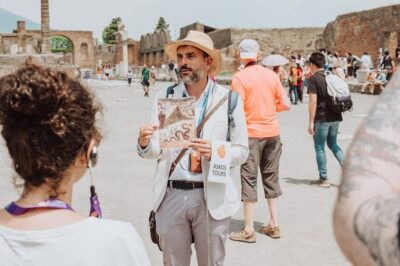 ★ 4.8Pompeii: Entry Ticket and Guided Tour with an ArchaeologistFrom $3519,459 reviews
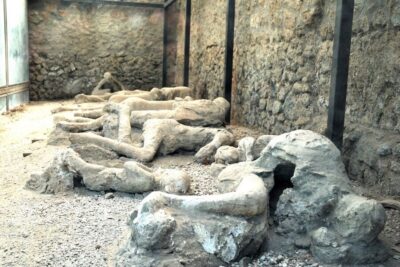 ★ 4.1Pompeii: Entry Ticket with Audio GuideFrom $4013,491 reviews
 ★ 4.8Pompeii: Small Group Tour with an ArchaeologistFrom $4012,264 reviews
 ★ 4.3Pompeii Ruins & Mount Vesuvius Day TourFrom $12011,459 reviews
★ 5.0Pompeii Small Group Tour with an ArchaeologistFrom $356,593 reviews
★ 4.3Pompeii Ruins & Mount Vesuvius Day TourFrom $12011,459 reviews
★ 5.0Pompeii Small Group Tour with an ArchaeologistFrom $356,593 reviews
 ★ 4.5Skip-the-line Pompeii – Small Group TourFrom $544,401 reviews
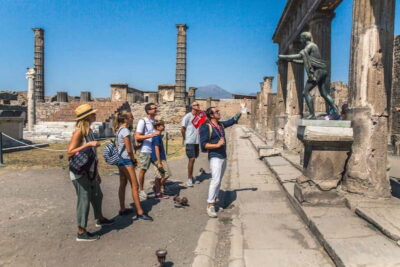 ★ 4.6Naples or Sorrento: Full-Day Pompeii and Mount Vesuvius TourFrom $1044,235 reviews
 ★ 3.9Pompeii: Skip-the-line Entry Ticket with Audio Guide & MapFrom $433,153 reviews