
Review · POMPEII TOURS
Pompeii VIP 3h Tour: Skip-the-line with your Archaeologist
Pompeii hits different with an archaeologist. This VIP tour is built around skip-the-line access and a personal archaeologist who ties the big sights to what the excavations actually found. I love the pace for first-timers, and I love that the tour uses specific objects and stories (including finds from the latest work) instead of vague museum talk. The main catch: it’s not cheap, so it makes the most sense if you’re traveling as a solo traveler or a very small group that will truly value expert guidance.
You’ll start at Porta Marina Superiore (right in front of Hortus Bar) and loop back there at the end, which keeps things simple when you’re managing time on a hot day. One more thing to consider: Pompeii is uneven and you’ll cover a lot of ground in 3 hours, so plan on real walking with comfortable shoes.
In This Review
- Key highlights at a glance
- Porta Marina Superiore: the smooth start that matters
- The volcano context: why the tour starts with finds
- Basilica and the civic core: learning Pompeii’s daily politics
- Temples and the market rhythm: Apollo, Jupiter, and the Macellum
- Walking the Greater Decumano: engineering you can actually feel
- Domus time: newly opened houses and what daily life looked like
- Via dell’Abbondanza and the feeling of a real city
- House details meet public space: theatre and everyday-object displays
- The Garden of the Fugitives: the part that lands hardest
- Finishing at the amphitheatre: public life on display
- Skip-the-line, tickets personalized: the logistics you should plan for
- Languages and pacing that fit real humans
- Price and value: what you get for $407.83 per group (up to 1)
- Who should book this VIP Pompeii 3-hour tour
- Booking with confidence: timing, ID, and what to bring
- Should you book the Pompeii VIP 3-hour tour?
- FAQ
- How long is the Pompeii VIP 3-hour tour?
- Where do I meet the tour?
- Does the ticket price include admission?
- Is skip-the-line entry included?
- What languages are available for the guide?
- Is transportation included?
- Are food and drinks included?
- Do I need ID for entry?
- Is this tour wheelchair accessible?
- Can I cancel and get a refund?
Key highlights at a glance
- Skip-the-line entry at Porta Marina Superiore so you start seeing ruins faster
- Personal archaeologist guidance with explanations tied to excavation discoveries
- Last excavations and objects on view (like a coin that shifted the eruption date and a heavy golden arm cuff)
- Newly opened houses and restored areas including the House of Golden Cupids
- The Garden of the Fugitives with the famous casts showing what happened during the eruption
- Finish at the amphitheatre so your tour ends with a strong sense of public life
Which Pompeii ticket and guide? Compare a few more.
- Pompeii: Entry Ticket and Guided Tour with an Archaeologist★ 4.8 · 19,459 reviews
- Pompeii: Small Group Tour with an Archaeologist★ 4.8 · 12,264 reviews
- Pompeii: Skip-the-line Entry Ticket with Audio Guide & Map★ 3.9 · 3,153 reviews
- Naples: Pompeii and Mt. Vesuvius with Lunch and Wine Tasting★ 4.5 · 2,454 reviews
Porta Marina Superiore: the smooth start that matters
The best Pompeii tours solve one big problem early: lines. This one uses skip-the-line service and has you meeting at Porta Marina Superiore, right in front of Hortus Bar. That means you’re not burning your morning waiting while other people get inside.
Starting here also helps you orient quickly. Porta Marina is your gateway into the Roman city, so you’re not just “wandering ruins.” You’re learning how the town was laid out, and how people moved from entrance areas toward forums, markets, temples, homes, and entertainment.
Practical note: Pompeii’s ticketing rules now require your full name and surname on the ticket. You’ll need to provide the participant names, and you should bring an original ID or passport for adults and kids. And yes, arrive on time—your ticket is personal.
The volcano context: why the tour starts with finds
One of the smartest parts of this experience is how the tour sets the scene before the heaviest walking begins. As you look toward Vesuvius, your guide brings in the excavation evidence—what archaeologists found, what it changed, and why it matters.
You might see examples like a coin that changed what we know about the eruption date, plus a heavy golden arm cuff found in recent work. These details sound small, but they’re big for understanding Pompeii. They show how the story keeps getting refined as digs continue, and how “facts” come from physical traces—not vibes.
If you like history that has receipts, you’ll appreciate this approach. It turns Pompeii from a single famous disaster into a city you can reason through.
Basilica and the civic core: learning Pompeii’s daily politics
Once inside the city, the tour leans into the places where people acted like themselves: gathering, trading, worshipping, arguing, and organizing life.
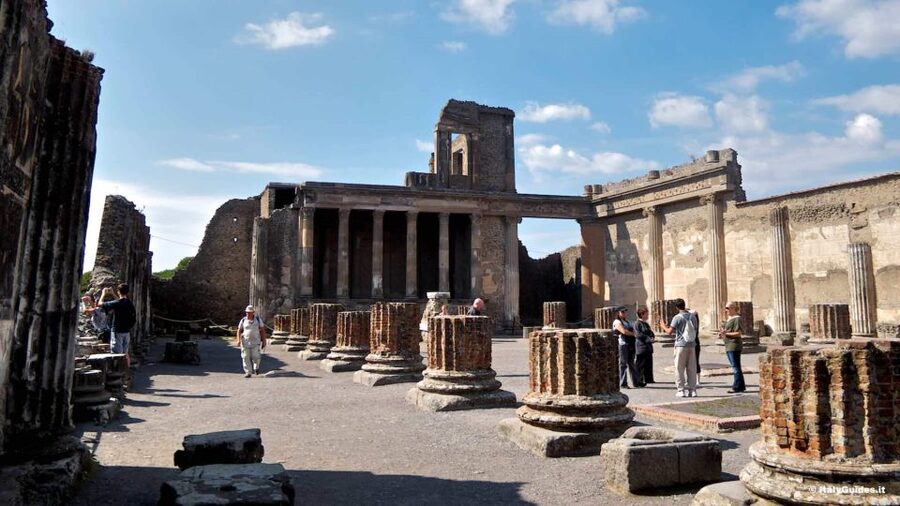
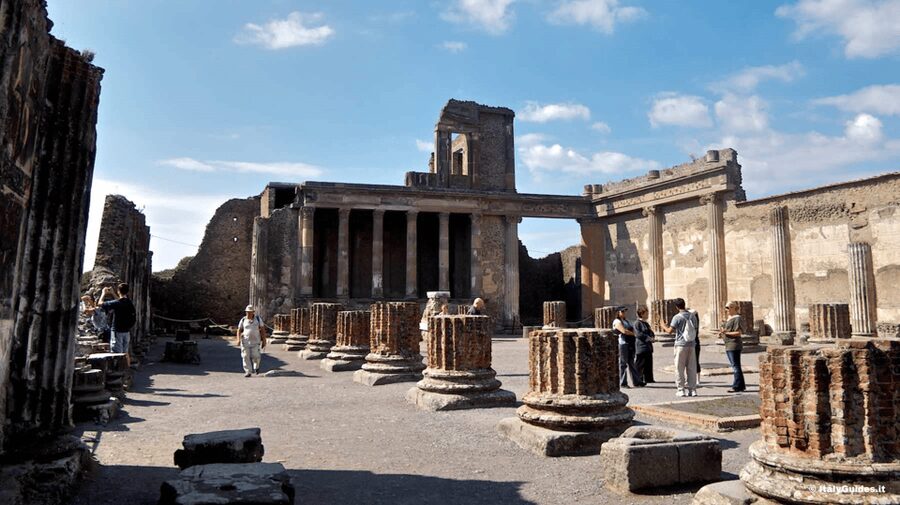
You’ll move through major civic spaces, including the Basilica and the Foro Civile di Pompei (the civic forum area with markets and key temples). This is where your archaeologist can explain how public buildings shaped routines—who came here, what this space likely meant, and how the city’s structure mirrored Roman values.
A good thing about this section is that it’s not only about big monuments. The forum area helps you understand why Pompeii felt like a working city, not a theme park. Even when you’re standing among stone fragments, you can start picturing the flow of people and commerce.
If you’re sensitive to crowds or noise, note that the forum zones can feel busy. The VIP format helps by getting you past the biggest entry bottleneck, but Pompeii is still Pompeii.
Temples and the market rhythm: Apollo, Jupiter, and the Macellum
From the forum core, the tour expands into religious and commercial anchors. You’ll visit the Temple of Apollo and later the Temple of Jupiter, both central to how Pompeii’s population organized spiritual and civic identity.
Then comes the Macellum of Pompeii, essentially a market complex. This stop is especially useful for connecting what you see to what you’d do if you lived there. Markets are where food, schedules, social life, and status all intersect. So when your guide talks about layout and finds, you can mentally plug in the everyday behavior that the ruins preserve.
A small but meaningful benefit here: with an archaeologist guiding you, you’re less likely to miss how these sites connect. It’s one thing to see temples and markets. It’s another to understand why they sit where they do and how people likely used them.
Other Pompei Campania outings worth a look before you book
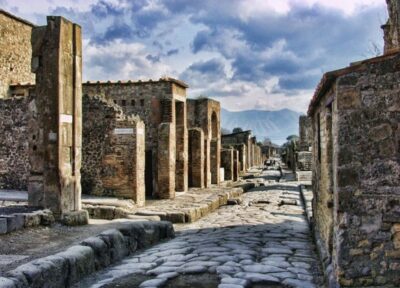


Walking the Greater Decumano: engineering you can actually feel
A favorite stretch for many Pompeii first-timers is the Greater Decumano, one of the main streets. This is where the tour can turn ruins into a real system you can imagine.
You’ll look at the thermal system—Roman heating and water tech that makes the city feel surprisingly functional. You’ll also pass the Lupanare, often described as a charming stop in tour language because it reminds you Pompeii wasn’t solemn all day. It was a place with nightlife, commerce, and human behavior.
Here’s the practical side: this portion of the walk makes you slow down. You’ll be paying attention to details like street layout and infrastructure, not only dramatic wall art or statues. That can be the difference between a “photos only” visit and a visit that sticks.
Domus time: newly opened houses and what daily life looked like
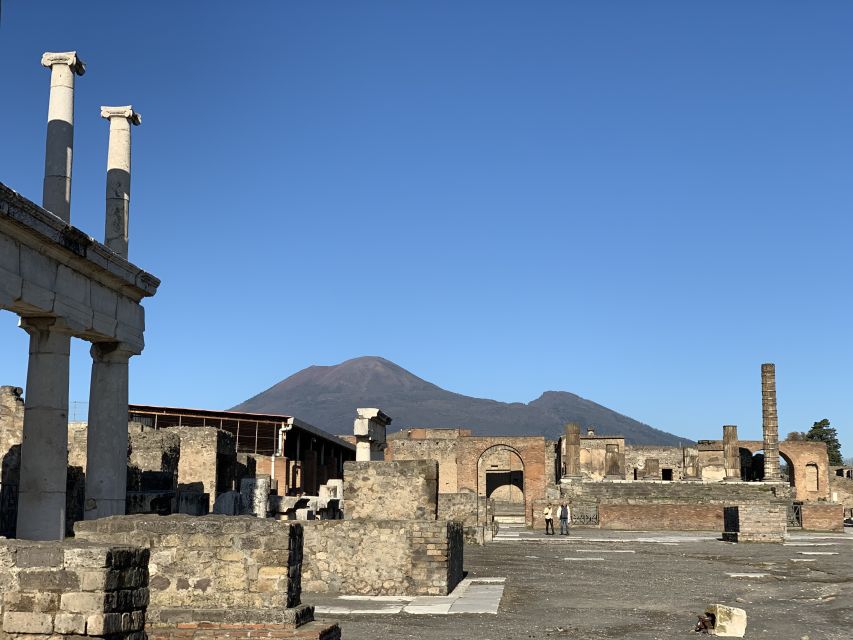
This is where the tour earns its VIP tag.
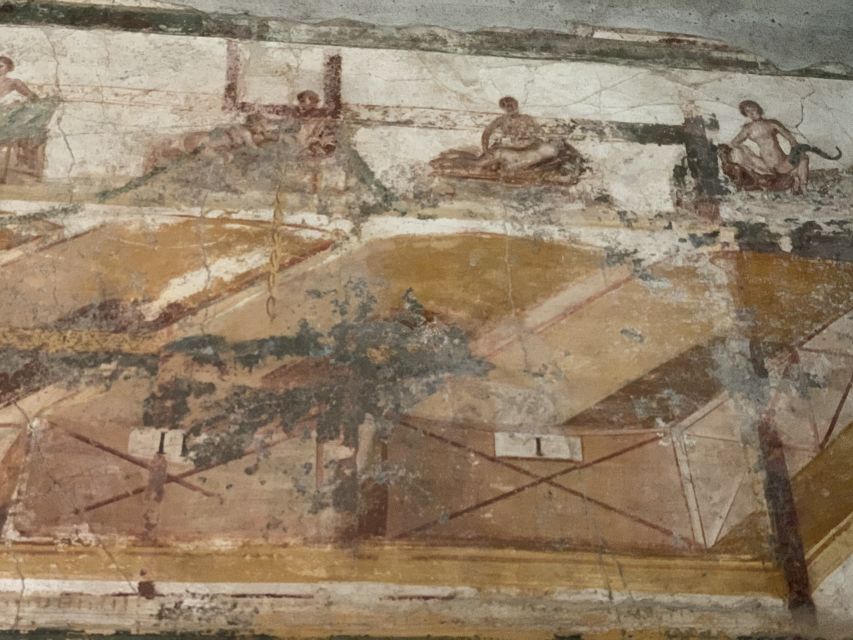
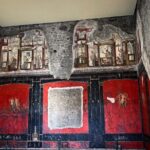
You’ll explore beautiful domus, including some areas that have been recently opened. Private homes are powerful in Pompeii because they capture the private side of Roman life—how wealth expressed itself, how families organized space, and what people valued enough to decorate.
The tour includes restorations such as the House of Golden Cupids, and it also takes you through notable homes listed on the route, including:
- House of the Tragic Poet
- House of Menander
You’ll likely get context for what visitors normally don’t notice on their own: layout choices, decorative themes, and how the surviving material points to household habits.
One thing to keep in mind: houses can mean stairs, thresholds, and uneven surfaces. If you’re expecting an easy stroll, adjust your plan. Bring sturdy shoes and give yourself a bit of patience with the terrain.
Via dell’Abbondanza and the feeling of a real city
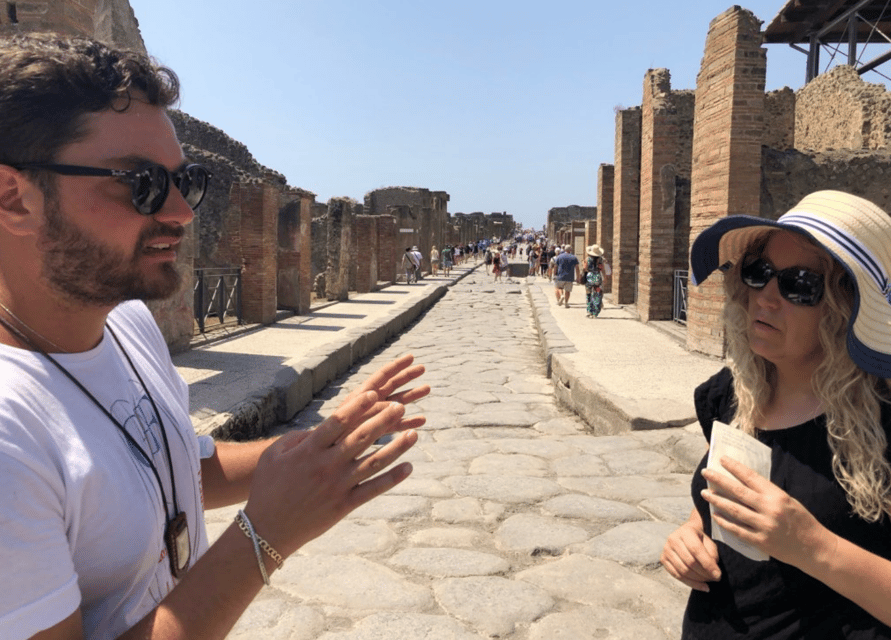
As the tour moves along via dell’Abbondanza, you get a sense of the city’s street life without needing to know Latin or Roman architecture.
This stop functions like a bridge between the public spaces (forums and temples) and the more emotional parts of the Pompeii story (the eruption aftermath scenes). Your guide can help you connect architecture and human movement: where people would pause, where they’d pass through, and why storefront-adjacent areas mattered.
If you’re the kind of person who enjoys “how people lived,” this segment keeps things grounded.
House details meet public space: theatre and everyday-object displays
The route also includes major entertainment and museum-like areas. You’ll visit the Large Theatre, which helps show Pompeii as a place with public performance and social gatherings.
The tour also references the Great Gymnasium, where daily objects are exposed. Even if the objects themselves aren’t the headline, this kind of stop is valuable because it makes Pompeii feel inhabited. It’s not just about grand architecture—it’s about tools and daily routines that archaeologists preserve so we can understand what life was like when the streets were full.
If you like tours that explain why artifacts and buildings belong together, you’ll feel it here. You’re moving from performance spaces to household and daily-life evidence rather than bouncing randomly.
The Garden of the Fugitives: the part that lands hardest
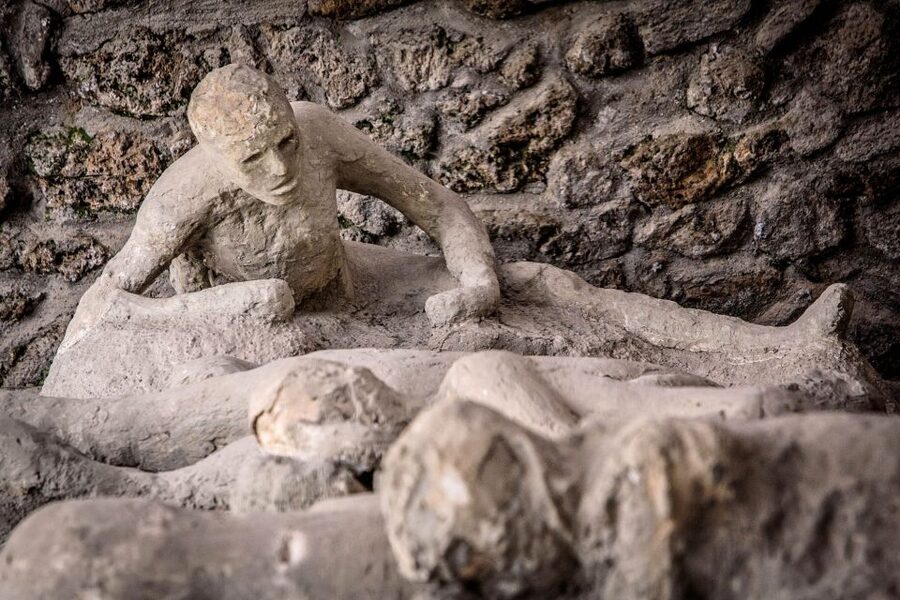
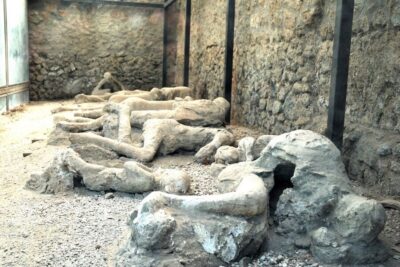
The Garden of the Fugitives is the emotional stop on this tour. During the eruption, people tried to escape, but they perished. What remains are the body moulds, which your guide will frame in the context of what happened and how these casts were formed.
This isn’t a “scenic” moment. It’s a moment that asks you to slow down and accept the reality beneath the visuals.
A practical note: this stop can be intense for kids and for anyone who prefers lighter history. If you’re bringing children, ask your guide how to handle the tone. The archaeologist can tailor the explanation to keep it age-appropriate, since the facts are the facts but the delivery can change.
Finishing at the amphitheatre: public life on display
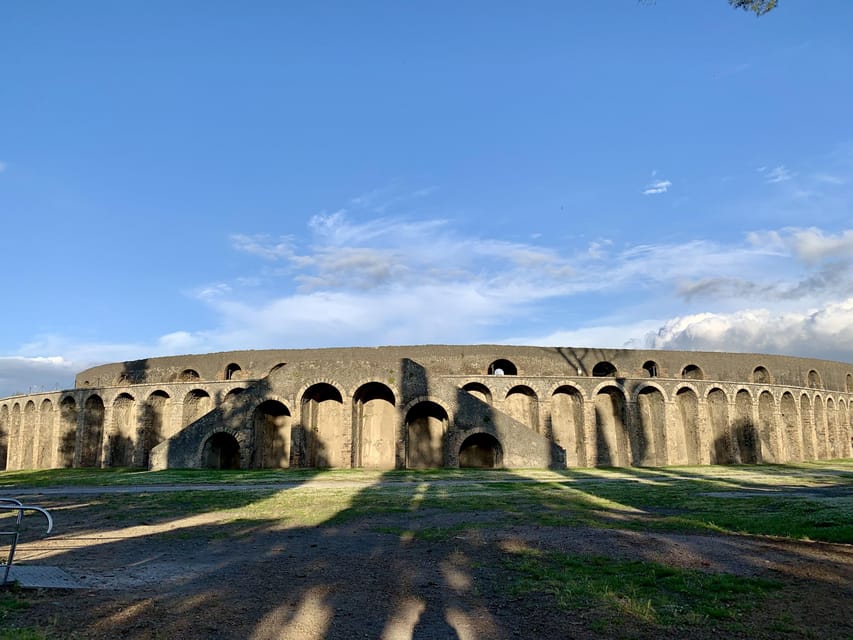
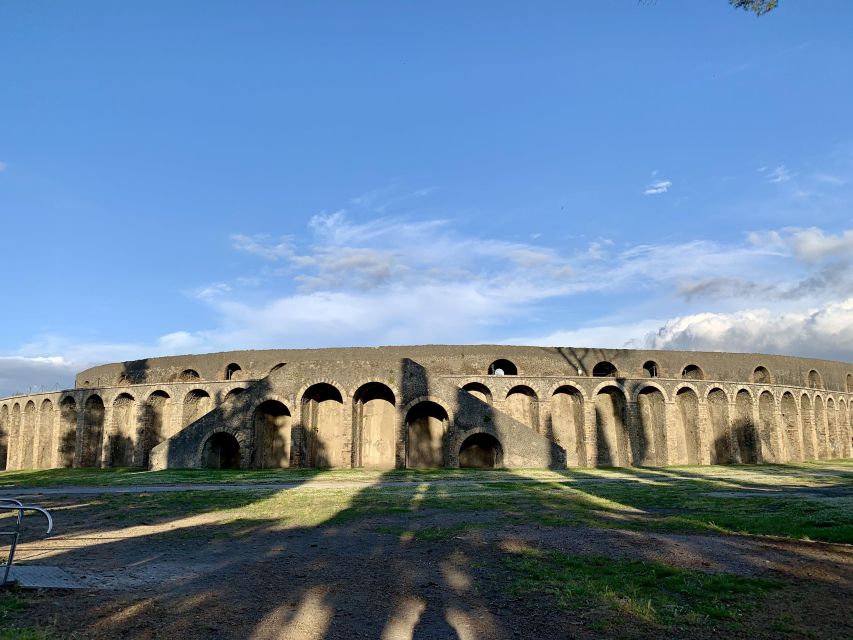
You’ll end at the amphitheatre, the final stop of your journey. Ending here works well because it wraps Pompeii’s story in a clear theme: public gathering.
Amphitheatres are built for spectacle, and they represent why Roman culture placed so much emphasis on communal entertainment. By the time you reach this point, you’ve already seen how the city was organized—entrances, streets, public buildings, homes, and then the big gathering space.
It also makes the tour feel complete. You started at a gateway and you end where crowds would have gathered.
Skip-the-line, tickets personalized: the logistics you should plan for
This VIP tour is straightforward, but it has one modern twist: tickets are personal. You’ll need to provide participant names, and everyone should bring ID/passport.
Also plan for punctuality. Since tickets are assigned, arriving late can mess with entry even if the ruins are open.
Good news: the tour is wheelchair accessible and offered in several languages—English, French, Spanish, Italian. And the group is private, so you won’t get the “everyone for themselves” feel that can happen in larger groups.
Languages and pacing that fit real humans
A 3-hour Pompeii visit is not long, but it’s long enough to see major zones and still get explanation. If you usually read wall labels and move on, you’ll feel the advantage of a live archaeologist quickly.
Your feet may disagree, though. Pompeii isn’t flat, and some stops require careful footing.
Price and value: what you get for $407.83 per group (up to 1)
The price shown is $407.83 per group up to 1. That sounds steep until you look at what’s included.
You’re paying for:
- a private guided tour
- a personal archaeologist
- admission tickets included
- skip-the-line service
- full assistance
You’re not paying for:
- transportation
- food and drinks
So the value math depends on your travel style. If you’re going as a single traveler and you’d rather not stress about ticket timing or lose time to crowds, the included entry and personal guidance can feel worth it. If you’re a bigger group, this price structure can still work out, but your best value depends on how the group size aligns with the pricing rules.
My practical take: this is the kind of tour that pays off when you care about understanding what you’re seeing. If you just want snapshots, you’ll likely feel the cost more than the benefit.
Who should book this VIP Pompeii 3-hour tour
This tour makes the most sense if:
- you want a guided route that hits key civic sites, homes, and the emotional eruption aftermath
- you like excavation-based storytelling, not just general descriptions
- you’d rather spend time learning than sorting tickets and entrances
- you’re short on time but don’t want a “rushed and forgettable” visit
It might be less ideal if:
- you’re expecting minimal walking
- you want transportation included (it isn’t)
- you’re mainly looking for a casual photo walk
If you’re the type who loves details about how archaeology updates the story, you’ll probably be happy here. The inclusion of specific finds like the eruption-date-shifting coin and the golden arm cuff signals that the guide will use real evidence, not only set pieces.
Booking with confidence: timing, ID, and what to bring
Here’s what you can do now to make the day smoother:
- Wear comfortable shoes you trust on uneven ground
- Bring sunscreen and comfortable clothes (the tour is outdoors most of the time)
- Bring your original ID or passport since tickets are personal
- Be on time at Porta Marina Superiore (in front of Hortus Bar)
If you want schedule flexibility, you can book with a reserve-now option and pay later, and you have free cancellation up to 24 hours in advance.
Should you book the Pompeii VIP 3-hour tour?
Yes, if you want to trade waiting and guessing for an expert-led route with admissions handled and the best explanation available inside a short timeframe. This is a smart pick when Pompeii is on your list but you’re not the type who enjoys reading everything alone.
Skip it if you’re expecting an easy stroll, you’re not interested in excavation-based storytelling, or you want the tour to handle your transport and meals. Then a simpler group tour (or a self-guided visit with audio) may fit better.
If you do book, aim for good shoes, real timing, and a mindset for both the civic grandeur and the heavier eruption moment. That mix is exactly what makes Pompeii unforgettable when someone can put it into context.
FAQ
How long is the Pompeii VIP 3-hour tour?
The duration is 3 hours.
Where do I meet the tour?
The meeting point is Porta Marina Superiore, right in front of Hortus Bar. The tour ends back at the same place.
Does the ticket price include admission?
Yes. Admission tickets are included in the tour price.
Is skip-the-line entry included?
Yes. The tour includes a skip-the-line service.
What languages are available for the guide?
The tour is available in English, French, Spanish, and Italian.
Is transportation included?
No. Transportation isn’t included.
Are food and drinks included?
No. Food and drinks aren’t included.
Do I need ID for entry?
Yes. Pompeii’s ticketing rules require your full name and surname on the ticket, and you should bring an original ID or passport for both adults and kids.
Is this tour wheelchair accessible?
Yes, it is listed as wheelchair accessible.
Can I cancel and get a refund?
Yes. You can cancel up to 24 hours in advance for a full refund.
More Tours in Pompei Campania




More Tour Reviews in Pompei Campania



More Pompeii Tours to Compare
More Pompei Campania tours, freshly reviewed




Pompeii Tours, compared.
 ★ 4.8Pompeii: Entry Ticket and Guided Tour with an ArchaeologistFrom $3519,459 reviews
 ★ 4.1Pompeii: Entry Ticket with Audio GuideFrom $4013,491 reviews
 ★ 4.8Pompeii: Small Group Tour with an ArchaeologistFrom $4012,264 reviews
 ★ 4.3Pompeii Ruins & Mount Vesuvius Day TourFrom $12011,459 reviews
★ 5.0Pompeii Small Group Tour with an ArchaeologistFrom $356,593 reviews
★ 4.3Pompeii Ruins & Mount Vesuvius Day TourFrom $12011,459 reviews
★ 5.0Pompeii Small Group Tour with an ArchaeologistFrom $356,593 reviews
 ★ 4.5Skip-the-line Pompeii – Small Group TourFrom $544,401 reviews
 ★ 4.6Naples or Sorrento: Full-Day Pompeii and Mount Vesuvius TourFrom $1044,235 reviews
 ★ 3.9Pompeii: Skip-the-line Entry Ticket with Audio Guide & MapFrom $433,153 reviews
Browse the lists this tour appears in