
Review · POMPEII TOURS
Pompeii Tour_Skip the line ticket + audioguide
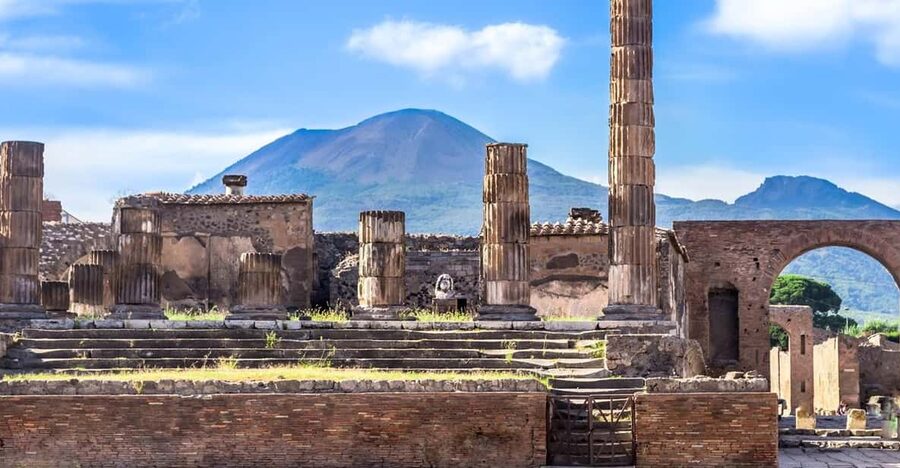
Pompeii hits hard in person. This skip-the-line ticket with an audio guide is built for a fast, low-stress visit, so you can spend your time walking Roman streets instead of waiting at the gate. Pompeii is huge (about 66 hectares) and draws around 3 million visitors a year, so any help keeping things moving is worth real money.
What I like most is the combination of skip-the-line entry plus an audio guide and updated map that help you navigate without feeling totally on your own. I also appreciate that the package is designed for an easy, self-guided pace in a UNESCO-listed site where you can hit the big highlights—houses, baths, temples, theatres, even the casts of eruption victims.
One consideration: the audio guide experience is included, but some people have found it a bit succinct—so if you crave deeper storytelling, you may want extra support on-site or plan to read up beforehand.
In This Review
- Key highlights at a glance
- Pompeii in One Day: Why 66 Hectares Feels Like a Lot
- Skip-the-Line Entry Next to Bar De Vivo: Starting Smoothly
- Using the Audio Guide and Updated Map Without Getting Lost
- Must-See Stops: Domus, Baths, Temples, Shops, and the Amphitheatre
- A simple strategy for a one-day plan
- The Real Value: How This Package Helps You Feel in Control
- Price and Logistics: Is $44 a Good Deal?
- Languages and Comfort: What You’ll Want to Bring
- So, Should You Book This Pompeii Skip-the-Line Audio Ticket?
- FAQ
- What is included in the Pompeii tour package?
- Does this ticket skip the line at Pompeii?
- How long is the visit?
- Where is the meeting point?
- What languages are available for the audio guide?
- What should I bring?
- Is free cancellation available?
Key highlights at a glance
- Skip-the-line ticket helps you get moving sooner at one of Italy’s most visited sites
- Audio guide + updated map supports self-guided exploring without getting turned around
- One-day validity fits a tight schedule while still letting you choose what to prioritize
- Multiple audio languages (including English, French, German, Italian, Spanish, plus others)
- UNESCO Hermitage site status adds cultural weight to every step you take
- All the big categories of Pompeii are covered: homes, baths, temples, shops, theatres, brothels, casts, and the amphitheatre
Which Pompeii ticket and guide? Compare a few more.
- Pompeii: Entry Ticket and Guided Tour with an Archaeologist★ 4.8 · 19,459 reviews
- Pompeii: Small Group Tour with an Archaeologist★ 4.8 · 12,264 reviews
- Pompeii: Skip-the-line Entry Ticket with Audio Guide & Map★ 3.9 · 3,153 reviews
- Naples: Pompeii and Mt. Vesuvius with Lunch and Wine Tasting★ 4.5 · 2,454 reviews
Pompeii in One Day: Why 66 Hectares Feels Like a Lot
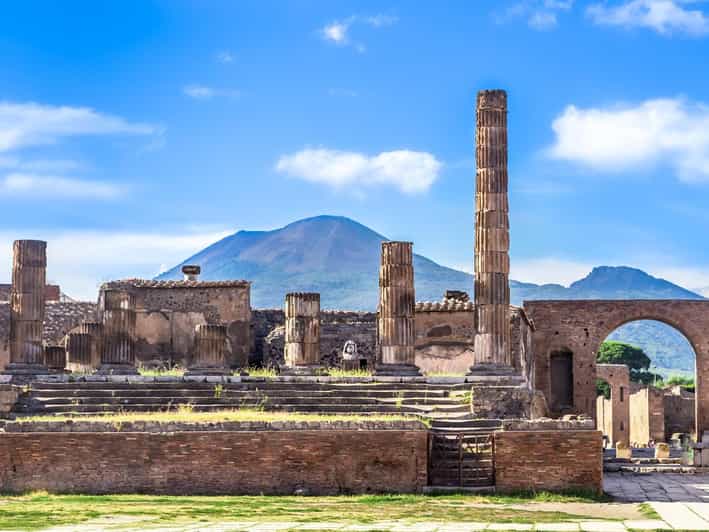
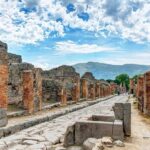
Pompeii isn’t just a ruin. It’s one of the most important archaeological sites tied to the Ancient Rome world, and it covers a massive area—about 66 hectares. With around 3 million visitors each year, it’s easy to see why “quick entry” matters. Even if you enjoy crowds, time inside is what counts.
In practice, your biggest challenge is not boredom—it’s choosing. With a one-day visit, you’ll want to work smarter than just walking in a straight line. The audio guide and updated map are there so you can follow an itinerary idea, pick the sections you care about, and avoid the classic problem of spending an hour wandering and still feeling like you missed the point.
If you like structured freedom—meaning you can steer yourself but want prompts—that’s where this package shines.
Skip-the-Line Entry Next to Bar De Vivo: Starting Smoothly
The meeting point is right next to Bar De Vivo. That detail sounds small, but it matters when you’re arriving in an active tourist area and want to avoid last-minute stress.
Here’s the practical benefit of skip-the-line: Pompeii’s popularity means lines can eat your plan. With a skip-the-line ticket, you’re positioned to spend more of your day on the site itself. It’s not magic—Pompeii is still enormous—but reducing time lost at the entrance is one of the best ways to get value from a limited timeframe.
Also note there’s a host/greeter available in English, Italian, Spanish, and French. That’s useful if you need help figuring out timing or want to confirm where to begin.
Using the Audio Guide and Updated Map Without Getting Lost
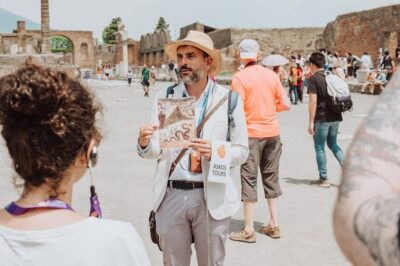
This is an audio-guide-driven experience, so you’re not following a live guide’s pace. Instead, you’ll get an audio guide in multiple languages and an updated map meant to support independent exploring.
That approach is ideal if you like control. You can stop when something catches your eye—like a fresco, a layout detail, or an area connected to everyday life—then move on when you’re ready. You’re also not locked into a group rhythm, which is a big deal at Pompeii where some spots are more compelling than others.
The updated map and the existence of different itineraries are also key. When a site spreads out over dozens of hectares, an “optional itinerary” is really a time-management tool. It helps you avoid wandering into areas that don’t match your interests that day—especially if you’re only there for one day.
One thing to keep in mind: some people have felt the audio guide can be too brief, with limited detail. If you’re the type who wants deeper context—who wonders why a space was built a certain way, or how daily life really worked—you might want to come with a little background reading. Then the audio guide becomes a helpful cue, not your entire learning engine.
Must-See Stops: Domus, Baths, Temples, Shops, and the Amphitheatre
Pompeii works well as a choose-your-own highlights tour because it covers so many categories of ancient life. The package is designed to help you reach key themes, not just “see ruins.”
Here are the big stops you can expect to focus on with your audio guide and map:
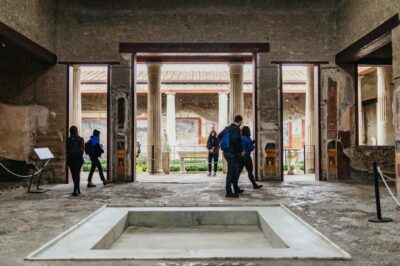
Domus (frescoed houses)
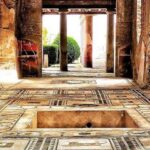
Walking through the residential areas is where Pompeii can feel most personal. You’re not looking at abstract stones—you’re seeing spaces that once held real routines. Frescoes, room layouts, and the sheer sense of everyday indoor life make these stops especially memorable.
Spas and bath areas
Bath culture is one of the most recognizable parts of Roman civilization. In Pompeii, spas and bath spaces help you understand how public life and social routines were built into daily habits.
Temples and religious spaces
You’ll come across temple areas that help explain what people valued and how belief was tied to civic identity. These stops are often visually less “instant entertainment” than houses, but they add meaning when you connect them with the daily-life scenes around them.
Shops and street life
Pompeii includes spaces that feel like the commercial engine of a city. Shops and everyday business areas help you imagine how goods and services moved through the streets.
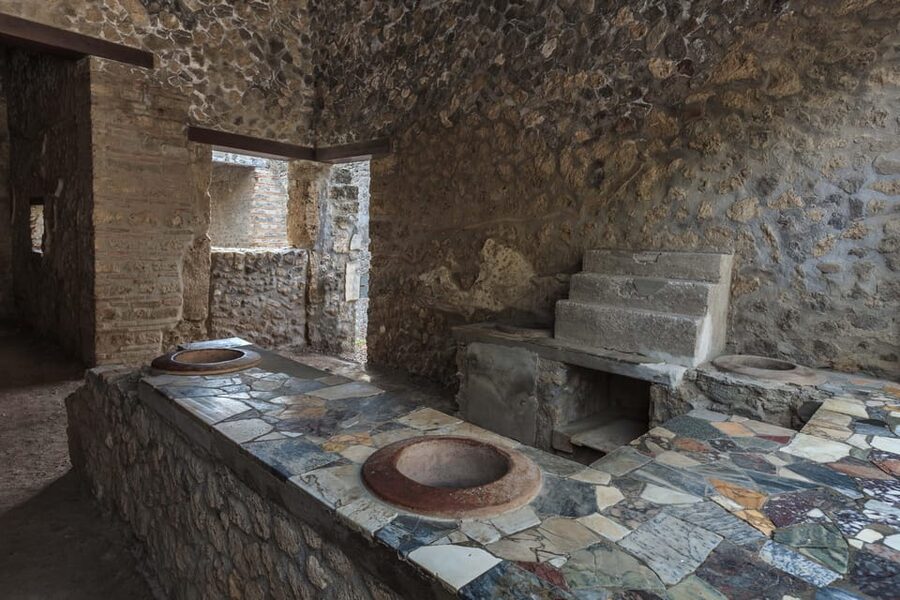
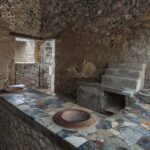
Thermopolis (a kind of fast food spot)
This is one of the more charming ideas you can learn while walking. A thermopolis functioned like a grab-and-go counter for the time—think practical food on the move. It’s the kind of detail that turns a ruin into a lived-in city, even if you’re only there for hours.
Theatres and the entertainment side
Theatres represent another angle: social life, performance, and public gatherings. Pair this with the residential and street stops and you start to see a city with multiple roles, not just one.
Brothels
These are uncomfortable to look at, but they also make Pompeii feel real. The brothel spaces show that even the most “morality-coded” parts of a city were part of ordinary life. If you want a less graphic experience, plan to skim quickly and move on—your schedule is self-paced.
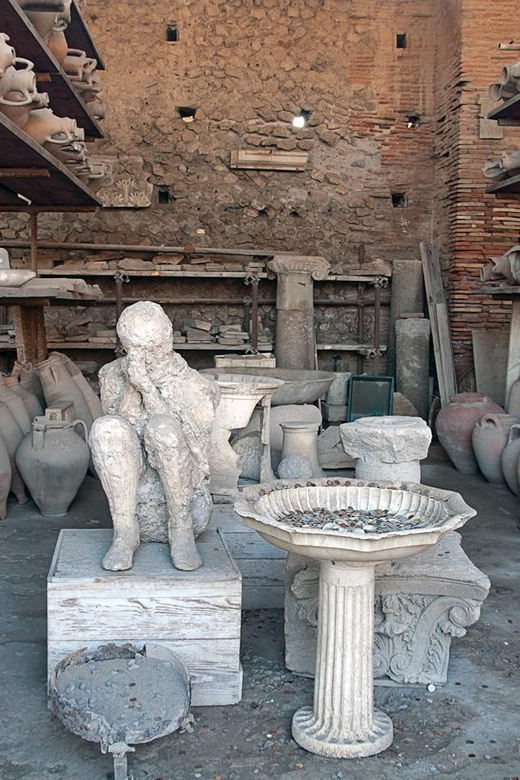
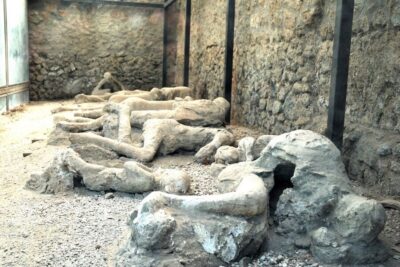
Casts of the victims
The casts of eruption victims are the emotional center of Pompeii. Even without heavy narration, seeing those forms helps you understand the tragedy behind the stillness. If you’re sensitive, give yourself time here and don’t rush it.
One of the best-preserved Roman amphitheatres
End with the amphitheatre if you can. It’s a strong payoff area because it’s built to hold crowds. Even if you don’t know the details, you can sense the scale and the original purpose.
Other tickets and entries for Pompei Campania




A simple strategy for a one-day plan
Since you’re independent, I suggest working by “clusters,” not by a rigid checklist. Do a cluster of residential and street-life first (domus + shops + thermopolis), then add public spaces (baths + temples + theatres). Leave the amphitheatre and the emotional casts for later so the end of the day feels like a conclusion rather than a chore.
The Real Value: How This Package Helps You Feel in Control
Pompeii can drain energy fast—mostly because it’s so large and so easy to lose your bearings. This ticket package is valuable because it doesn’t ask you to solve everything yourself from scratch.
You’re getting:
- Entrance ticket for Pompeii Ruins
- Audioguides in multiple languages
- An updated map and itinerary help (so you’re not guessing the best way to spend a day)
That’s the sweet spot for many people: not “guided line-by-line marching,” but not totally solo either.
Also, there’s a practical “group size” advantage here, even without explicit details: self-guided audio tends to be easier to manage than a tightly timed group tour where you feel pressure to keep up. At Pompeii, that pressure can quietly ruin the experience.
Price and Logistics: Is $44 a Good Deal?
At $44 per person for skip-the-line entry plus an audio guide, this can be a strong value—especially if your priority is making the most of a one-day visit.
Here’s how I’d judge whether it fits your travel style:
- If you want maximum time on-site, skip-the-line is the biggest cost-to-benefit driver.
- If you enjoy directing your own stops, an audio guide + updated map is exactly the right support.
- If you’re price-sensitive and already planning to explore independently, bundling entry + audio is usually easier than buying everything separately.
What’s not included matters, too. Transfers, a live guide, and food and beverages aren’t part of the package. So if you need help getting to Pompeii from elsewhere, you’ll need to arrange that separately. If you want a deeper explanation layer, you may also want to add extra support beyond audio.
Languages and Comfort: What You’ll Want to Bring
Pompeii isn’t a “stand still and read placards” kind of place. Plan for real walking. The activity instructions recommend:
- Passport or ID card
- Comfortable shoes
- Comfortable clothes
That’s not just standard advice—it’s essential for Pompeii. You’ll be moving through archaeological areas across a large site, and your day will be decided by how comfortable your feet are.
On language: you can use an audio guide in English, French, German, Italian, Hebrew, Chinese, Russian, Spanish, and Portuguese. A host/greeter is available in English, Italian, Spanish, and French. If you’re booking for a mixed-language group, this package covers a lot.
So, Should You Book This Pompeii Skip-the-Line Audio Ticket?
I’d book this if you match most of these:
- You have one day and want the entrance line reduced.
- You like exploring at your own pace but still want smart guidance via an audio guide + updated map.
- You’re comfortable making decisions about what to focus on among houses, baths, temples, shops, theatres, brothels, victim casts, and the amphitheatre.
I’d hesitate if:
- You really need a deep, detailed explanation from a live guide. There’s at least some feedback that the audio guide can feel succinct, so you might finish the day wanting more context.
- You’re relying on included transportation or meals. Those aren’t part of this package.
If you want a practical Pompeii day that starts fast and keeps you moving, this is a solid option.
FAQ
What is included in the Pompeii tour package?
You get an entrance ticket for the Pompeii Ruins and audioguides in multiple languages.
Does this ticket skip the line at Pompeii?
Yes. The package includes a skip-the-line ticket.
How long is the visit?
It’s valid for 1 day. Starting times depend on availability.
Where is the meeting point?
The meeting point is exactly next to Bar De Vivo.
What languages are available for the audio guide?
Audio guides are available in English, French, German, Italian, Hebrew, Chinese, Russian, Spanish, and Portuguese.
What should I bring?
Bring a passport or ID card, plus comfortable shoes and comfortable clothes.
Is free cancellation available?
Yes. You can cancel up to 24 hours in advance for a full refund.
More Tickets and Entries in Pompei Campania





More Tour Reviews in Pompei Campania



More Pompeii Tours to Compare
More Pompei Campania tours, freshly reviewed


Pompeii Tours, compared.
 ★ 4.8Pompeii: Entry Ticket and Guided Tour with an ArchaeologistFrom $3519,459 reviews
 ★ 4.1Pompeii: Entry Ticket with Audio GuideFrom $4013,491 reviews
 ★ 4.8Pompeii: Small Group Tour with an ArchaeologistFrom $4012,264 reviews
 ★ 4.3Pompeii Ruins & Mount Vesuvius Day TourFrom $12011,459 reviews
★ 5.0Pompeii Small Group Tour with an ArchaeologistFrom $356,593 reviews
★ 4.3Pompeii Ruins & Mount Vesuvius Day TourFrom $12011,459 reviews
★ 5.0Pompeii Small Group Tour with an ArchaeologistFrom $356,593 reviews
 ★ 4.5Skip-the-line Pompeii – Small Group TourFrom $544,401 reviews
 ★ 4.6Naples or Sorrento: Full-Day Pompeii and Mount Vesuvius TourFrom $1044,235 reviews
 ★ 3.9Pompeii: Skip-the-line Entry Ticket with Audio Guide & MapFrom $433,153 reviews