
Review · POMPEII TOURS
Pompeii and Herculaneum Day Tour – with Lunch from Naples
Two ancient cities in one day. That’s exactly what makes this Naples tour work. You get Pompeii fast-track logistics plus the kind of hosting that keeps the whole day feeling organized, including guidance from Chris and Alex. My favorite parts are the structured time at Pompeii and Herculaneum plus the light lunch that gives you a breather between sites. One thing to weigh: Pompeii can feel crowded, and the day still involves a fair amount of walking, so it may be tough if you have mobility limits.
I like that this is built for real-world touring. You ride in modern coaches for the full trip, then use an authorized guide in Pompeii and audio guidance for key portions (especially helpful when you’re moving through big, complex areas). With a maximum group size of 53 and a start time of 8:45 am, you’re set up to see a lot without spending your entire day on logistics—though you’ll need moderate physical fitness to enjoy it comfortably.
In This Review
- Key highlights that matter on the ground
- Pompeii and Herculaneum in one long day: what you’re really buying
- Fast-track Pompeii entry and a smart way to see more
- Pompeii Archaeological Park: what the eruption and excavation story teaches
- Lunch break between sites: the reset that keeps the day enjoyable
- Herculaneum by audioguides: calmer ruins and the Villa dei Papiri connection
- The optional coral and cameo workshop: local craft with a real-world connection
- Timing, pace, and group size: how this day stays workable
- Price and value from Naples: what $120.93 really covers
- What to bring (and how to pace yourself without getting cranky)
- Who this tour suits best (and who should consider another plan)
- Should you book this Pompeii and Herculaneum day tour from Naples?
- FAQ
- Where does the tour start and what time does it run?
- How long are the visits at Pompeii and Herculaneum?
- Is lunch included, and are drinks included too?
- Are entrance tickets to Pompeii and Herculaneum included?
- What language is the tour offered in?
- Do you get a live guide or audio guide?
- Is there fast-track entry to Pompeii?
- How big are the groups?
- Is this tour suitable for people with walking difficulties?
- What is the cancellation policy?
Key highlights that matter on the ground
- Fast-track Pompeii admission helps you avoid a long standstill at the gate
- Live authorized guiding in Pompeii (for groups larger than 6) gives context you can’t easily pick up solo
- Audio-guided visits in Pompeii and Herculaneum keep the pace manageable in large ruins
- Light lunch included gives you a real reset between the two sites
- Villa dei Papiri focus in Herculaneum connects you to the famous library story (over 1,800 papyri)
- Optional coral and cameo workshop if time allows, for a hands-on look at local craft
Which Pompeii ticket and guide? Compare a few more.
- From Naples: Pompeii Ruins & Mount Vesuvius Day Tour★ 4.3 · 11,459 reviews
- From Naples: Skip-the-line Pompeii – Small Group Tour★ 4.5 · 4,401 reviews
- Naples or Sorrento: Full-Day Pompeii and Mount Vesuvius Tour★ 4.6 · 4,235 reviews
- Pompeii & Mt.Vesuvius Day Tour from Naples with Pizza Lunch★ 4.0 · 2,901 reviews
Pompeii and Herculaneum in one long day: what you’re really buying
This tour is for people who want maximum payoff from a single day in Naples. Pompeii and Herculaneum are close enough to link, but far enough that doing both on your own can turn into a planning headache—especially if you’d rather spend your energy looking at ruins than figuring out transport and timed entries.
So what are you buying with the price? Not just a ride. You’re also buying time management. The day is paced around two major archaeological sites, with a reset in between. That “reset” part sounds small, but it changes everything once you’ve been outside under the sun for a while. And because entrance tickets are not included, you still control your ticket choice—while the tour focuses on guiding, timing, and getting you to the right places efficiently.
There’s also a useful split in how you experience the sites: Pompeii gets structured guidance, while Herculaneum leans harder on audio and walking. That combination works well because Pompeii tends to be busier and more sprawling, while Herculaneum is smaller and often feels easier to take in at a human pace.
Fast-track Pompeii entry and a smart way to see more
Pompeii is one of those places where “seeing it” can mean totally different things depending on how you arrive. The big win here is fast-track Pompeii admission, designed to reduce time spent waiting at the gate. Even if you’re excited, time lost at the entrance feels like wasted daylight.
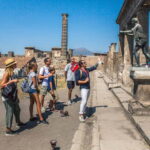
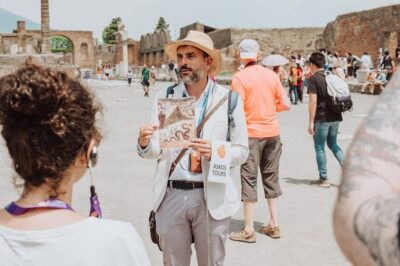
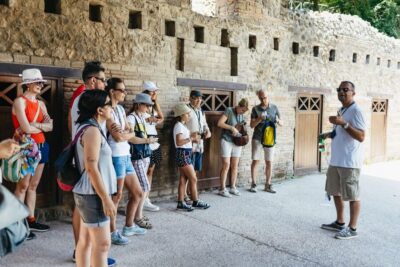
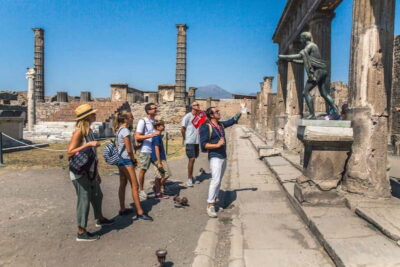
Once you’re in, you don’t just wander. The experience includes guidance in Pompeii: an authorized guide for larger groups (over 6 people), plus audio guidance in smaller group settings (up to 5). That matters because Pompeii isn’t one flat museum. It’s an entire town laid out in sections—streets, homes, public spaces, and the layers of discovery over centuries.
In practice, this format helps you do two things at once:
- You get the story beats you’d otherwise miss.
- You keep moving without getting stuck behind someone trying to “read everything.”
Also, there’s a practical inclusion that helps you plan your day: the itinerary builds in a stop length that makes sense for absorbing a lot without trying to speed-run the site.
Pompeii Archaeological Park: what the eruption and excavation story teaches
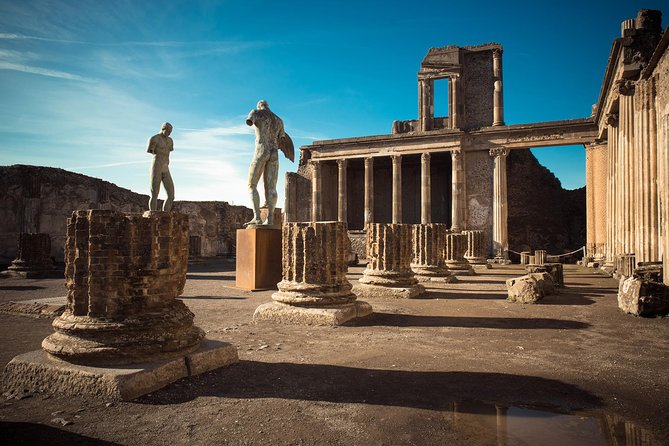
Your day starts with Pompeii Archaeological Park, where you get the big-picture context first. This is where the famous disaster becomes less like a headline and more like something you can understand in physical terms.
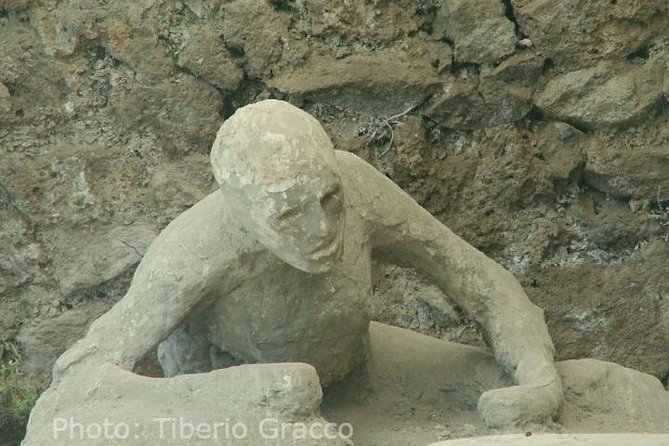
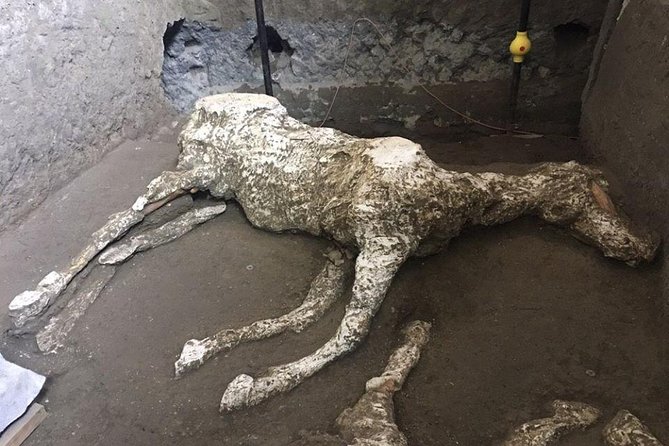
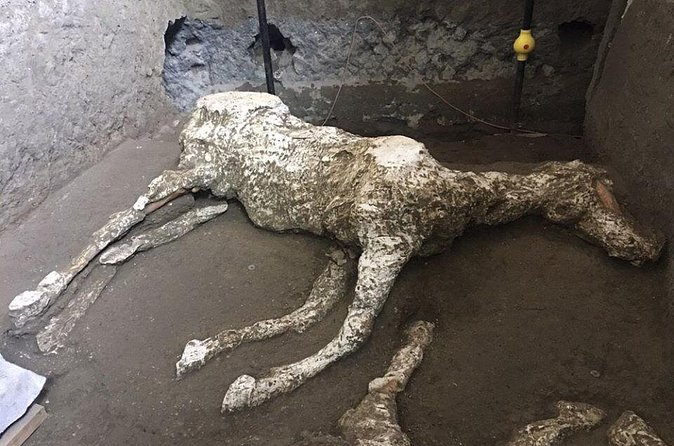
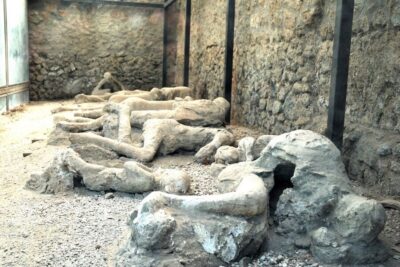
Here’s the core story you’ll be hearing about: around 79 AD, Pompeii had roughly 11,000 inhabitants, while Herculaneum counted closer to 5,000. Both had wealth and status—emperors and aristocrats had holiday villas there. Then, in a dramatic eruption, several meters of ash buried the entire area within hours. That speed is part of what makes these ruins so gripping: it wasn’t gradual ruin. It was an abrupt pause.
You’ll also learn why Pompeii came back into view so dramatically in later centuries. Excavations began in 1748 under the Bourbons government, and the discoveries were treated like a national treasure—supporting wealth and inspiring the neoclassicism movement across Europe. That historical angle matters because it explains why the ruins look the way they do today: they weren’t uncovered as one neat process; they were rediscovered, interpreted, and showcased over time.
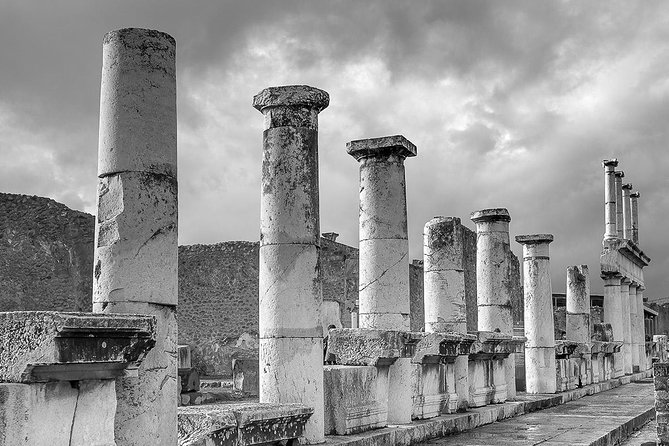
Time-wise, the Pompeii Archaeological Park visit is about 2 hours. That’s enough to get oriented and see major areas without feeling like you’re constantly checking your watch. The only catch: Pompeii’s popularity means you may run into crowd density. If you’re sensitive to that, go in expecting it and focus on navigation and pacing rather than trying to find perfect quiet corners.
If you have extra time, the tour may also include an optional stop at a coral and cameos factory, where you can watch expert artisans at work. That’s not the kind of thing you’d naturally “add on” to a Pompeii day, but it gives you a useful contrast: ancient wealth in one direction, and local craft traditions still alive today.
Lunch break between sites: the reset that keeps the day enjoyable
Between Pompeii and Herculaneum, you get lunch—listed as a light lunch with the important detail that drinks aren’t included. The lunch break is about 40 minutes. That may not sound long, but it’s long enough to do two things well: eat something without rushing and reset your posture and energy before the second site.
This is also where I think the tour earns its value. Doing both Pompeii and Herculaneum back-to-back can drain you faster than you expect, especially if you’re stopping often for photos, looking at details, or simply reading small explanations on walls and in sections. A planned meal keeps you from making the classic mistake: skipping food until you’re exhausted, then turning a great day into a shaky one.
Practical tip: bring a water bottle if you like. The tour includes lunch but doesn’t mention drinks—so you’ll want your own hydration plan for time outdoors.
Herculaneum keeps a few more tours worth your time
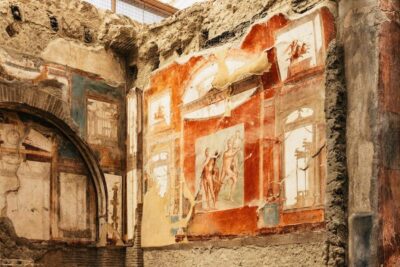
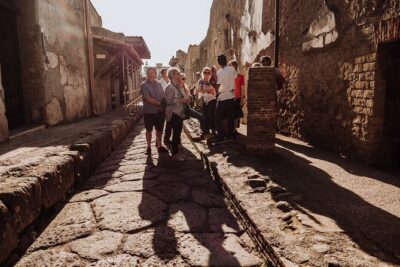
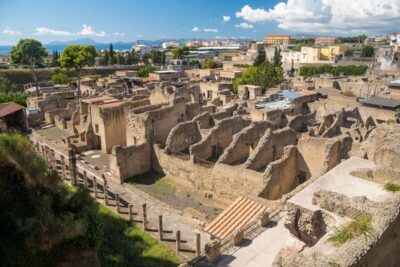

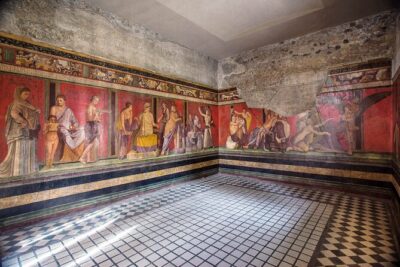
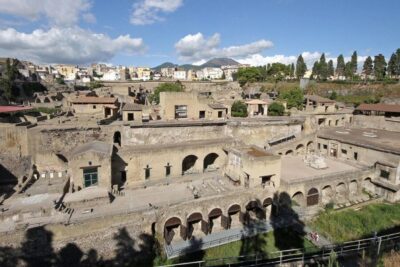
Herculaneum by audioguides: calmer ruins and the Villa dei Papiri connection
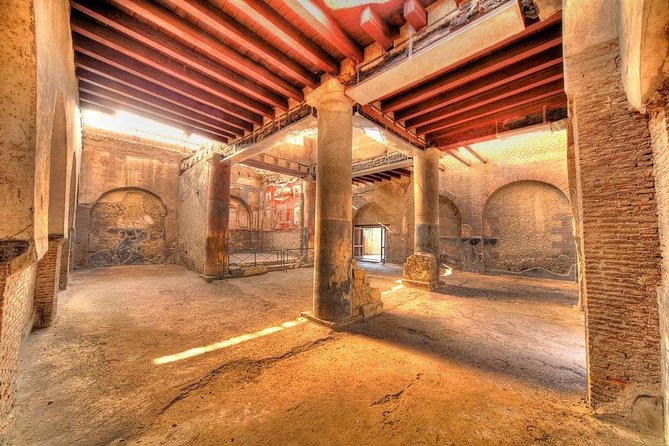
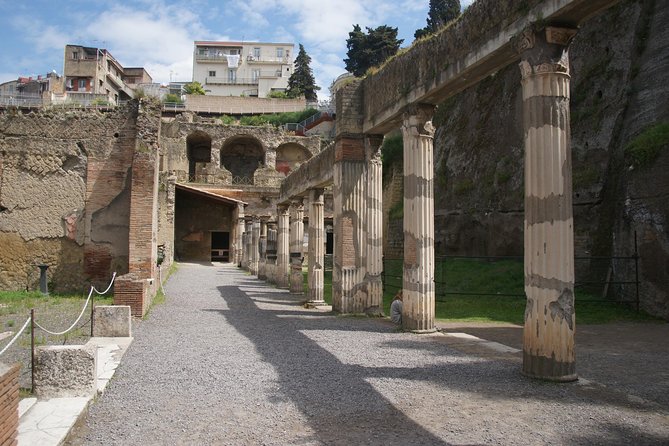
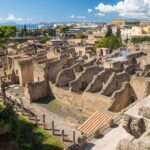
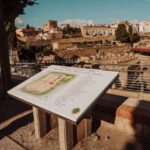
After lunch, you head to Parco Acheologico di Ercolano (Herculaneum). The guiding style changes here: the Herculaneum portion is by audioguides and includes a walking tour of about 1 hour 30 minutes.
That audio format can be a strength. In a compact site like Herculaneum, the story matters as much as the scenery. Audio lets you keep moving while still getting context for what you’re seeing—without waiting for a group to catch up to the guide or getting stuck in a crowd bottleneck.
One reason Herculaneum is often recommended alongside Pompeii is that it connects strongly to the famous Villa dei Papiri, with a library of over 1,800 papyruses. That doesn’t mean you’ll see every ancient book. What you get is the story of why that library became such a landmark and why scholars treat Herculaneum like a time capsule. It’s an especially good counterpoint to Pompeii, which is often the dramatic “streets and homes” experience.
Pace-wise, Herculaneum’s 1h 30m slot feels more digestible than Pompeii’s 2-hour chunk. If you’ve been walking since morning, you’ll likely appreciate that you’re not trying to cram in a third major stop. Instead, you finish the day with a “second act” that feels clearer and more manageable.
The optional coral and cameo workshop: local craft with a real-world connection
If time allows, you may stop at a coral and cameos factory. This is one of those add-ons that can either feel like a sales detour or a genuine snapshot of local skill—depending on how it’s handled.
What I like about this inclusion is that it connects Naples-area craft to something you can recognize in the region’s past and present. Pompeii and Herculaneum show wealth and status in antiquity; a coral and cameo workshop shows what people did with materials and craftsmanship in more recent eras. It doesn’t replace the ruins. It frames them.
The “watch experts work” angle also gives you a chance to sit down or slow your feet for a bit—useful after hours of walking.
Timing, pace, and group size: how this day stays workable
This tour runs for about 8 hours with a 8:45 am start, then returns back to the meeting point at the end. That early start is a practical choice. It helps you get into Pompeii while you still have momentum, and it reduces the odds that you’ll be battling crowds at the worst possible times.
The group limit is 53 people. That’s large enough to keep the cost reasonable, but not so massive that the day feels chaotic. More importantly, you’re not left alone wandering with no structure. You get authorized guiding in Pompeii when the group size supports it, plus audio in smaller group formats, so you can still understand what you’re seeing.
Physical requirements are listed as moderate fitness, and it’s not suitable for passengers with walking difficulties. That’s fair. You’re touring two ruins sites in one day, so there’s unavoidable walking and uneven terrain in archaeological areas. If you’re the type who needs frequent breaks or avoids stairs and long distances, you’ll want to think carefully before booking.
Price and value from Naples: what $120.93 really covers
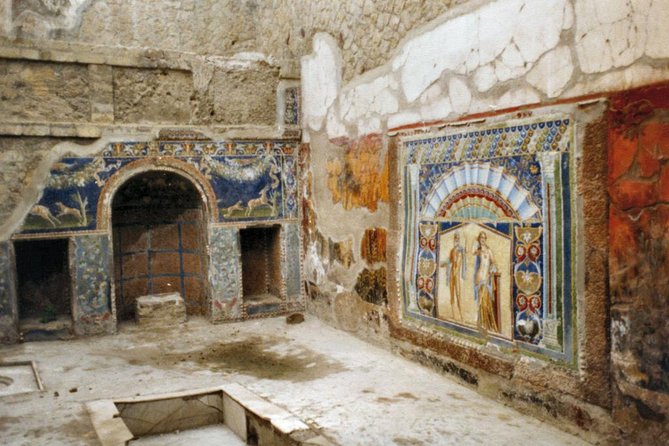
At about $120.93 per person, this tour sits in a mid-range price bracket for a full-day Pompeii-and-Herculaneum experience from Naples. Here’s the breakdown of what the cost includes versus what it doesn’t.
Included:
- Modern coach transportation for the full trip
- Comment on board
- Authorized guide in Pompeii (when the group size applies)
- Audio guides in Pompeii (small-group format)
- Audioguided walking tour in Herculaneum
- Light lunch
Not included:
- Entrance tickets to Pompeii and Herculaneum
- Drinks during the meal
So the value isn’t in “tickets are free.” The value is in the labor and time-saving: you get guided interpretation, audio support where it makes sense, and transportation that removes the logistics stress. For many visitors, that’s exactly what makes a day like this feel worth the money.
There’s also a hidden value: the day avoids the worst inefficiencies. Fast-track admission to Pompeii means your morning time goes into ruins, not waiting. And the lunch break means you don’t burn through energy and enjoyment before Herculaneum.
If you’re coming from Naples and want both sites with guidance, the price makes sense. If you already plan to travel completely independently and you’re fine waiting in line, you might find cheaper options. But you’ll likely pay back that difference in time and hassle.
What to bring (and how to pace yourself without getting cranky)
Because entrance tickets aren’t included, you’ll want to plan your ticket purchase timing so you’re ready for fast-track entry. The tour also uses a mobile ticket, which you’ll want accessible on your phone.
For comfort and sanity, I’d plan for:
- Good walking shoes with traction
- Sun protection and layers (Pompeii/Herculaneum weather can shift)
- A plan for hydration since drinks with lunch aren’t included
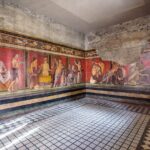
Also, expect more standing and walking than “museum time.” Ruins reading takes longer than you think, especially when you want to look at details like doorways, mosaics, or street layouts. A paced tour helps, but you still control how long you pause.
Who this tour suits best (and who should consider another plan)
This is ideal for you if:
- You want both Pompeii and Herculaneum in one day
- You like having interpretation through authorized guiding and audio
- You prefer a structured plan over figuring out transport and timing on your own
- You’re comfortable with moderate walking for archaeological terrain
It may not be the best fit if:
- You have difficulty with walking or uneven surfaces
- You’re hoping to spend long, leisurely hours in Pompeii without crowd pressure
- You want entrances and drinks handled fully as a packaged bundle (since tickets and drinks aren’t included)
In terms of group vibe, the hosting style seems to keep the day moving well. With hosts named Chris and Alex cited for making things run smoothly, the emphasis appears to be on organization and forward progress—good for first-timers.
Should you book this Pompeii and Herculaneum day tour from Naples?
If you’re balancing a limited schedule in Naples, I think this is a strong choice. You’re getting two major sites with a realistic pace, interpretation through both live and audio formats, and a lunch reset that prevents the classic second-site fatigue spiral.
I’d book it if you want convenience plus context, and you’re okay with the fact that Pompeii can be crowded and the day requires moderate walking. If you’d rather linger slowly at one site and skip the time pressure of a second stop, then you might prefer a more relaxed, single-site plan instead.
Either way, if you go in ready—comfortable shoes, sun protection, and clear expectations about crowds—you’ll get a day that’s far more than a drive-by tour. You’ll leave with two different angles on the same catastrophic moment, plus the added human story of discovery and excavation that made these places famous.
FAQ
Where does the tour start and what time does it run?
It starts at 8:45 am and ends back at the meeting point. The total duration is about 8 hours.
How long are the visits at Pompeii and Herculaneum?
The Pompeii Archaeological Park visit is about 2 hours. The Herculaneum visit is about 1 hour 30 minutes. Lunch is a 40-minute break.
Is lunch included, and are drinks included too?
Yes. The tour includes a light lunch. Drinks are not included.
Are entrance tickets to Pompeii and Herculaneum included?
No. Entrance tickets are not included for both Pompeii and Herculaneum.
What language is the tour offered in?
The tour is offered in English and you’ll have a comment on board as part of the experience.
Do you get a live guide or audio guide?
Pompeii includes an authorized guide (when the group is larger than 6) and audio guides in smaller group settings (up to 5 participants). Herculaneum is done by audioguides.
Is there fast-track entry to Pompeii?
Yes. The experience includes fast-track Pompeii admission to help you avoid a long wait at the gate.
How big are the groups?
The tour has a maximum of 53 travelers.
Is this tour suitable for people with walking difficulties?
No. It is not suitable for passengers with walking difficulties, and it requires moderate physical fitness.
What is the cancellation policy?
You can cancel for a full refund up to 24 hours before the experience’s start time. Within 24 hours of the start time, you won’t receive a refund.
More Tour Reviews in Naples




Herculaneum, a Few More Tours


More Pompeii Tours to Compare

More Naples tours, freshly reviewed



Pompeii Tours, compared.
 ★ 4.8Pompeii: Entry Ticket and Guided Tour with an ArchaeologistFrom $3519,459 reviews
 ★ 4.1Pompeii: Entry Ticket with Audio GuideFrom $4013,491 reviews
 ★ 4.8Pompeii: Small Group Tour with an ArchaeologistFrom $4012,264 reviews
 ★ 4.3Pompeii Ruins & Mount Vesuvius Day TourFrom $12011,459 reviews
★ 5.0Pompeii Small Group Tour with an ArchaeologistFrom $356,593 reviews
★ 4.3Pompeii Ruins & Mount Vesuvius Day TourFrom $12011,459 reviews
★ 5.0Pompeii Small Group Tour with an ArchaeologistFrom $356,593 reviews
 ★ 4.5Skip-the-line Pompeii – Small Group TourFrom $544,401 reviews
 ★ 4.6Naples or Sorrento: Full-Day Pompeii and Mount Vesuvius TourFrom $1044,235 reviews
 ★ 3.9Pompeii: Skip-the-line Entry Ticket with Audio Guide & MapFrom $433,153 reviews
Browse the lists this tour appears in