

Review · HERCULANEUM TOURS
Naples: Herculaneum Entry Ticket with Digital Audio Guide
Vesuvius froze a whole city. A skip-the-line entry into Herculaneum’s Archaeological Park gets you walking fast into a Roman world preserved by the 79 AD eruption, and the included digital audio guide helps you notice what matters—frescoes, wooden doors, and sharp contrasts between home life and harsher quarters. One real drawback to plan for: the audio guide download can be finicky on some phones, so you’ll want to test before you arrive.
I also like the scale of Herculaneum for independent exploring. It’s compact, so you can actually take your time looking at details without feeling like you’re rushing between major checkpoints, and the audio comes in English, French, and Italian. Still, because there’s no guided tour included, you’re responsible for your own flow and timing once you’re inside.
Your “meeting point” is simply the entrance at Corso Resina, 187. After you show your e-ticket on your phone, you scan the QR code to download the audio guide ahead of time—headphones help a lot, and a charged smartphone is non-negotiable.
In This Review
- Key Things to Know Before You Go
- Why Herculaneum Feels More Human Than Pompeii
- Skip-the-Line Entry at Corso Resina: Start Walking Fast
- First Steps Inside: Frozen Streets and Preserved Rooms
- Villas, Frescoes, and the Difference You Can Actually See
- The Ruins Map: Markets, Fountains, and Theaters
- Understanding the 300-Soul Rescue Moment
- Digital Audio Guide Setup: The One Thing to Test
- Price and Value: What $28 Buys You (and What It Doesn’t)
- Getting There and Staying Sane on a Day Visit
- Who Should Book This Self-Guided Herculaneum Ticket
- Should You Book the Herculaneum Entry Ticket With Digital Audio?
- FAQ
- How long is the Herculaneum entry experience valid?
- Is this ticket skip-the-line?
- Where is the entrance?
- What languages are available for the digital audio guide?
- What do I need to bring for the audio guide?
- When will I receive my e-ticket?
- Is a guided tour included?
Key Things to Know Before You Go
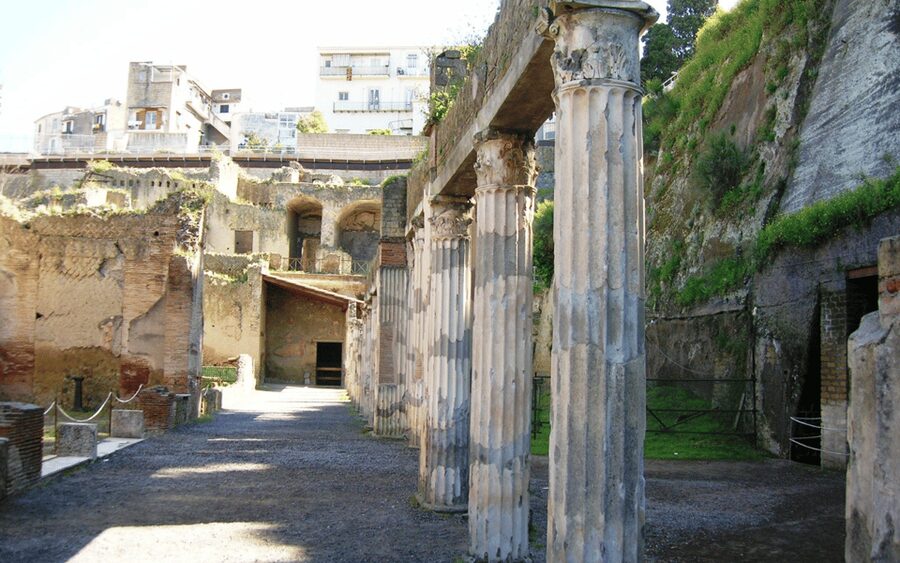
- Skip-the-line access helps you start your walk quickly at the Archaeological Park.
- Digital audio guide (English/French/Italian) is built for self-paced looking, not tour-group herding.
- Frozen Roman domestic life is the star: villas, streets, clothing, mosaics, and frescoes.
- Rich vs. enslaved contrasts are part of the story you’ll hear as you move through the site.
- Plan for setup time: download issues do happen, so don’t treat it as something to fix at the last second.
- A strict-feeling entrance window can catch people off guard if they arrive late.
Herculaneum keeps a few more tours worth your time
- Herculaneum: Skip-the-Line Guided Tour with Archaeologist★ 4.8 · 3,439 reviews
- Herculaneum Small Group Tour and Ticket With an Archaeologist★ 5.0 · 994 reviews
- Herculaneum: Skip-the-Line Entry Ticket with Audio Guide★ 4.3 · 870 reviews
- From Naples: Pompeii & Herculaneum with Archaeologist Guide★ 4.8 · 665 reviews
Why Herculaneum Feels More Human Than Pompeii

If Pompeii is the famous loudspeaker, Herculaneum is the close-up. You’re walking through a Roman city that was struck and preserved during the catastrophic eruption of Vesuvius in 79 AD. That means you’re not just looking at “ruins.” You’re seeing buildings and everyday spaces that still feel like someone lived there yesterday—down to the texture of domestic life and the way rooms were arranged.
What makes it extra rewarding is how the site tells contrasts naturally. You’ll hear about opulent areas and you’ll also see the stark differences between what wealthy Romans lived with and what less-privileged quarters looked like. The audio guide is designed to help you catch those differences as you walk, so the ruins stop being a flat background and start feeling like a lived-in map of social life.
And because Herculaneum is more compact, you can stay present. You can pause at frescoes and mosaics, then move on without the constant pressure of long distances. That pacing matters, especially if you prefer your sightseeing to feel like slow walking and good looking instead of a checklist.
Skip-the-Line Entry at Corso Resina: Start Walking Fast
This ticket is built for an easy start: skip-the-line access to Herculaneum’s Archaeological Park. Your practical win is simple—less waiting means more time in the site’s best spaces: the villas, streets, and the preserved surfaces that you want to see before fatigue kicks in.
You can head directly to the entrance on Corso Resina, 187. There’s no separate meeting inside a hotel lobby or a specific tour guide you have to track down. When you arrive, you show your e-ticket on your mobile device to park staff.
One thing I’d treat seriously: entry timing can be tight. In at least one case, people were turned away for being only a few minutes late. So give yourself a buffer. If you’re transferring from another stop, don’t assume you can casually roll in at the last second. Show up with time to spare.
First Steps Inside: Frozen Streets and Preserved Rooms

Once you’re through, the site becomes your route. You’ll be walking through an archaeological “snapshot” of daily Roman life, preserved by the eruption, with the audio guide serving as your personal commentary.
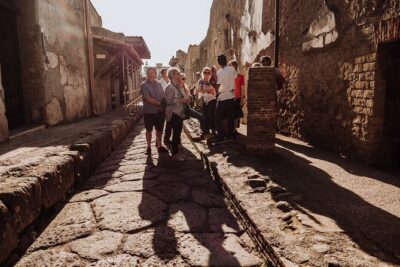
Expect to encounter preserved domestic spaces like villas and streets—areas that help you understand how people moved around their homes and neighborhoods. The experience leans heavily on the idea that Herculaneum wasn’t just impressive in theory. It was functioning: doorways, rooms, and decorated surfaces that reflect how people lived, ate, worked, and slept.
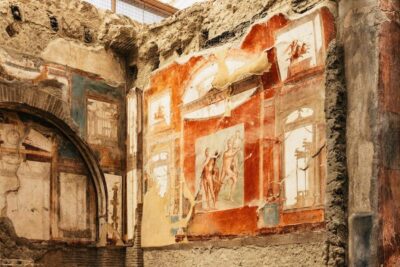
As you walk, keep an eye out for details the audio guide highlights: it points you toward things like vibrant frescoes, preserved wooden doors, and the kinds of everyday objects and surfaces that make this place feel startlingly real. If you tend to glaze over when you see “ancient wall,” this is where the guide helps. It trains your attention on what a Roman visitor would have considered normal—and what they would have considered status.
Villas, Frescoes, and the Difference You Can Actually See
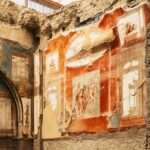
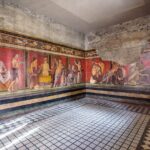
The star appeal of Herculaneum is preservation. This park holds more than broken stone; it preserves parts of everyday life, including things like intricate mosaics and frescoes, and even details like clothing that survived the catastrophe in a way you won’t see in most ruins.
One of the best ways to experience this is to slow down for the house-like spaces. Villas are about comfort and control. They show how wealth shaped architecture and decoration. And the audio guide helps you understand what you’re looking at, especially as the route shifts from higher-status areas to more basic quarters.
That shift is where Herculaneum can hit hardest. You’ll learn about contrasts between enslaved quarters and more opulent homes. Those isn’t abstract “social commentary.” It’s a physical reality you can feel as you move from one space to another and notice differences in layout and finish.
So my advice is to treat the audio guide like a flashlight, not a soundtrack. When it prompts you to look for something—like a fresco detail or a kind of door—you don’t just listen. You stop and look. That’s where the emotional punch and the educational value both show up.
Other tickets and entries for Naples



The Ruins Map: Markets, Fountains, and Theaters

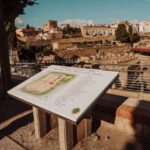
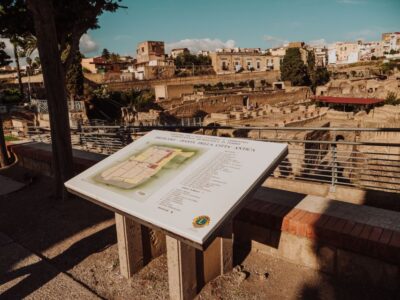
Because this is self-guided, you need something to keep you oriented. The experience includes a map that helps you navigate the historical areas across the site, including markets, fountains, and theaters.
That matters more than it sounds. Many archaeological parks are spread out enough that “wandering” turns into lost time. Here, the map supports a route that stitches together daily city life—where people would trade, where water features would sit in the public realm, and where gatherings would happen.
If you like structure without a group schedule, this is a good fit. You’re not locked to a guide’s pace, but you’re not wandering in circles either. And if you’re the type who wants to know why a space exists, those topic clusters (markets, fountains, theaters) give you a framework.
Tip: use the audio guide to decide when to move on. When you hear you’re approaching a key area, don’t drift past it while you’re still listening in motion. Stop, look, then continue.
Understanding the 300-Soul Rescue Moment
One of the most haunting parts of the experience is the story of the people who sought rescue at the time of the eruption. The audio guide points you toward the moment when 300 souls awaited rescue, capturing a tragic instant in Roman history.
I like that the audio doesn’t leave this as a dramatic label. It ties the catastrophe to place—so you’re standing in the same kind of environment where sudden death occurred, not just reading about it somewhere else. It turns the park into a story you can physically understand.
At the same time, keep your expectations realistic. This is not entertainment, and you’ll likely feel a shift in mood when you reach the most emotional segments. If you’re visiting with kids, consider balancing time here with lighter breaks so the day stays comfortable.
Digital Audio Guide Setup: The One Thing to Test
The digital audio guide is a big part of the value here, but it also needs a little preparation from you. You should bring headphones and a charged smartphone. Before arrival, you’ll scan a QR code to download the audio guide.
There have been clear examples of what can go wrong. Some people had difficulty downloading the audio guide app or getting it to work on-site, and one ended up having to repurchase an audio guide locally because the digital option wouldn’t cooperate. That’s not the experience you want on a day trip.
Here’s how to reduce the risk:
- Test your phone audio volume and headphone connection before you leave.
- Make sure your smartphone battery is topped up, since download times can vary.
- Plan to download from a stable signal or Wi-Fi when possible (even if you’re doing it right at the site, do it efficiently).
- If the download takes longer than expected, don’t keep walking while frustrated. Step aside, fix it, then start enjoying.
Also note the language options: English, French, and Italian. If you’re choosing between them, match the language to how comfortable you are with listening detail. This kind of audio is most useful when you can follow it without effort.
Price and Value: What $28 Buys You (and What It Doesn’t)
At about $28 per person, this ticket is priced as a self-guided package: you get skip-the-line entry plus the digital audio guide. You’re not paying for a human guide with a script, and that’s part of the value equation.
If you’re comfortable exploring on your own, you’ll get good mileage from this format. You can pause for frescoes, linger in villa spaces, and spend extra time on the sections that match your interests—like the contrast between wealth and enslaved quarters—without worrying about keeping up.
If you strongly prefer live narration, you might feel like something is missing. This option explicitly does not include a guided tour. So think of it as audio-assisted wandering: structured enough to stay on track, but free enough to steer your own attention.
In plain terms: the ticket is best when you want control over pace and want the audio to do the explaining. It’s less ideal when you expect a guide to manage logistics and timing for you.
Getting There and Staying Sane on a Day Visit
The entry is at Corso Resina, 187, and the flow is designed for direct arrival. That’s convenient, but it also means you should think ahead about transport and timing.
One disappointing detail from a booking experience: the site can feel far from the train station, and people were upset after losing time just getting to the entrance. The lesson is simple—don’t underestimate the “last mile.” Give yourself travel margin, especially if you’re combining this with other Naples-area stops.
How long should you plan? The ticket is valid for 1 day, and it’s set up so you can explore at your pace. With audio, you’ll likely want more than a rushed pass. If you move quickly, you’ll still learn something, but this is the kind of place where the real value is in the pauses.
Who Should Book This Self-Guided Herculaneum Ticket
This ticket fits best if you:
- Like looking closely at art and interiors, especially frescoes and mosaics
- Prefer self-paced sightseeing over a group schedule
- Want a more intimate Roman setting than Pompeii, with fewer crowds and a compact layout
- Are comfortable using your phone and headphones to get context
It might be less ideal if:
- You rely on apps and fear download issues (bring a backup plan like extra battery)
- You want a guide to handle pacing and explanation in real time
- You’re arriving late or in a tight schedule with limited buffer
Should You Book the Herculaneum Entry Ticket With Digital Audio?
I’d book it if you want the best of Herculaneum without paying for a full guided tour, and if you’re prepared to set up the audio guide smoothly before or right at arrival. The price is reasonable for what you get—skip-the-line access plus an audio narrative in multiple languages that points you toward the details that make Herculaneum unforgettable.
I’d think twice if you know your phone struggles with downloads or you’re traveling with low battery and no patience for tech fixes. In that case, build extra time so you don’t end up scrambling at the gate.
FAQ
How long is the Herculaneum entry experience valid?
The ticket is valid for 1 day. Starting times depend on availability.
Is this ticket skip-the-line?
Yes. It includes skip-the-line access to Herculaneum Archaeological Park.
Where is the entrance?
The entry is located at Corso Resina, 187.
What languages are available for the digital audio guide?
The audio guide is available in English, French, and Italian.
What do I need to bring for the audio guide?
Bring headphones and a charged smartphone.
When will I receive my e-ticket?
E-tickets are available for download within 24 hours before your travel date. They are also delivered via WhatsApp within 24 hours before your travel date from Vox City.
Is a guided tour included?
No. This experience includes entry and a digital audio guide, but it does not include a guided tour.
More Tickets and Entries in Naples





More Tour Reviews in Naples




Herculaneum, a Few More Tours



More Naples tours, freshly reviewed





Herculaneum Tours, compared.
 ★ 4.8Herculaneum: Skip-the-Line Guided Tour with ArchaeologistFrom $533,439 reviews
 ★ 5.0Pompeii and Herculaneum Small Group Tour with an ArchaeologistFrom $771,350 reviews
 ★ 5.0Herculaneum Small Group Tour and Ticket With an ArchaeologistFrom $53994 reviews
 ★ 4.3Herculaneum: Skip-the-Line Entry Ticket with Audio GuideFrom $15870 reviews
 ★ 4.8Pompeii: Small-Group Tour of Pompeii and Herculaneum867 reviews
 ★ 4.8Pompeii & Herculaneum with Archaeologist GuideFrom $168665 reviews
 ★ 3.9Pompeii, Herculaneum, & Vesuvius Full-Day TourFrom $152602 reviews
 ★ 4.1Ercolano: Herculaneum Entry Ticket with Optional Audio GuideFrom $21581 reviews
Browse the lists this tour appears in