
Review · HERCULANEUM TOURS
Herculaneum – Small Group Tour
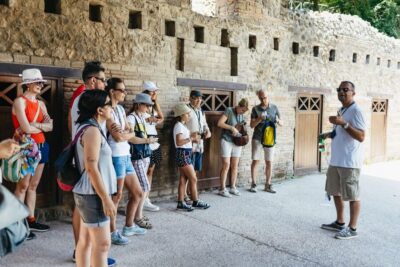
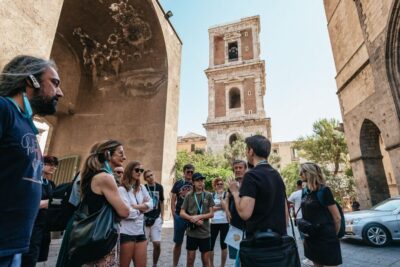
Herculaneum hits fast, then sticks. I love the small-group size (max 15), because it makes it easy to ask questions and actually talk with your licensed guide. I also love that this tour is built around a Regione Campania–licensed guide, with many guides (including Francesco, Marco, and Roberta) praised for clear, well-paced explanations. The main drawback: there’s often little shade, so hot days can feel long fast.
This is a focused way to see Herculaneum’s most important corners without turning your day into a marathon. You’ll cover private houses, street life, public buildings, and the haunting seafront area, all with context for the 79 AD eruption and what makes this site different from Pompeii. If you’re choosing between morning and afternoon, I’d lean morning when heat is a factor.
Plan on bringing your own entrance ticket to finish the full experience. The tour includes the guide and route, but the admission ticket is not included, so your total cost will be tour price plus the park ticket.
In This Review
- Key takeaways before you book
- Parco Acheologico di Ercolano: the “right amount” of ruins
- The 2-hour route: a small site that teaches big lessons
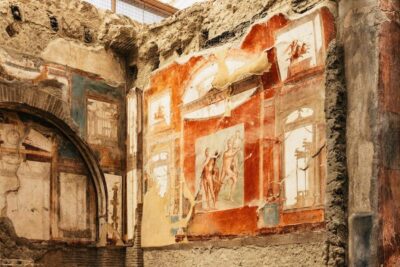
- Private homes you can actually picture: House of the Deer to Neptune and Amphitrite
- Shops, baths, and the main street: where city life shows up
- The seafront story: skeletons and a preserved wooden boat
- How to get more out of Herculaneum: when a guide turns ruins into meaning
- Pompeii vs Herculaneum: what to compare before you go
- Price and value: paying for context, not just walking
- Logistics that actually help: mobile ticket, transport access, and starting times
- Planning tips: what to pack for a hot, exposed site
- Who should book this small-group Herculaneum tour
- Should you book this Small Group Tour of Herculaneum?
Key takeaways before you book
- 2 hours of “hit the highlights” pacing at Parco Acheologico di Ercolano
- Small group up to 15 for more Q&A and less waiting around
- Focus on major houses, baths, shops, and the main street
- Seafront disaster details, including the skeletons area and a preserved wooden boat
- English-guided experience with a licensed guide from Regione Campania
- Admission ticket not included, so budget for entry separately
Herculaneum keeps a few more tours worth your time
- Herculaneum: Skip-the-Line Guided Tour with Archaeologist★ 4.8 · 3,439 reviews
- Herculaneum Small Group Tour and Ticket With an Archaeologist★ 5.0 · 994 reviews
- Herculaneum: Skip-the-Line Entry Ticket with Audio Guide★ 4.3 · 870 reviews
- From Naples: Pompeii & Herculaneum with Archaeologist Guide★ 4.8 · 665 reviews
Parco Acheologico di Ercolano: the “right amount” of ruins
Herculaneum (Ercolano in Italian) is the kind of place that can feel overwhelming if you walk in alone. Buildings look like buildings, sure, but the real payoff comes when someone helps you connect what you’re seeing to how people lived there before the volcano. This tour gives you that guidance in a tight 2-hour window.
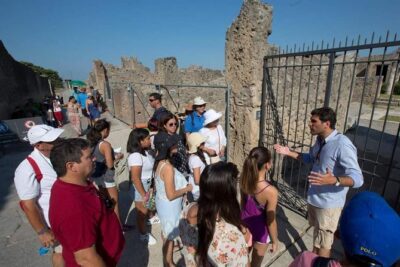
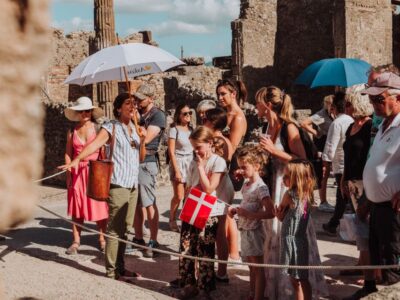
The group size matters here. With a maximum of 15 people, you’re not stuck behind a wall of faces trying to hear over everyone else. And since the tour is guided, you’re less likely to miss the meaning of what’s in front of you—especially because the site can be hard to interpret without help.
The goal isn’t to cover everything in the park. The goal is to show you the most important parts clearly, so you can either feel satisfied or return for a longer self-guided wander afterward.
The 2-hour route: a small site that teaches big lessons
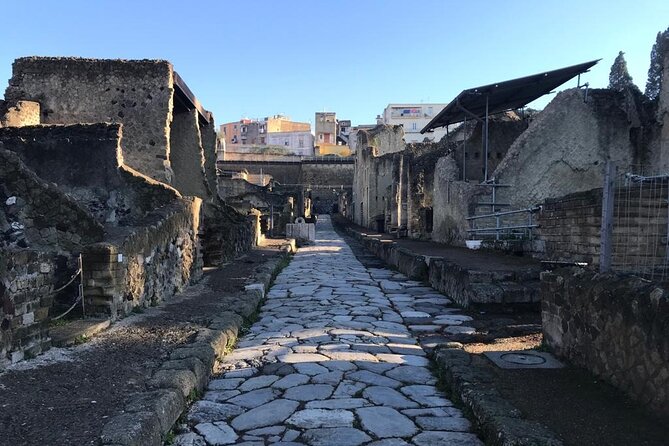
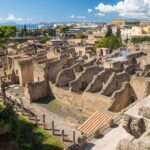
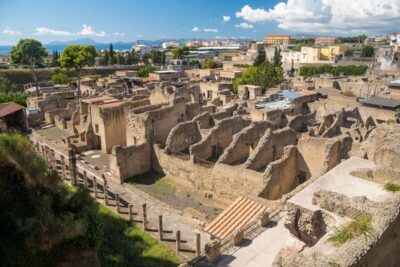
This experience is built as a single main stop at Parco Acheologico di Ercolano, with about 2 hours on site. You’ll start by moving through the complex sections that tell the best story of daily life: homes, commerce, public bathing, city layout, and the seafront.
That structure is practical. Herculaneum can be tempting to treat like a “photos first” stop, but the best results come when you understand what each building type was for. A guided tour is ideal for that, because you get the purpose behind the stones—not just the stones themselves.
Also, the timing tends to land cleanly. Several experiences note it ran right around the 2-hour mark, which is helpful if you’re pairing this with Naples, Pompeii, or a cruise day.
Private homes you can actually picture: House of the Deer to Neptune and Amphitrite
One of the smartest things about this tour is that it doesn’t just point at ruins. It walks you through representative homes that help you imagine a real household rhythm.
You’ll see prominent private houses such as:
- House of the Deer
- House of the Wooden Partition
- House of Neptune and Amphitrite
- House of the Bicentenary
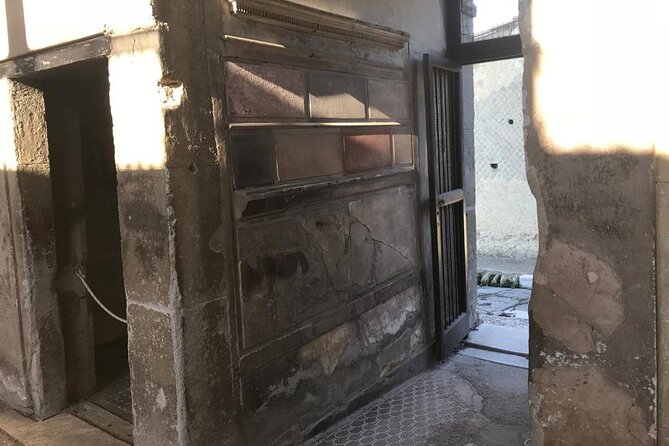
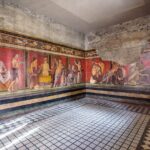
Each home gives you a different angle on Roman living—social status, how rooms were used, and how decorative choices shaped everyday spaces. Even when the architecture is fragmented, a good guide helps you read the layout so it starts to make sense as a functioning residence rather than a random pile of walls.
This is also where the small-group format pays off. Questions pop up naturally—What is this space? Why is that wall placed there? What was daily life like? With fewer people, your guide can actually answer instead of rushing.
Shops, baths, and the main street: where city life shows up
After the homes, you shift into what made Herculaneum feel like a real city: commerce and public routines.
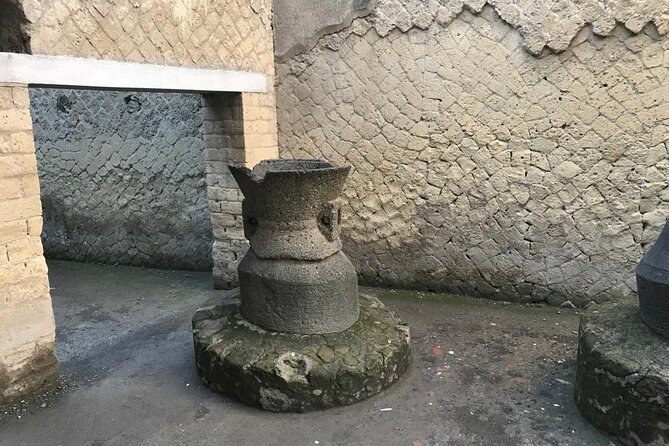
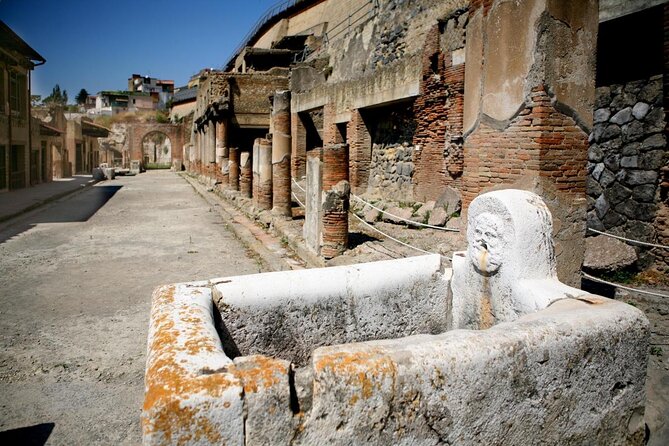
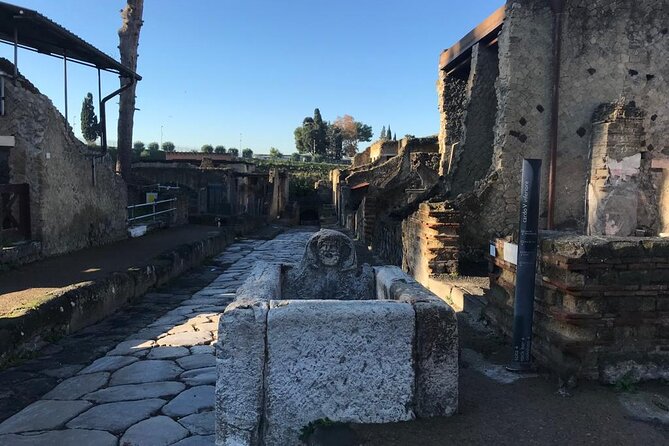
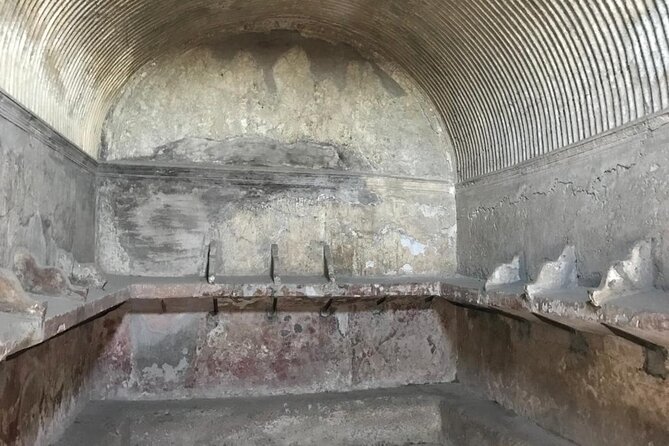
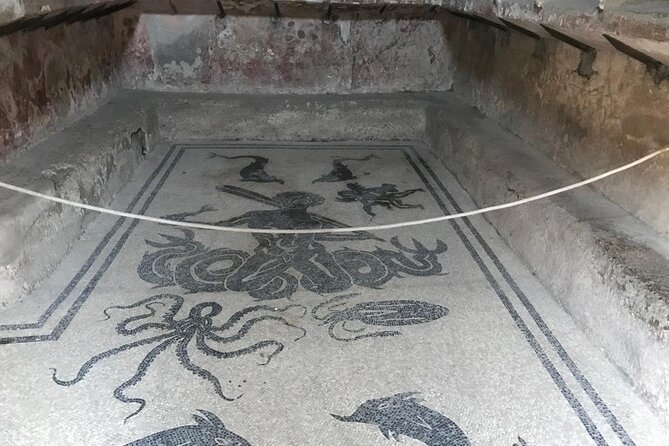
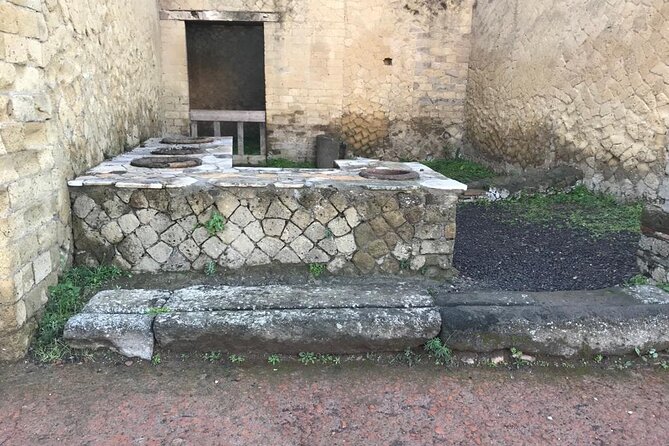
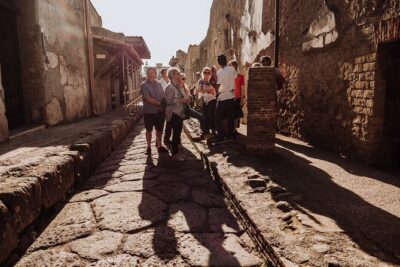
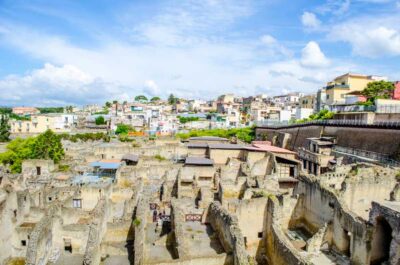
The tour includes Roman shops, along with the public baths and the main street. These stops help you see how people moved through the city and how public life worked day to day. Shops suggest local business and street-facing activity. Baths point to social behavior and hygiene as a routine—not a luxury.
You’ll also cover the main public buildings of the city and get a sense for how the layout guided movement. That context is key. Without it, the site can feel like separate highlights. With it, the ruins start acting like a map of daily life.
If you’re the type of traveler who loves city planning, this part of the tour tends to click fast.


The seafront story: skeletons and a preserved wooden boat
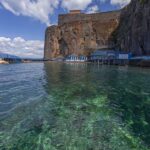
If you want one section of Herculaneum that explains why this place still hits hard, it’s the seafront area. The tour includes the ancient beach with the skeletons of people who took shelter in seafront buildings, plus a wooden boat found on the beach.
This isn’t just a dramatic stop. It’s a lesson in how the disaster unfolded locally and how the shoreline and everyday structures intersected. Seeing these elements with an explanation helps you connect human experience to the physical setting.
Bring a minute of quiet energy here. Even if you’re moving with the group, you’ll get more out of it if you slow your camera pace and actually look.
How to get more out of Herculaneum: when a guide turns ruins into meaning
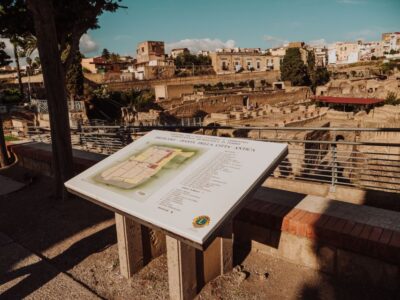
Herculaneum is famously well-preserved compared with many other ancient sites, but preservation alone doesn’t automatically teach you what you’re looking at. Some people find there aren’t enough explanations on the buildings themselves, which is exactly why a guide earns their fee.
Guides in English are licensed by Regione Campania, and the best ones do two things well:
- they explain what you’re seeing in plain language
- they help you compare and contrast Herculaneum with Pompeii
Several experiences highlight this kind of direct comparison. You’ll often come away better able to explain what’s different about each site’s eruption impact and what that means for everyday life.
In practice, this matters if you plan to visit Pompeii too. A tour like this can give you a set of “look for this” questions so you don’t get lost in random scenes once you’re back on your own.
Pompeii vs Herculaneum: what to compare before you go
It’s very common to visit Pompeii and then think about Herculaneum after. That order often makes the contrast feel even stronger.
Here’s what you can expect to discuss as you move around the ruins:
- how the eruption’s effects differed between the two locations
- why Herculaneum can feel more intimate and less overwhelming
Herculaneum’s smaller scale and fewer crowds can make it feel more personal than Pompeii. But the comparison only works if someone points out what to notice. A good guide does that, especially through the mix of homes, public spaces, and the seafront disaster area.
If you haven’t booked Pompeii yet, you might even use this tour as a planning tool: you’ll remember the questions you wish you had asked while you’re standing in the streets at your next stop.
Price and value: paying for context, not just walking
At $50.81 per person for about 2 hours, the headline cost is simple. The real value question is what you’re buying.
This tour price covers a licensed guide and a route designed to cover the site’s big meaning-makers fast. The admission ticket is not included, so your total day cost will be tour price plus park entry.
That matters because admission alone only gets you access. The guide is what helps the stones become a story you can follow. If you’re short on time—or if you want to avoid feeling like you’re wandering through pretty ruins with no clue—this style of guided small-group tour usually offers better value than trying to figure it out from scratch.
Also, the maximum group size helps here. You’re not paying for a crowded lecture. You’re paying for explanations that can adjust to your questions.
Logistics that actually help: mobile ticket, transport access, and starting times
This experience includes a mobile ticket and is offered in English. It also notes access to public transportation nearby, which is helpful if you’re building your route day by day instead of locking into one private car plan.
You can choose a morning or afternoon departure, so you can steer around your own itinerary and energy levels. Since there’s often very limited shade, I’d treat morning as the safer bet for comfort on warmer days.
Finally, the tour is designed for most travelers to participate. If you have mobility concerns, comfortable footwear helps because the terrain can be uneven and there may be steps and ledges in places. A guide can help with pacing, and you’ll get more out of the tour if you let them know early if you need slower movement.
Planning tips: what to pack for a hot, exposed site
This site rewards you most when you treat it like an outdoor walk, not an indoor museum.
Here’s what I’d plan for based on common on-site comfort issues:
- Wear a hat and bring water. There’s often no shade.
- Use solid walking shoes with grip.
- Dress for heat, but keep layers if the weather shifts.
If you’re visiting in peak summer, the heat can be intense. A guided tour keeps things structured, but you’ll still feel the sun. Think of it as a great reason to do a shorter, smarter route rather than an all-day solo mission.
Who should book this small-group Herculaneum tour
This is a great fit if:
- you want a guided “highlights” route in about 2 hours
- you prefer asking questions instead of staring at ruins wondering what’s important
- you’re comparing Herculaneum to Pompeii and want the differences explained
- you like small groups and better back-and-forth with your guide
It’s also a good option for families with kids who can stay engaged during a structured walk, since the best guides keep explanations flowing and respond to questions.
If you enjoy a slow, self-directed day with lots of museum time, you may want to add extra hours afterward. The guided portion is designed to hit the key parts efficiently.
Should you book this Small Group Tour of Herculaneum?
Book it if you want the fastest path to understanding Herculaneum’s most important ruins, especially if you care about context and not just photos. With a maximum group size of 15, a licensed guide, and a route that covers houses, baths, shops, the main street, and the seafront tragedy area, it’s a high-value way to make the site click.
Skip or adjust expectations if you’re hoping for lots of shade, or if you plan to rely on self-exploration only. Admission isn’t included, so budget for entry on top of the tour price.
If you’re balancing a busy trip, this is one of those tours where the 2 hours can save you from a half-day of confusion.
More Tours in Naples




More Tour Reviews in Naples

Herculaneum, a Few More Tours

More Naples tours, freshly reviewed



Herculaneum Tours, compared.
 ★ 4.8Herculaneum: Skip-the-Line Guided Tour with ArchaeologistFrom $533,439 reviews
 ★ 5.0Pompeii and Herculaneum Small Group Tour with an ArchaeologistFrom $771,350 reviews
 ★ 5.0Herculaneum Small Group Tour and Ticket With an ArchaeologistFrom $53994 reviews
 ★ 4.3Herculaneum: Skip-the-Line Entry Ticket with Audio GuideFrom $15870 reviews
 ★ 4.8Pompeii: Small-Group Tour of Pompeii and Herculaneum867 reviews
 ★ 4.8Pompeii & Herculaneum with Archaeologist GuideFrom $168665 reviews
 ★ 3.9Pompeii, Herculaneum, & Vesuvius Full-Day TourFrom $152602 reviews
 ★ 4.1Ercolano: Herculaneum Entry Ticket with Optional Audio GuideFrom $21581 reviews
Browse the lists this tour appears in