
Review · WINE TOURS
Sipping History: Discover Ancient Roman Wines
Sip ancient Roman wine in Pompeii. I love the private, expert-led tasting that walks you through what makes these wines feel distinctly Roman, and I love the Ancient Pompeii–inspired 3-course lunch that turns the experience into more than a few sips. One catch: there’s no hotel pickup, so you’ll need to get to Via Antonio Segni, 41 on your own.
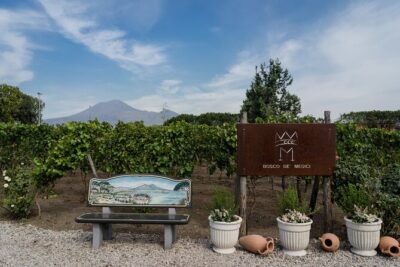
This runs about 2 hours and is offered in English, with a mobile ticket to keep things simple. You’ll spend that time at Bosco de’ Medici Winery, in a setting that mixes old farm buildings, wine production spaces, and Pompeii-area archaeological mood.
If you have food constraints, plan ahead. They note a vegetarian option and ask you to share dietary requirements at booking, and service animals are allowed.
In This Review
- Key Things to Know Before You Go
- Why This Pompeii Wine Tasting Feels Different
- Bosco de’ Medici Winery: From Historic Farmhouse to 79 AD Necropolis
- The Wine Flight: Four Wines Plus Sparkling, Not Just One Easy Pour
- The First Course Starts Before Lunch: DOP Olive Oil and Bruschetta
- The 3-Course Ancient Pompeii Lunch Menu (And What It Means for Your Palate)
- De’ Medici Starter
- First Course
- Second Course
- Dessert
- Private Tour Logistics: Why “Private” Matters Here
- Price and Value: What $78.10 Buys in Real Terms
- Who This Tour Is Best For (And Who Should Skip It)
- Should You Book Sipping History: Discover Ancient Roman Wines?
- FAQ
- How long is the Sipping History wine and lunch experience?
- Is this tour private?
- What’s included in the price?
- Does it include hotel pickup or drop-off?
- What language is the tour offered in?
- Can I request a vegetarian option?
- Are service animals allowed?
Key Things to Know Before You Go
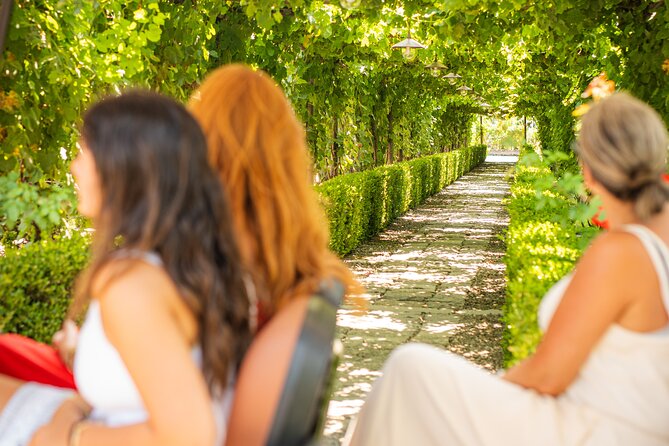
- Private group attention: only your group participates, so questions don’t get squeezed out.
- Four wines plus one sparkling: your tasting isn’t just one safe pour, it’s a lineup.
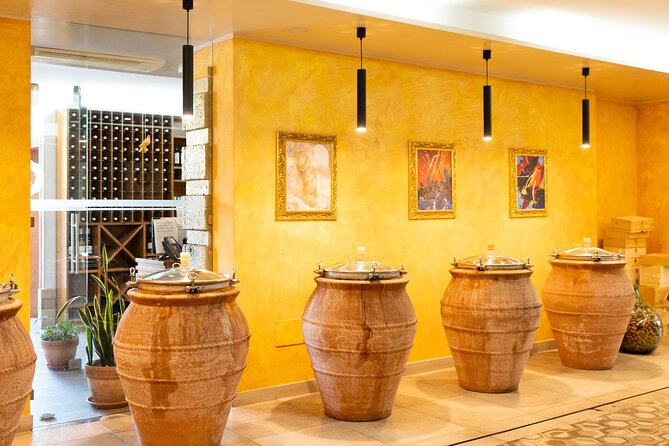
- Bosco de’ Medici’s Roman-tech production vibe: you’ll see barrels and amphorae used in wine refining.
- A cellar-and-field style “history walk”: from an 18th-century farmhouse to an experimental vineyard.
- 3-course Ancient Pompeii lunch: olive oil tasting and multiple courses, not just small bites.
- Practical wining and dining pacing: about 2 hours total with water included.
Other Pompeii outings worth a look before you book
- Guided Tours of Pompeii Excavations Historical and Cultural Itineraries★ 5.0 · 56 reviews
- Pompeii Walking Tour: The Real History of the Ruins★ 4.5 · 16 reviews
Why This Pompeii Wine Tasting Feels Different
Most Pompeii experiences focus on ruins. This one shifts the lens to the everyday life around those ruins: food, vineyards, and the flavors people would have recognized.
What I like is that you’re not just sitting with glasses. You get a guided story in the exact place where wine culture is part of the landscape. The experience blends a tour of the property (farmhouse, vineyard, production rooms) with a structured tasting and a full meal. That matters, because wine makes more sense when you understand the environment it comes from.
And yes, the wine itself is a core part. You’ll sample four wines plus one sparkling wine, which gives you a range of tastes instead of a single “sample-and-move-on” moment.
One practical point: Pompeii can be hectic. Because this ends back at the same meeting point, it’s easier to plan the rest of your day without chasing a new location.
Bosco de’ Medici Winery: From Historic Farmhouse to 79 AD Necropolis
The main attraction here isn’t only the tasting room. It’s the sense of stepping into a working wine estate with Roman-era cues all around.
At Bosco de’ Medici, you start with the property itself. The tour is described as a sensorial journey, and it’s built around several specific stops on the grounds:
- An 18th-century farmhouse
- An experimental vineyard
- The Necropolis of 79 AD
- The winemaking and refining rooms with barrels and amphorae
- The idea that wines are produced following ancient Roman techniques
Even if you’ve done Pompeii before, the necropolis and the production spaces help you connect the dots between archaeology and agriculture. You’re seeing how people organized land, stored wine, and refined it. Amphorae, for example, aren’t just a decorative detail. They represent an older approach to storage and handling—something you can feel in the way the tour frames the whole process.
What to watch for: you’ll be walking on an active property. The experience is described as suitable for most travelers, but still think like you’re doing a short guided walk. Comfortable shoes help.
The Wine Flight: Four Wines Plus Sparkling, Not Just One Easy Pour
Wine tastings can fall into two traps: either everything is explained but nothing is tasted, or everything is tasted but you don’t learn what you’re looking at. This format tries to hit both goals.
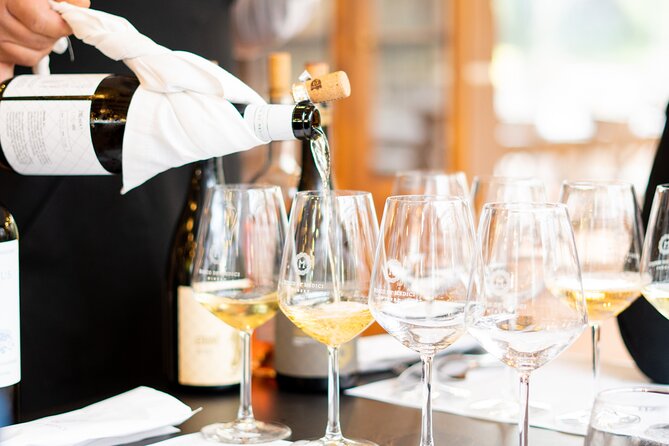
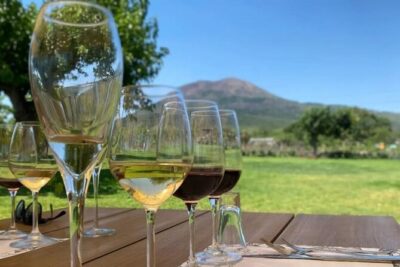
You’ll do a guided tasting that includes 4 wines + 1 sparkling wine. The value here is the lineup. A single bottle sample doesn’t really show much. Four wines plus sparkling gives you a chance to compare how style and character change across the flight.
The tour also ties the tasting to what you’re seeing in the cellar and production rooms. When you’re standing near barrels and amphorae and hearing how wine is refined, the tasting feels less random. You’re building a mental map of what the process can do for flavor.
If you’re the type who normally ignores tastings, this is a good way to become less clueless in a short time. You’ll get enough structure to notice differences, and you’ll have a staff member to translate the wine jargon into plain language.
Also included: bottled water, so you can pace yourself. At a two-hour event with multiple pours, hydration is not a luxury.
The First Course Starts Before Lunch: DOP Olive Oil and Bruschetta
The meal experience begins with a cellar-style welcome: tasting of DOP olive oil with bruschetta.
This is a smart move. Before you jump into wine, they start you with a flavor anchor—olive oil. DOP signals a protected designation, which generally means you’re tasting an oil tied to a specific production tradition and area. Pairing it with bruschetta also keeps it approachable. It’s easy to understand, and it sets your palate up for what comes next.
If you’re worried about the wines being too strong or unfamiliar, this is a helpful on-ramp. You’ll taste something grounded, then shift into seafood, meat, and dessert.
A few more bottles worth the trip in Pompeii

The 3-Course Ancient Pompeii Lunch Menu (And What It Means for Your Palate)
You’re not paying for a “snack and stroll” version. The experience includes a full 3-course lunch plus dessert, built around a menu inspired by Ancient Pompeii recipes.
Here’s what’s on the plan:
De’ Medici Starter
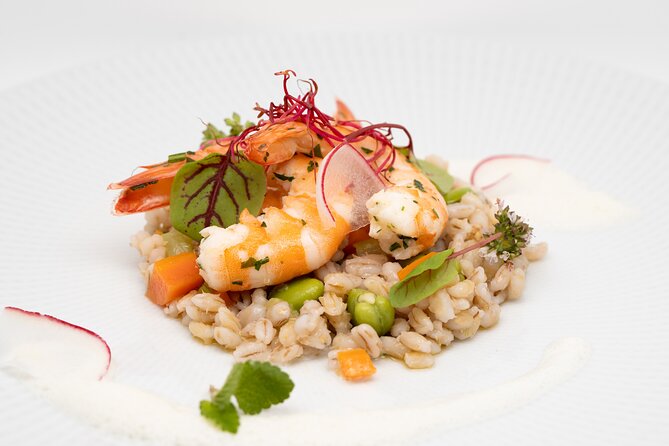
You’ll get a Hordeum salad with shrimp, garden vegetables, and a brewed sauce. Hordeum refers to grain, so even at starter level, the menu is nudging you toward what the meal would feel like in an ancient grain-and-garden world. The shrimp adds a sea connection that suits Pompeii’s history and geography.
First Course
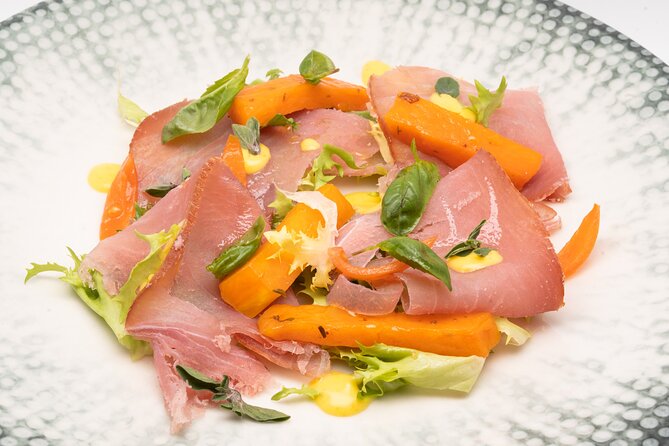
Next is smoked tuna with mesclun, citrus sauce, and pumpkin in bittersweet. This course is where the menu shows it’s not stuck in one flavor lane. Citrus brightness plus smoky fish plus a bittersweet pumpkin note is a lot to juggle, but that’s the point: it’s designed to taste like a real Roman-era-style combination rather than modern safe plating.
Second Course
Then comes suckling pig with wild herbs and seasonal vegetables. This is the “center of the plate” course. Wild herbs help make it feel less like a standard meat-and-sauce meal and more like a dish rooted in what grows locally.
Dessert
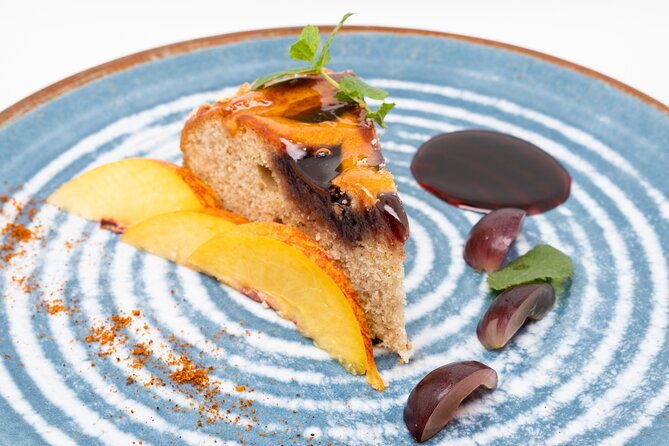
You’ll finish with an ancient wheat cake featuring wild cherries, blackberries, and black currants. This is the dessert you want if you like fruit-forward flavors. It also ties back to the ancient wheat theme, so the whole meal feels connected instead of a random sweet ending.
Two practical notes:
- The menu contains seafood and meat, but they do say a vegetarian option is available if you request it at booking.
- If you have allergies or strong dietary limits, give those details upfront. They explicitly ask for dietary requirements when you book.
Private Tour Logistics: Why “Private” Matters Here

This is listed as a private tour/activity, meaning only your group participates. In practice, that matters for three reasons.
First, wine is personal. If you want to ask why a wine tastes a certain way, a private setting keeps the conversation flowing instead of waiting your turn.
Second, the property tour includes several distinct elements—farmhouse, vineyard, necropolis area, then production rooms. A group that isn’t constantly reshuffled usually experiences it more smoothly.
Third, lunch works better when pacing is flexible. You’re on a schedule, but private service can help you avoid the feel of being rushed through courses.
Guides and language: the experience is offered in English, and it may be operated by a multi-lingual guide. One of the guides named in the past is Christian, noted for explaining both local history and grape growing/winemaking.
Timing: it runs about 2 hours. Opening hours are shown as Monday from 11:00 AM to 1:00 PM during the listed operating season. If you’re visiting Pompeii on a Monday, this is a nice mid-day anchor.
And one more thing: the tour ends back at the meeting point, so you don’t need to reorganize your day around a drop-off.
Price and Value: What $78.10 Buys in Real Terms
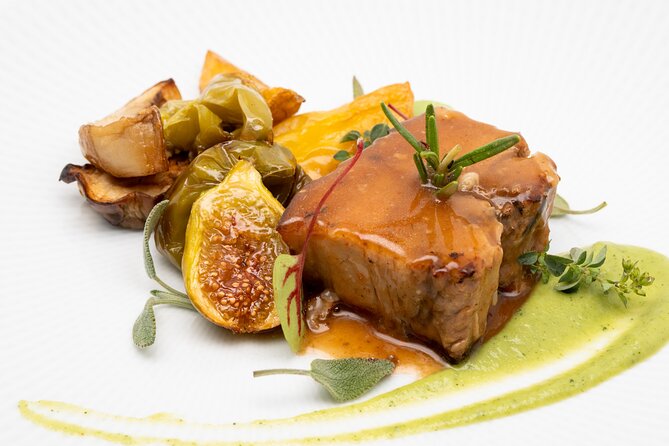
At $78.10 per person, you’re paying for more than wine.
Here’s what’s included:
- Private tour
- Gratuities
- Food tasting and wine tasting
- 3-course lunch (with the listed courses and dessert)
- Bottled water
- Admission ticket included (as stated)
What’s not included:
- Hotel pickup and drop-off
So the value equation is mostly about convenience and completeness. Many Pompeii-adjacent food and wine experiences charge you for tasting and then tack on lunch. Here, lunch is part of the package, which also justifies the “two hours total” timing. You’re getting a full half-meal plus a tasting flight, not one or the other.
If you’re coming from central Pompeii and you hate wasting time commuting, arriving at the meeting point yourself is a small trade for a richer experience once you’re there.
Who This Tour Is Best For (And Who Should Skip It)
This is a strong fit if:
- You want Roman flavors but don’t want to spend your trip hunting for the right place to eat.
- You like wine tastings that connect to history and land, not just a generic “try this and rate it” vibe.
- You’re traveling with someone who enjoys food, and you want a shared activity that’s more memorable than another photo stop.
It’s less ideal if:
- You’re allergic to shellfish, since shrimp is part of the starter menu (vegetarian is available, but you must request it).
- You want a pure Pompeii ruins day. This experience is Pompeii-themed, but the focus is the winery property and the meal.
Should You Book Sipping History: Discover Ancient Roman Wines?
If you’re in Pompeii and you like eating well while learning something real, I’d book this. The best reason is simple: you’re getting four wines plus sparkling and a full Ancient Pompeii–inspired lunch in about 2 hours, with private attention and water included.
My only hesitation is the same as with any winery tour in a busy area: you control your own transport to the meeting point. If that’s easy for you, you’ll probably feel like you spent your time well.
FAQ
How long is the Sipping History wine and lunch experience?
It lasts about 2 hours.
Is this tour private?
Yes. It’s a private tour/activity, and only your group will participate.
What’s included in the price?
The tour includes the private guide, gratuities, food tasting, wine tasting, bottled water, and admission ticket.
Does it include hotel pickup or drop-off?
No. Hotel pickup and drop-off are not included. You meet at Via Antonio Segni, 41, 80045 Pompei NA, Italy, and the tour ends back there.
What language is the tour offered in?
It’s offered in English (and it may be operated by a multi-lingual guide).
Can I request a vegetarian option?
Yes. A vegetarian option is available, but you should advise them at booking.
Are service animals allowed?
Yes. Service animals are allowed.
More Wine Tours in Pompeii



More Historical Tours in Pompeii
More Tour Reviews in Pompeii




More Pompeii tours, freshly reviewed


Wine Tours, compared.
 ★ 4.5Pompeii and Mt. Vesuvius with Lunch and Wine TastingFrom $1412,454 reviews
 ★ 5.0Authentic Naples Food Tour with 8+ Tastings of Pizza, Wine & MoreFrom $105824 reviews
 ★ 5.0Pompeii Tour & Lunch with Wine Tasting ExperienceFrom $120383 reviews
 ★ 4.9Premium Pizza Class From Dough to Dessert & WineFrom $70346 reviews
 ★ 4.5Wine Tasting Tour on Vesuvius Slopes with Lunch330 reviews
 ★ 5.0Pompeii Vineyard Escape: Private Wine Tasting & LunchFrom $66329 reviews
 ★ 5.0Tour of Mt Vesuvius and Pompeii w/ Lunch & Wine tastingFrom $147241 reviews
 ★ 4.8Mount Vesuvius: Vineyard Tour with Wine Tasting and LunchFrom $65193 reviews
Browse the lists this tour appears in