
Review · NAPLES PIZZA-MAKING CLASSES
Naples: Premium Pizza Class From Dough to Dessert & Wine
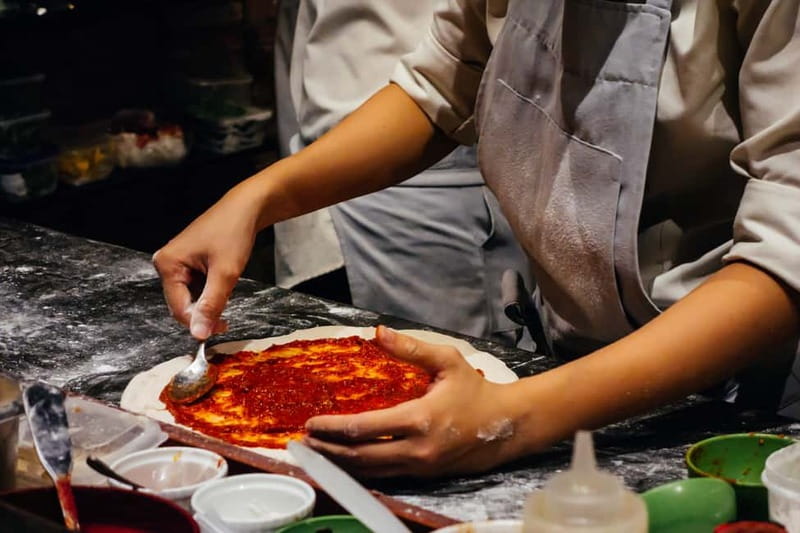
Four ingredients, one world-class pizza. In Naples, this hands-on class shows you how Neapolitan pros build a full meal from scratch inside a 2017 World Pizza Championship pizzeria.
I love the small groups and your own workstation, so you shape and top instead of hovering and watching. I also love the technique lessons, especially the staglio cut that creates the panetti portions.
One consideration: the class can move between Italian and English, so if you want slower, one-language-only instructions, it may feel like a bit of language juggling.
In This Review
- Key highlights you should care about
- A 2–3 hour class where the dough is the main character
- Step 1: Mixing Neapolitan dough from four ingredients
- Step 2: Staglio and panetti, the cutting technique people skip
- Step 3: Stretch, top, and use Neapolitan ingredients the right way
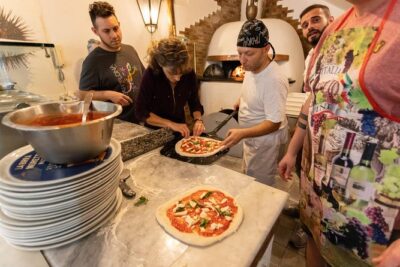
- Step 4: The wood-fired oven bake and your Margherita moment
- The sweet twist: fried dough bites with chocolate spread
- Wine, beer, and limoncello to close the loop
- Language and pace: what to expect if you don’t speak Italian
- Kids rule (and why it’s stricter than you’d expect)
- Value check: why $70 makes sense for what you get
- Who should book this class (and who might want to skip it)
- Should you book this Naples pizza class?
- FAQ
- How long is the pizza-making class?
- What do I make and eat during the class?
- What drinks are included?
- Is the class suitable for young children?
- What languages are used?
- Do I get a recipe to take home?
Key highlights you should care about
- 2017 World Champion pizzeria setting where Neapolitan standards aren’t just talked about
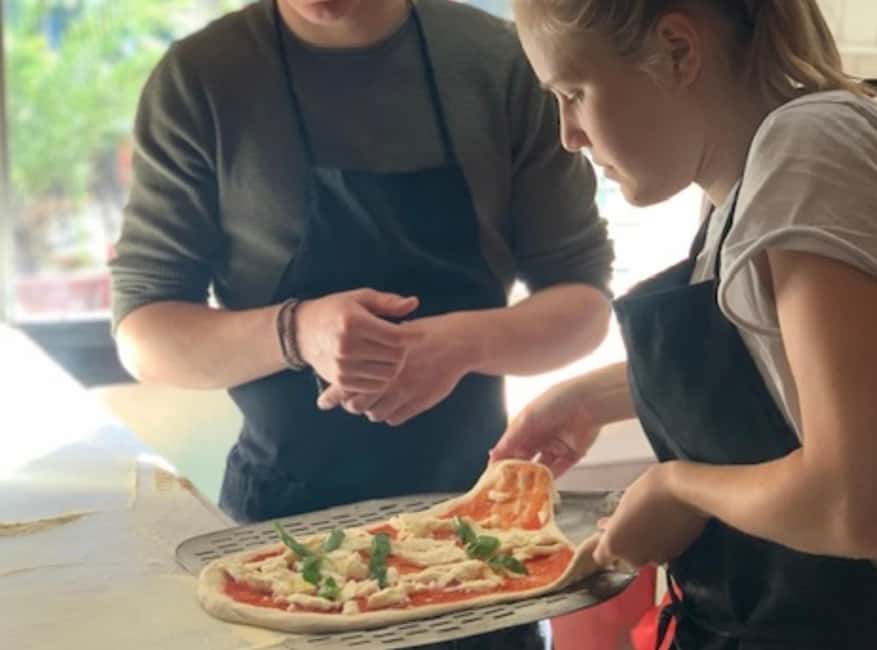
- Your own station for real hands-on dough work (not assembly-line pizza making)
- Staglio and panetti technique so you understand what the pros do, not just what to add
- Wood-fired oven bake for a proper Neapolitan Margherita texture
- Savory + sweet menu from the same dough, plus wine/beer and limoncello
- Digital recipe to take home so you can try again later
Fancy another turn at the pizza peel?
- Naples: Pizza-Making Workshop with Drink and Appetizer★ 4.9 · 5,411 reviews
- Authentic Pizza Making Class in Naples with Appetizers and Drink★ 5.0 · 3,178 reviews
- Naples: Neapolitan Pizza and Tiramisù Making Class★ 4.8 · 839 reviews
- Naples: Premium Pizza Class From Dough to Dessert & Wine★ 4.9 · 346 reviews
A 2–3 hour class where the dough is the main character
This experience is built around the idea that great pizza starts long before the toppings. You’ll learn to make a Neapolitan dough from just four basic ingredients: water, flour, salt, and yeast. That sounds simple because it is. The hard part is technique: timing, handling, and getting the dough to behave the way a Neapolitan pizza dough is supposed to.
The class runs about 2 to 3 hours, which is long enough to learn several steps (mixing, kneading, shaping, topping, baking, and finishing with dessert). It’s also short enough that you’re not burning your whole evening just to learn how to stretch dough.
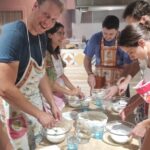
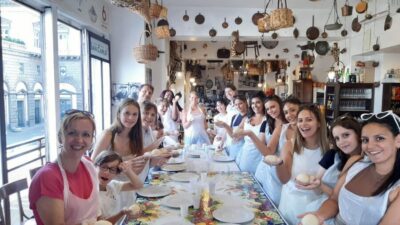
The setup matters. Instead of crowding around one counter, the class is designed for individual workstations, so you get real repetition. A few reviews mention the class feeling intimate, including small groups and family-friendly pacing. That’s the kind of structure that makes the learning stick.
Step 1: Mixing Neapolitan dough from four ingredients
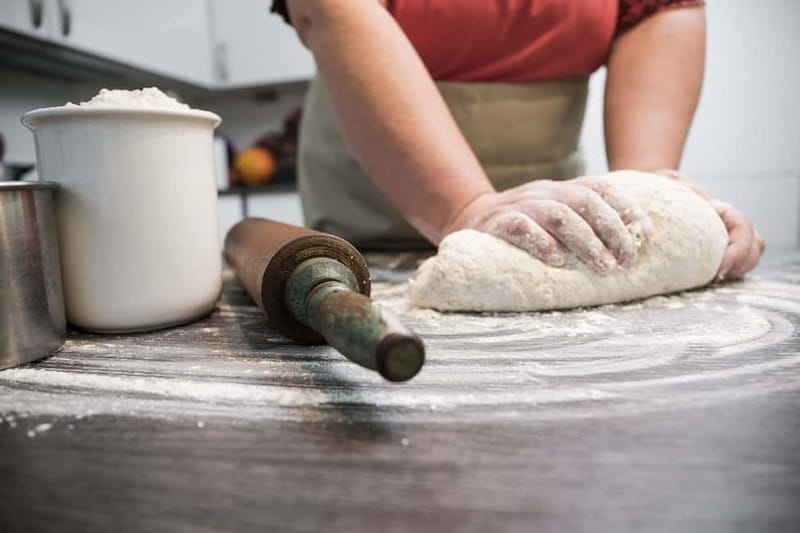
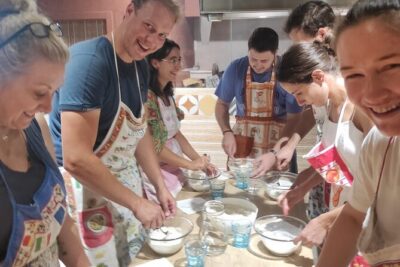
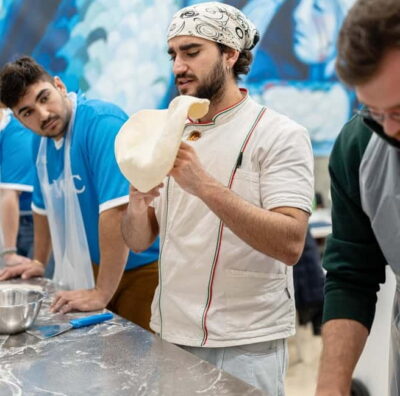
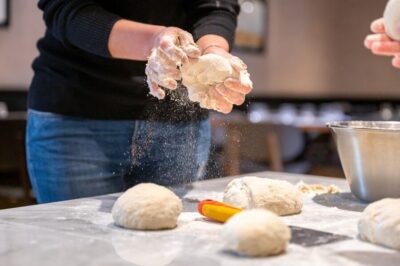
The heart of the class is transforming those four ingredients into dough with the right feel and structure. You’ll start by learning the process and then get hands-on. Kneading and working the dough is where most people discover the truth about pizza: you’re not just “making dough,” you’re teaching it how to relax and stretch.
A big plus here is that the instructors explain the why behind the steps. You’re not only told what to do, you get guidance on how the dough should change as you work it. This is also where the passion of the teachers shows. Hosts and pizzaioli named in reviews—like Francesca and Lucia, plus chefs who taught in Italian with translation—tend to focus on technique and the history tied to simple, quality ingredients.
Practical tip: wear clothes you don’t mind getting floury. One review noted flour on the front from the process. That’s normal. Neapolitan dough is sticky and alive; you’re going to brush against it.
Step 2: Staglio and panetti, the cutting technique people skip
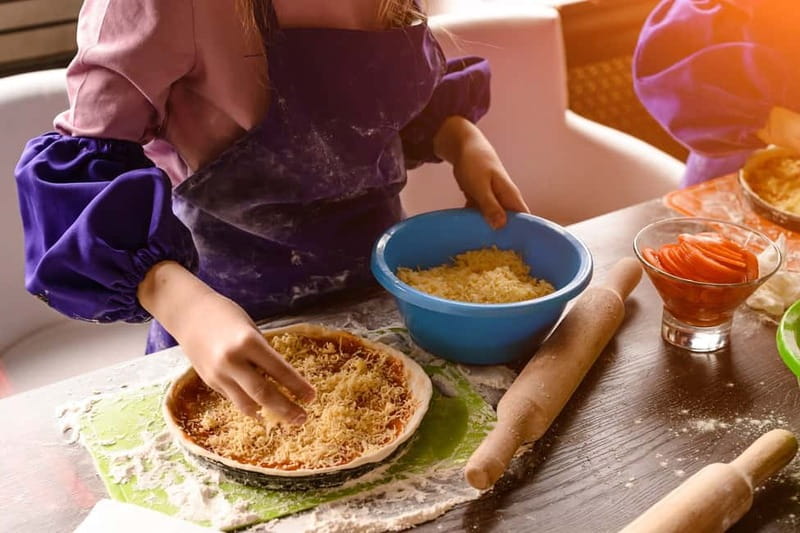
This class doesn’t treat shaping as magic. It teaches an old Neapolitan technique called staglio, used to create panetti (the dough portions). If you’ve ever tried to make pizza at home and your dough didn’t stretch right, it’s often because the “portioning” step was rough or inconsistent. Staglio matters because it’s about controlling the dough pieces so they ferment and behave evenly.
In plain terms: you’ll learn how to cut and portion the dough in a way that supports better texture and stretch. It’s a step that feels small, but it’s the kind of detail pro pizzerias care about. And since you’re doing it yourself at your own station, you’ll actually notice what works versus what doesn’t.
Step 3: Stretch, top, and use Neapolitan ingredients the right way
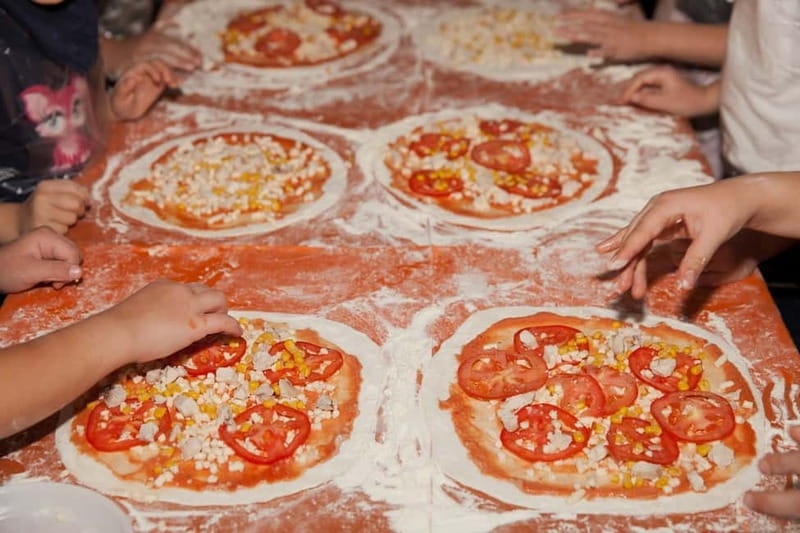
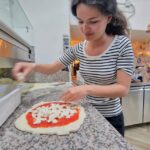
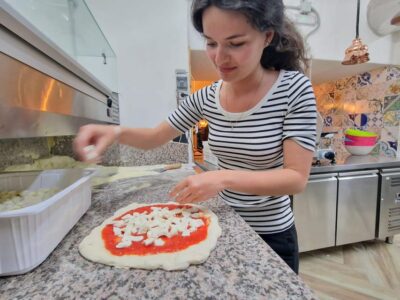
Once the dough is ready, the class moves into the part most people came for: stretching and topping. You’ll learn how to shape Neapolitan-style dough and how to build the pizza with traditional ingredients.
The topping standards are clearly Neapolitan:
- San Marzano tomatoes
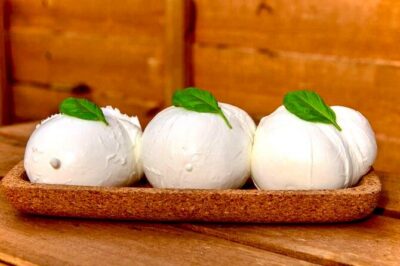
- Buffalo mozzarella
- Basil
- DOP extra virgin olive oil
What I like about this part is the ingredient quality is not treated like a flex. It’s treated like a requirement. You’ll learn how these ingredients work together—how the tomato flavor and mozzarella moisture affect balance—and why Neapolitan pizza has a distinct texture and taste.
Also, you’ll learn pizza-handling tips that aren’t obvious from watching someone else. One review mentioned receiving tips on how to work the pizza when it’s near the oven. That kind of guidance is gold for first-timers, because the oven area is where dough can go from perfect to panicked in seconds.
A few more bottles worth the trip in Naples




Step 4: The wood-fired oven bake and your Margherita moment

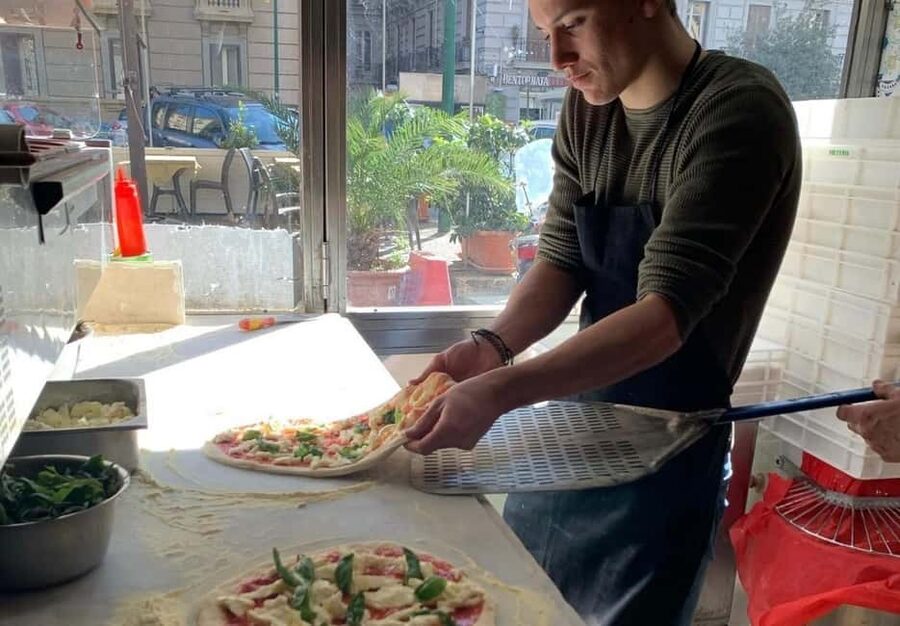
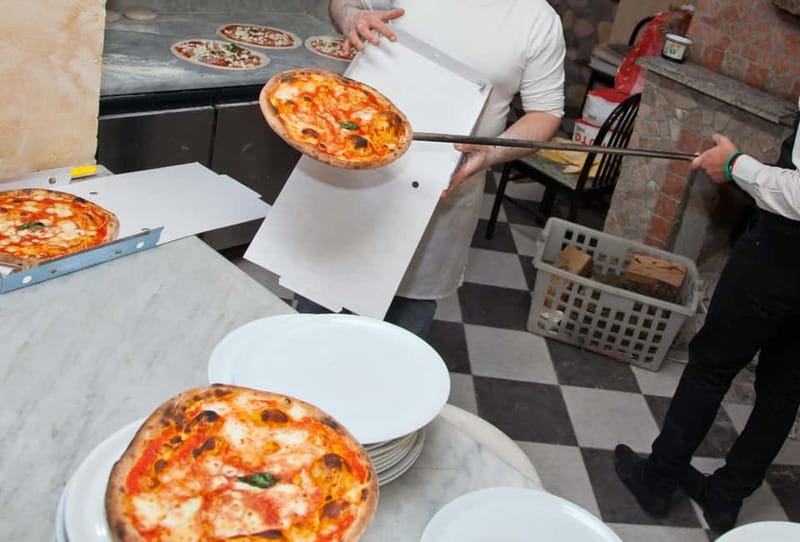
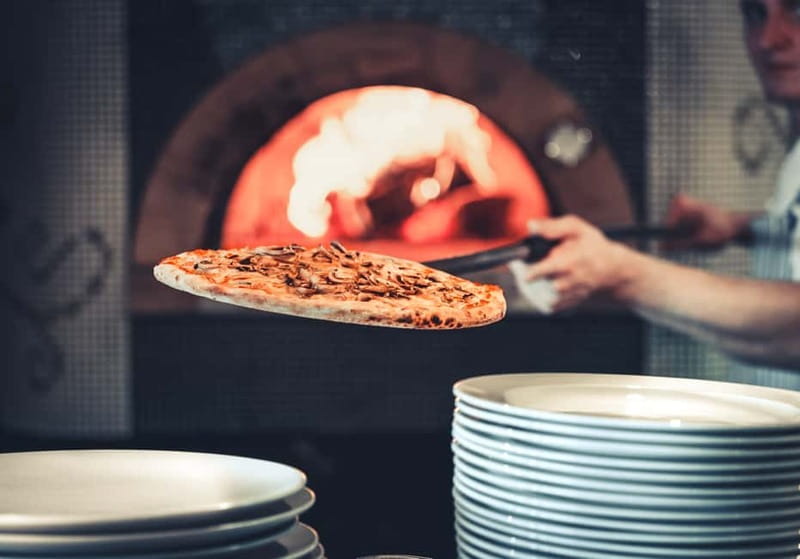
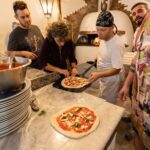
Your pizza is baked in a traditional wood-fired oven. That matters. Wood-fired heat isn’t just a cooking method; it changes how fast the pizza cooks and how the crust develops.
In the class, you’ll bake your handcrafted Margherita and then eat it in the warm pizzeria setting. Reviews repeatedly mention how good the pizza is, especially the dough. That checks out with the teaching focus: you’re not being taught to assemble. You’re being taught to produce dough that bakes into the right Neapolitan result.
Two practical notes:
- Don’t rush the tasting. When the crust is fresh, it’s part of the lesson.
- If you’re worried about timing, remember the class is structured so you’ll bake what you made, rather than relying on your own home-replicating guesses.
The sweet twist: fried dough bites with chocolate spread
Neapolitan pizza culture has always loved street-food practicality, and this class adds a sweet ending using the same dough. After the savory part, you’ll finish with crispy fried pizza dough bites filled with the world’s most famous chocolate spread.
This is a clever move for two reasons. First, it keeps the dough story consistent: you made the dough, and you see another version of how that dough behaves. Second, it gives you a dessert that feels like it belongs in Naples, not like a generic “cooking class dessert.”
One reviewer suggested a smaller dessert portion would have been nicer since the meal was already filling. If you have a small appetite for sweets, you can treat this as a light finish—because the main takeaway is still the dough and the pizza technique.
Wine, beer, and limoncello to close the loop
Food is half the lesson. The other half is the relaxed Naples pacing that turns a technical class into a real night out.
You’ll enjoy your creations with a glass of local wine (or water or beer, depending on the option). You’ll also get limoncello at the end. Several reviews highlight the welcome hospitality, and the pairing of pizza with local drinks helps everything feel cohesive, not staged.
If you’re planning your evening, treat this class as your meal plan. The program includes a full course of savory pizza and the sweet finish, so you’ll likely be set for dinner afterward.
Language and pace: what to expect if you don’t speak Italian
This is taught with Italian and English support, but the class may still shift between languages as the pizzaiolo demonstrates and the guide translates. One review noted multilingual instruction can be slightly challenging, even when it goes well.
Here’s how to make it easier:
- Watch the hands more than the words. Pizza technique is visual.
- Ask questions when you can. Reviews mention clear answers and patient instruction when people did ask.
- If you’re with kids, go in ready for some instruction switching. Several reviews mention families enjoyed the experience, as long as children meet the age rule.
Kids rule (and why it’s stricter than you’d expect)
There’s a clear safety rule: the class is only suitable for children aged 6 and over. Children under 6 are not allowed, including access to work areas and oven zones.
If you’re traveling with kids, this is good information because cooking classes often blur safety lines. Here, you should expect a structured, adult-guided environment around heat and tools.
Value check: why $70 makes sense for what you get
At $70 per person for about 2–3 hours, you’re not just paying for a slice of Neapolitan pizza. You’re paying for:
- instruction from a team tied to a World Pizza Championship environment
- hands-on time at your own station
- a full meal experience (savory pizza plus dessert made from the same dough)
- drinks including wine/beer and limoncello
- a digital recipe you can take home
If you like food tours that teach you a transferable skill, this is strong value. The dough technique is the part you’ll remember and repeat. And since you’re eating what you make, the class doubles as a dinner plan rather than a “pay for information, then go elsewhere to eat.”
The only cost here is your time and a little clean-up from flour. It’s a fair trade.
Who should book this class (and who might want to skip it)
This class is a great fit if:
- you love pizza and want the real Neapolitan method, not just topping ideas
- you prefer hands-on learning
- you want a Naples evening that’s interactive, not only sightseeing
- you’re okay with a multilingual rhythm (Italian plus English support)
You might want to skip or reconsider if:
- you want strict one-language instruction the entire time
- you’re sensitive to mess and don’t like getting flour on clothes
- you prefer light, small tastings only (the meal is filling, and the fried dessert is part of that)
Should you book this Naples pizza class?
In my view: yes, if you want to leave Naples with something practical. The big win is the combination of dough craft, staglio/panetti technique, and a wood-fired Margherita you bake and eat. Add the drinks and the sweet fried finish, and you get a full-food experience rather than a quick demo.
If your priority is just eating pizza without touching dough, you’ll still probably enjoy the food. But you’ll miss the real reason this class gets high praise: you go from ingredients to pizza with guided precision, and you take the recipe home to try again.
FAQ
How long is the pizza-making class?
The experience lasts about 2 to 3 hours. Exact start times depend on availability.
What do I make and eat during the class?
You’ll make Neapolitan pizza dough from scratch, then prepare and bake your own Margherita using traditional ingredients. You’ll also finish with a sweet dessert made from the same dough.
What drinks are included?
You get one glass of wine, water, or beer, plus limoncello.
Is the class suitable for young children?
For safety reasons, it is only suitable for children aged 6 and over. Children under 6 cannot participate, including access to the work area and oven zone.
What languages are used?
The instructor supports Italian and English.
Do I get a recipe to take home?
Yes. You’ll receive a digital recipe to take home.
More Wine Tours in Naples





More Tour Reviews in Naples





More Pizza to Make by Hand


More Naples tours, freshly reviewed



Naples Pizza-Making Classes, compared.
 ★ 4.9Pizza-Making Workshop with Drink and AppetizerFrom $395,411 reviews
 ★ 5.0Authentic Pizza Making Class in Naples with Appetizers and DrinkFrom $593,178 reviews
 ★ 4.8Neapolitan Pizza and Tiramisù Making ClassFrom $71839 reviews
 ★ 5.0Semi-Private Pizza Making Experience in Naples with DrinkFrom $56324 reviews
 ★ 4.9Neapolitan Pizza and Tiramisu Cooking ClassFrom $24258 reviews
 ★ 4.8Pizza Making Class with Local PizzaioloFrom $58124 reviews
 ★ 5.0Naples Pizza Class: Learn, Bake & Eat the Authentic Pizza TasteFrom $65103 reviews
 ★ 4.7Authentic Neapolitan Pizza Making ClassFrom $7797 reviews
Browse the lists this tour appears in