
Wine, food, and Pompeii history in one stop. You’ll start with a walk through a Pompeii vineyard just 100 meters from the Villa dei Misteri, then follow a spice path tied to ancient local traditions. The day is built around something you can feel and taste, not just look at.
Two things I really like: the way the tour connects wine to the land (the vineyard and organic garden walk), and the fact that lunch is genuinely food-heavy, with a full sequence from aperitif to dessert. One thing to consider: the tour is outdoors in good weather, so if rain hits, you may spend more time indoors and the garden-and-vine section can feel a bit shorter.
In This Review
- Key Points You’ll Care About
- Why This Pompeii Wine Lunch Works
- Starting Point at Via Villa dei Misteri, 7
- The 100-Meter Vineyard Walk and the Spice Path Story
- Organic Garden Stops: Where Tomorrow’s Appetizers Begin
- Aperitif Hour: Sparkling Wine, Wood-Fired Bread, Taralli, and Lupini
- Antipasto Sequence: Fresh and Aged Cheeses, Casatiello, and Eggplant Parmigiana
- Main Course Choice: Fresh Tomato Basil Pasta or Spaghetti alla Nerano
- Dessert: Limoncello Babà or Fresh Fruit
- Wine Tasting Value: Four Glasses With Real Food Pairing
- Who This Is For (and When to Skip It)
- Practical Tips Before You Go
- Should You Book This Pompeii Wine Tasting With Lunch?
- FAQ
- Where does the experience start?
- How close is the vineyard to the Villa of Mysteries?
- What’s included in the wine tasting?
- Is lunch included?
- What can I choose for the main course?
- What languages are the guides available in?
- Is transportation provided?
Key Points You’ll Care About
- 100 meters from Villa dei Misteri, so you can pair this with Pompeii sights without extra fuss
- Spice path + organic garden, with daily-harvest ingredients showing up in what you eat
- Aperitif and lunch come as a sequence, not a single plate, with wood-fired breads and local staples like taralli and lupini
- Two spaghetti options, including spaghetti alla Nerano for a classic Neapolitan-style choice
- Guides in multiple languages, including English, French, Italian, and Spanish
Which Pompeii ticket and guide? Compare a few more.
- Pompeii: Entry Ticket and Guided Tour with an Archaeologist★ 4.8 · 19,459 reviews
- Pompeii: Small Group Tour with an Archaeologist★ 4.8 · 12,264 reviews
- Pompeii: Skip-the-line Entry Ticket with Audio Guide & Map★ 3.9 · 3,153 reviews
- Naples: Pompeii and Mt. Vesuvius with Lunch and Wine Tasting★ 4.5 · 2,454 reviews
Why This Pompeii Wine Lunch Works
This experience hits a sweet spot: it’s close to Pompeii, but it doesn’t feel like another rushed museum stop. Instead of running from ruin to ruin, you get a slow rhythm with a vineyard walk, an organic garden visit, and a lunch that keeps coming—aperitif, antipasto, then pasta, then dessert.
I also like that the focus stays local. You’re tasting wines from the area alongside Campania-style flavors, plus specific staples tied to the region’s food culture. And if you care about the human side of a tour, the service level matters here: I’ve seen praise for friendly, English-supportive staff, and the host can make the pacing feel easy.
Starting Point at Via Villa dei Misteri, 7
You’ll meet at Via Villa dei Misteri, 7, in Pompeii. That matters because it keeps you from wasting time figuring out transport to a faraway countryside farm. It also makes the whole plan feel tight: you can do Pompeii sights in the morning or after lunch without a giant logistics headache.
Another practical point: the experience includes skip-the-ticket-line style entry for the activity itself. That means less waiting around and more time where it counts—on the vineyard path and at the table. You’ll also have a live guide in English, French, Italian, and Spanish, which makes the history and food explanations land better.
The 100-Meter Vineyard Walk and the Spice Path Story
The tour begins with a walk through the vineyard, and the location is a big part of the charm. You’re only about 100 meters from the Villa of Mysteries, so you get a real sense of place: ancient Pompeii is right there, and the vines are close enough to feel like they belong to the same setting.
What makes the vineyard walk more than a scenic stroll is the spice path. You’ll learn about spices connected to ancient Pompeii and how they were used to prepare aphrodisiac teas for villa festivities. Even if you take that as part story and part tradition, it gives your tasting a framework: wine and food here aren’t random—they connect to daily life, rituals, and the local idea of hospitality.
Wear shoes you don’t mind getting a bit warm or dusty. This is a walking-and-tasting day, not a sit-and-watch show.
Organic Garden Stops: Where Tomorrow’s Appetizers Begin
Next comes the organic garden, and this part is genuinely useful if you like understanding what you’re eating. The garden visit is set up around the idea of daily harvests—so ingredients like tomatoes, eggplants, zucchini flowers, and basil aren’t treated as abstract “farm-to-table.” They’re part of the meal plan you’ll get later.
Why this matters: once you see how ingredients grow (and which ones are picked daily), it’s easier to notice the flavor choices in the kitchen. That garden context also helps you appreciate the menu logic—why certain appetizers feel fresh and why the herbs show up in the pasta choices.
One small downside: the garden portion can be weather-dependent. On rainy days, you might not get the same outdoor pacing, so bring a light layer or compact umbrella if your schedule is close to changeable autumn weather.
More glasses poured on the Vesuvius slopes


Aperitif Hour: Sparkling Wine, Wood-Fired Bread, Taralli, and Lupini
Then it’s aperitif time. You’ll start with sparkling wine and a spread that includes bruschetta with wood-fired bread, plus Agerola taralli and lupini beans.
This is one of the most memorable parts of the experience because it’s both local and interactive. You’re tasting things that feel different from standard tourist appetizers: taralli has that crunchy, savory bite, and lupini is a regional flavor with a distinctive taste profile. The tour frames lupini as a typical dish from ancient Pompeii, which turns a snack moment into a mini history lesson you can actually chew.
If you’re expecting a wine-only tasting, you’ll be pleasantly surprised. This isn’t about sampling tiny sips and calling it lunch. The aperitif is substantial enough that you’ll feel like the day has already started cooking in your favor.
Antipasto Sequence: Fresh and Aged Cheeses, Casatiello, and Eggplant Parmigiana
After the aperitif, you move into the antipasto portion. Expect fresh and aged cheeses, cured meats, a small eggplant parmigiana, and Neapolitan casatiello. You’ll also see wood-fired breadsticks (grissini) at the table.
This section is where the meal starts to feel like a real celebration. The cheeses and cured meats give you salty, savory structure. The eggplant parmigiana adds comfort-food warmth, and casatiello brings in that Neapolitan bakery-and-cheese flavor that belongs in any discussion of Campania food culture.
It’s also the part of the meal where you can slow down and pace yourself. If you tend to rush, you might find the sequence makes you thirsty—good news, since wine is part of the setup—but take a breath between courses and let the flavors do their job.
Main Course Choice: Fresh Tomato Basil Pasta or Spaghetti alla Nerano
Now you choose your main. You can go with spaghetti with fresh cherry tomatoes and basil, or opt for spaghetti alla Nerano.
This is a smart inclusion because it lets you match your mood. If you want light, bright flavors, the tomato-and-basil route is straightforward and fresh-tasting. If you want something more classic and indulgent, spaghetti alla Nerano tends to scratch that deeper Neapolitan itch (the menu doesn’t require you to know the story to enjoy the outcome).
Practical tip: because the antipasto is already substantial, don’t assume you’ll want extra bread with your pasta. Pick your pace and enjoy it, rather than fighting full plates.
Dessert: Limoncello Babà or Fresh Fruit
To finish, you’ll get classic limoncello babà or a fresh fruit platter. Either way, it’s a clean landing after wine and pasta.
If you go for the babà, you’re in for a dessert that fits Campania’s love of citrus and soaked sweetness. If you prefer something lighter, the fruit option lets you wrap the meal without feeling overly weighted.
I like that the dessert choice respects different appetites. It also means you can keep the day comfortable if you still want time for Pompeii ruins after lunch.
Wine Tasting Value: Four Glasses With Real Food Pairing
The wine part is built into the meal: the experience includes a wine tasting of 4 glasses. In practice, this is what makes the whole value feel fair. You’re not just paying for a drink menu—you’re paying for wine education paired with a structured lunch sequence.
At $70 per person, the price makes sense when you look at what’s included: vineyard visit, organic garden visit, aperitif, multiple courses, and four tastings. If you tried to recreate this yourself—transport to a vineyard, wine flights, and a full lunch—you’d likely spend more time and money without the same flow.
Also, the service can be a big part of the payoff. One highlight I saw again and again is that hosts work hard to explain in a way that lands well in English, and they tend to be genuinely friendly.
Who This Is For (and When to Skip It)
This is best for adults who like wine and food, and who want a break from straight-line sightseeing. If you love local ingredients, you’ll enjoy the garden walk and the way it connects to what arrives at your table.
It’s also a great fit if you plan to spend time around Pompeii already, because the vineyard is so close to the Villa dei Misteri area. You get a change of pace without commuting forever.
It may not be the right choice if you’re traveling with kids. The experience notes it’s not suitable for children under 18, and unaccompanied minors aren’t allowed.
Practical Tips Before You Go
A few things to keep your day easy:
- Bring weather protection if your day is in shoulder season. Even with a plan, rain can shift how much time you spend outdoors.
- Plan for walking on vineyard and garden paths. You’re not dealing with a long hike, but you’ll be on your feet.
- Skip heavy planning after lunch if you’re a slow eater and wine-friendly. This meal sequence takes up real time.
- Know the basic rules: no sharp objects or weapons, and you also can’t bring swimwear. Fire or making fire isn’t allowed.
- Languages are covered, but if you’re picky about pronunciation, a quick sentence about what you prefer to understand (wine vs food) can help the guide tailor the explanations.
And if you’re lucky enough to have Marco as your guide, you’ll likely appreciate the warmth and skill people specifically mention about him.
Should You Book This Pompeii Wine Tasting With Lunch?
If you want Pompeii culture with a food-and-wine payoff, I’d book it. The location near Villa dei Misteri, the vineyard and spice-path walk, and the organic garden visit give you a “why this tastes like this” experience. Then the menu keeps showing up in a proper sequence: aperitif with sparkling wine, wood-fired bruschetta, taralli, lupini; antipasto with cheeses and casatiello; your spaghetti choice; and dessert with limoncello babà or fruit.
Skip it only if you want a very light snack or a short stop, because this is designed as a full lunch day experience. Also, if you’re traveling with anyone under 18, it won’t fit.
Overall: this is a strong value bet for an adults-only, food-first Pompeii break that actually tastes like Campania.
FAQ
Where does the experience start?
It starts at Via Villa dei Misteri, 7 in Pompeii, and you return to the same address at the end.
How close is the vineyard to the Villa of Mysteries?
The vineyard is located about 100 meters from the Villa of Mysteries.
What’s included in the wine tasting?
You get a guided wine tasting with 4 glasses of local wine, along with an aperitif that includes sparkling wine.
Is lunch included?
Yes. Your lunch includes multiple courses such as bruschetta, cured meats, fresh and aged cheeses, eggplant parmigiana, casatiello, wood-fired breadsticks, a spaghetti choice, and dessert (limoncello babà or fruit platter).
What can I choose for the main course?
You can choose between spaghetti with fresh cherry tomatoes and basil or spaghetti alla Nerano.
What languages are the guides available in?
The live guide is available in English, French, Italian, and Spanish.
Is transportation provided?
Transportation to the vineyard is not included.
More Tour Reviews in Pompei Campania





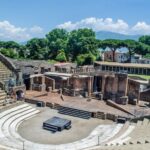
More Wine on the Slopes


More Pompeii Tours to Compare
More Pompei Campania tours, freshly reviewed




Pompeii Tours, compared.
 ★ 4.8Pompeii: Entry Ticket and Guided Tour with an ArchaeologistFrom $3519,459 reviews
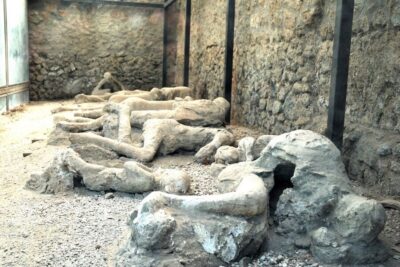 ★ 4.1Pompeii: Entry Ticket with Audio GuideFrom $4013,491 reviews
 ★ 4.8Pompeii: Small Group Tour with an ArchaeologistFrom $4012,264 reviews
 ★ 4.3Pompeii Ruins & Mount Vesuvius Day TourFrom $12011,459 reviews
★ 5.0Pompeii Small Group Tour with an ArchaeologistFrom $356,593 reviews
★ 4.3Pompeii Ruins & Mount Vesuvius Day TourFrom $12011,459 reviews
★ 5.0Pompeii Small Group Tour with an ArchaeologistFrom $356,593 reviews
 ★ 4.5Skip-the-line Pompeii – Small Group TourFrom $544,401 reviews
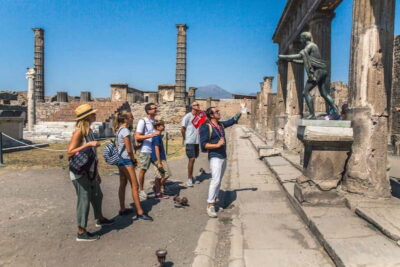 ★ 4.6Naples or Sorrento: Full-Day Pompeii and Mount Vesuvius TourFrom $1044,235 reviews
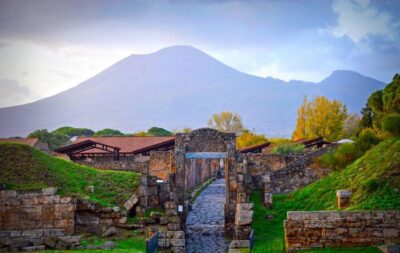 ★ 3.9Pompeii: Skip-the-line Entry Ticket with Audio Guide & MapFrom $433,153 reviews
Browse the lists this tour appears in