
Review · COOKING CLASSES
Neapolitan pasta homemade Cooking Lesson
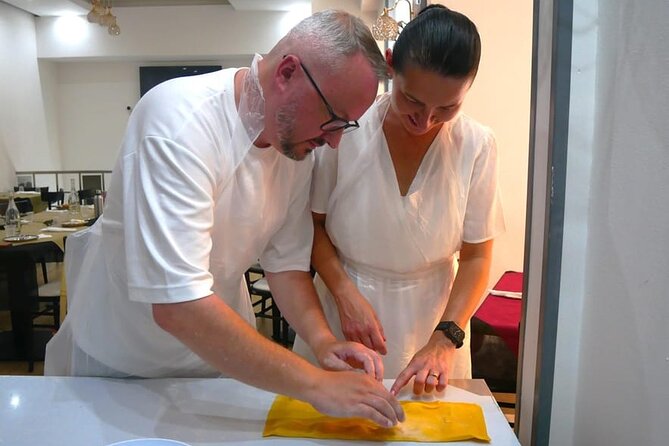
Handmade pasta in Naples, in just two hours. The Neapolitan homemade pasta lesson is built around doing the work yourself: egg dough, rolling by hand, shaping ravioli and fettuccine, and learning family-style methods that the class frames as traditional. You also get a tasting moment that feels very local—think Vesuvio tomato and homemade bread—so the cooking makes sense, not just the steps.
What I like most is the mix of technique and ingredients. You’re taught how different pastas relate (so you stop seeing pasta as one thing), then you move into making egg pasta with a dough that includes an old-school resting approach and a local starter. The other win is the payoff: your lunch includes your pasta plus wine, with sauces that tie everything together.
A possible drawback: it’s priced like a premium food experience, but it’s still a short 2-hour class. If you’re already comfortable cooking at home or have taken similar pasta classes, you might find the pace a bit fast and the instruction more basic than you expected, and it’s not recommended for gluten intolerance.
In This Review
- Key highlights to look for
- Neapolitan pasta in Naples: what makes this class feel different
- The class flow: from pasta types to egg dough that rests
- Why the Vesuvio tomato tasting matters (not just a snack)
- Rolling, cutting, and filling: how you make ravioli and fettuccine by hand
- Cooking the pasta and getting it on your plate with sauces and wine
- Price and value: what $90.76 buys you in Naples
- Who should book this Neapolitan pasta lesson
- Where it starts: Via delle Zite and getting oriented fast
- Should you book this Naples homemade pasta cooking lesson?
- FAQ
- How long is the Neapolitan pasta cooking lesson?
- Where does the cooking class start in Naples?
- How much does it cost per person?
- What pasta will I learn to make?
- Does the class use a pasta machine?
- What’s included with the lesson?
- Is the class suitable for gluten intolerance?
- Can I cancel and get a refund?
Key highlights to look for
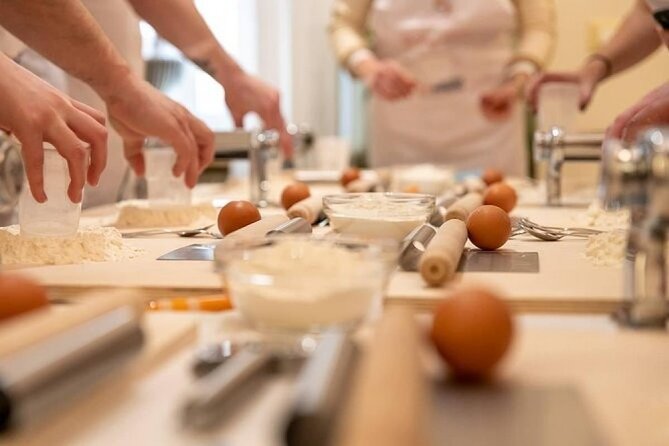
- No machine pasta work: You roll and shape using traditional methods, not pasta machinery.
- Ravioli + fettuccine focus: You cut and cook multiple styles, with hands-on shaping for the core dishes.
- Vesuvio tomato tasting: You taste organic tomato from Vesuvio alongside bread and other simple, high-quality products.
- Egg dough techniques: You learn how the dough is prepared and why it rests.
- Lunch with wine included: You eat what you make, with sauces, wine, and soda/pop.
More aprons on in Naples
- Naples: Pasta Making Class with Starter and Drink★ 4.9 · 1,060 reviews
- Naples: Pasta Cooking Class with Tiramisù and a Drink★ 4.6 · 415 reviews
- Naples: Neapolitan Pizza and Tiramisu Cooking Class★ 4.9 · 258 reviews
- Naples Pizza and Tiramisu Cooking Class★ 5.0 · 173 reviews
Neapolitan pasta in Naples: what makes this class feel different
Naples has a way of treating food like a skill you can learn with your hands. This cooking lesson leans into that. You’re not just watching someone “demonstrate” pasta; you’re getting your fingers in the dough, rolling it out, and turning it into shapes that actually match the sauces and the flavors you’ll eat.
I also like that the class doesn’t start with trivia. It starts with pasta as a craft. The instructor explains the differences between types of pasta first—helpful if your brain tends to lump ravioli, tagliolini, and fettuccine into one category called pasta. That short setup matters because it helps you understand why the dough thickness and cutting style matter later.
Then there’s the ingredient side. Before you cook and eat, you taste products like organic tomato from Vesuvio and homemade bread. It’s a small moment, but it teaches a big idea: if you use strong ingredients, the pasta itself has a stronger role. That’s very Neapolitan, and it shows you the logic behind the methods.
The class flow: from pasta types to egg dough that rests
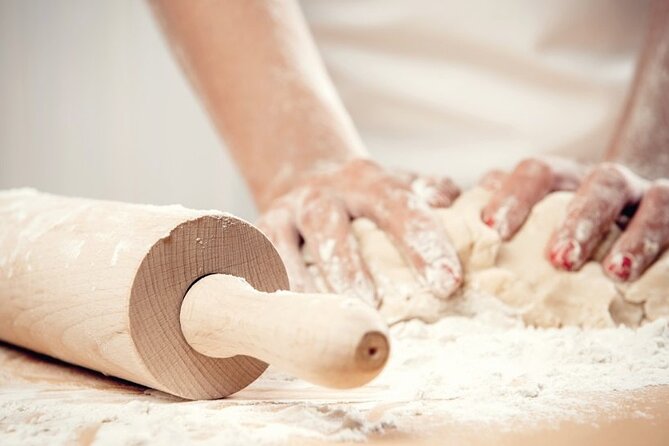
The lesson runs about two hours and feels like an efficient sprint. You’ll begin with a quick overview of pasta types and how they differ. It’s not a long lecture, but it’s enough to give you mental labels—so when you’re later cutting dough for fettuccine or shaping ravioli, you know what you’re aiming for.
Next comes the egg pasta. You’ll learn the process behind making the dough using a family-style recipe and the class includes an explanation of what’s in the dough. One detail worth noting: the description points to a dough resting step and frames it as part of older methods. In real cooking terms, resting is where dough becomes more workable—less elastic chaos, more control—so it’s not just tradition for tradition’s sake.
The class also mentions a local starter during the resting time. Even if you don’t fully geek out on fermentation or starters, you’ll get the point: the experience is built to connect you to local food culture, not only to teach you a recipe you could pull from a cookbook.
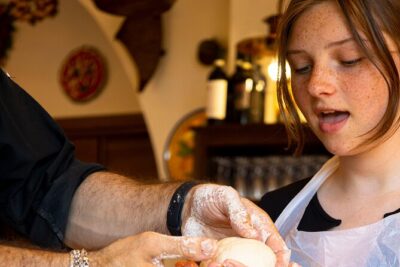
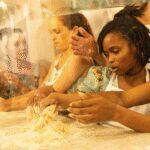
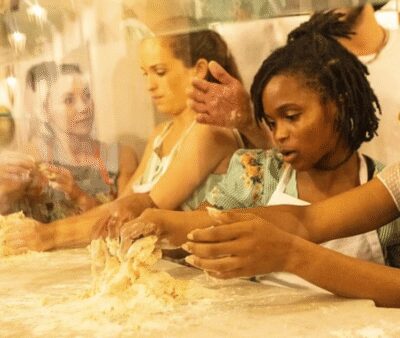
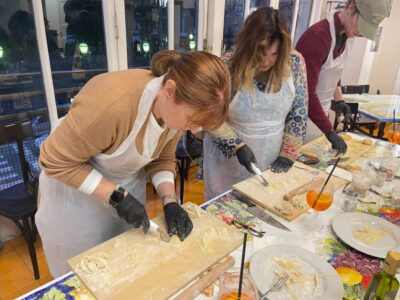
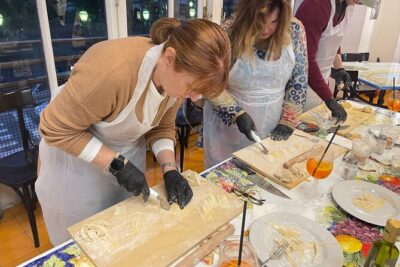
From there, you move into rolling and shaping. The instructor explains and then sets you to work, using a rolling pin and traditional methods rather than modern machines. That’s a key difference between a true class and a quick pasta performance. You’ll feel the dough change as you handle it—thinner, smoother, easier to cut—so the technique sticks.
Why the Vesuvio tomato tasting matters (not just a snack)
A lot of cooking classes treat tasting as a side quest. Here, it’s part of the learning. You’ll taste organic products including tomato from Vesuvio, plus homemade bread. The point isn’t fancy plating. It’s teaching you to notice quality in simple things.
Tomato from Vesuvio matters in a Neapolitan context because the sauce conversation starts there. When you later season your cooked pasta with sauces, you’re not starting from bland. You’ve already tasted what good tomato can be like, so you can compare what you’re eating to what you know from supermarket jars.
Bread tasting also helps you calibrate. If the bread is good, you’re more likely to take the lunch seriously instead of treating it as a separate part of the program. It’s one of those quiet signals that this experience is built around ingredients, not just technique.
And you get this tasting while the dough is resting and you’re waiting for the right moment to shape. That keeps the class moving and makes the time feel purposeful.
Rolling, cutting, and filling: how you make ravioli and fettuccine by hand
This is where the class earns its keep.
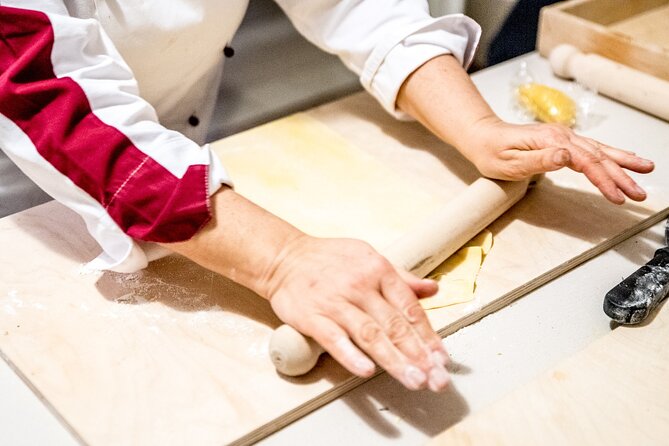
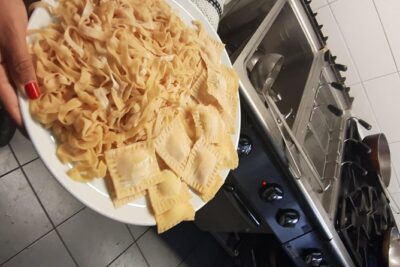
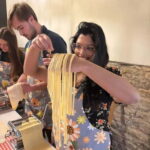
You’ll roll out the dough with a rolling pin, without machines, and then cut it. The core products you’ll make are fettuccine and ravioli. You’ll also be shown additional pasta shapes—tagliolini and pappardelle—so you can see how the same basic dough leads to different textures and eating experiences.
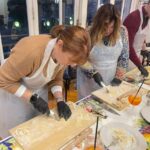
Then comes the filling. You’ll mix the filling ingredients and combine them with the ravioli. This is the hands-on part where you learn how to handle dough without tearing it and how to portion filling so it stays sealed after cooking. If you’ve never made filled pasta before, this is the step that turns pasta from something you buy into something you understand.
Two things I’d watch for if you’re evaluating whether this is the right class for you:
First, the class sounds like it’s built for learning technique, not for competing perfection. Even though you’ll shape real pasta, don’t expect a workshop that spends extra time on every nuance of crimping or flour dusting for display-level results.
Second, you’ll want to embrace a learning rhythm. Rolling and cutting by hand is slower than machine pasta. That’s the trade-off, but it’s also why you walk away with muscle memory you can use at home.
Other Naples outings worth a look before you book
Cooking the pasta and getting it on your plate with sauces and wine
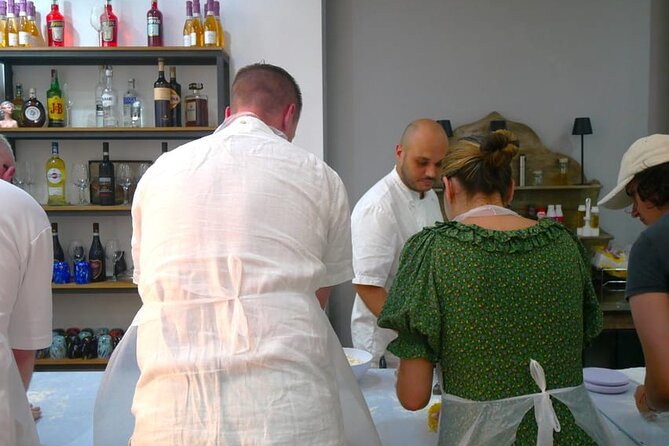
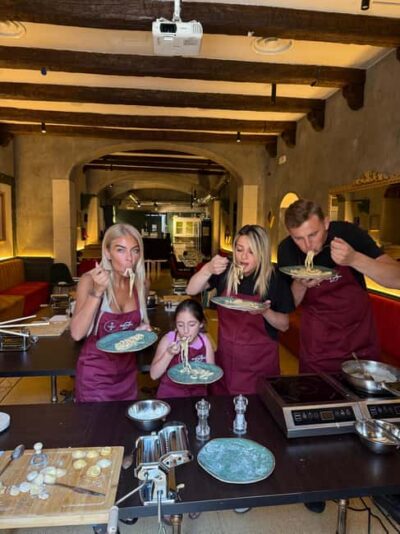
After the pasta is shaped, it’s cooked in water, then seasoned with two different sauces after a few minutes. This sequence is useful: you see how long pasta needs before it’s ready, and you taste sauces alongside the pasta it was made for.
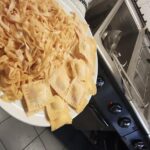
The class includes lunch, and that lunch is explicitly described as your homemade fettuccine and ravioli, served with wine. Soda/pop is also included. Not included: other drinks after the first one. That matters when you’re thinking about overall spend, because wine included at lunch can cover a big chunk of the experience’s value.
One neat detail from a positive review: people reported the instructor (named Daniel in one review) making the process fun and easy, with lots of tips. In a hands-on class, guidance can make the difference between feeling lost and feeling confident. If you prefer clear direction, a class with that kind of instruction style is a big plus.
Also, one review mentions making tiramisu from scratch in their session. The main class description focuses on ravioli and fettuccine, but since that detail appears in the feedback you provided, you might find a sweet add-on depending on how the class runs. I’d treat tiramisu as a possible bonus rather than a guarantee, unless your booking info confirms it.
Price and value: what $90.76 buys you in Naples
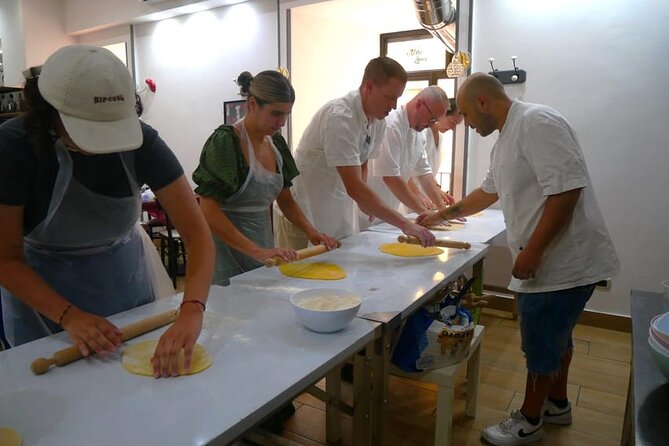
At $90.76 per person for about two hours, this isn’t a budget activity. The value comes from the combination:
- Hands-on pasta making (not just watching)
- Core dishes (ravioli and fettuccine, plus instruction on tagliolini and pappardelle)
- Ingredient tastings (including Vesuvio tomato and homemade bread)
- Lunch with wine plus soda/pop
- A small-ish cap: up to 35 people
So the math isn’t only about cooking time. It’s about what you leave with: a real recipe process you can repeat, plus a meal you actually made. If you’ve ever spent money on a class where you leave with a piece of paper and no confidence, this one is aiming to be different by keeping you active the whole way.
That said, one lower rating notes that the experience felt higher priced and lower value for what they expected to learn, especially if you already have cooking basics. I’d take that seriously. If you’re an advanced home cook, a two-hour class may feel like the friendly version of pasta making, not a deep technical master session.
My practical take: if you want a first real try at Neapolitan pasta, or you want a guided way to start doing ravioli at home, this likely feels worth it. If you’ve already mastered fresh egg dough and filled pasta, you may feel like you’re paying for a nice meal and a fun setting more than brand-new technique.
Who should book this Neapolitan pasta lesson
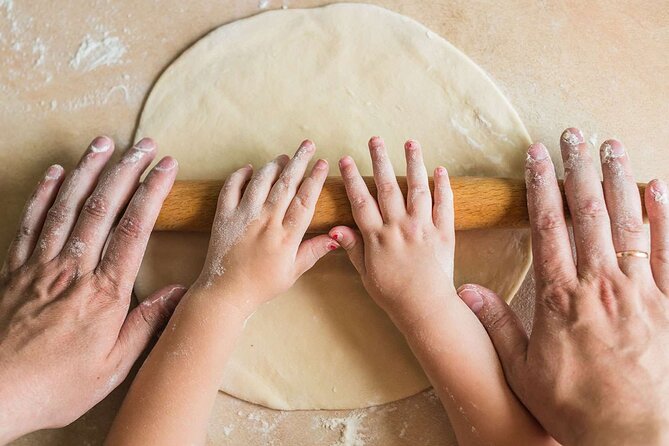
This class fits best if you fall into one of these groups:
- You want a hands-on introduction to fresh pasta in Naples, not a food lecture.
- You like learning from ingredient cues—tasting tomato and bread before you cook.
- You’re traveling with limited time and want an experience that ends with lunch you made.
- You enjoy a structured course with enough guidance to keep you moving.
It’s less ideal if:
- You have gluten intolerance (not recommended).
- You expect a 3-hour or half-day course. The lesson is about two hours.
- You’re already very experienced and want advanced technique drills. One critical review suggests you might not learn as much as you hope if you already cook at home.
Group size also matters. The tour caps at a maximum of 35. That’s not tiny, but it’s likely small enough to keep instruction practical. If you prefer very intimate, one-on-one coaching, you might want to compare other options—though your provided info doesn’t say the group breaks down further.
Where it starts: Via delle Zite and getting oriented fast
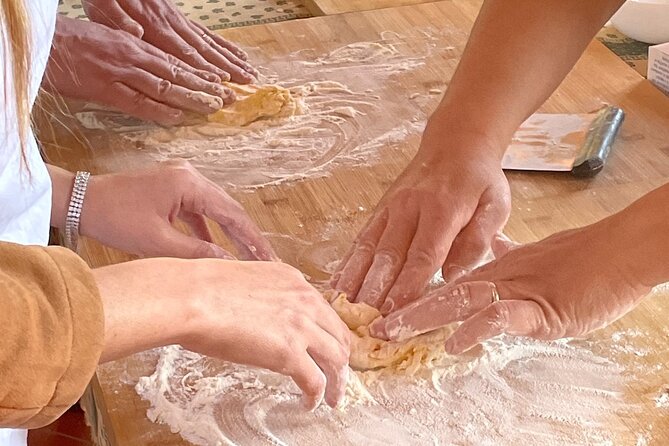
You meet at Via delle Zite, 30, 80139 Napoli. It’s near public transportation, and the activity ends back at the meeting point. The class uses a mobile ticket, so make sure your phone battery is ready when it’s time to scan in.
This matters because Naples is easy to get turned around in. When a class includes meeting and return to the same location, it reduces stress. You can focus on the food instead of spending your energy figuring out routes.
Should you book this Naples homemade pasta cooking lesson?
Book it if you want fresh Neapolitan pasta done the right way for your first time—or your second—especially if you value tasting quality ingredients and eating what you make right after. The combination of hand-rolled dough, real shaping of ravioli and fettuccine, and lunch with wine is exactly the kind of practical experience that makes home cooking feel doable.
Think twice if you’re expecting a long, deep course. This is about two hours, and one review highlighted that it may feel best for beginners or people new to cooking courses. If you already know how to make fresh pasta, you might get more value from a more advanced workshop.
My final nudge: if you’re in Naples and you want a hands-on food memory you can recreate, this lesson is a strong bet.
FAQ
How long is the Neapolitan pasta cooking lesson?
It runs for about 2 hours.
Where does the cooking class start in Naples?
The meeting point is Via delle Zite, 30, 80139 Napoli, Italy.
How much does it cost per person?
The price is $90.76 per person.
What pasta will I learn to make?
You’ll make homemade ravioli and fettuccine. You’ll also be shown how to prepare tagliolini and pappardelle.
Does the class use a pasta machine?
No. You roll out the dough with a rolling pin and use traditional methods rather than machinery.
What’s included with the lesson?
Lunch is included with your homemade fettuccine and ravioli, plus wine. Soda/pop is also included.
Is the class suitable for gluten intolerance?
No, it is not recommended for people who are gluten intolerant.
Can I cancel and get a refund?
Yes. You can cancel up to 24 hours in advance for a full refund. If you cancel less than 24 hours before the start time, the amount paid is not refunded.
More Workshops in Naples


More Cooking Classes in Naples


More Tour Reviews in Naples



More Naples tours, freshly reviewed




Cooking Classes, compared.
 ★ 4.9Pasta Making Class with Starter and DrinkFrom $391,060 reviews
 ★ 4.6Pasta Cooking Class with Tiramisù and a DrinkFrom $71415 reviews
 ★ 4.9Neapolitan Pizza and Tiramisu Cooking ClassFrom $24258 reviews
 ★ 4.8Traditional Italian Food Cooking Class at RestaurantFrom $57106 reviews
 ★ 5.0Amazing Pizza and Pasta Class at Savio’s kitchen cooking schoolFrom $173104 reviews
 ★ 4.5Hands-On Pasta Making and Traditional Tiramisu WorkshopFrom $7271 reviews
 ★ 4.9Fresh Pasta Cooking Class and Dinner with a LocalFrom $6169 reviews
Browse the lists this tour appears in