
Review · NAPLES PASTA & COOKING CLASSES
Naples: Pasta and Gelato Cooking Class
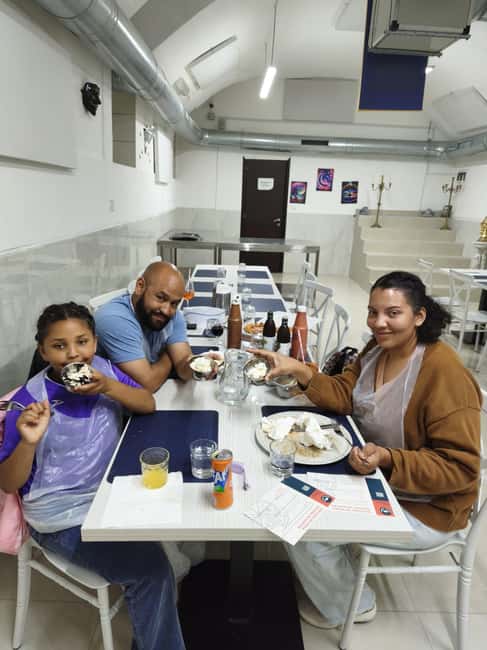
Fresh pasta and gelato in three hours. You’ll make tagliatelle and hand-filled ravioli, then eat a lunch or dinner made from scratch, guided by Chef Antonio with a friendly, get-involved vibe. I love the practical, from-scratch technique and the way the meal turns into a social moment, but do note it is not suitable for lactose intolerance or food allergies.
What makes this class feel worth it is how much you actually do, not just watch. The chef explains the why behind the steps, from dough texture to resting time, and you also hear stories about Italian food culture and daily life in Naples. If you’re traveling with kids, it’s set up for all ages, with children under 18 needing an adult.
For $65, you’re not just buying a cooking lesson; you’re getting tools, ingredients, and a full sit-down meal plus gelato. One practical thing to plan for: you’ll want clothes that can get dirty because flour is part of the fun.
In This Review
- Naples Pasta and Gelato: The Fun Part You Actually Control
- Walking In: Chef Antonio, Tools, and a Chef Diploma Moment
- From Scratch Pasta Dough: Texture, Elasticity, and Resting Time
- Tagliatelle (Handmade Ribbon Pasta) and the Alfredo-Style Sauce
- Ravioli Shaped by Hand: San Marzano, Basil, and Parmigiano
- Gelato Time: Texture Matters More Than Sweetness
- The Shared Meal: Lunch or Dinner, One Drink, and Real Conversation
- Price and Value: Why $65 Can Make Sense Here
- Who Should Book This Naples Class (and Who Should Skip It)
- Making the Most of Your 3 Hours: Timing, Pace, and What to Bring
- Should You Book Naples Pasta and Gelato?
- FAQ
- How long is the Naples pasta and gelato cooking class?
- What pasta dishes will I learn to make?
- Do I make the food myself or just watch?
- Is lunch or dinner included?
- Is gelato included, and what do we do with it?
- What is included in the price besides the food?
- What languages are the class and instructor available in?
- Is the class suitable for lactose intolerance or food allergies?
- What should I wear or bring?
Naples Pasta and Gelato: The Fun Part You Actually Control
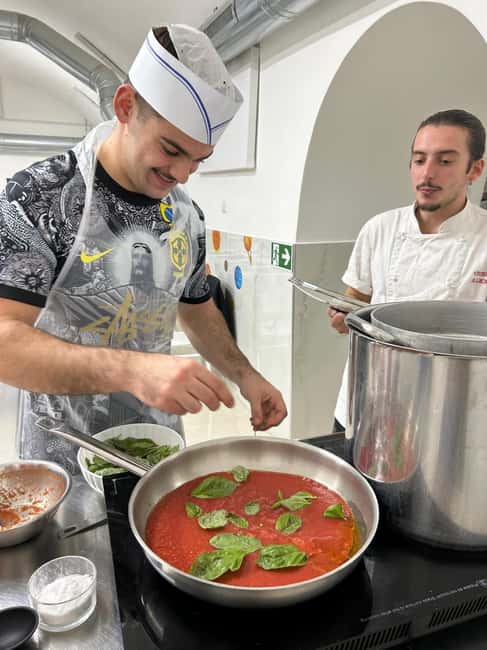
This is the kind of Naples experience that gives you something tangible at the end: pasta you shaped, sauce you built, and gelato you churned into something real. You start with dough from scratch and end with a sweet finish, all in a relaxed setting in the heart of Naples.
The best part is how quickly you stop feeling like a spectator. From the first steps, you’re working with your hands and learning the texture cues that make Italian pasta different. That hands-on structure matters because it turns recipes into skills you can reuse later, at home or on your next trip.
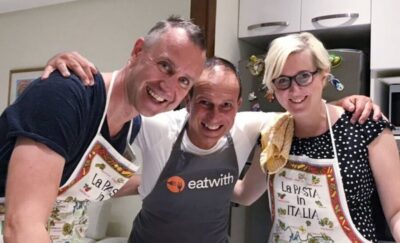
Chef Antonio also has a knack for keeping the mood light. People laugh, help each other, and taste along the way, which makes the whole thing feel more like a shared table than a lesson you rush through. And yes, it mixes cultures nicely: you may cook alongside fellow travelers from multiple countries, all taking the same floured plunge.
One more reason I like it: the class doesn’t treat pasta and gelato as separate gimmicks. It builds the same idea twice—good ingredients plus correct technique—then sends you to the table with your results.
Roll more pasta with a Neapolitan cook
- Naples: Pasta Making Class with Starter and Drink★ 4.9 · 1,060 reviews
- Naples Pasta Class: Fettuccine & Ravioli with Grandma’s Recipe★ 5.0 · 506 reviews
- Naples: Pasta Cooking Class with Tiramisù and a Drink★ 4.6 · 415 reviews
- Naples: Neapolitan Pizza and Tiramisu Cooking Class★ 4.9 · 258 reviews
Walking In: Chef Antonio, Tools, and a Chef Diploma Moment
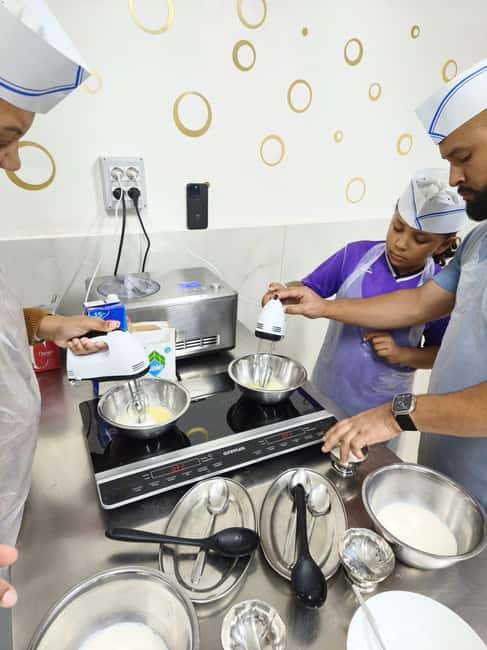
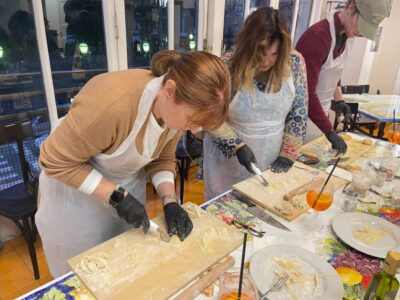
Right when you arrive, you’re set up for participation. You’ll get a kitchen setup that includes tools and an apron, plus a chef’s hat and a chef diploma souvenir after the cooking. That sounds small, but it helps you mentally shift into doing mode, not just taking photos.
The chef leads the entire flow, with instruction available in Italian, French, Spanish, and English, so you’re not stuck playing translation roulette. The teaching style is interactive. You don’t get stuck standing back while someone else works; you’re guided step-by-step so you can feel confident even if you’ve never made pasta before.
In the middle, you also get a local appetizer. It breaks up the cooking rhythm and gives you a quick taste of what the chef thinks matters in Naples cuisine. Then you head back into pasta work, and later the gelato part, without feeling like the schedule is dragging.
If you’re the type who wants closure, the diploma is a nice touch. It’s the kind of souvenir that doesn’t just sit on a shelf; it reminds you that you learned a real process, not just sampled a dish.
From Scratch Pasta Dough: Texture, Elasticity, and Resting Time
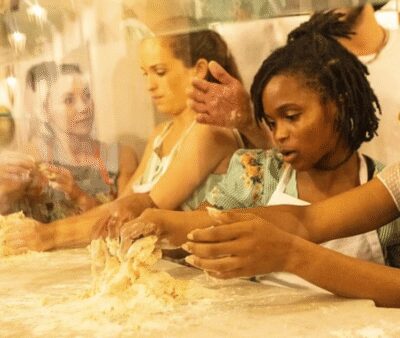
The pasta starts with dough made from scratch. You’ll work it by hand, which is the difference between a class that feels meaningful and one that feels like assembly. You learn what to look for as the dough comes together—how it should feel, how it should stretch, and what changes when it rests.
That resting time is not a “chef magic” step; it’s part of the science of gluten development and dough behavior. You’ll hear the reason behind it in plain terms, so you understand why you don’t rush the dough or skip the wait. It’s one of those small lessons that makes cooking at home more reliable later.
As you work, the chef’s explanations tie technique to ingredient choice. The message is consistent: in Italian cooking, ingredients and method both matter. If you’ve ever wondered why restaurant pasta tastes better, this is where the answer starts.
Practical note: bring comfortable clothes and expect to get messy. This isn’t a polished demonstration kitchen. You’re kneading, shaping, and learning by doing.
Tagliatelle (Handmade Ribbon Pasta) and the Alfredo-Style Sauce
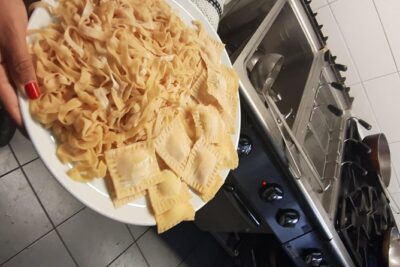
Next up, you’ll make tagliatelle—and the class also describes it as handmade fettuccine ribbon-style pasta. Either way, the point is the same: you shape a fresh pasta that has the right texture for holding sauce.
You’re also learning how sauce should feel, not just how it should taste. The meal includes a creamy Alfredo-style sauce designed to show balance and technique. The chef guides you on how to pair the sauce with the pasta so it clings properly and doesn’t turn watery or heavy.
This part is where the class feels both simple and skillful. Anyone can make dough. The challenge is making pasta that’s not too thick, not too dry, and cut in a way that works with the sauce. When you do it right, the first bite makes you understand why Italians treat pasta as a craft.
And because you’re involved, the satisfaction is real. You don’t just eat pasta that happened to exist. You make it, you shape it, and then you taste it while it’s still part of your hands-on process.
Ravioli Shaped by Hand: San Marzano, Basil, and Parmigiano
Then comes the ravioli. You’ll shape it by hand and fill it, which is where many people suddenly discover they enjoy slow attention. The goal isn’t perfection for perfection’s sake; it’s learning the form and understanding how filling and sealing affect the final bite.
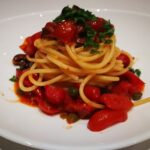
For sauce, the class pairs ravioli with a classic tomato-basil preparation using San Marzano tomatoes and fresh basil, finished with Parmigiano cheese. San Marzano gets mentioned because it’s tied to a specific Italian tradition and flavor profile, and it shows up often when Italians talk about good tomato work.
Parmigiano isn’t just a topping here. It adds saltiness and structure, and it helps the sauce feel finished instead of flat. With fresh basil in the mix, you get that classic green-herb aroma that makes the whole plate smell like you’re eating at a real Italian table.
One more thing I appreciate: the chef doesn’t treat these ingredients like a shopping list. The explanations connect technique and ingredient choice to regional habits and what families cook day to day. That context makes the dish more than food on a plate.
More aprons on in Naples
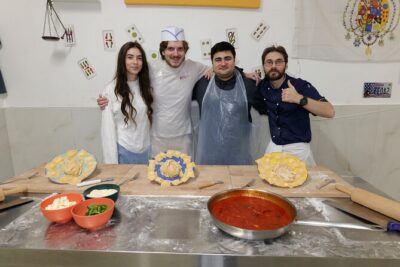
Gelato Time: Texture Matters More Than Sweetness
After the savory course, you shift gears to homemade Italian gelato. This is a smart move in a short class because it teaches another craft with a similar mindset: technique creates the texture.
You’ll learn the fundamentals of gelato-making, including ingredient selection and how to think about flavor balance. The chef also explains what separates authentic Italian gelato from industrial ice cream, with emphasis on freshness and natural flavors.
Gelato is a different animal from regular ice cream. It tends to feel smoother and lighter in the mouth, and it’s designed around how flavors read on the tongue. In the class setting, you get the practical understanding of why industrial shortcuts taste different and why gelato should feel more delicate, not just sweeter.
This part is also a crowd-pleaser. Even if you’re not a dessert person, you’ll likely walk away with a new respect for how texture and flavor balance work together. And it’s included, not an optional add-on.
The Shared Meal: Lunch or Dinner, One Drink, and Real Conversation
Once cooking is done, you sit down to eat what you prepared. That meal moment is a major part of the value. You don’t leave with a take-home box and a memory of a kitchen timer. You taste the results while the experience is still fresh.
A local beverage is included—alcoholic or non-alcoholic—to round out the table time. It’s a small inclusion, but it helps the class feel like a shared experience. In places like Naples, food isn’t only about eating; it’s about social rhythm.
You’ll likely end up talking with your cooking partners as you eat. The class format supports that, and it’s easy to trade what you learned with the people next to you. Chef Antonio’s energy also helps: the mood is light and friendly, and the pace doesn’t feel like you’re being rushed out the door.
If you’re in Naples for a short stay, this is also a good way to get a focused culinary moment without committing to a full-day food tour. In a single evening or afternoon, you cover pasta craft, sauce logic, and gelato texture.
Price and Value: Why $65 Can Make Sense Here
At $65 per person for a 3-hour hands-on class, the value comes from the full package: tools and apron, ingredient prep for both pasta and gelato, lunch or dinner with what you made, a mid-class appetizer, and a beverage. You also leave with a chef diploma souvenir.
The “gotcha” with many cooking classes is that you do little. Here, the structure emphasizes doing: you make pasta dough, shape ravioli, and participate through the gelato portion. That makes the cost easier to justify, especially if you compare it to paying separately for a nice meal plus a separate food workshop.
One detail that boosts the value: you also get a free luggage deposit, which is handy if you’re pairing this with city walking. It’s the kind of practical touch that makes a big difference when you’re juggling bags and schedules in a busy place.
Do keep in mind one possible variation. If the class has low participation, the experience may shift more toward a pasta-focused format rather than keeping the full pasta-and-gelato flow in the exact same proportions. That doesn’t mean it’s bad. It’s just something to be aware of when you’re planning your time.
Who Should Book This Naples Class (and Who Should Skip It)
This experience is built for a wide range of people. If you’re a couple, a solo traveler, or a small group, the social structure works. If you’re traveling with kids, it’s designed to be suitable for all ages, with the rule that children under 18 must be accompanied by an adult.
Skill level isn’t a barrier. You don’t need prior cooking experience. The chef guides you through the process so you can learn the steps and the logic behind them.
I’d skip it if you have dietary limitations. The class is not suitable for people with food allergies or lactose intolerance. Since pasta and gelato can involve ingredients that may not work for these needs, it’s better to choose a different experience that can meet your requirements.
Also skip it if you’re traveling with pets—pets are not allowed.
Making the Most of Your 3 Hours: Timing, Pace, and What to Bring
The class runs for 3 hours. That’s long enough to learn and cook without feeling like you’re spending your whole day in a kitchen, and it’s short enough to fit into a Naples itinerary built around walking and exploring.
Bring comfortable clothes and plan to get flour on them. The work is hands-on, and you’ll appreciate being able to move freely. Good shoes also help because you’ll be standing, leaning, and working at your station.
Language support is a comfort factor. You can expect instruction in Italian, French, Spanish, and English, and the chef’s role is to keep things clear and manageable even when people come from different backgrounds.
Finally, keep an open mind about the group vibe. Even when you don’t speak the same language as your cooking partner, the shared task helps everyone connect. If you like food, this class gives you a reason to talk and laugh while you cook.
Should You Book Naples Pasta and Gelato?
Book it if you want a hands-on Naples food experience with real technique, not just tasting. The combination of tagliatelle or fettuccine-style pasta, hand-made ravioli, and gelato makes this a compact culinary education you can remember long after the meal.
Skip it if you need allergen-friendly accommodations or lactose-free ingredients, because the class is not suitable for lactose intolerance or food allergies. Also skip it if you hate getting messy, because this is flour-on-your-clothes level cooking.
If you’re on the fence, I’d choose this when you’re craving an authentic kitchen moment and want to leave with skills, not just photos.
FAQ
How long is the Naples pasta and gelato cooking class?
The class lasts 3 hours.
What pasta dishes will I learn to make?
You’ll make fresh pasta from scratch, including tagliatelle (described as handmade fettuccine in the course flow) and ravioli.
Do I make the food myself or just watch?
It’s designed to be hands-on and interactive, so you participate in every step rather than only observing.
Is lunch or dinner included?
Yes. You’ll have dinner or lunch with the pasta you prepared.
Is gelato included, and what do we do with it?
Gelato making is included. You learn the fundamentals of making Italian gelato and then prepare it as part of the class.
What is included in the price besides the food?
Kitchen tools and an apron are included, along with a chef’s hat, a mid-experience local appetizer, one alcoholic or non-alcoholic drink, and a chef diploma souvenir. Gelato-making ingredients and instruments are also included.
What languages are the class and instructor available in?
Instruction is available in Italian, French, Spanish, and English.
Is the class suitable for lactose intolerance or food allergies?
No. It is not suitable for people with food allergies or lactose intolerance.
What should I wear or bring?
Wear comfortable clothes and bring clothes that can get dirty.
More Cooking Classes in Naples


More Tour Reviews in Naples



More Cooking Tables in Naples
More Naples tours, freshly reviewed




Naples Pasta & Cooking Classes, compared.
 ★ 4.9Pasta Making Class with Starter and DrinkFrom $391,060 reviews
 ★ 5.0Naples Pasta Class: Fettuccine & Ravioli with Grandma’s RecipeFrom $54506 reviews
 ★ 4.6Pasta Cooking Class with Tiramisù and a DrinkFrom $71415 reviews
 ★ 4.9Neapolitan Pizza and Tiramisu Cooking ClassFrom $24258 reviews
 ★ 4.8Traditional Italian Food Cooking Class at RestaurantFrom $57106 reviews
 ★ 5.0Amazing Pizza and Pasta Class at Savio’s kitchen cooking schoolFrom $173104 reviews
 ★ 4.5Hands-On Pasta Making and Traditional Tiramisu WorkshopFrom $7271 reviews
Browse the lists this tour appears in