
Naples smells like dinner before you even start. This pasta workshop turns ravioli and scialatielli into a hands-on evening, with fresh basil pesto, ricotta filling, tomato sauce, and a side of pasta history shown through images and documents. It’s set up so you’re not just watching food happen, you’re making it.
I especially love how welcoming the kitchen feels, largely because the chefs and instructors switch easily between languages like English and Italian. Names you might meet include Olga, Francesco, Vincenzo, Maurizio, and guides who are described as very patient with first-timers and clear with instructions. I also like that you get to eat what you made, and many sessions include wine served at the end.
One thing to keep in mind: the activity is listed as 2 hours, but timing can stretch. In one case it started about 30 minutes late and the meal ran much longer than expected, and the exact focus can vary a bit (one booking noted a dessert rather than pesto in their final plate).
In This Review
- Key highlights you’ll care about
- Entering the kitchen: Vinecò Restaurant, aprons, and first steps
- Pasta history in Naples: why the class starts with more than flour
- Vesuvius tomato sauce + basil pesto: the flavors that set the tone
- Ravioli shaping: where the patience pays off
- Scialatielli (and the reality of what your plate might include)
- Cooking, eating, and the wine-at-the-end payoff
- How long it really takes: the 2-hour listing vs real-world pacing
- Languages and teaching style: who this works for
- Price and value: why $39 can work if you come hungry
- Who should book this Naples pasta class
- Should you book this Naples ravioli and scialatielli workshop?
- FAQ
- Where is the meeting point?
- How long is the experience?
- How much does it cost?
- What pasta will I learn to make?
- Is pesto included?
- Will there be wine?
- What languages are used?
- Is this class wheelchair accessible?
- What’s included in the price?
- Is it easy to book and cancel?
Key highlights you’ll care about
- Vesuvius tomato sauce made with tomatoes from the volcano area
- Ravioli + scialatielli practice using fresh ricotta and basil pesto
- Pasta history with photos and documents so the origin story feels real
- Multi-language instruction with instructors named Olga, Francesco, Vincenzo, and Maurizio in past groups
- You eat your results (often with wine at the end)
Roll more pasta with a Neapolitan cook
- Naples: Pasta Making Class with Starter and Drink★ 4.9 · 1,060 reviews
- Naples Pasta Class: Fettuccine & Ravioli with Grandma’s Recipe★ 5.0 · 506 reviews
- Naples: Pasta Cooking Class with Tiramisù and a Drink★ 4.6 · 415 reviews
- Naples: Neapolitan Pizza and Tiramisu Cooking Class★ 4.9 · 258 reviews
Entering the kitchen: Vinecò Restaurant, aprons, and first steps
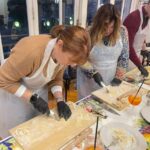
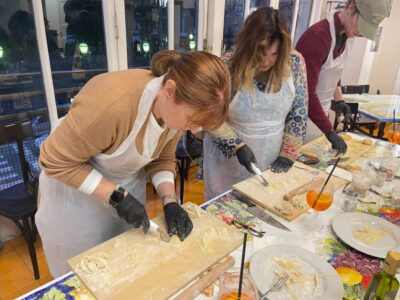
Your experience meets at Vinecò Restaurant, a practical starting point that keeps the class focused. Once you’re in, the setup is geared for real cooking: you’ll have what you need, including tools and disposable aprons, plus ingredients.
The first minutes matter. You’ll be shown what you’re making and how the process works, and that’s what makes the difference between a fun food lesson and an exhausting one. Based on the way the chefs teach, the goal is to get you producing dough and shapes without feeling like you’re behind. If you’re traveling solo, it still works because the instructors don’t treat this like a performance; they treat it like coaching.
Pasta history in Naples: why the class starts with more than flour
This isn’t only a cooking session. A major part of the experience includes history and photographic evidence about pasta’s roots and how it evolved. The idea is simple: pasta didn’t just appear somewhere else and arrive in Italy later. The story is tied to Campania, and you’ll see documents and images that connect the dots.
For me, that’s the best kind of history lesson. Instead of dates floating overhead, you’re learning while your hands are busy. It turns the food into context. You start to notice what makes different shapes and sauces make sense for the region and the ingredients.
It also helps if you’re the kind of traveler who likes to learn a reason, not just a recipe. If you’re not, don’t worry: you can mostly focus on the cooking, then let the history sit in the background.
Vesuvius tomato sauce + basil pesto: the flavors that set the tone
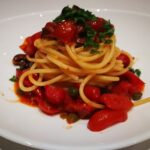
Expect a big flavor build. One of the stated highlights is making tomato sauce with tomatoes from Vesuvius. That matters because it’s not just red sauce-by-default. It’s a local ingredient story, and it gives your finished plates more personality.
On the pasta side, you’ll work with fresh pesto and basil leaves, plus ricotta. The class centers on authentic ravioli filled with ricotta and pesto, and that filling is where the whole thing comes together. A pesto made with fresh basil and blended ingredients tastes different from anything you’ll open from a jar at home. You get that brighter, more fragrant basil note, and it clings to the ricotta in a way that feels creamy, not heavy.
I’d plan your appetite accordingly. If you think you’ll make a little, taste a little, and go, you’re probably underestimating this class. Multiple past participants describe getting way more food than they expected, which makes sense when you’re serving dishes you cooked from scratch.
Ravioli shaping: where the patience pays off
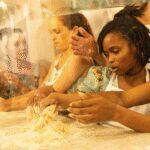
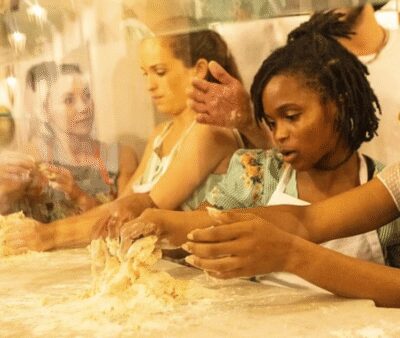
Ravioli is the heart of this class. You’ll learn the basic method of pasta dough, how to handle it, how to portion the filling, and how to form sealed pockets that cook well.
What makes this section shine is the instruction style. Several groups mention the instructors as approachable and patient, with clear steps even for people who had never made pasta before. Names that came up include Olga and Francesco, and the common thread is confidence-building teaching.
When you’re working with dough, there’s always a moment where you wonder if yours will turn out. In this class, you’re not left alone to figure it out. You’ll get advice on technique while you’re doing it, which is exactly what you want in a first pasta workshop.
A few more bottles worth the trip in Naples



Scialatielli (and the reality of what your plate might include)
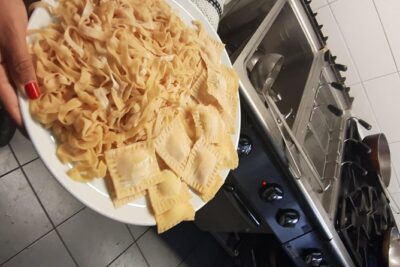
The title promises ravioli and scialatielli. In past experiences, the menu focus can shift slightly based on pacing and how the group runs. One booking noted their session leaned into ravioli and tagliatelle plus a dessert, rather than matching the exact combo they expected.
So here’s the honest way to think about it: the core skills are the pasta process—dough, filling, shaping, and cooking—and those are consistent. What can change is the exact pasta varieties served in the final meal, especially if timing runs long. If you’re hoping for a specific pasta type every single time, you’ll want to confirm what’s included for your start time when you book.
Still, if you love pasta, you’re unlikely to leave disappointed. Even if your exact combo isn’t identical to the poster version, the class is built around the same satisfying loop: make → cook → eat.
Cooking, eating, and the wine-at-the-end payoff
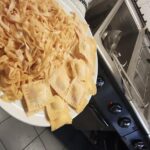
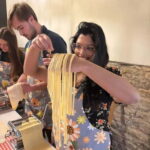
Once you reach the cooking phase, the session turns into a proper meal. You’ll cook the pasta you shaped and eat it with the sauce and pesto components you helped prepare. The finish is often a glass of wine, which shows up clearly in the feedback.
This is one of those small details that changes the whole vibe. Wine doesn’t make pasta “better” in some magic way. It just makes the time feel social and relaxed, especially when you’re learning new skills at the same pace as everyone else.
A note on the rules: alcohol is listed as not allowed, which usually means you can’t bring your own drinks or break house rules. Since wine is part of the experience in many sessions, treat it as part of the program rather than something you’re expected to provide yourself.
How long it really takes: the 2-hour listing vs real-world pacing
The class is listed as 2 hours, and that’s a reasonable target for a pasta workshop. But one past booking described a delayed start and a much longer end time—more like several hours total. That kind of variance can happen with any group class: ingredient prep, dough timing, or simply how smoothly the kitchen runs.
My practical advice: treat the class as a block of time, not a precise timed appointment. If you have a tight dinner reservation right after, consider building in a buffer. If you’re staying flexible and enjoying the slow food pace, the schedule quirks matter far less.
Languages and teaching style: who this works for
This experience includes instructors who speak Italian and English, and the staff is described as multilingual. That’s a big deal in cooking classes, because pasta technique isn’t always easy to translate. You want words plus hands-on correction.
The good news: the class is described as suitable for people across ages, from younger participants to older adults, plus families, couples, and solo travelers. The recurring praise isn’t about fancy equipment—it’s about the coaching.
If you’re a first-time cook, you’ll likely appreciate the steady pace and the fact that someone is watching you shape dough. If you’re more experienced, you may still enjoy it for the regional focus: Vesuvius tomato sauce, fresh basil pesto, and learning how Campania-style traditions show up in real meals.
Price and value: why $39 can work if you come hungry
At $39 per person for a 2-hour workshop, the value depends on what you expect. If you want a quick taste and a walk-away souvenir, this is likely too hands-on. But if you want skill-building and a full meal, it can feel fair fast.
What you’re paying for includes:
- tools and disposable aprons
- ingredients
- instruction in making pasta
- the chance to eat what you make
- and often wine at the end
One more thing: several participants mention receiving recipes from the chefs. Even if you only use them occasionally, it’s a practical takeaway. You’re not just buying an evening; you’re buying a method you can repeat.
Who should book this Naples pasta class
Book it if you:
- want to learn pasta from scratch and actually shape your own dishes
- enjoy the connection between food and place (Naples/Campania roots)
- like a social kitchen atmosphere with instructors who keep things fun
- want a break from sightseeing that still feels local
You might skip it if:
- you have no flexibility for time and need a strict end hour
- you’re only interested in a single specific pasta type and nothing else
Should you book this Naples ravioli and scialatielli workshop?
Yes, I’d book it if you want an easy-to-join, high-satisfaction food experience in Naples. The strongest reasons are consistent: friendly, multi-language teaching (with instructors like Olga, Francesco, Vincenzo, and Maurizio mentioned by name), clear guidance for beginners, and the fact that you eat what you cook, often with wine at the end.
Just go in with the right mindset: treat it as a meal-length activity, not a razor-precise 2-hour slot. And when timing matters, double-check your specific start time and what pasta is planned for your session. If you do that, this is the kind of workshop where you leave with both a full stomach and a skill you can use again.
FAQ
Where is the meeting point?
The meeting point is at Vinecò Restaurant in Naples.
How long is the experience?
It’s listed as 2 hours. Some sessions may run longer depending on pacing.
How much does it cost?
The price is $39 per person.
What pasta will I learn to make?
The experience focuses on making ravioli and scialatielli, with ricotta and fresh pesto.
Is pesto included?
Yes. You’ll work with fresh pesto and basil leaves as part of the class.
Will there be wine?
Wine is served at the end of the experience in many sessions, based on past feedback. The activity also states that alcohol is not allowed, so you should follow the host’s rules.
What languages are used?
The instructor speaks Italian and English, and the staff is described as multilingual.
Is this class wheelchair accessible?
Yes, it’s listed as wheelchair accessible.
What’s included in the price?
You get all tools, disposable aprons, and the ingredients needed for the activity.
Is it easy to book and cancel?
You can reserve with pay later, and you can cancel up to 24 hours in advance for a full refund.
If you’d like, tell me your travel month and whether you’re more into ravioli, scialatielli, or pesto. I can help you decide if this workshop matches your priorities.
More Wine Tours in Naples




More Tour Reviews in Naples



More Cooking Tables in Naples

More Naples tours, freshly reviewed




Naples Pasta & Cooking Classes, compared.
 ★ 4.9Pasta Making Class with Starter and DrinkFrom $391,060 reviews
 ★ 5.0Naples Pasta Class: Fettuccine & Ravioli with Grandma’s RecipeFrom $54506 reviews
 ★ 4.6Pasta Cooking Class with Tiramisù and a DrinkFrom $71415 reviews
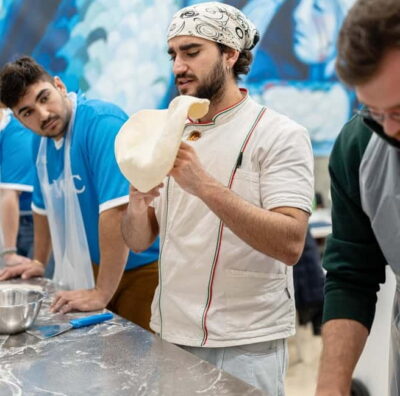 ★ 4.9Neapolitan Pizza and Tiramisu Cooking ClassFrom $24258 reviews
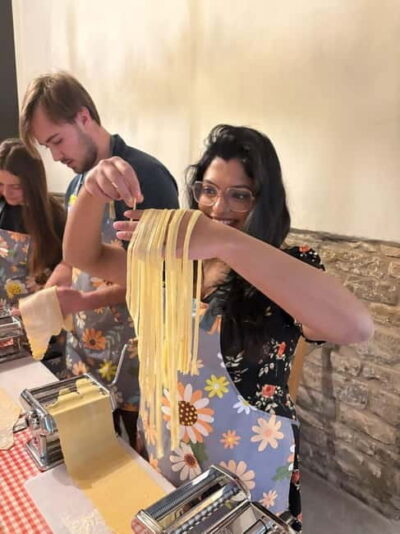 ★ 4.8Traditional Italian Food Cooking Class at RestaurantFrom $57106 reviews
 ★ 5.0Amazing Pizza and Pasta Class at Savio’s kitchen cooking schoolFrom $173104 reviews
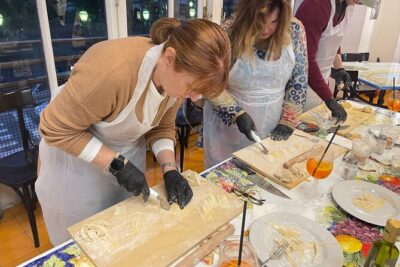 ★ 4.5Hands-On Pasta Making and Traditional Tiramisu WorkshopFrom $7271 reviews
Browse the lists this tour appears in