
Review · COOKING CLASSES
Cooking Lesson: Neapolitan pasta homemade
Fresh pasta has a way of changing your whole trip.
In this Naples cooking class, I love the traditional, no-machine hand-rolling approach and the way the chef builds quality right into the lesson with Vesuvio tomato and homemade bread. One catch: it’s not suitable for gluten intolerance, since you’ll be working wheat-based egg pasta dough.
You’ll spend about 2 hours learning how pasta dough comes together, how to shape ravioli, and how classic Neapolitan sauces finish the meal. The good news is the session is structured for clarity, with an instructor-led pace and a dinner- or lunch-style sit-down at the end.
If you want something hands-on in Naples that goes beyond eating, this is a solid choice. You’ll leave with a chef-led method, a chef diploma, and a better sense of why fresh pasta tastes the way it does.
In This Review
- Key Highlights You’ll Feel (Not Just Watch)
- Naples Cooking Lab vs. Pizzeria Mammina: Where Your Pasta Day Starts
- The Real Lesson: More Than Ravioli, It’s Pasta Thinking
- Egg Dough From Scratch: What Happens During the Rest
- Taste Break in Campania: Vesuvio Tomato, Local Starter, and Bread
- Hand Rolling With Traditional Methods: No Pasta Machine Needed
- Cutting, Filling, and Shaping Ravioli: Getting the Texture Right
- From Kitchen Work to the Plate: Cooking in Water and Two Sauces
- Included Food, Drink, and That Chef Diploma Moment
- Price and Value: What $92 Buys in a Naples Pasta Class
- Who This Pasta Lesson Is Best For (And Who Should Skip It)
- Should You Book the Neapolitan Pasta Cooking Lesson in Naples?
- FAQ
- What is the duration of the Neapolitan pasta cooking lesson?
- Where does the class meet in Naples?
- How much does the experience cost?
- What pasta will I learn to make?
- What sauces are included with the meal?
- Is a drink included?
- What is included in the price?
- Is this class suitable for gluten intolerance?
- What languages are the instructors available in?
Key Highlights You’ll Feel (Not Just Watch)
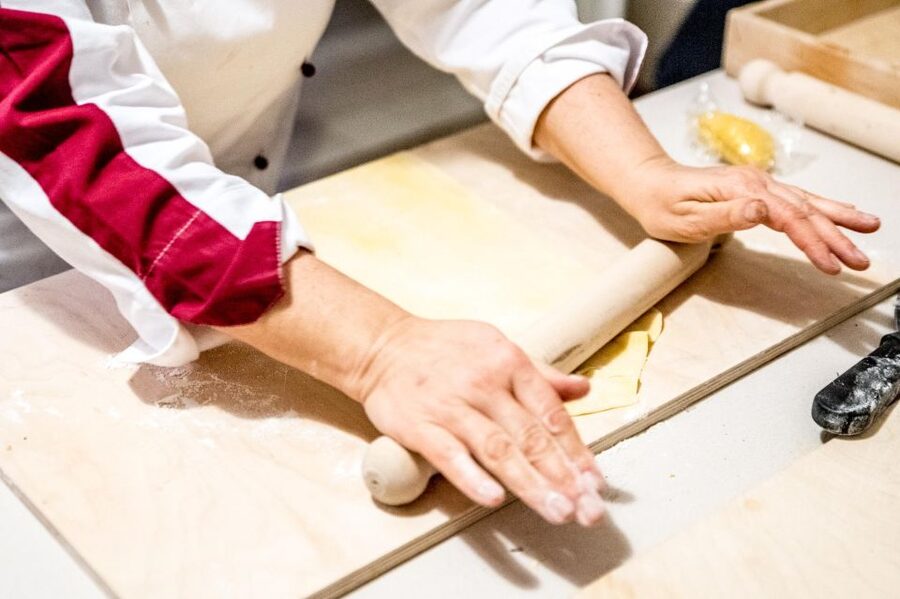
- Hand-rolled pasta using traditional methods (rolling pin, no machinery)
- Ravioli plus multiple shapes: fettuccine, tagliolini, pappardelle (taught in the same session)
- Ingredient quality tastings: including organic products and tomato from Vesuvio
- Two Neapolitan sauces finishing the meal, including ravioli al ragu
- Chef diploma and included meal (lunch/dinner feel, not a snack)
More aprons on in Naples
- Naples: Pasta Making Class with Starter and Drink★ 4.9 · 1,060 reviews
- Naples: Pasta Cooking Class with Tiramisù and a Drink★ 4.6 · 415 reviews
- Naples: Neapolitan Pizza and Tiramisu Cooking Class★ 4.9 · 258 reviews
- Naples Pizza and Tiramisu Cooking Class★ 5.0 · 173 reviews
Naples Cooking Lab vs. Pizzeria Mammina: Where Your Pasta Day Starts
The experience begins in the historic center of Naples at the Naples Cooking Lab on Spaccanapoli. It’s the kind of meeting point that puts you in the middle of real neighborhood foot traffic, so the day doesn’t feel like a staged activity on the edge of town.
There’s also a practical contingency: sometimes the course is held at Pizzeria Mammina in Galleria Umberto I. If that switch happens, you should get notified in advance, which matters because the vibe and surroundings feel different—Spaccanapoli is streets-and-alley Naples, while Galleria Umberto I is more airy and architecturally showy.
One more logistics perk that’s genuinely useful: you skip the line through a separate entrance. In crowded central Naples, that can save real time and reduce stress before you even start cooking.
The Real Lesson: More Than Ravioli, It’s Pasta Thinking
The most valuable part isn’t just shaping food. It’s understanding pasta types and why they matter. The class starts by explaining the differences between pasta varieties, then moves into making egg pasta following a family-style recipe.
Here’s what I like about that approach: it trains your eye and your hand. Once you understand dough basics—texture, roll thickness, how cutting affects cooking—you stop treating pasta as a single dish and start seeing it as a system. That makes the rest of the meal more meaningful, because you know what you’re eating and why it works.
In one session, the chef-led flow includes showing you how to make and cut dough into shapes like fettuccine and ravioli, plus how to prepare tagliolini and pappardelle as well. Even if you don’t end up plating every shape the same way, you’re getting exposure to how different forms behave.
Egg Dough From Scratch: What Happens During the Rest
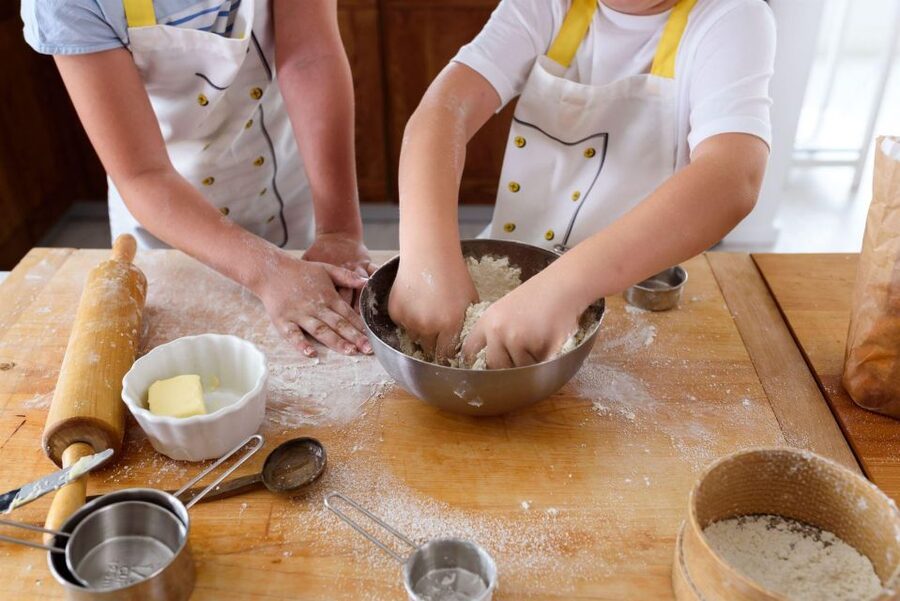
After the initial pasta talk, you’ll begin making fresh egg pasta dough with an emphasis on the dough process itself. You’ll get a description of the ingredients and how they function, then the dough rests while the lesson continues.
That resting step is important even if you’ve never cooked pasta before. When dough relaxes, it becomes easier to roll thin without snapping, and it tends to cut more cleanly. This class is explicit about the pause—while you’re waiting, you’re not just sitting. You’re tasting local products and learning why quality ingredients matter.
As you’re working, you’ll also handle the basic building blocks: kneading, rolling, cutting, and shaping. If you’ve only eaten pasta, you’ll quickly understand why fresh dough has a different personality than dried pasta.
Taste Break in Campania: Vesuvio Tomato, Local Starter, and Bread
While the dough rests, the class includes a tasting segment that feels like a mini food lesson on its own. You’ll try a local starter and taste organic products tomato from Vesuvio, along with homemade bread.
This is one of those parts that quietly raises the whole experience. Pasta can be simple on paper—flour, eggs, water (and other ingredients). But the flavor comes from what you pair it with. The tomato-from-Vesuvio note matters because it frames the sauce ingredients as more than a generic red topping.
If you’re the type who wants to bring home a better sense of what makes Neapolitan food taste Neapolitan, don’t skip this tasting segment. It’s not filler.
Other Naples outings worth a look before you book
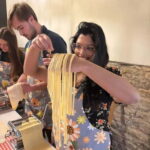
Hand Rolling With Traditional Methods: No Pasta Machine Needed
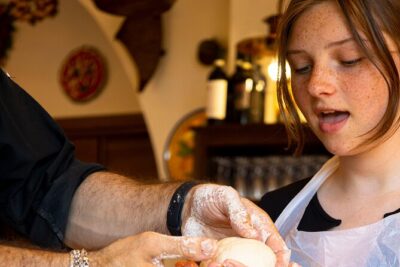
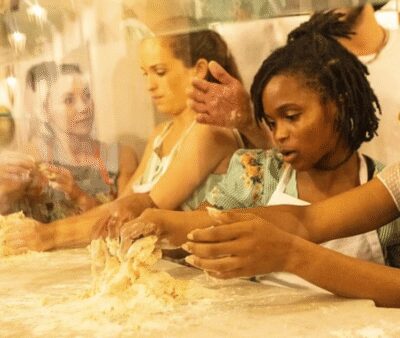
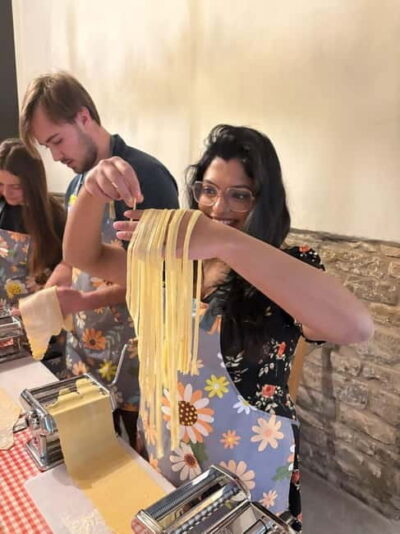
The class specifically calls out that there’s no pasta machinery. You roll with a rolling pin, using ancient and traditional methods taught by grandmothers.
That detail changes the whole learning curve. With a machine, the goal is repeatability. With a rolling pin, the goal is technique: even pressure, consistent thickness, and patience while you stretch the dough without tearing it.
And because you’re doing it by hand, you also get a clearer feel for what dough should look like when it’s ready. That helps later when you’re cutting and shaping.
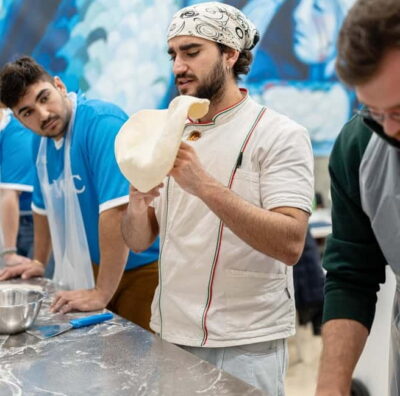
If you’re worried you’ll mess up, don’t. The class structure includes instruction through each step, and in at least one recent session, chef Amos was singled out for being kind and ready to explain everything through the activity. That kind of guidance matters when you’re learning a manual skill.
Cutting, Filling, and Shaping Ravioli: Getting the Texture Right
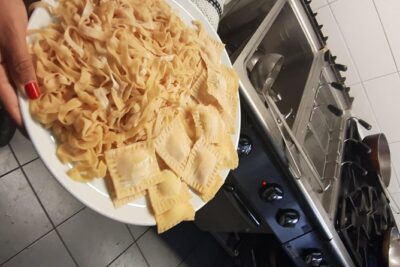
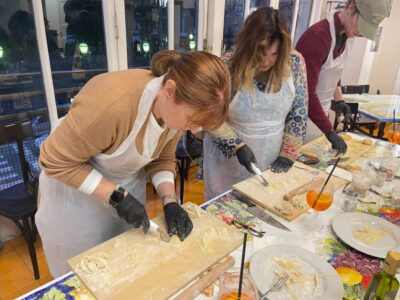
Once the dough is rolled out, you’ll move into cutting and forming. The class covers how to make fettuccine and ravioli and also demonstrates other shapes like tagliolini and pappardelle.
For ravioli, the lesson includes mixing the filling ingredients and then combining filling with pasta. Even without a long technical lecture, the structure nudges you toward key skills:
- working with dough that’s pliable enough to seal
- cutting shapes cleanly
- handling filling so it doesn’t overwhelm the pasta
This is where the class feels most hands-on. You’re not just watching someone else cook. You’re doing the work that creates the final bite.
If you’re expecting a fast cooking speed-run, adjust your mindset. This is a 2-hour class focused on craft, not volume. The payoff is that you’ll understand the mechanics behind that satisfying ravioli bite.
From Kitchen Work to the Plate: Cooking in Water and Two Sauces
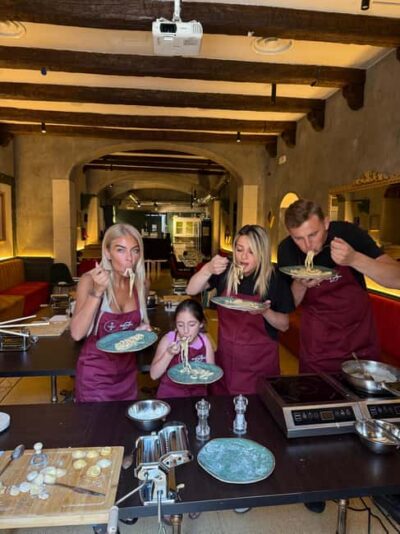
After you’ve shaped your pasta, it’s cooked in water. Then, after a few minutes, it’s seasoned with two different sauces.
The meal includes:
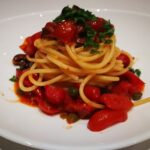
- tagliatelle with Neapolitan sauce
- ravioli al ragu
That combo is classic for a reason. Neapolitan sauce tends to highlight tomato-forward flavor, while ragù brings depth from slow-cooked meat and a heavier, more complex profile. By serving both, the class gives you a “compare and contrast” moment. You can taste how sauce choice changes the pasta experience.
You’ll also get a local appetizer before the pasta. That matters if you arrive hungry. It turns the class into a full meal experience rather than a tiny tasting session.
Included Food, Drink, and That Chef Diploma Moment
This is not just a kitchen workshop with a small bite at the end. The included items are meal-based:
- kitchen tools and aprons
- a lesson with the chef
- dinner or lunch with fettuccine and ravioli
- local appetizer
- one alcoholic or non-alcoholic drink included
- chef diploma
That drink choice is nice in practical terms. If you want the Neapolitan table feel without alcohol, you can still participate fully.
The chef diploma sounds like a gimmick, but in a hands-on class it actually reflects something real: the experience is designed to be a complete skill-and-meal package. You aren’t just sampling a dish. You’re finishing with a craft milestone.
Price and Value: What $92 Buys in a Naples Pasta Class
At $92 per person for 2 hours, this isn’t the cheapest way to spend time in Naples. But it can be good value if you’re looking for the kind of experience you can’t replicate just by eating.
Here’s what you’re paying for, based on what’s included:
- real instruction while you make pasta from scratch
- tools and aprons provided
- a sit-down meal (lunch/dinner feel) plus local appetizer
- a drink included
- a chef diploma
In other words, you’re not only paying for ingredients. You’re paying for time, training, and the structure that makes the craft doable. If you’ve ever tried to make fresh pasta at home without help, you know the hard part isn’t the recipe on paper—it’s rolling, timing, shaping, and getting dough behavior right.
The gluten note is the main trade-off: if you need gluten-free, this experience isn’t built for you. But for others, $92 is closer to “guided meal plus skill” than “just a cooking demonstration.”
Who This Pasta Lesson Is Best For (And Who Should Skip It)
This class fits well if you:
- want a hands-on Naples activity that ends with you eating what you made
- like classic Italian food and want to understand how shapes and sauces connect
- appreciate traditional methods and want to learn without a machine
It’s also a good fit if you enjoy food steps that involve texture and technique, not only following a recipe.
The big limitation is clear: it’s not suitable for people with gluten intolerance. Since you’ll be making egg pasta dough (wheat-based), you’d need another option designed for gluten-free.
Should You Book the Neapolitan Pasta Cooking Lesson in Naples?
I’d book it if you want an experience that mixes craft and food in one tidy 2-hour block. The traditional hand-rolling angle, the tasting segment with tomato from Vesuvio, and the full meal at the end—tagliatelle with Neapolitan sauce plus ravioli al ragu—make it feel like more than a class. You leave with a clearer sense of Neapolitan flavors and the steps behind them.
I’d think twice if:
- gluten intolerance affects you and you need gluten-free preparation
- you want only light sightseeing vibes and no kitchen work
If you’re in Naples and you’re excited to learn pasta basics the old-school way, this is one of the more satisfying ways to spend an afternoon or evening.
FAQ
What is the duration of the Neapolitan pasta cooking lesson?
The cooking lesson lasts 2 hours.
Where does the class meet in Naples?
You meet at NAPLES COOKING LAB on Spaccanapoli street. Sometimes it may be held at PIZZERIA MAMMINA in Galleria Umberto I, and you should be informed in advance.
How much does the experience cost?
The price is $92 per person.
What pasta will I learn to make?
You’ll make homemade egg pasta and learn how to prepare ravioli and fettuccine, plus you’ll also be shown how to prepare tagliolini and pappardelle.
What sauces are included with the meal?
After your pasta is cooked in water, it’s seasoned with two different sauces. You’ll eat tagliatelle with Neapolitan sauce and ravioli al ragu.
Is a drink included?
Yes. You get one alcoholic or non-alcoholic drink included with the meal.
What is included in the price?
Included are kitchen tools and aprons, the chef lesson, lunch or dinner with pasta, a local appetizer, a drink, and a chef diploma.
Is this class suitable for gluten intolerance?
No. It is not suitable for people with gluten intolerance.
What languages are the instructors available in?
The instructor can teach in English, Italian, French, and Spanish.
More Workshops in Naples


More Cooking Classes in Naples

More Tour Reviews in Naples


More Naples tours, freshly reviewed




Cooking Classes, compared.
 ★ 4.9Pasta Making Class with Starter and DrinkFrom $391,060 reviews
 ★ 4.6Pasta Cooking Class with Tiramisù and a DrinkFrom $71415 reviews
 ★ 4.9Neapolitan Pizza and Tiramisu Cooking ClassFrom $24258 reviews
 ★ 4.8Traditional Italian Food Cooking Class at RestaurantFrom $57106 reviews
 ★ 5.0Amazing Pizza and Pasta Class at Savio’s kitchen cooking schoolFrom $173104 reviews
 ★ 4.5Hands-On Pasta Making and Traditional Tiramisu WorkshopFrom $7271 reviews
 ★ 4.9Fresh Pasta Cooking Class and Dinner with a LocalFrom $6169 reviews
Browse the lists this tour appears in