
Review · POMPEII TOURS
Pompeii: Skip-the-Line Entry Ticket with Audio Guide or Tour
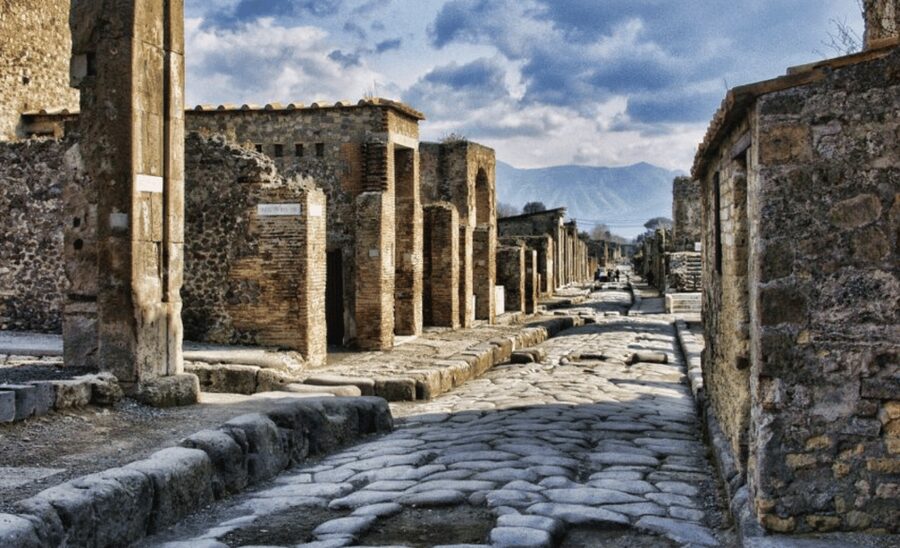
Pompeii is easier when you skip the line. This ticket gets you into the site faster with a skip-the-line entry and a digital map via the audio guide, so you spend more time looking and less time waiting. One thing to keep in mind: Pompeii is huge, and the scheduled visit is only about 2 hours.
I also like the flexibility of having a self-paced audio guide in multiple languages. You can activate it as you walk, and it points you to major sights like the Forum, the public baths, and the temples—without locking you into one rigid route.
If you want a bit more context, there’s an optional live tour with an art historian in English, Spanish, or Italian. Names like Grace, Maria, and Mario pop up in the guides people praise, and the added narration helps you connect the dots fast.
In This Review
- Key highlights worth knowing
- Fast-Track Entry at Vox City in Piazza Esedra
- The audio guide and digital map: what to bring, what to expect
- Pompeii in 2 hours: a practical route through the main sights
- Start with the Forum area and the Vesuvius backdrop
- Temples and religion: Venus, Apollo, and Jupiter
- Market streets and public baths mosaics
- Houses: House of the Faun and the “small life” details
- Aqueducts and fountains: Roman engineering, visible at ground level
- Theater area and photo stops with context
- Plaster casts: the moment the story turns
- Optional live tour with an art historian: when it’s worth the extra
- What’s included—and what’s not (so you don’t waste time)
- Value check: is $37 a smart buy for your day?
- Who should book this Pompeii ticket?
- Should you book this skip-the-line Pompeii ticket?
- FAQ
- Where do I pick up and exchange my voucher?
- Where do I meet the guide if I choose the guided tour option?
- What languages are available for the guided tour?
- What languages are available for the audio guide?
- Do I need headphones?
- Do I need a smartphone?
- Is skip-the-line entry included?
- How long is the experience?
- Does this ticket include the suburban villas?
- What should I do before I arrive?
- Is free cancellation available?
Key highlights worth knowing
- Fast access via Vox City: exchange your voucher right in Piazza Esedra, in front of Hotel Vittoria
- Audio guide with location-based map: commentary available in several languages
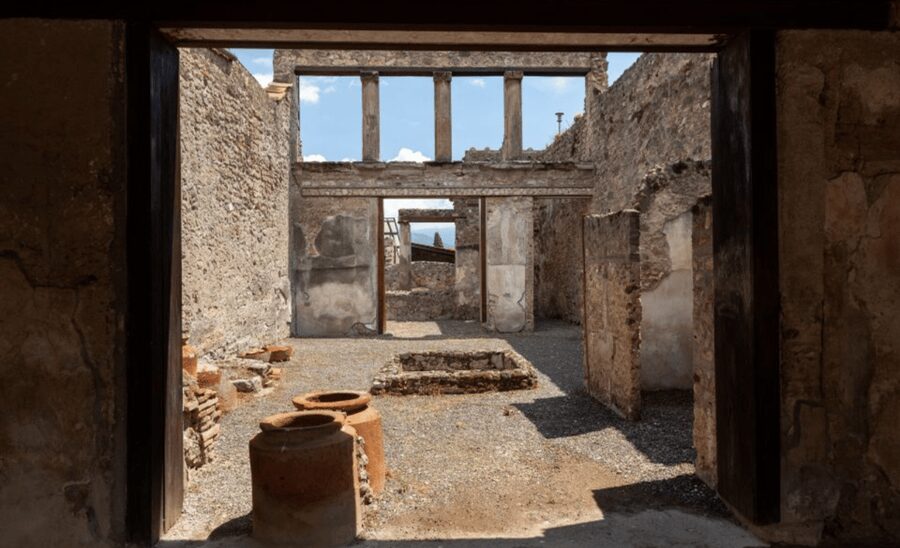
- Iconic Pompeii stops in one stretch: Forum, theater area, baths mosaics, and big temples
- Roman details that feel human: inscriptions like Salve lucru and wine jars marked Vesuvinum
- Real catastrophe, preserved streets: see plaster casts tied to the 79 C.E. eruption
- Optional live art-historian tour: best if you want more than building-by-building facts
Which Pompeii ticket and guide? Compare a few more.
- From Naples: Pompeii Ruins & Mount Vesuvius Day Tour★ 4.3 · 11,459 reviews
- From Naples: Skip-the-line Pompeii – Small Group Tour★ 4.5 · 4,401 reviews
- Naples or Sorrento: Full-Day Pompeii and Mount Vesuvius Tour★ 4.6 · 4,235 reviews
- Pompeii & Mt.Vesuvius Day Tour from Naples with Pizza Lunch★ 4.0 · 2,901 reviews
Fast-Track Entry at Vox City in Piazza Esedra
Your first win here is simple: you’re not stuck in the ticket line. Instead, you go to the Vox City info point in Piazza Esedra, directly in front of Hotel Vittoria, and exchange your voucher for the official entry tickets.
This matters because Pompeii is one of those places where crowds can steal your energy. Getting inside faster lets you start walking sooner—when your legs still feel good and your attention is sharp. It’s the difference between spending your morning “at the gate” and spending it in the streets you came to see.
If you booked the guided option with an art historian, you’ll also meet your guide at the Vox City info point and set off at your booked time slot. The guidance is to arrive about 5 minutes early so you don’t feel rushed when you should be relaxing and taking photos.
The audio guide and digital map: what to bring, what to expect
The audio guide is included, and it comes with multilingual commentary in English, French, Spanish, German, and Italian, plus a digital map. You’ll use your own smartphone, so plan for that day like it’s your main tool.
Bring headphones and a charged smartphone. You also download the audio guide using the QR code on your voucher before you arrive. That one step is worth treating seriously. If your phone battery is low—or you’re hunting for a connection at the last second—you’ll lose time right when you want to be walking.
Once you’re on-site, the audio guide helps you orient yourself. It covers key areas you’re likely to want in a short visit: neighborhoods and residences like the House of the Faun, public buildings, and major religious spaces such as temples dedicated to Venus, Apollo, and Jupiter. It also highlights memorable details that turn Pompeii from “cool ruins” into “wow, people really lived here.”
A balanced note: the audio isn’t a substitute for a live guide if you want deeper storytelling. Some people find it best for quick facts and orientation, and they’re happier pairing it with the optional live tour.
Pompeii in 2 hours: a practical route through the main sights
This ticket is designed for a short, efficient visit. With 2 hours on the clock, you’ll do best if you think in zones, not in “one-stop-per-photo” fantasies. Pompeii covers a massive area (around 44–50 hectares depending on how it’s described), so you’re picking your highlights and moving steadily.
Here’s a route-style way to think about what you’ll see.
Start with the Forum area and the Vesuvius backdrop
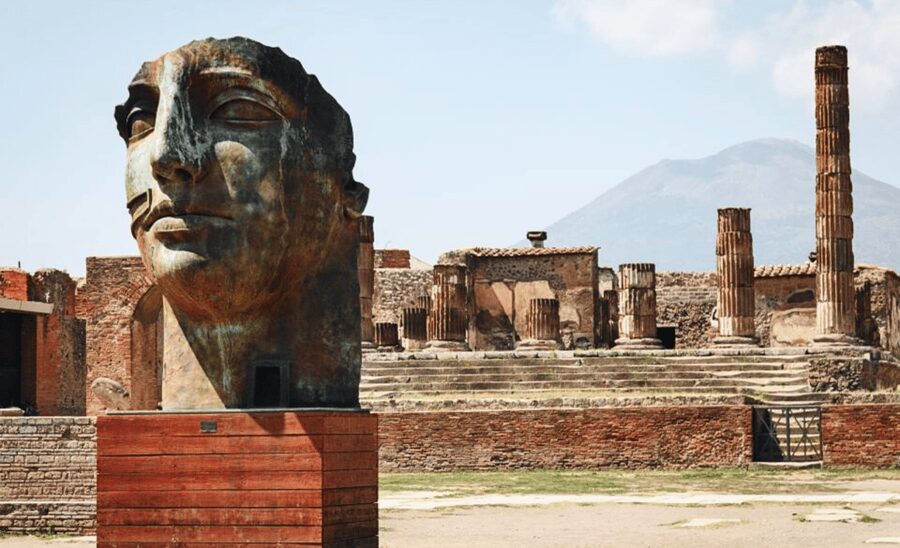
Many first-timers love beginning near the Forum area because it feels like the city’s public spine—where civic life would have pulsed. As you look around, you also get that constant reminder of why Pompeii exists as we know it: the presence of Mount Vesuvius.
Even if you don’t memorize every term, this spot helps you understand scale. Pompeii isn’t a museum display; it’s a real city layout, and the Forum anchors that.
Other tickets and entries for Naples
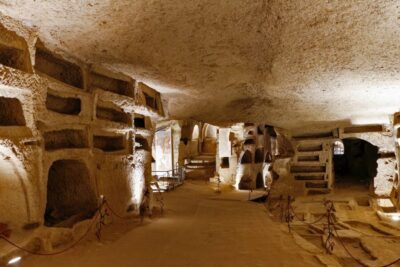





Temples and religion: Venus, Apollo, and Jupiter
Next, you’ll likely spend time moving through the big religious landmarks, including temples dedicated to Venus, Apollo, and Jupiter. These spaces help you get a feel for what mattered day-to-day in Roman cities: community gatherings, rituals, and the idea that divine presence was woven into everyday routine.
The payoff in a short visit is that these sites are visually clear. You can recognize you’re in “temple space” even before the audio explains the specifics.
Market streets and public baths mosaics
Pompeii’s daily life moments often land best in the mid-route. You’ll pass through areas described like busy markets and public facilities, and you should look for the mosaics in the public baths.
Baths are one of those places where you can immediately picture how people socialized: routine, conversation, and status. In a couple hours, you won’t see everything, but baths mosaics give you a strong sense of artistry and comfort that doesn’t feel like ancient hardship.
Houses: House of the Faun and the “small life” details
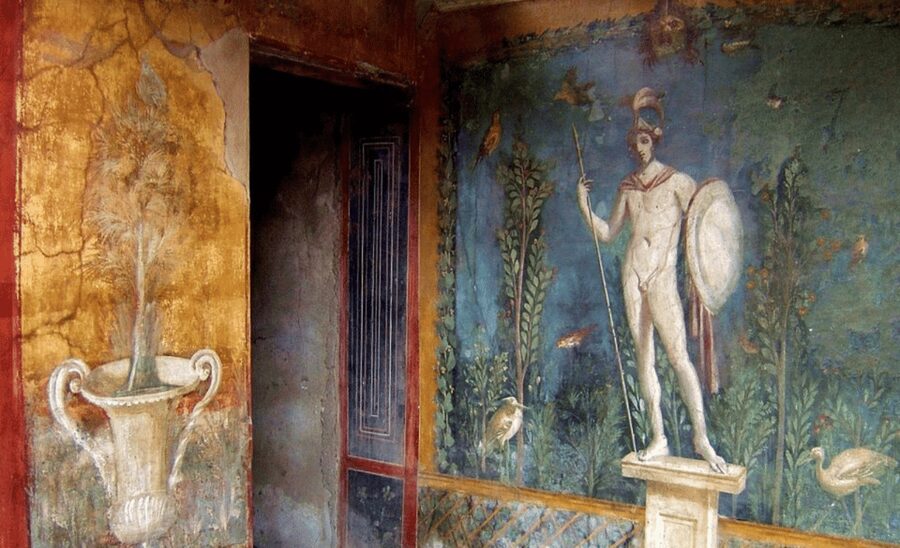
The audio guide and map point you toward major residences such as the House of the Faun. Houses in Pompeii are where you start noticing how personal daily life could be—courtyards, rooms, and design choices that suggest wealth, taste, and habit.
You’ll also get stops featuring specific textual surprises. Two that stand out:
- Inscriptions in Sirico’s house reading Salve lucru (a phrase tied to Welcome, profit)
- Wine jars labeled Vesuvinum, a clever nod that links the volcano idea with wine (vinum)
These aren’t just trivia. They’re the kind of human evidence that makes Pompeii feel close, not distant.
Aqueducts and fountains: Roman engineering, visible at ground level
As you continue, you’ll encounter remnants of aqueducts, fountains, and water-related infrastructure. This is the part of Pompeii that helps you understand how a city functioned—water flow, public utilities, and plumbing that made everyday life possible.
If you’re the type who likes “how did they do it” details, this section is a strong use of time. In a short visit, pick the most visible water features and let the audio explain the rest.
Theater area and photo stops with context
You’ll also see the grand theater area as part of the main highlights. Even if you can’t picture the exact staging, the structure tells you it was built for crowd experiences—performance, public assembly, and spectacle.
For photos, try to catch wide angles where you can include both structure and the sense of city layout. Pompeii is more about relationships between buildings than about one lone object.
Plaster casts: the moment the story turns
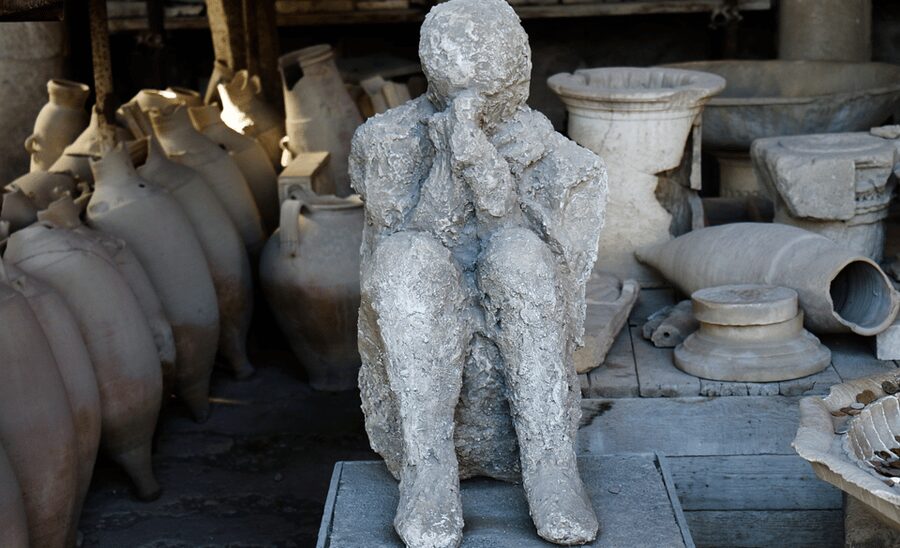
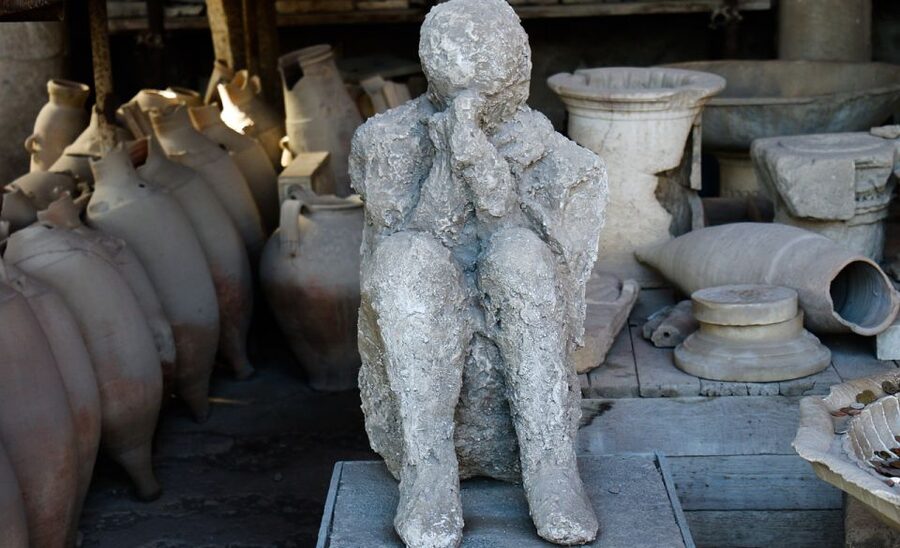
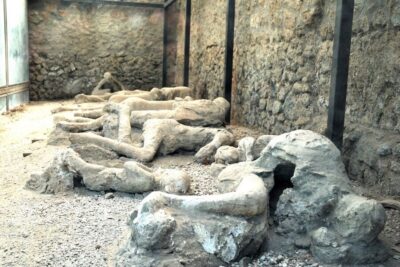
One of the most haunting highlights are the plaster casts of victims from the eruption. This is where the experience stops being “ancient city sightseeing” and becomes a direct confrontation with 79 C.E.
In practice, give yourself a quiet minute here. You’ll walk past plenty of walls and columns, but the casts are the places that carry emotion. Let the audio provide a timeline, then pause and let your brain catch up.
Optional live tour with an art historian: when it’s worth the extra
The optional guided tour is led by a professional art historian and runs in English, Spanish, or Italian. The value isn’t that they’ll rush you through more buildings. It’s that they’ll help you see what you might otherwise miss: patterns, symbolism, and the “why” behind the “what.”
If you’re short on time and want the best possible payoff in 2 hours, the live guide option can be the better buy. People who book it often say they got stronger context and that the guide helped them handle busy areas without losing the thread of the story.
You also benefit if you find audio-only tours too light. Some folks want more history, more interpretation, and more connection between sites. A live art historian gives you that on the spot—especially around houses, art details, and the religious spaces.
A practical tip: if you’re doing the live option, arrive a bit early at the Vox City info point so you start calmly. Pompeii ruins are uneven underfoot, and you’ll feel better if your start is organized.
What’s included—and what’s not (so you don’t waste time)
Included:
- Skip-the-line Pompeii entry ticket
- Audio guide with digital map
- Multilingual audio commentary (English, French, Spanish, German, Italian)
- Optional live guided tour in English, Spanish, or Italian
- Booking fees
Not included:
- Headphones and mobile device
- Access to the suburban villas, including the Villa of the Mysteries, Villa of Diomedes, and Villa Regina
This “not included” part can matter if those villas are your top priority. If you’re dreaming about those specific sites, you’ll need a different ticket or add-on that covers them. With only 2 hours, you don’t want to spend energy hoping you’ll wander into a place that isn’t part of your entry.
Also, remember this: some major Pompeii finds are displayed elsewhere, such as the Archaeological Museum of Naples. If you’re already planning Naples, that museum visit can complement Pompeii’s outdoor scenes.
Value check: is $37 a smart buy for your day?
At $37 per person for a 2-hour experience, you’re paying for more than “entry.” You’re paying for time saved (skip-the-line), plus a ready-to-use audio guide and digital navigation support.
If you’re going solo or as a small group and you want to move at your own pace, the combo can be a good deal. It’s especially useful if you’re traveling during a busy season, when lines form fast and your “thinking time” evaporates.
If you already have a strong preference for a paper guide, or if you don’t want any phone-based audio, then your value equation changes. The ticket depends on you using your smartphone and headphones. Also, if you’re the type who wants a deeper lecture, you may end up valuing the optional live historian tour more than the audio alone.
One more reality check: because Pompeii is so large, 2 hours is a sampling. This isn’t “see everything.” It’s “see the major, meaningful pieces in a focused loop.” If that matches your style, it’s good value.
Who should book this Pompeii ticket?
Book it if:
- You want fast entry and a calmer start
- You like self-paced walking but still want guidance
- You want the option to add a live art historian tour
- You’re visiting Pompeii on a day where you can’t afford long delays
Consider alternatives if:
- You specifically want the suburban villas (Villa of the Mysteries, Villa of Diomedes, Villa Regina)
- You know you won’t use an audio guide on your phone
- You want an all-day, slow-and-steady plan that covers more ground than a 2-hour visit
Should you book this skip-the-line Pompeii ticket?
My take: if Pompeii is a must-do on your trip, this is a solid choice for a short visit. The skip-the-line entry is the easiest way to protect your time, and the included audio guide with digital map helps you make sense of what you’re seeing without forcing you into a rigid schedule.
If you’re curious about art details, symbolism, and the human story behind the structures, add the live art historian option. It turns a good walk into a smarter one. If you’re mostly there for the big highlights and you’re comfortable following your own pace, the audio option alone can be enough.
Either way, do yourself a favor: download the audio before you arrive, bring headphones, and pick a handful of priorities. Pompeii rewards focus. And with faster entry, you get more of the reward.
FAQ
Where do I pick up and exchange my voucher?
Exchange your voucher for the official entry tickets at the Vox City info point in Piazza Esedra, in front of Hotel Vittoria.
Where do I meet the guide if I choose the guided tour option?
Meet your tour guide at the Vox City info point located in Piazza Esedra, in front of Hotel Vittoria.
What languages are available for the guided tour?
Guided tours are available in English, Spanish, or Italian. You choose your language at checkout.
What languages are available for the audio guide?
The audio guide includes multilingual commentary in English, French, Spanish, German, and Italian.
Do I need headphones?
Yes. Headphones are not included, so you should bring your own.
Do I need a smartphone?
Yes. The audio guide is downloaded via a QR code on your voucher, and you’ll need a charged smartphone to use it.
Is skip-the-line entry included?
Yes. This ticket includes skip-the-line entry.
How long is the experience?
The duration is listed as 2 hours. Also, visitors typically spend 2–4 hours inside the site.
Does this ticket include the suburban villas?
No. It does not include access to the suburban villas (Villa of the Mysteries, Villa of Diomedes, Villa Regina).
What should I do before I arrive?
Scan the QR code on your voucher to download the audio guide prior to arrival.
Is free cancellation available?
Yes. You can cancel up to 24 hours in advance for a full refund.
More Tours in Naples






More Tour Reviews in Naples

More Pompeii Tours to Compare




More Naples tours, freshly reviewed





Pompeii Tours, compared.
 ★ 4.8Pompeii: Entry Ticket and Guided Tour with an ArchaeologistFrom $3519,459 reviews
 ★ 4.1Pompeii: Entry Ticket with Audio GuideFrom $4013,491 reviews
 ★ 4.8Pompeii: Small Group Tour with an ArchaeologistFrom $4012,264 reviews
 ★ 4.3Pompeii Ruins & Mount Vesuvius Day TourFrom $12011,459 reviews
★ 5.0Pompeii Small Group Tour with an ArchaeologistFrom $356,593 reviews
★ 4.3Pompeii Ruins & Mount Vesuvius Day TourFrom $12011,459 reviews
★ 5.0Pompeii Small Group Tour with an ArchaeologistFrom $356,593 reviews
 ★ 4.5Skip-the-line Pompeii – Small Group TourFrom $544,401 reviews
 ★ 4.6Naples or Sorrento: Full-Day Pompeii and Mount Vesuvius TourFrom $1044,235 reviews
 ★ 3.9Pompeii: Skip-the-line Entry Ticket with Audio Guide & MapFrom $433,153 reviews
Browse the lists this tour appears in