
Review · WINE TOURS
History & Local Wines: Amphitheater, Mitrium and Winery Visit
Capua has layers. This private tour strings together ancient Capua sights, a rare Mitreum of Mithras, and a winery facing Mount Vesuvius. I love how the stops feel story-driven, not checklisty. I also like the pacing for a 5-hour day: enough time at the big ruins, then a slower, tasty finish with local wine. One possible drawback: it’s weather-dependent, and history sites mean you’ll want decent walking shoes.
This isn’t a sit-on-the-bus kind of outing. A private guide meets you and takes you through Santa Maria Capua Vetere, where the town’s timeline stretches from Etruscan roots to Roman rule. Then you’ll see the kind of sacred architecture that survived in few places on Earth.
After that, you swap archaeology for vineyards. You’ll visit a winery in the Province of Naples with Vesuvius right there, and you’ll taste local wines matched with traditional food. If you’re short on time in Naples but want both the past and a proper local tasting, this format makes a lot of sense.
In This Review
- Key highlights you’ll actually notice
- Ancient Capua in Santa Maria Capua Vetere: amphitheater built before Rome’s
- The Spartacus angle: history with a famous name
- Meeting Mithras at the Mitreum: a rare survival from a destroyed cult
- What to expect from the Mitreum visit
- Gladiator Museum and the Capua performance tradition
- A possible mismatch to consider
- How a private 5-hour day works from Naples
- Pacing tip for your comfort
- Vesuvius-view winery in the Province of Naples: wine tasting with traditional food
- What you should pay attention to during tasting
- Price and value: what $868.20 per person buys you
- When this is worth it
- When it might not be the best choice
- Who will enjoy this tour most (and who might not)
- A quick note on booking mindset and weather
- Should you book the Amphitheater, Mitreum and Winery visit?
- FAQ
- How long is the Amphitheater, Mitrium and Winery visit tour?
- Where does the tour start and is pickup offered?
- Is this a private tour?
- What do you see at Santa Maria Capua Vetere?
- What is the Mitreum, and why is it special?
- What happens at the winery visit near Mount Vesuvius?
- What if the weather is bad?
Key highlights you’ll actually notice

- Santa Maria Capua Vetere amphitheater: built a century before Rome’s, tied to the Spartacus story
- Mitreum of Mithras: one of the few preserved temples of the cult of Mithras
- Gladiator Museum time: adds context to what you see in the amphitheater
- Private guided pacing: pickup and a dedicated guide for your group only
- Winery with Vesuvius views: wine tasting paired with traditional food
- Marked admission ticket free: both main segments list admission ticket free in the tour details
Other Naples outings worth a look before you book
- Dolphin and Manatee Adventure Tour of Naples with Florida History★ 5.0 · 187 reviews
- Naples: Historic Center Tour & Veiled Christ Entry Tickets★ 5.0 · 97 reviews
- 360 ° Naples. THE historic center of the city★ 5.0 · 85 reviews
- Naples Walking tour of the Historical Center★ 5.0 · 75 reviews
Ancient Capua in Santa Maria Capua Vetere: amphitheater built before Rome’s
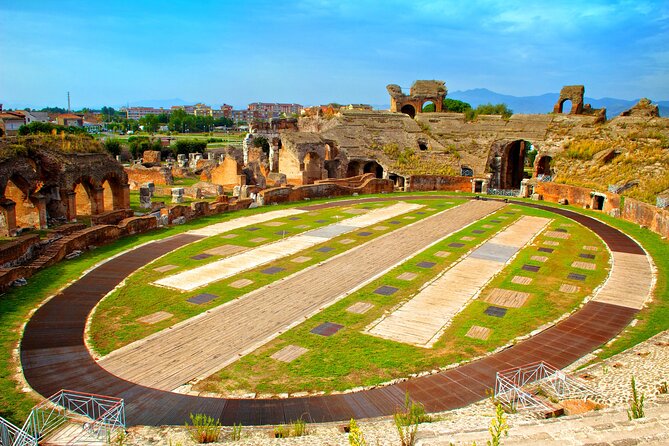
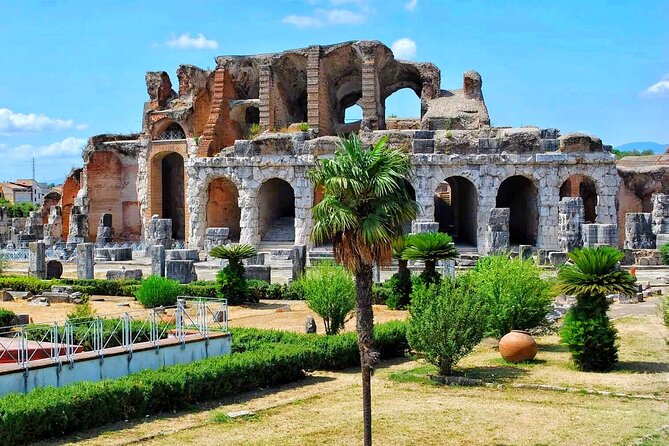
Your day starts in Santa Maria Capua Vetere, and the first thing I like about this stop is that it doesn’t treat ruins like random stones. The town’s story is pinned to dates you can hold onto: it was founded by the Etruscans around 600 BC, then conquered by Rome in 340 BC. That time jump matters, because you’re not just looking at old architecture. You’re seeing a place that different powers reshaped.
The star is the amphitheater. This is where the tour earns its name with a specific, memorable claim: it’s older than the famous one in Rome. The amphitheater here was built one century before the Roman version. That means you get a sense of how gladiator culture and public spectacles were already serious business in Campania, long before Rome made it legendary.
Even if you’ve visited bigger amphitheaters elsewhere, I think this one lands differently because of the framing. With a private guide, you’re not just walking through open air and trying to guess what you’re looking at. You’ll get the connections explained, and that turns “old stadium” into “an entire system of entertainment and politics.”
Practical note: amphitheaters usually mean uneven ground and lots of standing. Wear shoes you trust on stone and don’t plan on perfect “sit and photograph” comfort. If you’re traveling in warm months, also be ready for sun. A lot of the day will be outside, and the tour is explicitly listed as requiring good weather.
The Spartacus angle: history with a famous name
The tour includes the idea of the amphitheater where Spartacus performed. Whether you know the Spartacus story already or not, it works because it gives you a human handle on ancient spectacle. You can picture the crowd energy without needing a modern translation.
And then the next stop pushes that connection into more detail with the gladiator theme, so you’re not just relying on a single reference point.
Meeting Mithras at the Mitreum: a rare survival from a destroyed cult
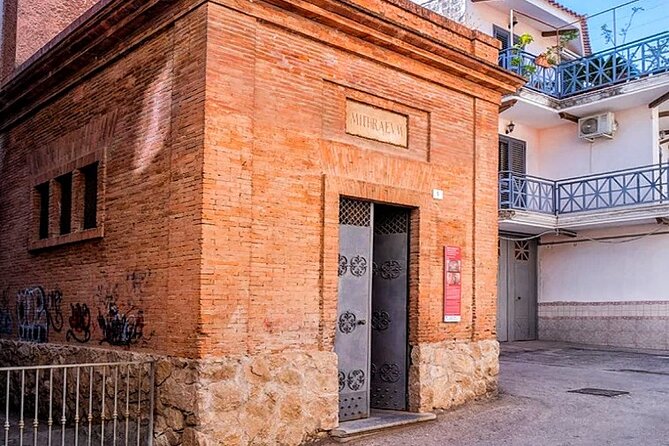
Next comes the Mitreum, the temple of the cult of Mithras. This is one of those “wait, how is this still here?” stops. According to the tour details, it’s one of the few preserved in the world. That single fact changes how you experience the site. You’re not just seeing a building; you’re seeing evidence of something that, in many places, didn’t survive.
The tour also explains why: with the advent of Christianity, these sites were purposefully destroyed. That’s a heavy historical note, but it gives meaning to what you can still see today. When something has been erased on purpose, the surviving pieces tend to feel sharper and more fragile at the same time.
What I like here is the way the tour doesn’t treat the Mitreum as weird trivia. It’s presented as part of the bigger religious and cultural shifts in the region. The cult of Mithras was distinct, and the Mitreum is one of the few tangible ways to grasp that other belief system in stone.
What to expect from the Mitreum visit
The tour format suggests a guided visit here as part of your main history block. You’ll want to pay attention to the guide’s explanations rather than just taking photos and hoping it all clicks later. Sacred spaces tend to work best when you understand the purpose of the architecture. Even if you only catch part of the story, it will add context to the rest of your day.
Also, keep in mind: sites like this can have limited viewpoints compared with outdoor ruins. That’s normal. Think of it like a concentrated stop. You’re there to learn, not to roam.
A few more bottles worth the trip in Naples



Gladiator Museum and the Capua performance tradition
After Santa Maria Capua Vetere’s amphitheater, the tour includes the Gladiator Museum as part of your history immersion. This pairing makes sense. If the amphitheater is the stage, the museum helps you understand the people and practices behind it.
I like this approach because it solves a common problem. With ancient venues alone, you can admire the structure but still feel like you’re missing the human layer. A gladiator-focused museum gives you that layer in a way that’s easier to visualize. It turns the amphitheater from scenery into context.
And since the amphitheater visit is framed with the Spartacus link, the museum time should help you connect that “famous name” moment to real-life mechanisms: training, spectacle, and how entertainment functioned in the Roman-era world around Capua.
A possible mismatch to consider
This is a history-first day. If you’re mainly after shopping, beaches, or Naples street life, you might find you’ll get less of that than you hoped. The upside is that you’re covering big, specific cultural sites in a short window. The downside is less freedom for casual wandering. This is a guided experience with a plan.
If you want Naples city views after, I’d schedule a separate evening. Treat this tour as your “big brain and bigger ruins” block.
How a private 5-hour day works from Naples
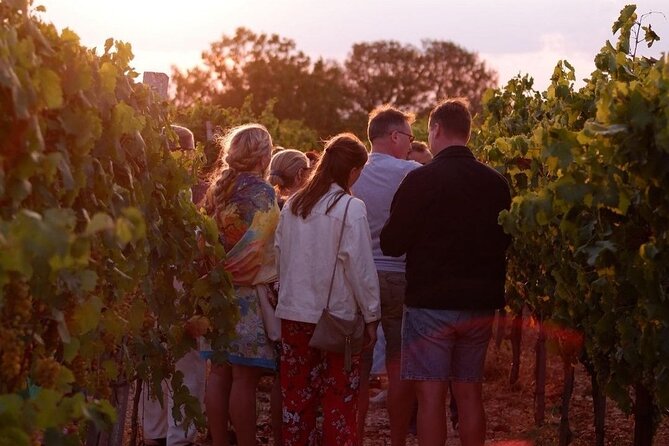
This is a private tour/activity. That matters more than you might think, especially on a day with multiple sites.
You get pickup offered, and the guide meets you at your hotel reception. Then your driver handles getting you between stops. You’re not sharing the schedule with another group that slows everything down. You also get a more flexible experience for questions, photo pauses, and timing needs that pop up in real life.
The tour duration is about 5 hours. The itinerary lays it out as roughly 3 hours for the Santa Maria Capua Vetere history segment, and about 2 hours for the winery visit. In other words: you get a full history arc, then you move to wine and food without the day running long.
The tour details also mention a mobile ticket and group discounts. Mobile ticketing is useful because you’re not juggling paper. Group discounts are most relevant if you’re traveling with friends or family and can combine into a larger party (you’ll still be private as your group, based on the tour description).
Pacing tip for your comfort
A 5-hour private day can feel smooth if you plan like this:
- eat something light before pickup (you’ll be hungry by the winery part)
- bring water if you’re traveling in warmer months
- wear comfortable shoes for ruins and museum spaces
And if you’re sensitive to heat, pick the nicest weather window you can when booking. The tour is listed as requiring good weather, and that’s not a small detail.
Vesuvius-view winery in the Province of Naples: wine tasting with traditional food
After the archaeology, you switch gears to the Province of Naples, where the winery visit is set in front of Mount Vesuvius. The location is a big part of why this stop works.
You get the visuals of Campania’s farming landscape—vineyards, open air, and the volcano looming in the background. That’s not just atmosphere. It helps you understand why the wines here taste like this region. When you taste in view of the geography, the story lands faster.
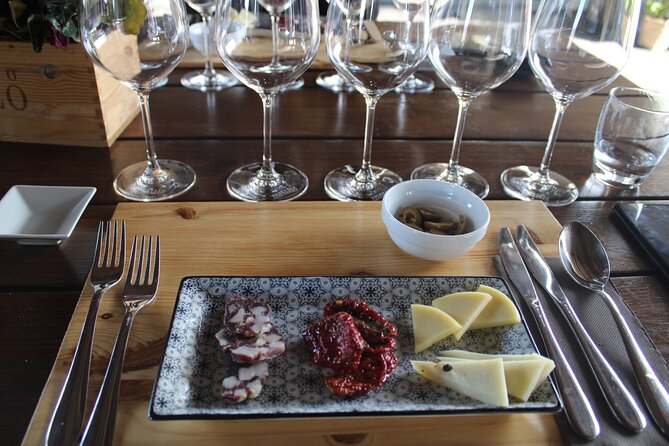
The winery portion includes wine tasting of different local wines, paired with traditional food. That pairing matters because wine is easier to enjoy when it’s anchored to something familiar. And because the stop is about 2 hours, you’re not rushed through a “sip, smile, move on” experience.
What you should pay attention to during tasting
During a tasting, I suggest you treat each wine like a mini conversation:
- Notice whether it feels fruit-forward or more savory
- Think about how it holds up with the food pairing
- If you can, ask which wines are best with what you’re eating
The tour doesn’t list specific grape varieties or the number of wines in the tasting, so I can’t promise exact types. But the structure is clear: multiple local wines plus traditional food.
If you like wine but want something more than a basic tasting room routine, this format is a good fit. It’s wine as a regional experience, not just wine as a product.
Price and value: what $868.20 per person buys you
Let’s talk value honestly, because $868.20 per person is not a casual add-on.
What justifies it in this specific itinerary is the mix of:
- multiple major guided history stops (Santa Maria Capua Vetere with amphitheater, plus the Mitreum of Mithras)
- a rare temple experience that isn’t common on most Naples days
- a winery visit with tasting and traditional food
- private format with pickup and a driver
It’s also listed with admission ticket free for the main segments. Even if you don’t treat that as the headline, it helps reduce the guesswork about what’s covered versus what you pay separately.
For me, the question becomes: would you be able to match this in the real world by booking each piece separately? In many cities, once you add private transport, a strong guide, and wine tasting in one day, the price starts to make more sense.
When this is worth it
This tour is most worth booking if:
- you want a tightly planned history day with private guiding
- Mithras and ancient religions are genuinely interesting to you
- you also want a satisfying end with wine and food, not just ruins and photos
- you’re traveling as a pair or small group and want convenience more than DIY time
When it might not be the best choice
If you’re traveling on a strict budget, or you prefer to spend most of your day in Naples city itself, you may feel the cost is heavy for one day. In that case, you might choose a shorter guided tour and save the wine tasting for a more flexible half-day.
Who will enjoy this tour most (and who might not)

This experience is built for people who like their travel stories with names, dates, and real artifacts.
You’ll probably love it if:
- you like ancient Rome and earlier layers like Etruscan history
- you enjoy museums that explain what you’re seeing outside
- you’re interested in less-common topics like the cult of Mithras
- you want a payoff at the end in the form of wine, food, and Vesuvius views
You might not love it as much if:
- you want beaches, pizza hours, and casual strolling as your main plan
- you dislike walking or standing for long periods
- you can’t travel on a day that’s reasonably weather-friendly
And a small, practical truth: history tours feel better when you’re willing to listen. If you’re the type who only likes fast stops, this one will feel more intense than you might expect.
A quick note on booking mindset and weather

The tour is listed as requiring good weather. That’s the right kind of warning to take seriously, because ruins and outdoor segments don’t become more comfortable when conditions turn.
If the weather isn’t good, you’ll be offered a different date or a full refund if it’s canceled due to poor weather. That’s reassuring. Still, for the best experience, plan to keep that day flexible in your schedule and aim for good conditions when you book.
Should you book the Amphitheater, Mitreum and Winery visit?
I’d book it if you want one day that connects three things Naples does well: ancient culture, rare religious sites, and wine with a view. The combination of Santa Maria Capua Vetere’s amphitheater (with its older-than-Rome angle), the Mitreum of Mithras (rarely preserved), and a Vesuvius-facing winery is a strong mix for people who like both meaning and good taste.
But if your ideal Naples day is mostly about city scenes, lounging, or you hate being outdoors in uncertain weather, you may prefer a different style of tour.
If you’re on the fence, my advice is simple: this is a 5-hour “history + wine” day. Book it when you want that exact balance.
FAQ
How long is the Amphitheater, Mitrium and Winery visit tour?
The tour lasts about 5 hours in total, with the Santa Maria Capua Vetere history segment taking around 3 hours and the winery stop taking about 2 hours.
Where does the tour start and is pickup offered?
Your private guide meets you at your hotel reception, and pickup is offered as part of the experience.
Is this a private tour?
Yes. It’s described as a private tour/activity, meaning only your group participates.
What do you see at Santa Maria Capua Vetere?
You visit Santa Maria Capua Vetere with a private guided tour. The stop includes the amphitheater and also includes the Temple of Santa Maria Capua Vetere and the Gladiator Museum.
What is the Mitreum, and why is it special?
The Mitreum is a temple of the cult of Mithras. The tour notes it is one of the few preserved in the world, and it explains that many were purposefully destroyed with the advent of Christianity.
What happens at the winery visit near Mount Vesuvius?
You visit a winery in front of Mount Vesuvius and taste different types of local wine paired with traditional food, surrounded by vineyards.
What if the weather is bad?
The experience requires good weather. If it’s canceled due to poor weather, you’ll be offered a different date or a full refund.
More Wine Tours in Naples





More Historical Tours in Naples



More Tour Reviews in Naples


More Naples tours, freshly reviewed



Wine Tours, compared.
 ★ 4.5Pompeii and Mt. Vesuvius with Lunch and Wine TastingFrom $1412,454 reviews
 ★ 5.0Authentic Naples Food Tour with 8+ Tastings of Pizza, Wine & MoreFrom $105824 reviews
 ★ 5.0Pompeii Tour & Lunch with Wine Tasting ExperienceFrom $120383 reviews
 ★ 4.9Premium Pizza Class From Dough to Dessert & WineFrom $70346 reviews
 ★ 4.5Wine Tasting Tour on Vesuvius Slopes with Lunch330 reviews
 ★ 5.0Pompeii Vineyard Escape: Private Wine Tasting & LunchFrom $66329 reviews
 ★ 5.0Tour of Mt Vesuvius and Pompeii w/ Lunch & Wine tastingFrom $147241 reviews
 ★ 4.8Mount Vesuvius: Vineyard Tour with Wine Tasting and LunchFrom $65193 reviews
Browse the lists this tour appears in