
Review · CANOES & KAYAKS
Guided Island EcoTour: CLEAR/Standard Kayak, SUP – Bonita Springs
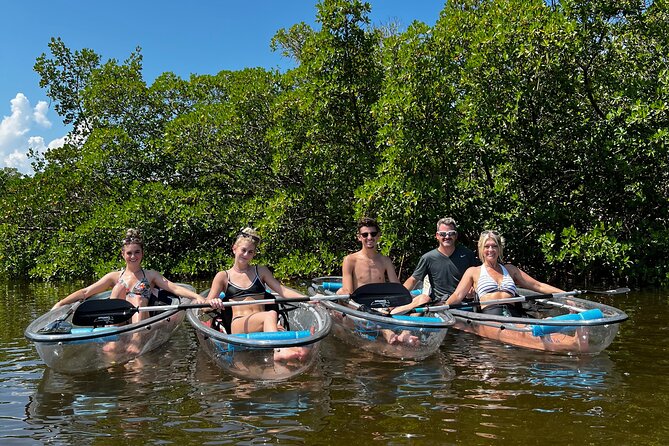
A clear kayak turns Florida water into glass. On this Guided Island EcoTour in Bonita Springs, you paddle mangrove tunnels toward wildlife and shell-strewn beaches in about 2.5 hours.
I like the practical, relaxed pacing and the fact that you’re not just floating around—you get a wildlife guide who calls out what to look for along the way. The one downside to plan for: sightings depend on weather and tides, so some days lean more toward mangroves and others toward beach time.
In This Review
- Key highlights you’ll care about
- Big Hickory Island and Estero Bay: why this paddle route works
- CLEAR Kayaks vs Standard Kayaks vs SUP on Bonita Springs water
- The weight and fit details (don’t skip this)
- Your 2.5-hour flow: launch, mangroves, island beach, and return
- When tides and wind change the plan
- Wildlife odds on the water: dolphins, manatees, birds, and surprises
- Shelling time with a guide: how to make the beach stop worth it
- What you really get for $50: gear, guide, photos, and free parking
- Weather, wind, and tides: planning for easier paddling and better tunnels
- Who should choose this guided eco-tour in Naples
- Should you book this eco-paddle with Paddle Naples?
- FAQ
- How long is the Guided Island EcoTour?
- How much does the tour cost?
- What should I bring?
- What type of boats can I choose?
- Are dolphins and manatees guaranteed?
- What is the cancellation policy?
Key highlights you’ll care about
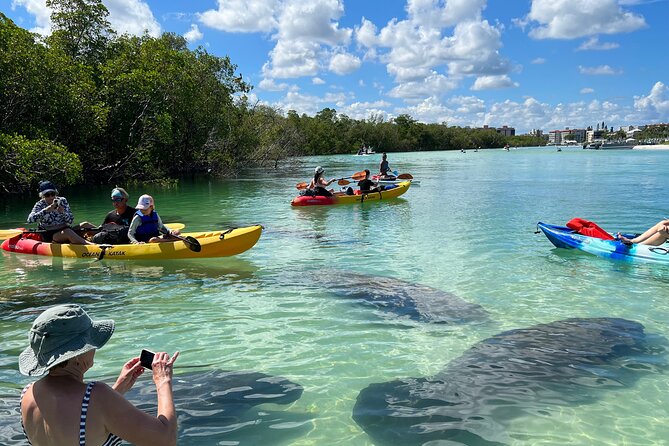
- CLEAR viewing on a see-through kayak or paddleboard for easy spotting beneath your feet
- Small group size (up to 12) so you can actually hear the guide and get help when needed
- Big Hickory Island route that mixes mangrove corridors, Gulf/open water, and an island beach stop
- Shelling time built into the trip, with guides who know what you’re finding (and sometimes bring small shell bags)
- Marine mammal timing matters: dolphins are year-round; manatees are mostly in warm-water months
- Photos included plus dry boxes so your phone doesn’t become a science experiment
More guided runs around Naples
- Naples: Catacombs of San Gennaro Entry Ticket & Guided Tour★ 4.6 · 7,941 reviews
- Naples: Spanish Quarters Underground Guided Tour★ 4.8 · 5,064 reviews
- Naples: Street Food Walking Tour with Local Guide★ 4.9 · 4,976 reviews
- Herculaneum: Skip-the-Line Guided Tour with Archaeologist★ 4.8 · 3,439 reviews
Big Hickory Island and Estero Bay: why this paddle route works
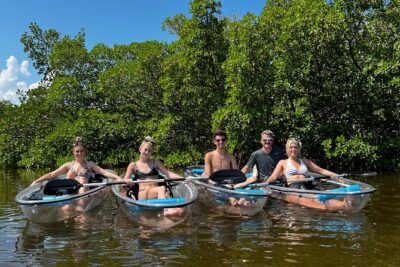
This tour is centered on Big Hickory Island in Bonita Springs, with routes through Estero Bay and out toward the Gulf. That mix is why it feels like a highlight reel: mangroves first (the secret corridors), then more open water, then an island beach where you can slow down.
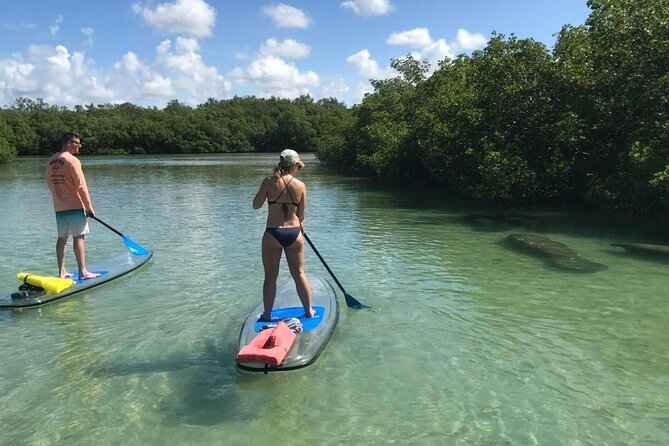
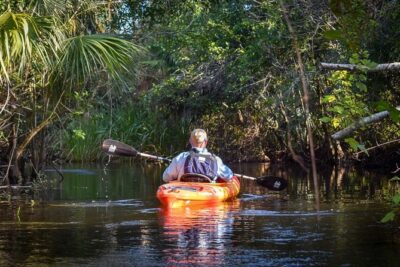
The mangroves are the point for most people. You’ll paddle through sheltered channels and tunnels where birds like to hang out and the water stays calmer than you’d expect. And when the route allows it, you get those magical-feeling narrow passages that don’t look like anything back home.
You’re also not stuck only in protected water. The day usually includes sections of open water too, so you get a real sense of being on the Gulf side of Southwest Florida, not just in a pond.
CLEAR Kayaks vs Standard Kayaks vs SUP on Bonita Springs water
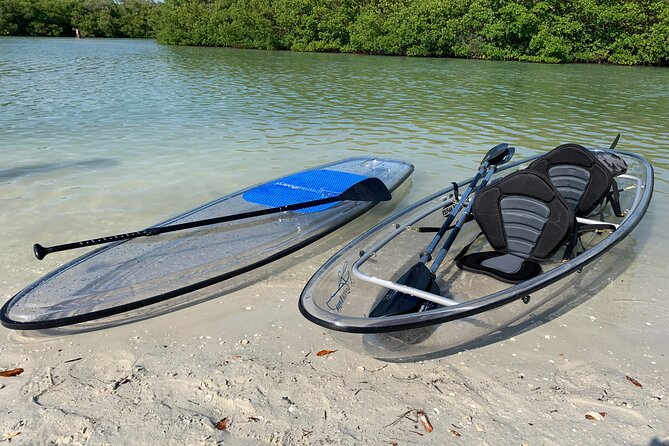
You can choose what sits under you: Standard kayak, CLEAR kayak, or a paddleboard (SUP). That matters because each option changes how the tour feels.
CLEAR kayaks and CLEAR paddleboards are for people who love seeing what’s under the surface. It also helps during shelling and wildlife spotting because you’re visually “reading” the water as you go. One practical note: CLEAR kayaks are set up for 2 people, so you’ll want to book even numbers.
Standard kayaks are the more flexible pick. They have higher limits than the CLEAR option and they also track better, meaning they tend to paddle straighter with less correction. If you’re weighing options for comfort and steady motion, standard is often the easiest call.
If you need another style of help, the company lists HOBIE pedal kayaks as an option. That can be useful if you want propulsion without relying only on arm strokes.
And before you worry about gear: you’re provided PFDs and dry boxes, plus a map + wildlife guide. Plus there’s free parking at the start, which sounds small until you’re juggling beach bags and loading time.
The weight and fit details (don’t skip this)
- CLEAR kayak limits: 400 pounds per boat and a max of 225 pounds per seat
- Standard kayak limits: higher than CLEAR and generally better tracking
- Minimum age: 3 years old
- PFD note for kids: youth-sized PFDs are available, but parents are advised to provide a well-fitted PFD for children under 50 pounds
Also pack water shoes. The launch and the island beach stop are easier when you’re not dealing with bare feet on slick surfaces.
Your 2.5-hour flow: launch, mangroves, island beach, and return
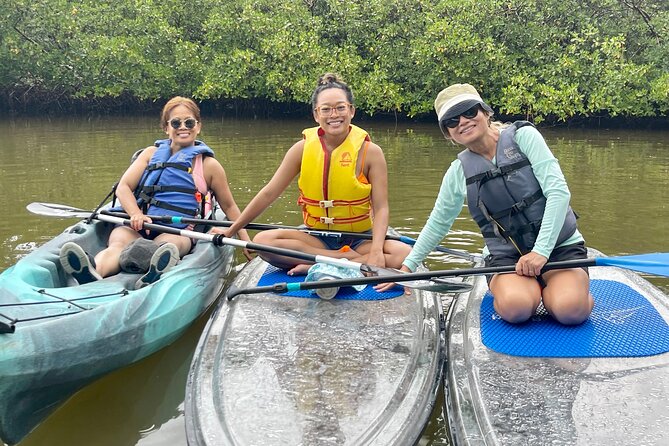
Plan on about 2 hours 30 minutes. That time is long enough to feel like you did something, but short enough that you’re not surviving a full-day expedition.
A typical rhythm goes like this:
1) You meet at Paddle Naples in Bonita Springs and get your PFD and dry-box setup.
2) The guide leads the group at a relaxed pace, scanning for dolphins, birds, and—when conditions line up—manatees.
3) You work your way through mangrove trails and tunnels when water levels allow it.
4) You reach Big Hickory Island for a beach stop that often includes shelling time.
5) You return to the meeting point.
That shelling stop is a big reason people book. Some guides make it playful and educational, pointing out shells as you find them and even offering help with collecting. One guide described in the tour info kept small bags on hand for shell collectors, which is exactly the kind of little convenience that makes the beach time feel organized rather than chaotic.
Other Naples outings worth a look before you book
When tides and wind change the plan
Here’s the reality: you can’t control wildlife. And you can’t always control the water. The trip runs best when conditions cooperate. If the day has extremely low tides, you might spend more time on the beach and nearby water and less time in the tunnel sections. If it’s windy, expect more effort from your paddling.
That doesn’t mean it’s a bad trip. It just means you should go in with the right mindset: you’re coming for the ecosystem experience, not a guaranteed dolphin parade.
Wildlife odds on the water: dolphins, manatees, birds, and surprises
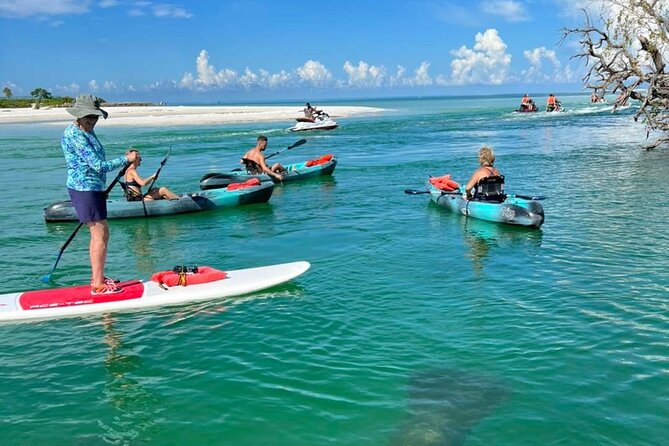
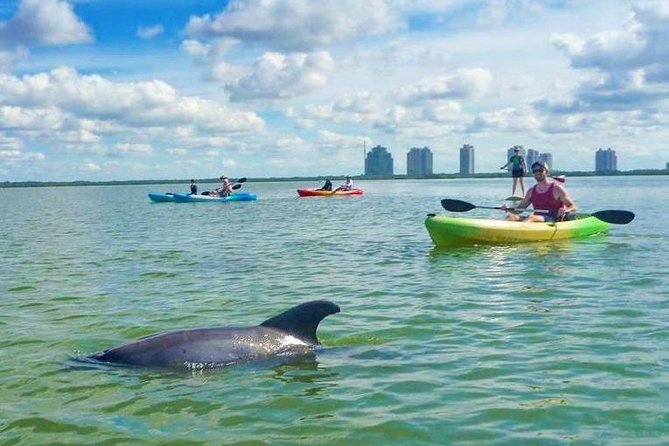
This is a wildlife-first paddle. Dolphins are listed as year-round, and manatees are listed as mostly in warm-water months. That timing is important.
If you’re chasing manatees, you’ll have a much better chance in warmer seasons. The tour info and guide notes point to a window roughly from April to September. In colder months, it’s more common to focus on other sightings—birds, fish, and the mangrove critters.
The guide portion makes a difference. You’re not just looking around hoping for movement. Guides like Hannah, Nick, Victoria, Elizabeth, Zach, and Anna (names shared from the guide team) are described as calling out animals, shells, and ecosystem details as you go—down to things like jellyfish or an alligator sighting when the route brings you close.
So while you should keep your expectations flexible, you can also expect a trip that helps you notice more than you would on your own. A guided tour is basically a shortcut to better wildlife “luck,” because your eyes and ears get trained for what to look for.
Shelling time with a guide: how to make the beach stop worth it
Shelling is built into the island experience, and for many people it’s the most memorable part because it changes the energy level. You switch from paddling rhythm to slow beach scanning, and the guide keeps it from turning into a random hunt.
Guides are described as teaching what you’re finding—shell identification, plus explanations about birds and mammals you may have seen on the water. Some even add small comforts to make collecting easier, like shell bags. It’s a simple touch, but it prevents that last-minute scramble where everyone’s holding shells with wet hands.
A practical tip: wear shoes that can handle both sand and shallow water. You’ll be stepping in and out, and water shoes also help you walk comfortably if shells are sharp.
Also: set your expectation that the day includes both paddling and shelling. This is not a beach-combing-only activity. If you want a long, uninterrupted shell-hunting session, you might feel like the schedule moves faster than you want. But if you want the best combo—mangroves plus island time—this format usually lands well.
What you really get for $50: gear, guide, photos, and free parking
At $50 per person, this is priced like an outdoors activity, not like a luxury private tour. What makes it feel like good value is what’s included.
You get:
- PFDs and dry boxes
- A map + wildlife guide
- Complementary tour photos
- Free parking
You’re also in a group capped at 12 people, which is small enough that the guide isn’t just herding bodies. That size helps you ask questions and get positioning tips, especially if you’re newer at kayaking or SUP.
On top of that, you’re not just renting a boat and hoping the day delivers. Your guide is there to explain the ecosystem as you move through it—mangrove biology, wildlife behavior, shell facts. The tour info is clear that the pace stays relaxed, but you still get real time on the water.
One thing to remember: the tour relies on good weather, and if it’s canceled for poor conditions, you’ll be offered another date or a full refund. That reduces your risk, especially during windy seasons.
Weather, wind, and tides: planning for easier paddling and better tunnels
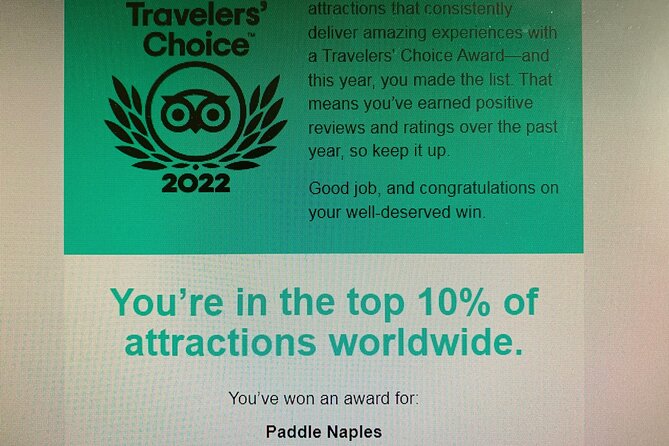
This tour is outdoor-based, so the “day of” conditions matter. You’ll see it in reviews and responses: people recommend not going when it’s especially windy, because it can turn an easy paddle into a workout.
Tides matter too. When water levels are extremely low, routes that normally emphasize mangrove tunnels may be limited. If that happens, you might get a different mix of paddling and beach time. In plain terms: the scenery still works, but the proportions shift.
My practical advice:
- Choose a forecast that looks calm.
- Bring sunscreen and water, even if you think you’ll be in the shade.
- Wear water shoes and keep your phone secured in the dry box.
- If you’re manatee-focused, aim for warmer months (roughly April to September).
And if you’re going in winter or shoulder season, don’t treat wildlife like a checklist. Treat it like an outcome you’re watching for, not a guarantee.
Who should choose this guided eco-tour in Naples
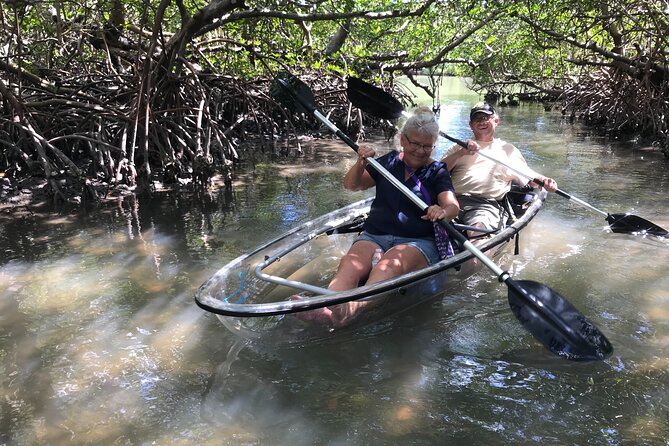
This works for a lot of people because the company states most travelers can participate, and guides are described as helping newcomers. If you’re a first-timer at kayaking or paddleboarding, you’ll likely appreciate the coaching and patience described by guides like Hannah and Nick.
It’s also a strong pick for couples and families because the day mixes:
- paddling through mangroves
- bird and wildlife spotting
- a real island beach stop and shelling time
A key consideration is your ability to keep up. One note from a guide response emphasizes that you need to be able to paddle well enough for the group pace. So if you’re expecting totally leisurely drifting with zero effort, this may not match your style.
Also, pick the right craft for your group:
- If you want a CLEAR kayak, remember it’s for 2 people.
- If you need a different setup, ask about HOBIE pedal kayaks.
And if you have kids, don’t ignore the PFD sizing note. Youth PFDs exist, but for kids under 50 pounds, parents are advised to provide a properly fitted PFD.
Should you book this eco-paddle with Paddle Naples?
Yes, if you want an organized, nature-focused paddle that mixes mangrove tunnels, wildlife spotting, and shelling in a short, satisfying window. The included guide, dry boxes, and complementary photos make it feel complete, not improvised.
Skip it or adjust expectations if:
- you’re going mainly for nonstop wildlife sightings (they’re not guaranteed)
- you’re visiting in a cold month expecting manatees (chances are lower)
- you know you struggle with wind or can’t paddle at the group pace
The best reason to book is simple: this tour is designed to make the ecosystem easier to read. You’re not just on water—you’re learning how to notice it, from mangrove corridors to the island beach details.
FAQ
How long is the Guided Island EcoTour?
The tour runs about 2 hours 30 minutes.
How much does the tour cost?
It costs $50.00 per person.
What should I bring?
Bring a hat, sunglasses, sunscreen, bottled water, and water shoes.
What type of boats can I choose?
You can choose a standard kayak, CLEAR kayak, or a SUP (paddleboard). The tour also mentions HOBIE pedal kayaks if needed.
Are dolphins and manatees guaranteed?
No wildlife is guaranteed. Dolphins are listed as year-round, while manatees are mostly in warm water months.
What is the cancellation policy?
You can cancel for a full refund up to 24 hours before the start time. If you cancel within 24 hours, there is no refund. If it’s canceled due to poor weather, you’ll be offered a different date or a full refund.
More Canoes & Kayaks in Naples
More Guided Tours in Naples


More Tour Reviews in Naples


More Naples tours, freshly reviewed



Canoes & Kayaks, compared.
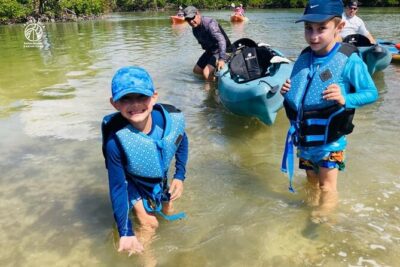 ★ 5.0Easy Ride Pedal Kayak Tour Marco Island & Naples (Pedal or Paddle1,065 reviews
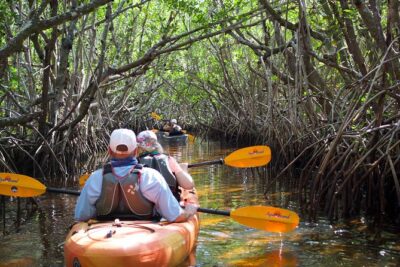 ★ 5.0Manatees and Mangrove Tunnels Small Group Kayak TourFrom $95954 reviews
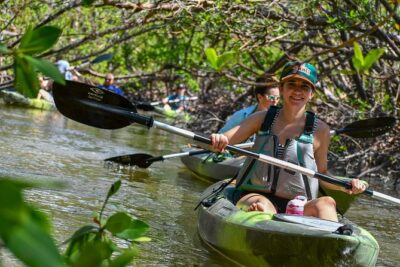 ★ 5.0Mangrove Tunnels & Mudflats Kayak Tour – Local Biologist GuidesFrom $69785 reviews
 ★ 5.0Guided Hobie Kayak EcoTour: Premium Eco Experience Bonita SpringsFrom $70365 reviews
 ★ 5.03 Hour Guided Mangrove Tunnel Kayak Eco TourFrom $99350 reviews
 ★ 5.0Clear Kayak Guided Eco Tour in North NaplesFrom $84341 reviews
 ★ 5.0Rookery Bay Kayak Adventure – Mangroves, Wildlife & Photos335 reviews
 ★ 5.0Everglades Guided Kayak Tour185 reviews
Browse the lists this tour appears in