
Review · TOURS
From Naples: Phlegraean Fields 5-Hour Fiat 500 or 600 Tour
Campi Flegrei is one of those places where history and geology shake hands, and doing it in a classic Fiat 500/600 makes the whole day feel fun and human. I love the mix of big-name stops (like Terme di Baia and Anfiteatro Flavio) with off-the-beaten-surface views of volcanic lakes and bays.
The other thing that really works for me is having a private, authorized guide with you the whole time, so you’re not just looking at ruins—you’re getting the myths and legends stitched into the drive. One consideration: this is a 5-hour, car-based route, so if you hate walking a bit on uneven ancient sites, plan on keeping shoes comfortable and expectations realistic.
In This Review
- Quick highlights before you go
- Why Campi Flegrei feels different from Naples proper
- The classic Fiat 500/600: part transport, part experience
- Pickup and the “private group” advantage for real touring
- The 5-hour route, stop by stop: what each place gives you
- Pozzuoli Port: your launching pad into the Phlegraean area
- Serapide Temple: Roman ruins with myth in the background
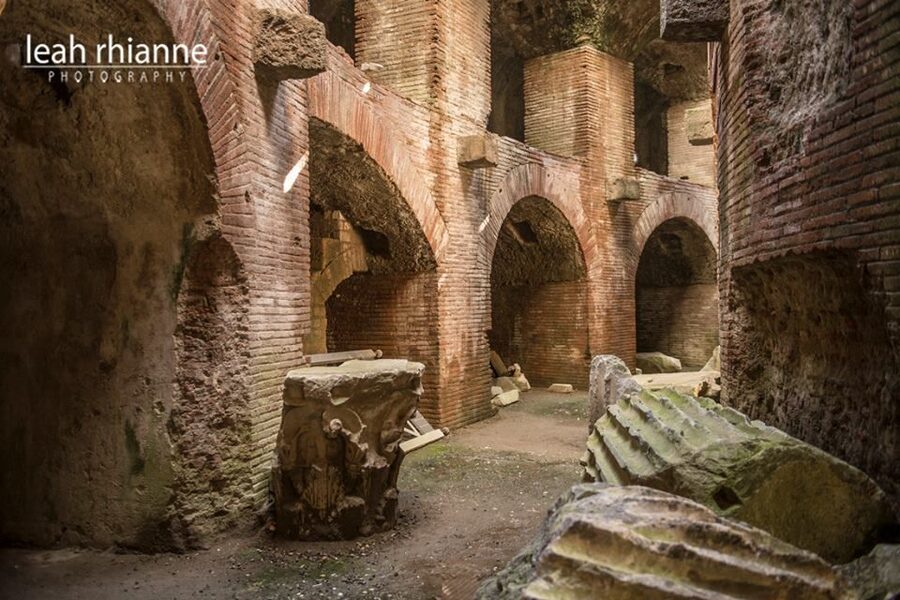
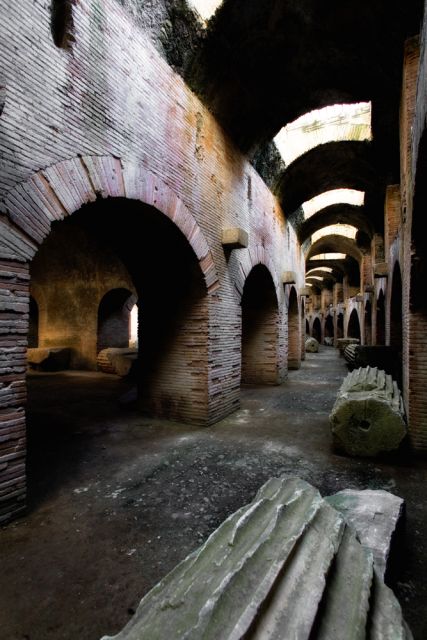
- Anfiteatro Flavio: a major Roman stage, handled efficiently
- Lake Lucrino: volcanic lakes as the emotional scenery break
- Monte Nuovo: the view stop that explains the area’s volatility
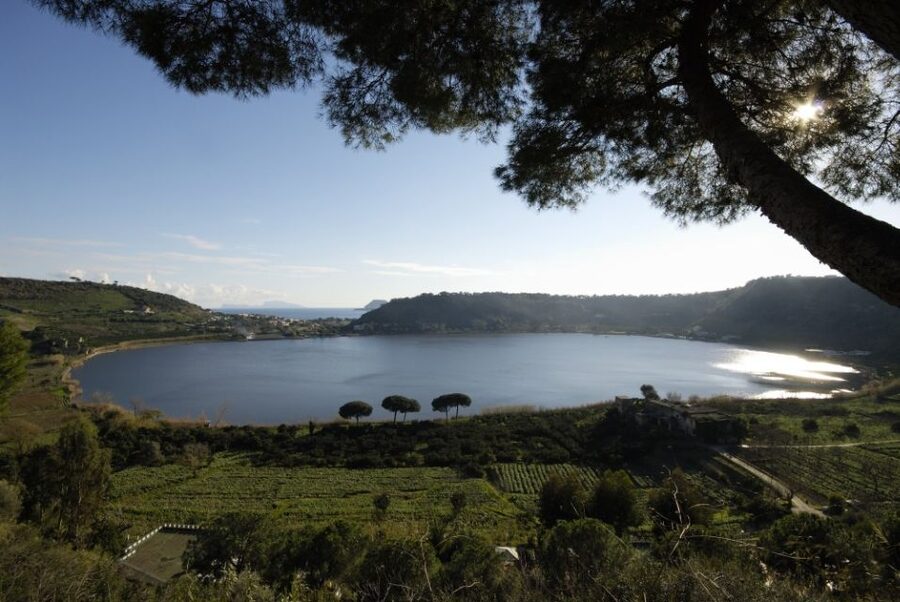
- Lake Avernus: the myth-friendly lake stop
- Bacoli’s Bay and Bacoli: coastal atmosphere with a Roman backdrop
- Baia Castle: a photo-worthy pivot point
- Terme di Baia: thermal baths with real-world included entry
- Cape Miseno: the coast widens, and the day breathes
- Lake Fusaro and Casina Vanvitelliana: the final poetic note
- Value check: is $339.86 per person worth it?
- Who this tour fits best (and who should consider alternatives)
- Tips that make your day smoother
- A real measure of quality: safety and the guide-driver team
- Should you book the Phlegraean Fields Fiat 500/600 tour?
- FAQ
- FAQ
- How long is the Phlegraean Fields Fiat tour?
- What sites are included during the 5-hour route?
- Is pickup and drop-off included in Naples?
- Are entrance tickets included?
- What language options are available for the guide?
- How many people is the tour for?
- What should I bring?
Quick highlights before you go
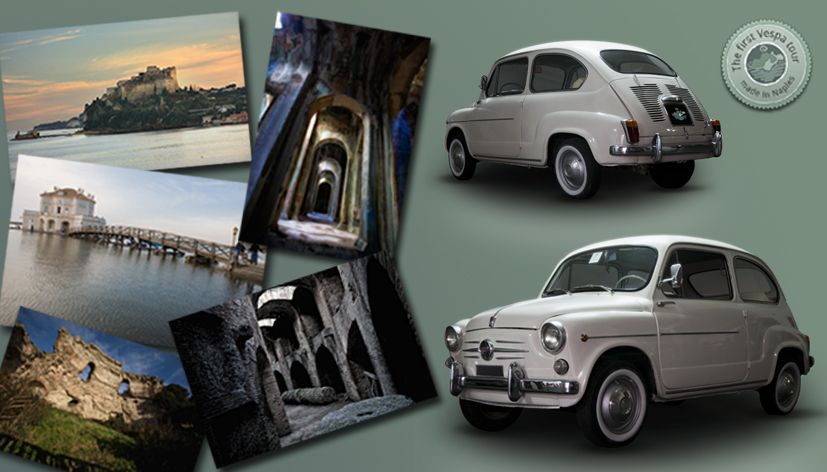
- Classic Fiat 500 or Fiat 600 drive that feels like time travel, not a chore
- A private, authorized guide/driver team with Spanish, English, French, or Italian
- Skip-the-line entry at Anfiteatro Flavio, Terme di Baia, and Casina Vanvitelliana
- Volcanic lakes and crater-area vibes at Lake Lucrino, Lake Avernus, and Lake Fusaro
- Roman set pieces in the Phlegraean zone including Serapide Temple and Monte Nuovo viewpoints
- Hotel or port pickup/drop-off in Naples makes this practical for cruise schedules
Not sold on this one? A few more Naples tours sit just below.
- From Naples: Sorrento, Positano & Amalfi – Small Group Tour★ 4.7 · 14,599 reviews
- From Naples: Pompeii Ruins & Mount Vesuvius Day Tour★ 4.3 · 11,459 reviews
- From Naples: Sorrento, Positano & Amalfi Coast – Small Group Tour★ 5.0 · 8,643 reviews
- Naples: Catacombs of San Gennaro Entry Ticket & Guided Tour★ 4.6 · 7,941 reviews
Why Campi Flegrei feels different from Naples proper
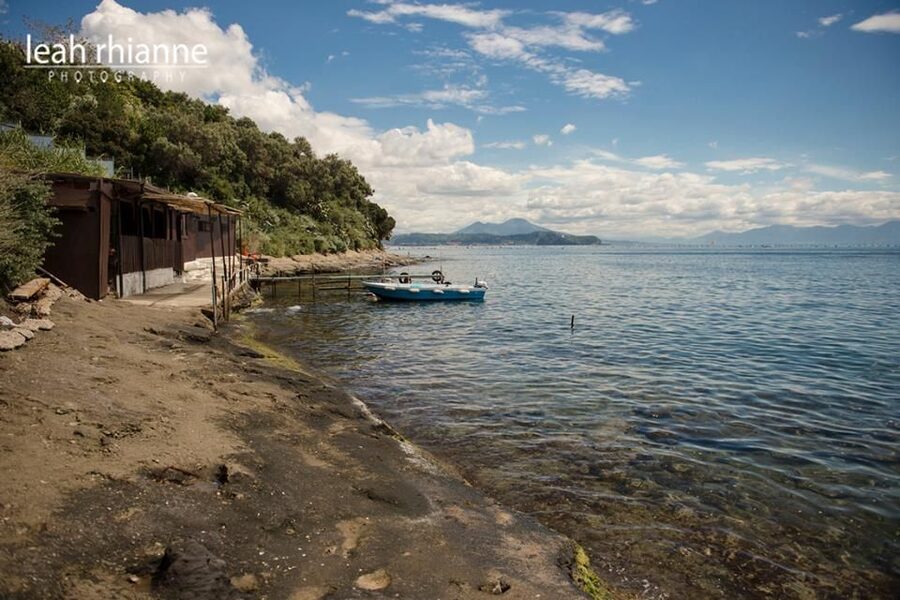
Naples gets all the spotlight, but Campi Flegrei (also called the Phlegraean Fields) is its own story. This area sits on a volcanic foundation, and you can feel that in the terrain. Add Roman ruins scattered through it, and suddenly you’re looking at a landscape that’s both dramatic and meaningful.
What I like about doing it this way is that the route is built around variety. You get port and ruins, then you shift into lake-and-coast scenery, then end up at the thermal baths area. Even if you’ve seen photos before, the day has a “now we’re really here” rhythm.
The classic Fiat 500/600: part transport, part experience
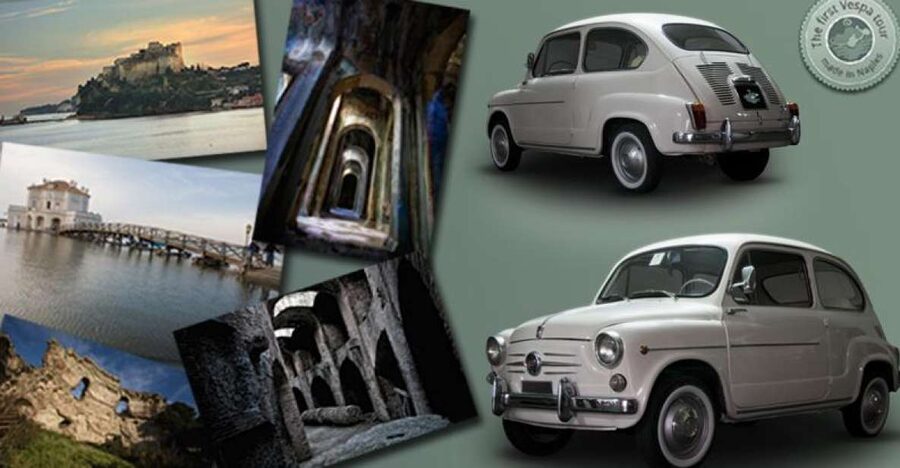
This tour is done in a classic Fiat 500 or Fiat 600, both famous Italian icons. The Fiat 600, especially the Fiat 600 D, is described as a symbol of 1960s economic growth, and the design is credited to engineer Dante Giacosa. That matters because it’s not just a cute car. You’re driving a piece of modern Italian history.
In plain terms: you’ll cover ground without fighting Naples traffic stress, and you’ll also get those nostalgic, passing-glance moments from locals who remember these cars. It’s also a good match for a first-time day out of the city—less time figuring things out, more time paying attention.
Pickup and the “private group” advantage for real touring
You’re picked up and dropped off at your hotel or wherever you want in Naples (including the train station or port). If you’re on a cruise, that is a major point in the tour’s favor, because it avoids the usual scramble.
The recommended group size is 2 people, with availability up to 3. That smaller number makes the guide’s role more effective: questions are easier, pacing is smoother, and you’re more likely to get a route that fits your energy level. It also helps you enjoy the drive, since the day isn’t crowded.
The 5-hour route, stop by stop: what each place gives you
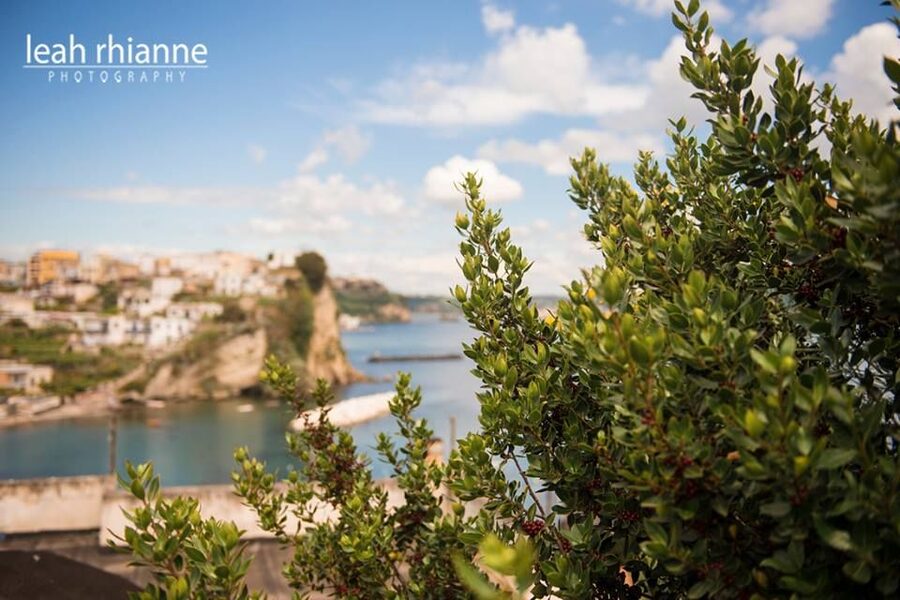
The day is built as a connected loop through the western part of the Phlegraean area. Here’s how to think about each stop and what you’re aiming to notice.


Pozzuoli Port: your launching pad into the Phlegraean area
You start at Pozzuoli Port, which is a smart first move because it sets the tone right away: you’re in the Naples orbit, but you’re already moving toward the volcanic and Roman core of Campi Flegrei. Use this moment to get your bearings and camera ready—your next stops shift from water-adjacent scenes to inland ruins and lakes.
Also, this is a good place to ask your guide how they see the day shaping up. A great guide can help you focus on what matters, especially when multiple sites are close together.
Serapide Temple: Roman ruins with myth in the background
Next up is Serapide Temple. Even if you don’t know every architectural detail, the value here is how it anchors the Roman layer of the Phlegraean story. Your guide will share myths and legends along the route, and this is exactly the kind of site where those stories start to make sense in your head.
Practical tip: bring your eyes for shape and setting. The temple ruin is more about atmosphere than ticking off a checklist.
Anfiteatro Flavio: a major Roman stage, handled efficiently
Then comes Anfiteatro Flavio (an amphitheater), with entrance tickets included and skip-the-ticket-line access. This is where the tour saves you time in a way that’s actually useful. With ruins and multiple stops, cutting friction matters.
What you’ll enjoy most is the context your guide brings: how this Roman space fits into the wider Phlegraean area. If you only have a few hours, you want the kind of explanation that makes you feel you’re understanding the site instead of just looking at it.
Lake Lucrino: volcanic lakes as the emotional scenery break
After the heavier Roman stops, the tour shifts toward water: Lake Lucrino. The Phlegraean Fields are described as being from a vast volcanic origin, and these lakes are part of that feel. They’re a change of pace—less about stone and more about mood.
This is also where you’ll likely start connecting geology to story. Your guide’s job is to help you see why this region keeps turning up in ancient accounts.
Monte Nuovo: the view stop that explains the area’s volatility
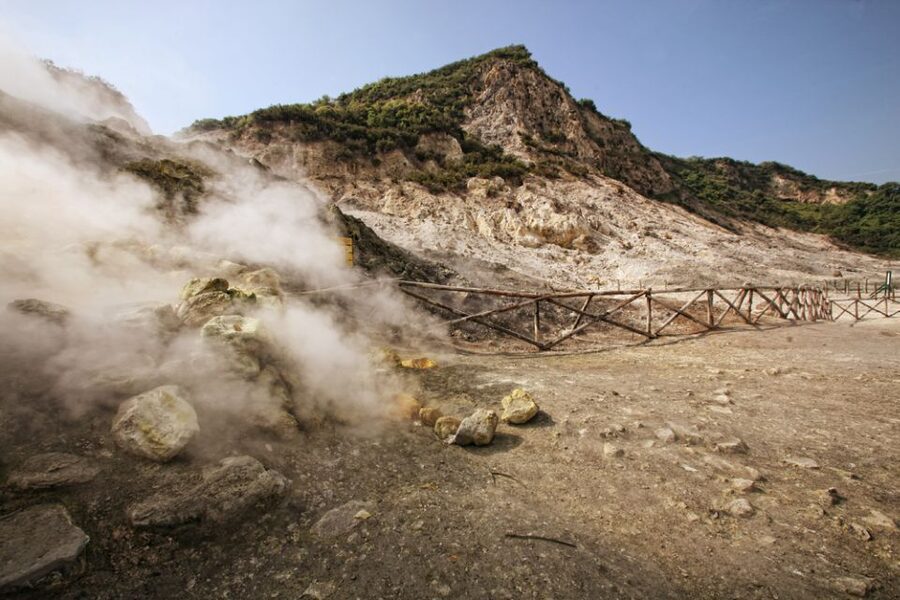
Monte Nuovo is a key point for people who like understanding the “why” behind the scenery. Even without a lecture, the name signals a volcanic event tied to the area. The tour format helps here because you’re moving through the region in a sequence, not jumping around on your own.
If you’re the type who enjoys photo stops, this is a good place for it. Just don’t rush. Let the scale of the area land.
Lake Avernus: the myth-friendly lake stop
Next is Lake Avernus. From the tour description, it’s one of the “myths and legends” stops in the volcanic-and-ancient mix. A lake like this tends to spark old stories, and that’s exactly what the guide discussion is designed to bring to life.
In practice: take a slow walk where you can and use your guide’s narration as your lens. You’ll get more out of it.
Bacoli’s Bay and Bacoli: coastal atmosphere with a Roman backdrop
Then you move into Bacoli’s Bay and Bacoli. This is where the day starts to feel like a real slice of the area, not just a list of monuments. The tour keeps the pace manageable, letting you enjoy the coast while staying connected to the broader Phlegraean theme.
If you want “Italy day trip” moments, this is one of them. You’ll get sea views and time to reset before the thermal area.
Baia Castle: a photo-worthy pivot point
Baia Castle is positioned as a pivot in the day. It’s an opportunity to look outward—toward water and distance—and understand how these sites relate to each other across the region. For many people, this is a turning point: you start to see Campi Flegrei as one interconnected zone rather than scattered attractions.
Terme di Baia: thermal baths with real-world included entry
Now you reach Terme di Baia, with tickets included. This is one of the standout “big purpose” stops because thermal baths are a natural draw in any Roman-influenced region, and the tour description emphasizes the area’s volcanic origin and impressive historical significance.
You’ll get inside access rather than just looking from afar, which is a win when you only have 5 hours. Plan to spend enough time here to absorb the setting, not just take a couple pictures and move on.
Cape Miseno: the coast widens, and the day breathes
Cape Miseno is a coastal widening moment. It’s another place where the guide’s explanations can connect the dots between volcanic features and maritime scenery. You’ll likely enjoy the change from dense ruins to open sightlines.
If you’re traveling with someone who likes scenery as much as monuments, this stop helps keep everyone happy.
Lake Fusaro and Casina Vanvitelliana: the final poetic note
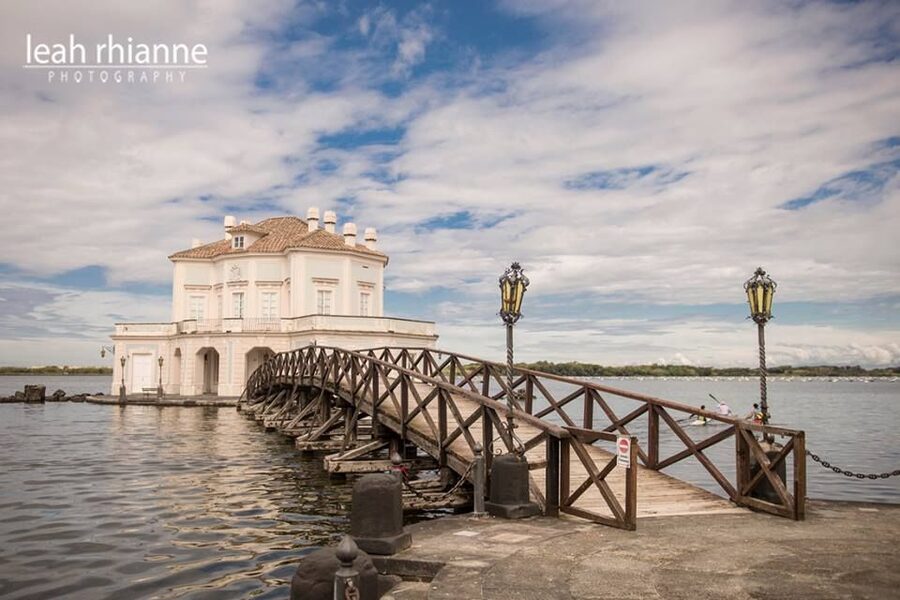
The tour ends with Lake Fusaro and Casina Vanvitelliana, again with included entry and skip-the-line benefits. This pairing feels like a finale because it combines natural calm (the lake) with a specific landmark structure (the casina).
The Casina Vanvitelliana stop is especially valuable because the tour includes the ticket and handling. It’s the kind of site that can be visually rewarding without requiring you to hunt down logistics on your own.
Value check: is $339.86 per person worth it?
Let’s be practical. At $339.86 per person for a 5-hour private tour, you’re paying for:
- a private classic Fiat experience (500 or 600)
- a private authorized guide/expert driver
- included entrance tickets at Anfiteatro Flavio, Terme di Baia, and Casina Vanvitelliana
- hotel/port pickup and drop-off
- fuel and third-party insurance
If you were to cobble this together yourself, you’d likely spend time booking transport, tickets, and figuring out an efficient order. The tour is designed to reduce that friction. And because it’s a private group limited to around 2–3 people, the cost tends to feel less painful than “group bus” sightseeing where you can’t get personal help.
The best value angle here is the combination of logistics + interpretation. In five hours, getting Roman sites plus volcanic scenery plus thermal baths with a guide is exactly the kind of concentrated day that saves energy.
Who this tour fits best (and who should consider alternatives)
This tour is a strong fit if you want:
- a classic Fiat experience, not just a drive-by
- a guide who can explain myths and legends as you move between places
- a single day covering multiple Phlegraean highlights without stress
It’s less ideal if:
- you want lots of free time at each stop with no guidance
- you dislike any walking on uneven surfaces
- you prefer a more academic, lecture-heavy pace (the format here is built for storytelling and sightseeing flow, not long classroom sessions)
Tips that make your day smoother
A few small things matter with this type of route:
- Wear comfortable shoes. You’ll be moving between sites.
- Bring sunglasses and plan for sun and glare.
- Bring a camera. The lake-and-coast moments are great, and you’ll want shots of the Roman sites.
- If you’re sensitive to walking on uneven ground, take your time at each stop and ask your guide for the easiest viewing spots.
Language coverage is good: the live guide can work in Spanish, English, French, or Italian, which helps a lot if you want the day narrated clearly, not guessed at.
A real measure of quality: safety and the guide-driver team
One of the most convincing parts of this experience is the pairing of a guide and a driver. In real-world terms, that means you spend the day focusing on sights instead of coordinating. In at least one case, the guide was Alberto and the driver was Luigi, and the experience was described as safe and carefully handled. That’s exactly what you want when you’re exploring multiple areas in a smaller vintage vehicle.
Should you book the Phlegraean Fields Fiat 500/600 tour?
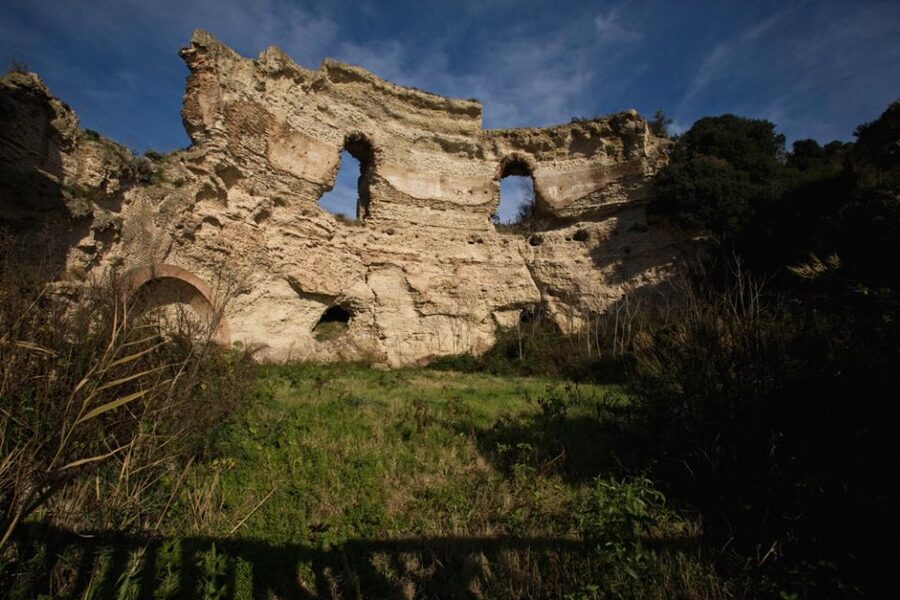
I’d book it if you want a day that combines Roman ruins, volcanic lakes, thermal baths, and coastal views—all in a compact 5-hour window with pickup/drop-off done for you. The private size, classic car vibe, and included skip-the-line entries at the major sites add up to a good day value, especially if you’re limited on time in Naples.
I wouldn’t book it if you’re craving long stays at one site, or you’re expecting a fully “no walking” tour. But if you’re in the right mindset—comfortable shoes, camera in hand, ready for stories while you ride—this is one of the more memorable ways to do Campi Flegrei.
FAQ
FAQ
How long is the Phlegraean Fields Fiat tour?
The tour lasts 5 hours.
What sites are included during the 5-hour route?
The stops listed include Pozzuoli Port, Serapide Temple, Anfiteatro Flavio, Lake Lucrino, Monte Nuovo, Lake Avernus, Bacoli’s Bay, Baia Castle, Terme di Baia, Bacoli, Cape Miseno, Lake Fusaro, and Casine Vanvitelliana.
Is pickup and drop-off included in Naples?
Yes. Pickup and drop-off are included at your hotel or wherever you desire in Naples, and pickup is also available at the train station or port.
Are entrance tickets included?
Yes. Entrance tickets are included for Anfiteatro Flavio, Terme di Baia, and Casina Vanvitelliana, with skip-the-ticket-line access.
What language options are available for the guide?
The live tour guide is available in Spanish, English, French, and Italian.
How many people is the tour for?
The recommended number of participants is 2 people, with availability for up to 3 people. Larger groups may be available upon request.
What should I bring?
You should bring comfortable shoes, sunglasses, and comfortable clothes (plus a camera, which is recommended).
More Tours in Naples

More Tour Reviews in Naples

More Naples tours, freshly reviewed



Tours, compared.
 ★ 4.8Pompeii: Entry Ticket and Guided Tour with an ArchaeologistFrom $3519,459 reviews
 ★ 4.7Sorrento, Positano & Amalfi – Small Group TourFrom $8514,599 reviews
 ★ 4.8Pompeii: Small Group Tour with an ArchaeologistFrom $4012,264 reviews
 ★ 4.3Pompeii Ruins & Mount Vesuvius Day TourFrom $12011,459 reviews
 ★ 5.0Sorrento, Positano & Amalfi Coast – Small Group TourFrom $768,643 reviews
 ★ 4.6Catacombs of San Gennaro Entry Ticket & Guided TourFrom $157,941 reviews
★ 5.0Pompeii Small Group Tour with an ArchaeologistFrom $356,593 reviews
★ 4.6Catacombs of San Gennaro Entry Ticket & Guided TourFrom $157,941 reviews
★ 5.0Pompeii Small Group Tour with an ArchaeologistFrom $356,593 reviews
 ★ 4.9Downtown Tour with Veiled Christ & St Clare TicketsFrom $576,462 reviews