Review · NAPLES
Diving at the Baia Submerged Park for certified divers
A sunken city is within arm’s reach. This Baia Submerged Park outing near Naples takes certified scuba participants to an ancient underwater world in less than 5 minutes by boat, with about an hour underwater and real archaeolog y to boot.
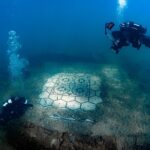
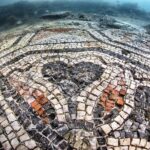
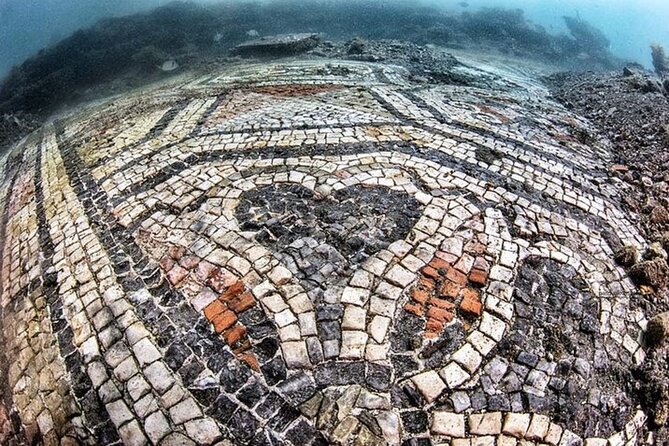
What I like most is the calm, practical pre-scuba briefing. Guides like Alessandro, Carlo, and Andrea explain what you’ll see and how to handle the water with patience, and that matters a lot if you get the jitters. I also love the payoff once you’re down: mosaics, an underwater sauna, and even a friendly octopus nicknamed Billy.
The main consideration is that you need at least Junior Open Water (or Scuba Diver) certification, and the day still depends on good weather.
In This Review
- Key things that make this Baia scuba outing worth it
- Why Baia Submerged Park feels like a sunken city tour
- Price and value: what $99.94 covers (and what costs extra)
- Meeting at Bacoli: how the 2.5-hour schedule moves
- Gear, briefing, and safety: the guides who earn trust fast
- Sunken-city route: from Tempio di Venere to Terme di Baia
- Underwater highlights: mosaics, a sauna, and marine life up close
- Depth, comfort, and certification: who this fits best
- Best time to go (and how to pair it with Naples-area plans)
- Should you book this Baia scuba outing?
- FAQ
- What scuba certification do I need for Baia Submerged Park?
- How long is the underwater portion?
- What’s included in the price?
- Do I need to bring my own scuba equipment?
- How many people are in the group?
- What happens if the weather is bad?
Key things that make this Baia scuba outing worth it
- Small group size (max 5) keeps the pace relaxed and support personal.
- Short boat transfer: a dinghy/rig ride of only a few minutes to the sunken site.
- Modern, well-kept gear and a safety-first tone from guides such as Alessandro and Carlo.
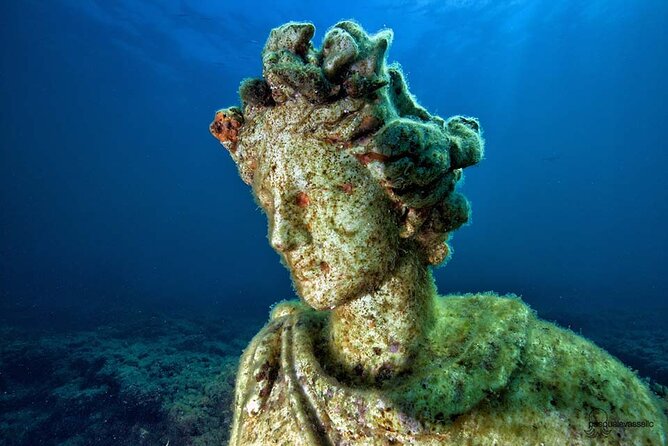
- Underwater archaeology highlights, including mosaics and an underwater sauna.
- Guides who help with nerves, with gentle encouragement noted repeatedly in feedback.
- Showers and changing rooms after you return, so you’re not stuck planning your day damp and salty.
Other Naples outings worth a look before you book
- Try Scuba Diving and Underwater Roman Ruins in Baia from Naples★ 4.5 · 66 reviews
- Diving at the Baia Submerged Park for certified divers★ 5.0 · 11 reviews
Why Baia Submerged Park feels like a sunken city tour
Baia isn’t just “something underwater.” It’s a place where ruins are part of the seascape, and the staff approach makes that easier to understand. You’re not rushed through a checklist—you get a history-and-what-you’ll-see briefing first, then you head out quickly to the site and spend time with the underwater remains.
The setting also has a nice “right-sized” feel. You’re out of the way of long travel bottlenecks, and the schedule stays tight: equipment, briefing, short ride, about an hour in the water, then back to freshen up. That makes it a good choice if you want an unforgettable underwater experience without eating the whole day.
Price and value: what $99.94 covers (and what costs extra)
At $99.94 per person, the value is mostly in what’s included rather than what you have to add later. Your price covers scuba equipment use, transport by rib to the area, an archaeological park entrance ticket, insurance, and a scuba guide. You also get showers and changing rooms, plus all fees and taxes.
That package matters because it removes the usual Naples-area headache: matching schedules with boat operators, finding gear, and worrying about insurance coverage. Here, it’s all tied together into one plan.
What’s extra is mainly food. Lunch can be booked on request at a partner restaurant for €35, and that meal includes a set sequence: multiple appetizers (10), a first course, a second course, dessert, water, and wine. You can either roll straight into lunch after your return or keep it light and go find pizza in Bacoli or Pozzuoli.
One more quiet value point: they run this for small groups, and the average booking window is about 25 days ahead. That suggests limited slots, so the sooner you lock in dates (especially if you’re traveling in shoulder season), the less likely you’ll get stuck with an inconvenient time.
Meeting at Bacoli: how the 2.5-hour schedule moves
Your meeting point is Via Lucullo, 106, 80070 Bacoli (NA), Italy, and the experience ends back there. Total time is about 2 hours 30 minutes (approx.), and the structure is simple.
Here’s the flow you should expect:
1) You arrive at the scuba center roughly one hour before the start.
2) Equipment is provided and you get a pre-scuba briefing.
3) Then you move just a short walk to the boat (a dinghy/rig right near the center).
4) The transfer to the sunken area is less than 5 minutes by boat.
5) You’ll spend about an hour underwater.
6) Back on land, you can use the facilities and get out of wet gear mode fast.
Why this timing matters for you: it keeps your day from turning into a half-day of waiting. It also gives you enough buffer to get comfortable—fitting gear, going over procedures, and asking questions—before the boat heads out.
Gear, briefing, and safety: the guides who earn trust fast
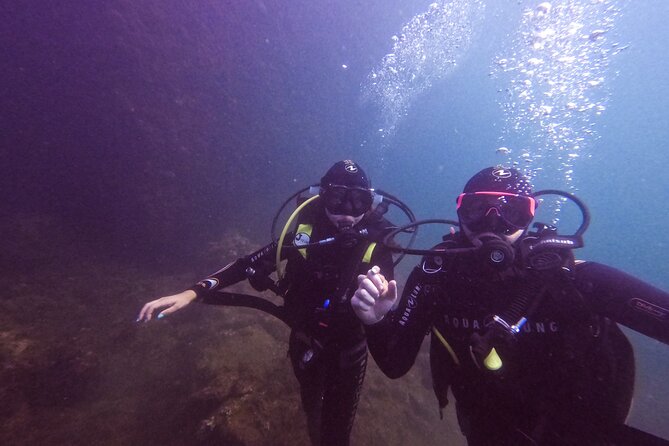
This experience has a strong “you’re in good hands” vibe because the team focuses on clarity and calm. Multiple feedback points stress that the briefing is easy to follow and goes step-by-step, covering both safety basics and what you’ll see underwater. That combo reduces the mental load when you’re already managing buoyancy.
The staff names showing up in feedback are a big clue about the tone:
- Alessandro is repeatedly praised for gentle support and reassurance, including helping someone overcome a panic response.
- Carlo is highlighted for a detailed, clear briefing that still feels calming rather than intense.
- Andrea shows up in feedback for expert boat management, which is more important than people realize when you’re trying to relax before you go down.
Equipment is another practical win. The notes you get on the quality are straightforward: modern, well maintained, and fully functional. That makes your time in the water more about the underwater world and less about fiddling with gear.
If you’re someone who worries about doing everything right, take comfort in this: the team doesn’t treat nerves like a problem. They treat them like information. The best thing you can do is show up honest about how you’re feeling and ask for reassurance up front.


Sunken-city route: from Tempio di Venere to Terme di Baia
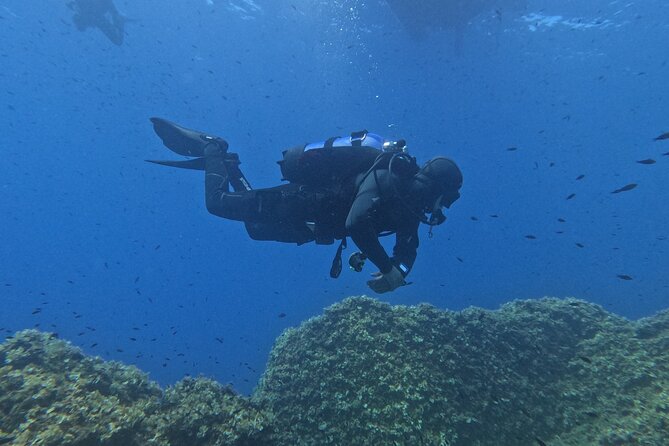
The outing is built around a sequence of named stops tied to the Baia area’s heritage. Even if you’re not a deep archaeology nerd, the way the staff frames it helps you connect the dots underwater.
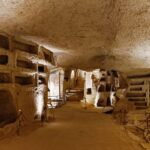
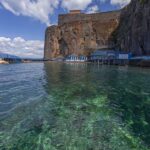
You’ll cover points including Tempio di Venere, Castello Aragonese di Baia, Rione Terra, Pozzuoli, Monte Nuovo, Campi Flegrei, and the Vesuvius National Park area in the broader context of where you are. Then you’re connected directly back to the underwater heritage side through stops such as the Centro Visite AMP Parco Sommerso di Baia and Baiae, and finally admission linked to the Parco Archeologico delle Terme di Baia.
How to think about these stops while you’re on the water: they help you treat the underwater ruins like a story, not random rock formations. The names you hear on the boat and during the briefing put the underwater remains into a map of place and time.
One drawback to keep in mind: the underwater time is limited (about an hour), so you’re not doing a long, wandering exploration. This is a guided, concentrated experience. If you want to linger for hours and chase every crack and mosaic tile with slow-motion curiosity, you may feel a little time-crunched. For most people, though, the pacing is part of the charm.
Underwater highlights: mosaics, a sauna, and marine life up close
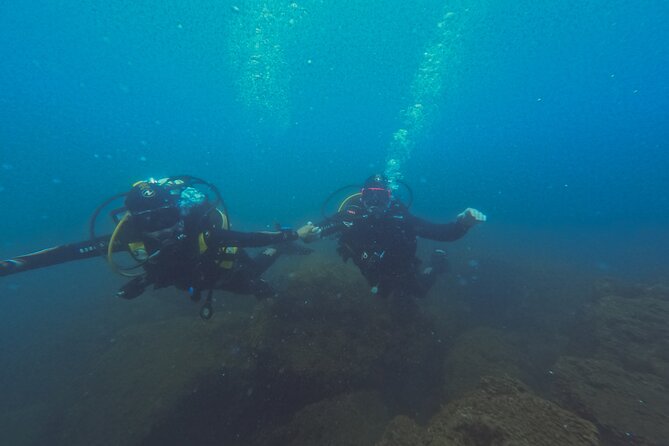
The underwater payoff is the big reason to pick this outing. In feedback, the most repeated “wow” details aren’t vague. They’re specific.
Expect to encounter:
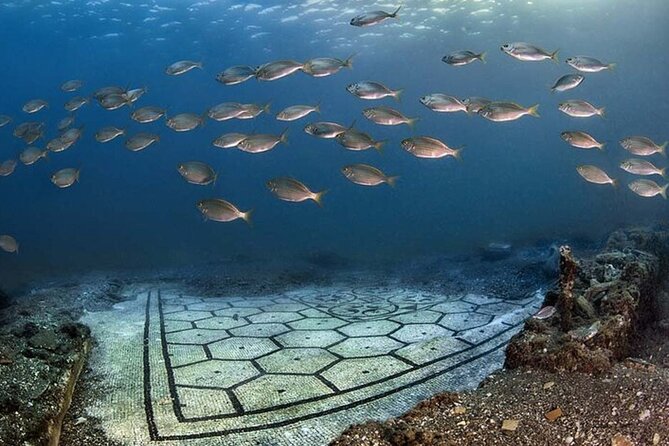
- Underwater mosaics that can look surprisingly clear once you’re down.
- An underwater sauna, which is unusual enough that it’s worth going just for the novelty.
- Marine life alongside the ruins. One person even called out meeting an octopus named Billy.
That mix—archaeology plus living ocean—creates a different kind of experience than you get with a pure reef spot. It’s not only about seeing shapes. It’s about feeling how people once lived here, and then noticing how the sea now shares the same space.
Depth and ease are also practical. One recent session described about 45 minutes of bottom time at around 5 meters depth, which the group found easy and enjoyable. Depth can vary by conditions and planning, but the overall impression from feedback is that this is not an extreme challenge for a properly certified participant.
And yes, the emotional moments are real. One couple used the setting to help make a marriage proposal happen in a way that felt out of the ordinary, with staff support. Even if you’re not planning a big moment, it tells you something about how the guides handle special requests with care.
Depth, comfort, and certification: who this fits best
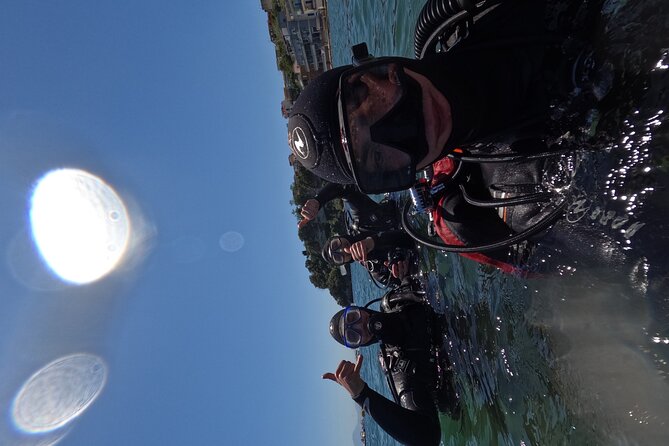
This is clearly designed for certified scuba participants. The minimum certification level is Junior Open Water Diver or Scuba Diver. If you’re below that, you’ll need a different type of course or a non-certified introductory activity.
Who I think will enjoy it most:
- You’re comfortable in scuba gear and want a guided underwater route with context.
- You like structure: briefing first, then a focused underwater window.
- You’re curious about underwater archaeology but don’t want to spend a year training for it.
If you’re nervous, you’re not alone. Multiple notes point to guides who help you relax through calm coaching. The key is that you need to communicate your comfort level before you go down. The best results come when you let the team help you pace your breathing and attention.
One more practical point: the group limit is up to 5 travelers. That small number matters when you’re learning to trust your setup. More hands-on support usually means fewer surprises.
Best time to go (and how to pair it with Naples-area plans)
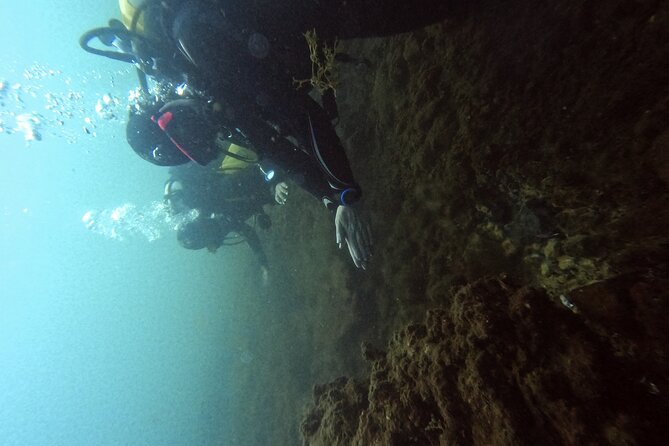
This outing can work in November, and that’s a big advantage if you’re traveling when many summer-only water activities shut down. That said, it still requires good weather. If conditions turn, you’ll be offered a different date or a full refund, so you’re not locked into a bad day.
Pairing ideas:
- Before: plan a relaxed half-day around Bacoli or nearby Pozzuoli so you arrive at check-in feeling human.
- After: grab lunch at the optional partner restaurant if you want everything handled, or head out for something simple and local.
Because the schedule returns you to the meeting point, you can also plan a second act in Naples without the stress of being stuck out at sea the whole evening.
Should you book this Baia scuba outing?
Book it if you want underwater archaeology with modern organization. The combination of clear briefings, patient guidance (Alessandro, Carlo, Andrea), and specific highlights like mosaics, an underwater sauna, and even Billy the octopus makes it a strong value for your time and money.
Skip it if:
- You don’t have the required scuba certification.
- You’re hunting a long, self-led underwater exploration. This is guided and time-limited.
- You’re trying to travel on the edge of bad weather with no flexibility. Good conditions matter here.
If you’re a certified scuba participant heading to Naples and you want something that feels genuinely different from standard reef spots, this is one of the most memorable ways to spend a few hours on the Bay.
FAQ
What scuba certification do I need for Baia Submerged Park?
You need at least Junior Open Water Diver or Scuba Diver certification.
How long is the underwater portion?
The underwater portion is about an hour, with the full experience lasting about 2 hours 30 minutes total.
What’s included in the price?
The price includes scuba equipment, transport with rib, archaeological park entrance ticket, insurance, a diving guide, showers and changing rooms, and all fees and taxes.
Do I need to bring my own scuba equipment?
No. Scuba equipment use is included.
How many people are in the group?
This activity has a maximum of 5 travelers.
What happens if the weather is bad?
The experience requires good weather. If it’s canceled due to poor weather, you’ll be offered a different date or a full refund.