Review · NAPLES
Discover Scuba Diving in the Bay Submerged Park
Roman ruins under your own air tank.
This first-time scuba session in Naples’ Baia Submerged Park pairs a careful classroom setup with real underwater archaeology, including statues and mosaics, plus the chance to see fish. I especially liked the small-group feel and the way the instructors keep close support, so you’re not guessing what to do. The main trade-off is simple: it’s weather-dependent, and the underwater time is fixed, so you won’t control how long you’re in the water.
I also like how the experience is built for beginners from the start: you get a medical form to help flag any issues, a short e-learning module you can revisit, and a theory briefing on equipment and water behavior. Your underwater visit runs about 45 minutes, with the rest of the ~3-hour outing focused on getting you ready and getting you safely back out. If you have severe respiratory disorders, this likely isn’t the right fit.
In This Review
- Key Highlights You’ll Actually Notice
- First-Time Scuba in Baia: What Makes This Experience Different
- The 3-Hour Flow: From Medical Form to 45 Minutes Underwater
- Meet the Team: Instructor Support That Keeps You Calm
- The Baia Submerged Park Route: What Those Stops Mean for Your Day
- Tempio di Venere
- Castello Aragonese di Baia Napoli
- Rione Terra
- Pozzuoli
- Monte Nuovo
- Campi Flegrei
- Vesuvius National Park
- Centro Visite AMP Parco Sommerso di Baia
- Baiae
- Parco Archeologico delle Terme di Baia
- What You’ll See Underwater: Mosaics, Statues, and Fish
- Gear, Comfort, and the Little Things That Help
- Price and Value: Is $108 a Good Deal?
- Who Should Book This, and Who Should Skip It
- Tips to Get the Most Out of Your First Scuba Session
- Should You Book This Baia Submerged Park Scuba Experience?
- FAQ
- FAQ
- What is included in the scuba equipment?
- How long is the underwater portion?
- Do I need a certification to participate?
- Are children allowed?
- What should I do before I arrive?
- Will instructors stay close to me during the underwater activity?
- Is there any health condition that could affect participation?
Key Highlights You’ll Actually Notice
- Small maximum group size (4 travelers) makes it feel calm instead of rushed.
- Hands-on beginner coaching: instructors stay right beside you for support.
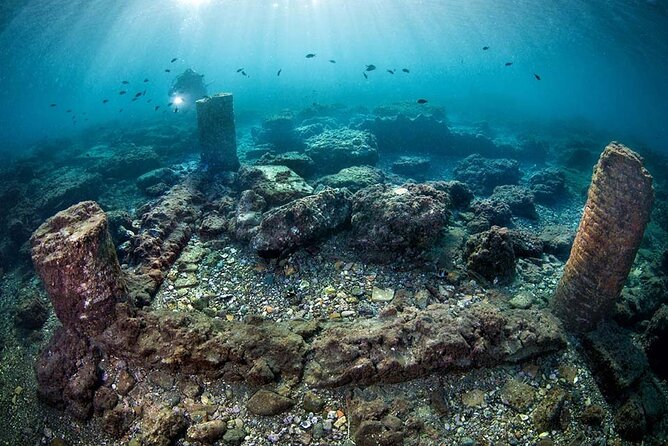
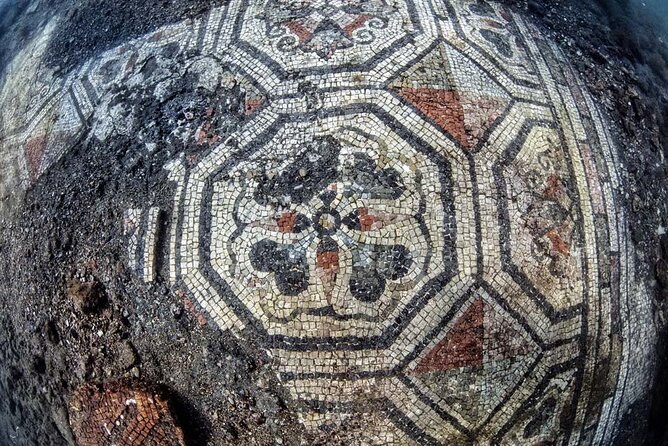
- Baia Submerged Park scenery: statues and colorful, plus black-and-white, mosaics in underwater ruins.
- A full setup for first-timers: medical form, e-learning you keep, and a theory session before you enter the water.
- 45 minutes underwater plus boat transfer, showers, and post-session refreshments.
Other Naples outings worth a look before you book
- Try Scuba Diving and Underwater Roman Ruins in Baia from Naples★ 4.5 · 66 reviews
- Diving at the Baia Submerged Park for certified divers★ 5.0 · 11 reviews
First-Time Scuba in Baia: What Makes This Experience Different
This is not a “throw you in and hope” kind of experience. It’s designed as a first scuba check for people who are not certified, and that matters because your first instincts underwater should be on breathing and basic control—not on figuring out the gear or the rules.
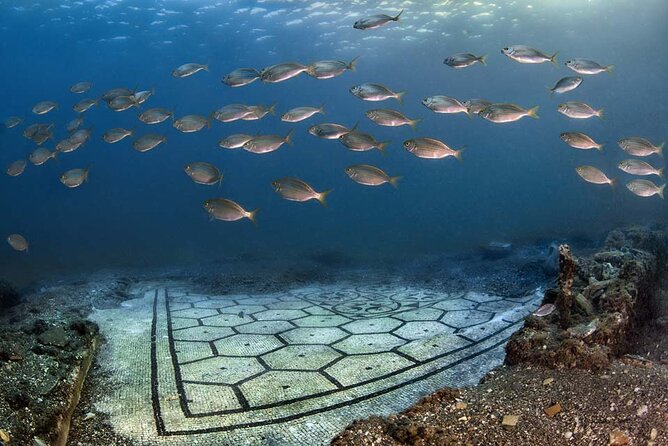
The underwater setting is also a big part of why this works so well. Baia’s submerged area is more than scenery. You’re not just looking at rocks; you’re looking at archaeological structures from the Roman city of Baia, plus statues and mosaics. And when the conditions cooperate, the marine life can be a fun bonus—one review straight-up highlights seeing lots of fish.
The other thing I like is that the instructors don’t treat you like a passenger. The team stays near you during the activity. That kind of constant support can reduce that first-time panic and let you actually look around instead of bracing for what comes next.
The 3-Hour Flow: From Medical Form to 45 Minutes Underwater
Plan on about 3 hours total. That total includes the prep work, the boat transfer to the water, the instructor-led theory, and the time you spend underwater.
Here’s how the day is structured, in practical terms:
First, before you arrive, you’ll receive a medical form to assess whether you need a medical exam before participating. That’s a real safety step and not just paperwork. You’ll also get a short e-learning module in advance—something you can use anytime before your session.
Then you’ll get a theoretical lesson right before going in. The goal is to give you the basics: how the equipment works, and how you should behave in the water so the experience stays comfortable and controlled. For first-timers, this is where you build the confidence that makes the 45 minutes feel enjoyable instead of technical.
After that briefing, your underwater time is about 45 minutes, in the Baia Submerged Park. In other words, you should treat the water part as the main event, but also expect the day to be front-loaded with prep so you can enjoy the underwater archaeology without stress.
Meet the Team: Instructor Support That Keeps You Calm
One of the most praised parts of this experience is the people running it. Reviews call out staff who are friendly and help you with everything, and the reassurance is consistent: you’re not left alone with the gear.
In one standout review, the guest credits Alessandro and Andrea for guidance at every step. That detail matters, because it suggests the coaching is not just a quick checklist. You get instructions, then you get help while the experience is happening.
The experience description also notes that instructors will stay by your side and hold your hand for the duration of the activity. Even if you’re a confident swimmer, that kind of support changes how you experience your first underwater moments. You spend less time worrying about your equipment and more time paying attention to the ruins and the marine life around you.
The Baia Submerged Park Route: What Those Stops Mean for Your Day
The route includes multiple points around the Baia area, with the underwater focus on the Baia Submerged Park. Since the tour includes a boat transfer, you should think of these “stops” as part of the scenic route and the setup for where you’ll actually do the underwater viewing.
Here’s how I’d interpret each itinerary stop for what you’ll likely feel during the experience:
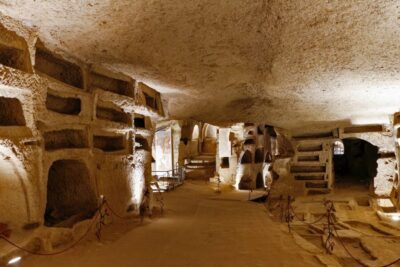
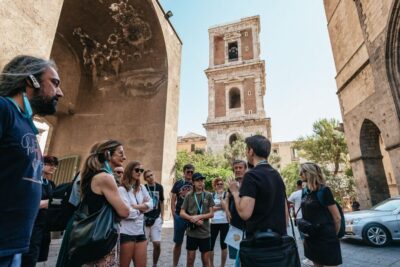



Tempio di Venere
This is the first named stop, and it signals that the route is centered on the Roman-era Baia area. Expect this portion to set the context for what you’ll be looking at underwater—ruins and structures connected to the Roman landscape.
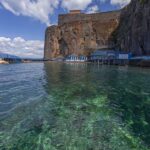
Castello Aragonese di Baia Napoli
This is another landmark stop during the overall route. Even without technical explanations in advance, stops like this typically help you build orientation before you’re focused on what’s down underwater.
Rione Terra
Rione Terra comes next. In a day like this, it’s helpful: it’s one more visual reference point so you can picture where the underwater park sits relative to the bay.
Pozzuoli
This stop continues the theme: you’re traveling through the wider bay area while the schedule moves you toward the submerged archaeology. It’s a good reminder that this is both a small adventure and a sightseeing day.
Monte Nuovo
At this point in the itinerary, you’ll likely start to feel the contrast between land views and what you’ll see beneath the water. It’s a nice psychological shift for first-timers: you’ve been watching above the water, and now you’re going to experience the underwater structures.
Campi Flegrei
This stop broadens the setting further to the Campi Flegrei area. For you, the main value is scale: you’re not just doing one small activity—you’re exploring a special coastal zone that’s connected to volcanic landscapes and historic settlement patterns in the region (and you’ll be carried to the submerged archaeological area by boat).
Vesuvius National Park
Including Vesuvius in the route helps frame the bay’s dramatic geography. Practically, it’s a visual moment that breaks up the day before you settle into the underwater portion.
Centro Visite AMP Parco Sommerso di Baia
This is the point that connects the sightseeing route to the actual submerged park experience. It’s also the moment when your day becomes clearly focused on the archaeological underwater visit.
Baiae
Baiae appears as another core location in the itinerary. This is the name that ties everything together: your underwater time is centered on the remains of the ancient city area of Baia/Baiae.
Parco Archeologico delle Terme di Baia
This final named stop points straight at the archaeological focus. Since the experience includes statues and mosaics, and highlights ancient Roman structures, this stop name fits the theme of what you’ll be looking for underwater: man-made remains, not just natural features.
Small consideration: the itinerary has a lot of named stops in total, but your real “wow” moment is the underwater time. So if you’re expecting hours of time underwater, you’ll want to recalibrate. The format is designed for safety and instruction for first-timers, with about 45 minutes underwater as the highlight.
What You’ll See Underwater: Mosaics, Statues, and Fish
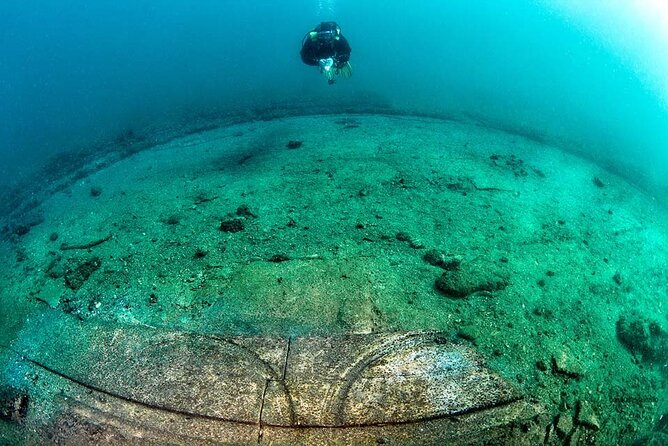
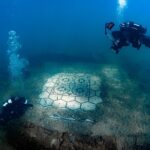
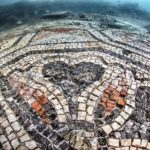
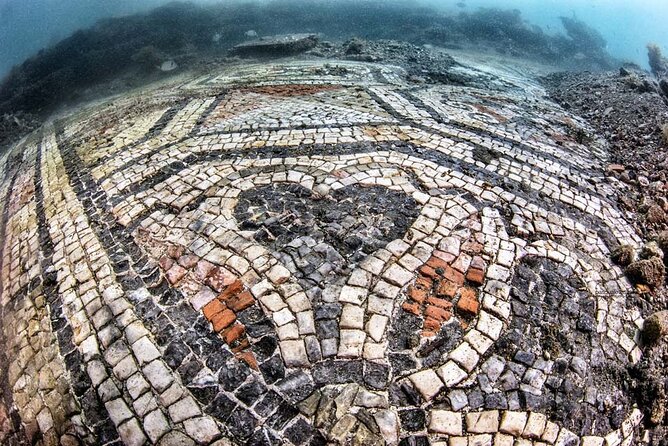
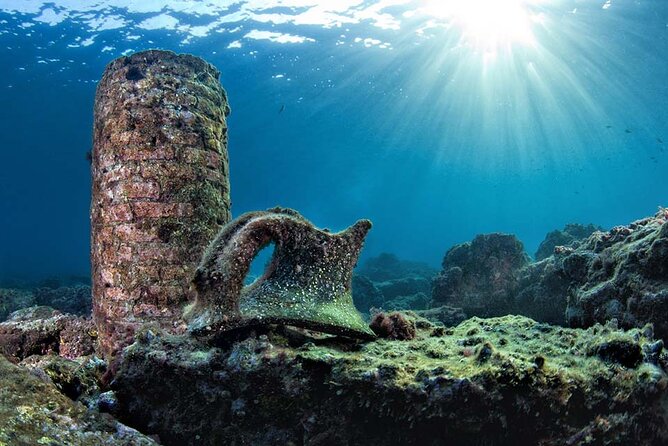
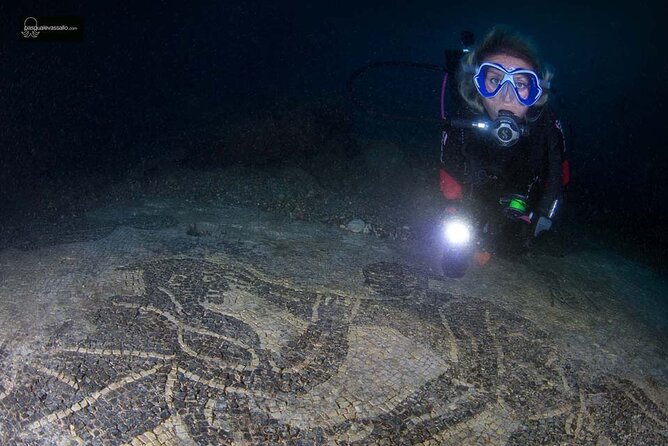
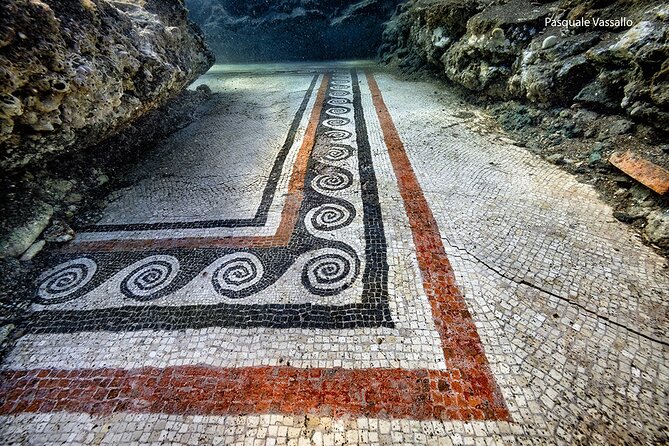
This is the part you’ll remember. In Baia’s submerged park, you can admire statues, colorful mosaics, and even black-and-white mosaics, along with ancient structures from the Roman city of Baia.
That variety matters. If you’re worried that underwater ruins will all feel similar, mosaics with distinct color tones (and the black-and-white patterns) create different visual moments. You’ll get to look at larger man-made shapes too, not just small fragments.
And then there’s the marine life. Reviews specifically mention seeing lots of fish. You can’t guarantee wildlife on every outing, but this is exactly the kind of environment where fish sightings are common enough that your instructor will likely encourage you to look around rather than stare only at the ruins.
Gear, Comfort, and the Little Things That Help
You’ll use SCUBA equipment provided as part of the experience. That’s the big convenience for beginners—you don’t need to source gear or figure out what’s compatible with your body or skill level.
Comfort details also help make this feel like a real tour and not a bare-bones activity:
- Showers and changing rooms are included, so you can rinse off and get comfortable after.
- You’ll get post-session refreshments, which makes the end of the trip feel complete.
- Transfer is handled by boat to the water spot, so you’re not stuck organizing transportation yourself.
There’s also a participation certificate included, described as valid toward a PADI Open Water course first requirement anywhere in the world. If you think you might progress beyond this first experience, that paperwork is a practical advantage.
Price and Value: Is $108 a Good Deal?
At $108.02 per person, this isn’t the cheapest thing in the area, but it’s also not overpriced if you look at what’s included for a beginner course-style activity.
You’re paying for:
- Equipment use
- A dedicated instructor
- The theory lesson before you enter the water
- Medical screening paperwork support (via the medical form process)
- E-learning that you can access forever
- Boat transfer
- Entrance ticket to the Baia Submerged Park
- Showers/changing rooms and post-session refreshments
- Participation certification related to PADI Open Water
Also, the maximum of 4 travelers is a value factor. Many coastal activities feel crowded, which can be stressful for first-timers. A small group usually means more direct attention from the instructor team, and that’s exactly what your review scores highlight.
Another practical note: this experience is commonly booked about 55 days in advance. That doesn’t automatically mean you should book far out, but it does suggest demand. If you’re traveling in peak season or during busy weekends, planning ahead keeps your odds better.
Who Should Book This, and Who Should Skip It
This experience is suitable for everyone as a first scuba test, including children from 10 years old and adults. If you’re a non-swimmer, you’ll still need to follow instructions carefully, but the coaching format is built specifically for people without certification.
You should also know the limit: it’s not recommended for travelers with severe respiratory disorders. If that applies to you, you’ll want to choose another activity and discuss medical considerations with a professional.
If you’re someone who enjoys history but doesn’t want a museum day, this is a strong fit. You’re essentially combining a guided underwater “look and learn” moment with Roman archaeological scenery. And if you’re the kind of person who gets nervous trying new activities, the constant instructor support helps.
Tips to Get the Most Out of Your First Scuba Session
Since this is your first in-water experience, your mindset matters more than you think. Here’s how to set yourself up:
- Do the e-learning before you go. It’s available forever, so you can revisit if you forget a step.
- Bring your questions to the theory lesson. That pre-water briefing is there for a reason.
- Listen for behavioral instructions. Your underwater comfort depends on basic habits taught before entry.
- Use the instructor closeness. The support is part of the design—if you need help, ask early.
- Expect a fixed underwater window. About 45 minutes underwater is the plan, so enjoy the time you have instead of counting down too early.
Also, this activity is in English. If you’re comfortable with English instructions, you’ll likely feel more relaxed during the lesson and underwater guidance.
Should You Book This Baia Submerged Park Scuba Experience?
I’d book it if you want a beginner-friendly underwater experience in a place where the visuals are built around Roman ruins, mosaics, and statues. The combination of a structured pre-lesson, a medical form process, and close instructor support makes it feel designed for first-timers, not just people with prior skills.
I would hesitate only if you’re sensitive to weather-based changes or if health concerns (especially severe respiratory issues) apply to you. Otherwise, the small-group format, the praised coaching (including guidance from Alessandro and Andrea), and the chance to see fish alongside underwater mosaics make this a practical, memorable choice in Naples.
FAQ
FAQ
What is included in the scuba equipment?
The experience includes use of scuba equipment, plus all fees and taxes. You also get boat transfer to the dive site area, showers and changing rooms, post-session refreshments, and entrance to the Baia Submerged Park.
How long is the underwater portion?
The underwater experience lasts about 45 minutes.
Do I need a certification to participate?
No. This is a first scuba test designed for people who are not certified.
Are children allowed?
Yes. The experience is suitable for children from 10 years old and adults.
What should I do before I arrive?
You’ll receive a medical form to assess whether you need a medical examination, along with a short e-learning module before the experience.
Will instructors stay close to me during the underwater activity?
Yes. Instructors will stay by your side and provide support during the activity.
Is there any health condition that could affect participation?
It is not recommended for travelers with severe respiratory disorders. The medical form process is used to assess needs before participating.