

Review · CASERTA ROYAL PALACE DAY TRIPS
Campania: Royal Palace of Caserta Guided Private Tour
One palace, and suddenly you get the scale of monarchy. The Royal Palace of Caserta turns that idea into something you can walk through in just 2 hours.
What I like most is that this tour is built for meaning, not just photos. You get private guidance through Bourbon Naples grandeur, with enough architectural context to make the rooms feel less random.
One catch: the palace is not suitable for wheelchair users, and there’s plenty of walking and stairs baked into the experience.
In This Review
- Key things to know before you go
- Royal Palace of Caserta: where Bourbon power looks physical
- How a 2-hour private tour makes the palace doable
- Meeting point at Piazza Carlo di Borbone and what to watch for
- Entering the atrium: the staircase that changes the mood
- Rococo and Neoclassic rooms: the decoration has a storyline
- Palatine Chapel: gilded rosettes and vaulted ceilings
- Royal apartments and the court theater: the palace as a working stage
- Guides make or break it: why Serena and Anna stood out
- Price and value: what $47 buys in real terms
- Who should book this tour (and who should be cautious)
- Should you book the Royal Palace of Caserta guided private tour?
- FAQ
- How long is the Royal Palace of Caserta guided private tour?
- Where do I meet the guide?
- Is skip-the-line admission included?
- What’s included in the price?
- What languages are available for the live guide?
- Is the tour suitable for wheelchair users?
- What’s the booking and cancellation flexibility like?
Key things to know before you go
- Skip-the-line admission so you spend time inside, not waiting
- 1,200 rooms (and a quick “best-of” route in 2 hours)
- The palace’s design story includes Luigi Vanvitelli and the 1751 Bourbon commission
- You’ll see the signature 116-step atrium staircase and a highlight chapel interior
- Expect a clear focus on Rococo + Neoclassic decoration
- The guides’ attention to detail is a major part of the value, including Serena and Anna
More of the palace and gardens at Caserta
- Caserta Royal Palace & Gardens Small Group Tour with Shuttle★ 5.0 · 320 reviews
- Campania: Royal Palace of Caserta Guided Private Tour★ 4.8 · 93 reviews
- Caserta Royal Palace Entrance Ticket★ 3.5 · 78 reviews
- Caserta Royal Palace: Day Trip from Naples★ 4.0 · 45 reviews
Royal Palace of Caserta: where Bourbon power looks physical
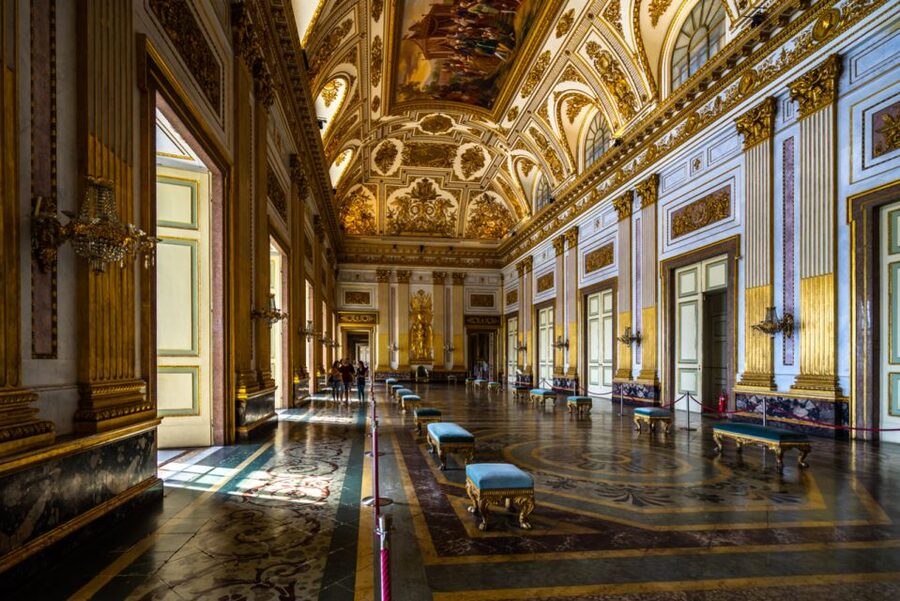
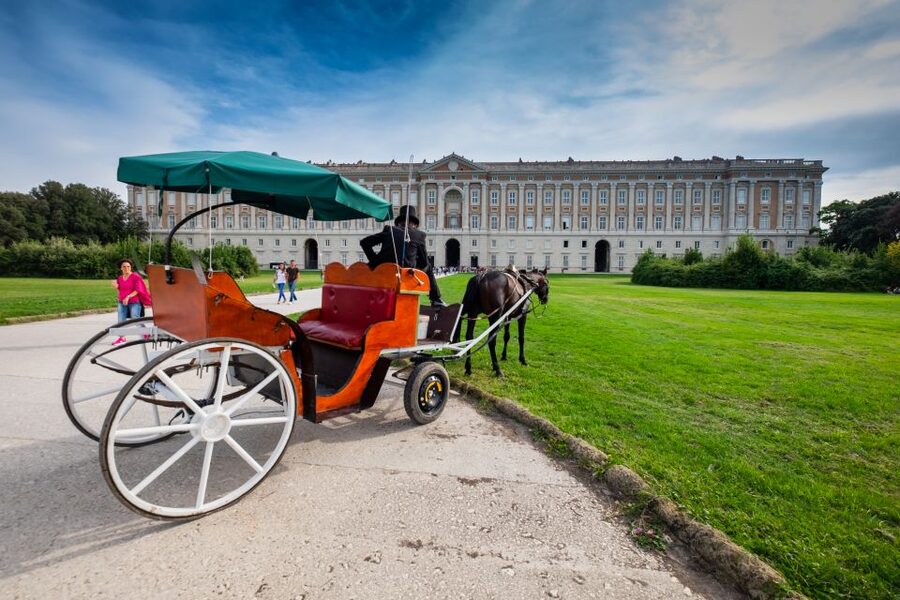
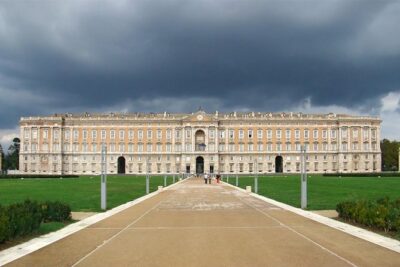
Caserta doesn’t feel like a normal museum building. It feels like a statement—big, theatrical, and engineered to impress. The palace was commissioned by King Charles of Bourbon in 1751, and architect Luigi Vanvitelli designed it to stand up to the great royal residences of Europe.
The numbers alone are useful for setting expectations. You’re dealing with 1,200 rooms connected by 34 staircases, lit by 1,970 windows. That’s so much space that if you wander without direction, you can easily end up seeing “pretty rooms” without understanding why they matter. This tour helps you keep your bearings fast and explains what you’re looking at.
I also like that the palace sits at the foot of the Campanian Subapennine mountain range. Even if you mostly stay indoors, Caserta’s setting reinforces the idea: this wasn’t built for convenience. It was built to project control, taste, and money.
How a 2-hour private tour makes the palace doable
The Royal Palace of Caserta can overwhelm you. That’s not a criticism of the palace—it’s just the truth. A full exploration would take a long time, and the palace is designed like a maze of connection. This is where the 2-hour duration earns its keep.
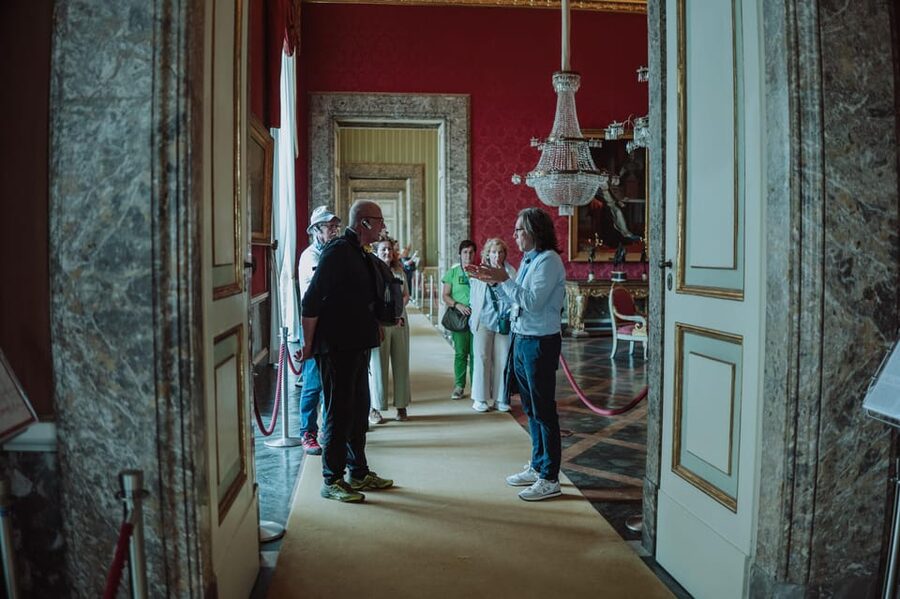
Instead of trying to cover everything, the guide leads you through a curated slice that hits major highlights. In a building with hundreds of rooms, you need someone to explain what’s essential and what’s just a side note. You’ll get that structure, plus the ability to ask questions while you’re standing right in the room.
This matters even more if you’re with kids, because “big palace” tours can turn tiring fast. In particular, Serena was praised for paying attention to children as young as 6 and 5, so the pacing and explanations seem to work beyond just adults.
One practical consideration: this is a palace. Even with a guided route, you’ll be on your feet. If you have mobility limits, you’ll want to plan accordingly, because the activity is not suitable for wheelchair users.
Meeting point at Piazza Carlo di Borbone and what to watch for
You meet at Piazza Carlo di Borbone, then you’ll head to the palace entrance. The meeting point is the main entrance portal of the Royal Palace, under the flags, where the guide will hold an ASKOS TOURS sign.
That detail helps, because Caserta’s entrance area can feel busy and confusing. Getting oriented before you start matters. If you arrive a few minutes early, you can find the sign quickly and settle in before the guide starts the story.
Also note the tour languages: English, Spanish, Italian, French, German, and Portuguese. That’s great if you’re traveling as a mixed-language group, and it usually means the guide can keep explanations clear without switching to a rough, second-language summary.
Entering the atrium: the staircase that changes the mood
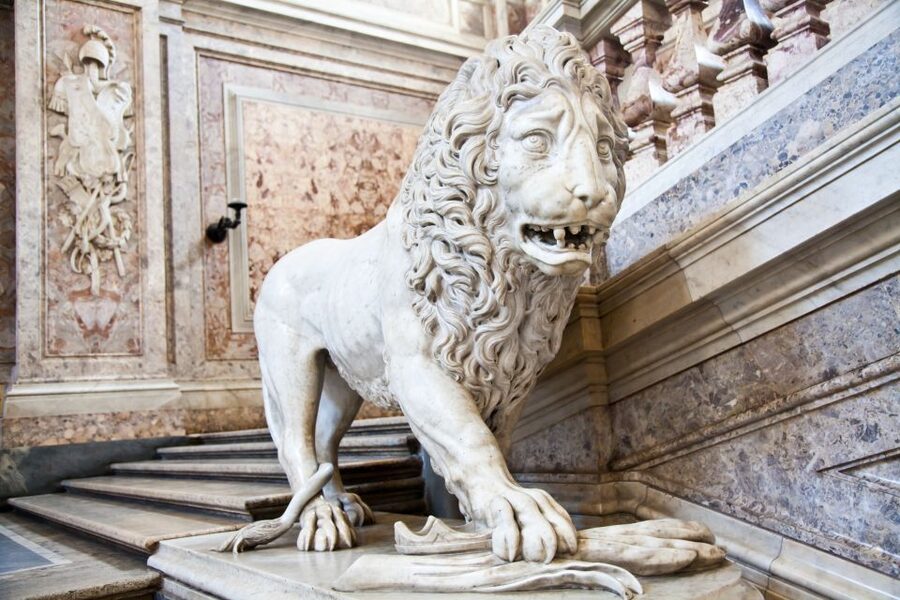
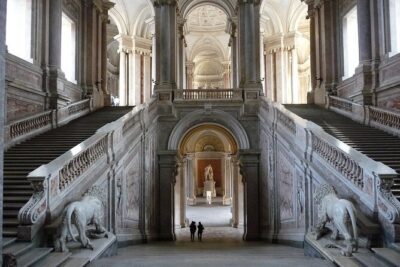
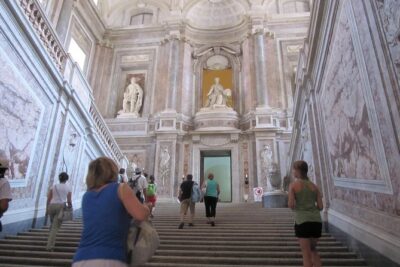
One of the best ways to understand Caserta is to start with what you see first. The tour brings you through the main building atrium, where you’ll find a major staircase: 116 steps, plus marble statues that lead to the upper vestibule and the Palatine Chapel.
This is one of those features you can’t fully appreciate from a distance. Up close, it’s dramatic and deliberate. The staircase isn’t just a way up—it’s part of the palace’s performance. It sets a tone of ceremony before you even reach the decorative spaces.
You’ll also hear about how Vanvitelli’s design works at a grand scale. The guide connects the architectural logic to the visual impact, so you’re not just noticing pretty details—you’re understanding the “why” behind them.
If you’ve ever felt museum guides rush through the most important moments, this is the opposite. The emphasis here is on key spaces that anchor the whole palace experience.
More guided runs around Naples


Rococo and Neoclassic rooms: the decoration has a storyline
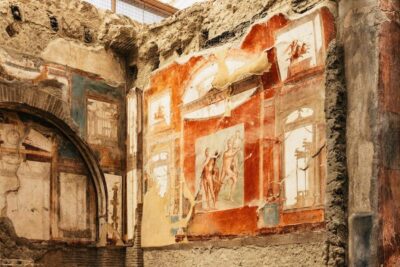
Caserta is famous for style mixing, and that’s exactly what this tour helps you see. You’ll tour royal apartments decorated in a blend of Rococo and Neoclassic aesthetics. That combination isn’t random. It reflects taste shifts in 18th-century Italy and the way rulers used art and design to project identity.
You’ll also get the “who did what” context. The guide explains how top painters and cabinet makers contributed to the high level of decoration, especially in major rooms like the King’s apartment and Murat’s apartment.
What this means for you: you can look at the decoration and have a framework for interpreting it. Instead of thinking, This is ornate (true, but generic), you start noticing which parts feel more playful and which parts feel more disciplined. The tour helps you read the visual language.
And because the rooms are so decorated, it’s easy to lose track. A guided route keeps you from spinning your wheels. You’ll learn enough to make the palace feel coherent, even though you’re technically moving through sections that could feel unrelated if you were on your own.
Palatine Chapel: gilded rosettes and vaulted ceilings
One highlight space you shouldn’t skip mentally is the Palatine Chapel. From the atrium, the staircase leads you toward it, and the chapel interior is described in the tour as having vaulted ceilings and gilded rosettes.
That matters because chapels can be misunderstood. People often focus on the religious angle and miss the artistry. Here, the guide frames it as part of the palace’s overall decorative system—something designed to awe people the moment they see it.
If you pay attention in this room, you’ll likely notice how the light interacts with surfaces and details. Even with a short tour window, the chapel gives you a concentrated moment where craftsmanship is the main character.
Royal apartments and the court theater: the palace as a working stage
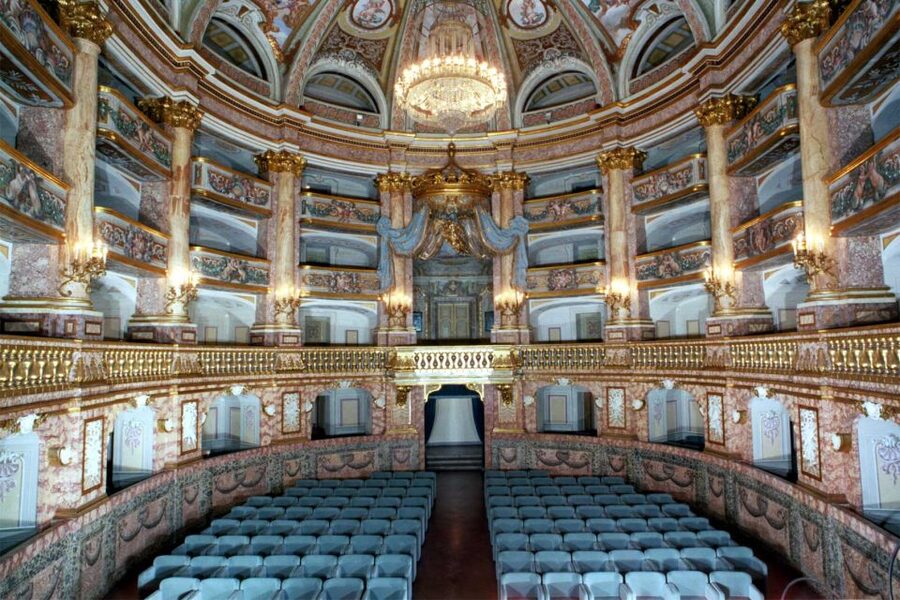
The royal apartments aren’t only about beauty. They show you how power lived day to day. In the tour, you’ll move through key decorated areas such as the King’s apartment, Murat’s apartment, and the court theater.
The important value here is interpretation. With a guide, you can connect the design choices to function: spaces designed for display, spaces designed for audience and court life, and rooms meant to show status without needing words.
The court theater is a particularly smart inclusion for anyone who thinks palaces are mostly about rooms you only look at. A palace theater suggests performances weren’t an occasional event—they were part of the culture, and the building was built to host that world.
In a building with 34 staircases and endless connections, it’s easy to feel like you’re walking through “more of the same.” By highlighting the apartments and then shifting to the court theater, the guide breaks the monotony and keeps the palace from blending into one giant blur.
Guides make or break it: why Serena and Anna stood out

When a palace is this big, the guide has to do three jobs at once: give you orientation, explain the design, and keep the pace from draining your energy. That’s why the guide quality is one of the most praised parts of this experience.
In the feedback I’m using as context, Serena stood out for being experienced and for making the tour feel manageable, not heavy. She was also praised for attention to children, including families with a 6- and 5-year-old—exactly the kind of situation where a guide’s flexibility becomes the difference between a good day and a stressful one.
Another guide mentioned is Anna, noted as available and skilled for making it an excellent experience. Separate feedback also reinforced that having a guide is important if you want to actually appreciate the palace instead of just ticking off rooms.
So here’s my practical take: if you care about understanding, not just walking, book this with a guide. Caserta rewards attention, and a good guide keeps that attention pointed in the right direction.
Price and value: what $47 buys in real terms
At $47 per person for a 2-hour private guided experience, the value isn’t just the fact that it’s guided. It’s what you get bundled with the guidance.
This price includes private guidance and skip-the-line admission fees. That combination matters because Caserta can waste time before you even start. Paying for a time-saving entry plus a focused guide is a better deal than paying for access alone and then hoping you’ll be able to map the palace effectively on your own.
You’re also buying “compression.” In 2 hours, you’ll get a structured highlights route—enough to understand the palace’s main design themes and see major rooms—without pretending you can master 1,200 spaces in a short visit.
Is it worth it if you love planning and don’t mind reading lots of signage? Maybe you’d manage. But if you want the palace to click, $47 is a pretty reasonable way to turn a big building into a clear story.
One more value point from the experience pacing: after the guided portion, you may still have time to visit the gardens. The palace visit often feels like two parts—palace interiors first, then outdoor views if you have energy.
Who should book this tour (and who should be cautious)
This experience is a strong fit if you want:
- A private group style tour (so your questions can stay part of the flow)
- A quick, structured approach to one of Europe’s most opulent palace settings
- Language support across multiple European and Portuguese options
- A guide-led explanation of the Rococo/Neoclassic blend and major decorative spaces
It’s especially useful for families, given the positive note about Serena’s handling of younger kids.
Be cautious if:
- Wheelchair access is needed, because the tour is not suitable for wheelchair users
- You dislike stairs or long indoor walking, even though the tour is only 2 hours
Also, if you’re expecting a slow, photo-only visit, this isn’t that. It’s guided and focused on interpretation, so you’ll trade a bit of roaming freedom for understanding and efficiency.
Should you book the Royal Palace of Caserta guided private tour?
I’d book it if you want Caserta to make sense. The skip-the-line benefit helps, and the 2-hour format is realistic for a palace of this scale. You’ll see major highlights like the atrium staircase and the Palatine Chapel, then move through key royal interiors where Rococo and Neoclassic style blend into something you can actually read.
I’d skip or reconsider if you need wheelchair-friendly access or if you truly want to wander with no structure. Caserta is simply too large and too stair-heavy for that to work well without support.
If your goal is to walk into a legendary royal residence and leave with a clear understanding of what you saw, this tour is a smart way to spend your time in Campania.
FAQ
How long is the Royal Palace of Caserta guided private tour?
The tour lasts 2 hours.
Where do I meet the guide?
Meet at the main entrance portal of the Royal Palace, under the flags, where the guide will be holding an ASKOS TOURS sign.
Is skip-the-line admission included?
Yes. Skip-the-line admission fees are included.
What’s included in the price?
The price includes private guidance and skip-the-line admission fees.
What languages are available for the live guide?
The tour offers live guided options in English, Spanish, Italian, French, German, and Portuguese.
Is the tour suitable for wheelchair users?
No, it is not suitable for wheelchair users.
What’s the booking and cancellation flexibility like?
There’s free cancellation up to 24 hours in advance for a full refund, and you can reserve now and pay later.
More Tours in Naples




More Tour Reviews in Naples

More Days Out at Caserta






More Naples tours, freshly reviewed




Caserta Royal Palace Day Trips, compared.
 ★ 4.4Royal Palace of Caserta Ticket & Digital GuideFrom $41387 reviews
 ★ 5.0Caserta Royal Palace & Gardens Small Group Tour with ShuttleFrom $54320 reviews
 ★ 3.5Caserta Royal Palace Entrance TicketFrom $3378 reviews
 ★ 4.0Caserta Royal Palace: Day Trip from NaplesFrom $14445 reviews
 ★ 5.0Private Caserta Royal Palace & Gardens Guided Tour inc. ShuttleFrom $21633 reviews
 ★ 4.5Caserta Royal Palace Tour From NaplesFrom $7621 reviews
 ★ 5.0Guided tour of the Royal Palace of Caserta with an art expertFrom $27613 reviews
 ★ 4.5Caserta Royal Palace Private Walking TourFrom $20112 reviews
Browse the lists this tour appears in