
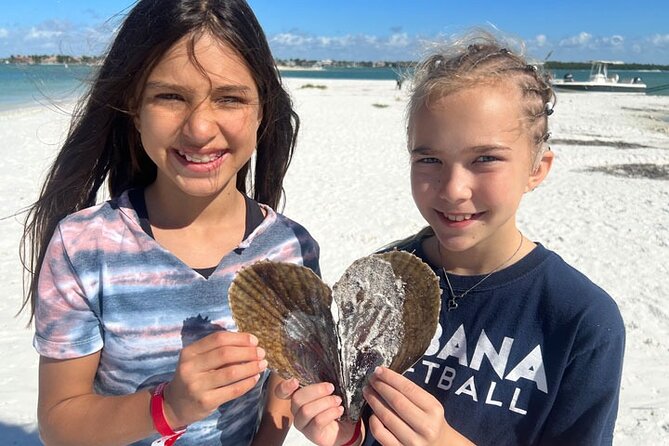
Review · TOURS
Barrier Island Shelling Tour
Shells, islands, and wildlife—at a calm pace. I like how this is a small-group seashell hunt run from Goodland, and I also like that the day mixes shelling with real time on barrier islands and mangroves. One thing to plan for: you’ll be walking on uneven, shell-studded beaches and sometimes through shallow water.
This is a 2.5-hour outing (about) with tools included—buckets, baskets, and scoopers—plus a cooler with ice. You can bring your own food and drinks, but note there’s no restroom on board, so plan accordingly.
The route can include Gulf water time when conditions allow, and some of the best shelling areas are more exposed to wind and waves than you’d expect. That’s part of the deal on Florida’s barrier coasts, so come ready to keep a steady footing.
In This Review
- Key takeaways before you go
- Why Goodland Shelling Feels More Like a Real Hunt
- Price and Time: What $129 Buys You (and Why It’s Reasonable)
- Meet the Shelling Team: Captains and Florida Master Naturalists
- Kice Island: The Sheller’s Island Stop (and Its Real Challenges)
- Ten Thousand Islands National Wildlife Refuge: Barrier Island Time on Purpose
- Marco Island Beaches and Tigertail Beach Area: Tides, Lagoons, and Easy Scenic Value
- Rookery Bay Reserve: Mangrove Estuary Views Without the Big-Crowd Feel
- Southwest Gulf Coast Cruising: Gulf Conditions Decide the Vibe
- Cape Romano and the Dome House: A Quick Story Stop Worth Keeping Your Eyes On
- Goodland: The Friendly Fishing Village End Cap
- Tools, Shelling Technique, and the Small Comfort Tweaks That Matter
- Wildlife Encounters That Feel Like They Belong on This Trip
- What to Bring (and What the Tour Handles)
- Who This Is Best For (and Who Should Think Twice)
- Should You Book the Barrier Island Shelling Tour?
- FAQ
- Where does the Barrier Island Shelling Tour start?
- How long is the tour?
- How much does it cost?
- How big is the group?
- What’s included in the shelling gear?
- Are restrooms available on board?
- What about food and drinks?
- What language is the tour offered in?
- Is it suitable for kids?
- What happens if the weather is bad?
- How far in advance should I book?
Key takeaways before you go
- Certified local expertise in shelling with Florida Master Naturalist guides helping you target rare finds
- Maximum 6 travelers keeps the captain and guide focused on your group
- Tools and shelling bags supplied, plus a cooler with ice so you can travel light
- Wildlife time is built in—you’re not just hunting shells in silence
- You’ll likely wade and walk on uneven sand, so water shoes help a lot
Not sold on this one? A few more Naples tours sit just below.
- From Naples: Sorrento, Positano & Amalfi – Small Group Tour★ 4.7 · 14,599 reviews
- From Naples: Pompeii Ruins & Mount Vesuvius Day Tour★ 4.3 · 11,459 reviews
- From Naples: Sorrento, Positano & Amalfi Coast – Small Group Tour★ 5.0 · 8,643 reviews
- Naples: Catacombs of San Gennaro Entry Ticket & Guided Tour★ 4.6 · 7,941 reviews
Why Goodland Shelling Feels More Like a Real Hunt
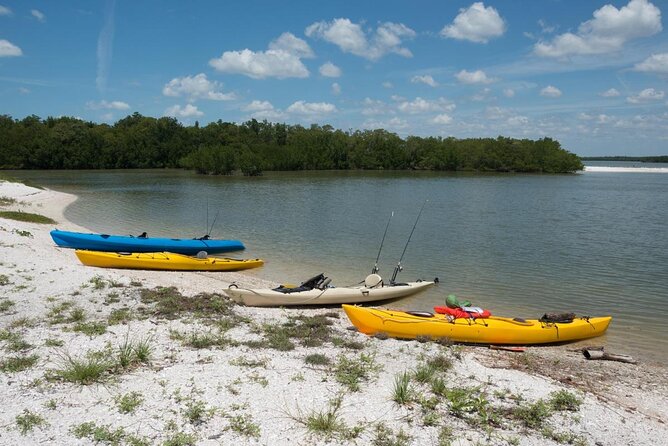
This tour works because it doesn’t treat shelling like a souvenir stop. You’re on a boat out of Goodland, then you spend time where shelling is actually possible along the Gulf-side beaches and the barrier island edges.
I also like that the guides don’t just say where to stand. They’re there to help you understand what you’re looking for and how conditions affect what lands on shore. That matters when you’re after rarer shells, not just the usual common ones.
Another plus: the small group size (max 6) makes it easier to manage the unpredictable stuff—waves, getting people across to shelling spots, and moving through mangrove areas without turning the whole trip into a shuffle.
Price and Time: What $129 Buys You (and Why It’s Reasonable)
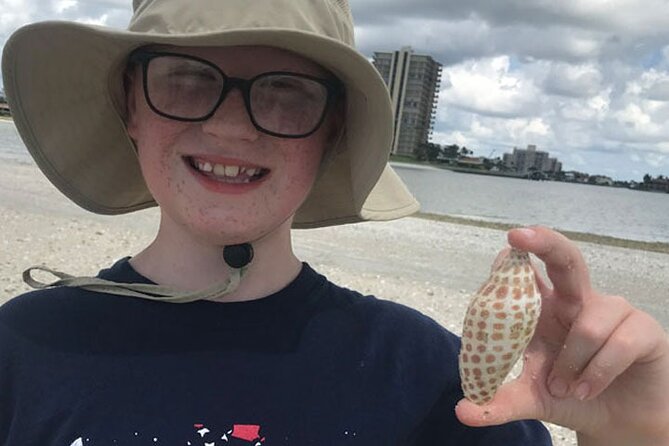
At $129 per person for about 2 hours 30 minutes, you’re paying for three things that don’t come cheap on the water: a captain, a guided shelling focus, and the boat route that gets you to places most people can’t reach easily on their own.
You also get practical extras that save you money and hassle:
- shelling bags are included
- a cooler with ice is provided
- parking fees are included
What you won’t pay extra for includes the boat-based stops where admission is listed as included or free. You’re not stuck wondering whether every island fee will pop up at the last minute.
You do need to bring your own food and drinks. The tour allows BYOB, with the note to avoid red wine. And yes, there’s no restroom on board, which is the kind of detail that changes how you plan your day.
Meet the Shelling Team: Captains and Florida Master Naturalists
The biggest difference on a shelling tour is who’s driving the boat and who’s calling the shots when the shoreline gets complicated.
The captains on this trip are experienced with the local waters and know where to go. The guides are certified Florida Master Naturalists, which tells you they’re trained for more than just pointing at sand and hoping for shells.
In the nicest way possible, you can tell when a captain has done this a lot. One review highlighted Captain Nate and Captain Jules by name, praising how friendly and informative they were and how well they knew where to find the best shells. If you care about rare finds, that local skill isn’t a bonus—it’s the whole point.
Kice Island: The Sheller’s Island Stop (and Its Real Challenges)
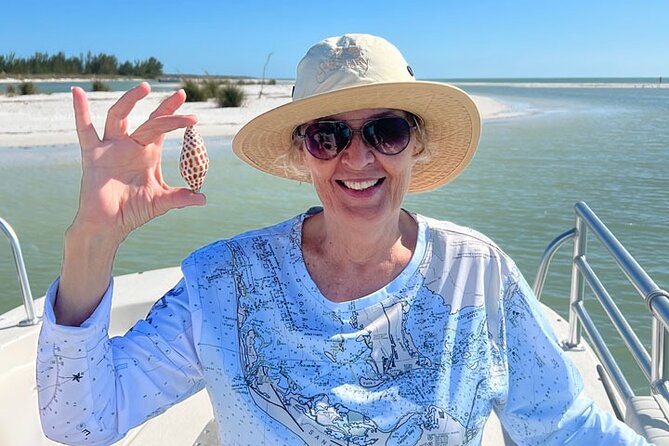
Kice Island is often considered the shellers’ island near Marco. This is one of those places where the potential is high because the barrier island Gulf shore can produce fantastic shells.
Here’s the honest part: anchoring there can be notoriously difficult. The shoreline can be shallow and edged by mangroves, and conditions can turn quickly with wind and waves. That’s why you want expert captains rather than DIY shelling plans.
What this means for you on the ground:
- expect shell-strewn shoreline
- expect walking that’s not perfectly smooth
- expect the guides to adjust where you shell based on conditions
It’s also a good stop for people who genuinely want to hunt. If you’re hoping for a casual, paved-beach vibe only, you may find Kice Island a little more work than you imagined.
Ten Thousand Islands National Wildlife Refuge: Barrier Island Time on Purpose
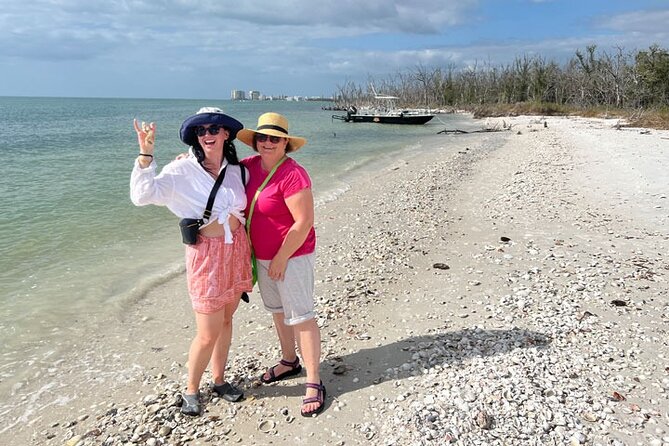
Your next hour-style stop moves you into the Ten Thousand Islands National Wildlife Refuge area. Boat tours here are all about the barrier islands—lots of sheltered water edges, shifting channels, and a nature-heavy feel.
This stop tends to matter for two reasons:
- It supports the shelling theme without turning the day into nonstop sand-staring.
- It gives you the chance to see birds and other wildlife in their normal setting, not behind glass.
Even if your shell finds are slow that first stretch, this kind of stop keeps the day moving and gives you a different angle on the coast.
Marco Island Beaches and Tigertail Beach Area: Tides, Lagoons, and Easy Scenic Value
Marco Island is the big-name part of the day. The tour includes time around the barrier islands surrounding Marco, which you can recognize by the long sandy stretch on the west coast and the laid-back feel near resort areas.
One spot you’ll reference is Tigertail Beach Park, known for its tidal lagoon and for activities like kayaking and paddleboarding. On a shelling boat trip, that lagoon edge can also shape what winds up on shore.
What you’ll likely enjoy here:
- beach time that feels a bit more familiar than the more rugged shelling spots
- easy scenery and shoreline variety
- a calmer rhythm for the group once you’ve handled the earlier exposed areas
Rookery Bay Reserve: Mangrove Estuary Views Without the Big-Crowd Feel
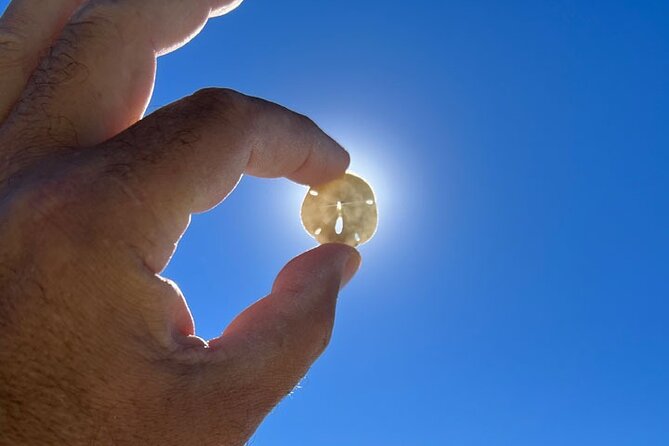
Next comes Rookery Bay National Estuarine Research Reserve. This is where the tour leans harder into the mangrove estuary side of Naples-area nature.
Rookery Bay is supported by local friends of the reserve, and that kind of on-the-ground stewardship shows you’re not just doing a quick pass-through. You’re spending time in an ecosystem where the mangroves and estuary edges matter for how wildlife moves and how coastlines behave.
If you like coastal ecology at street level—roots, channels, bird habitat—this stop tends to feel satisfying even when your shell haul is modest.
Southwest Gulf Coast Cruising: Gulf Conditions Decide the Vibe
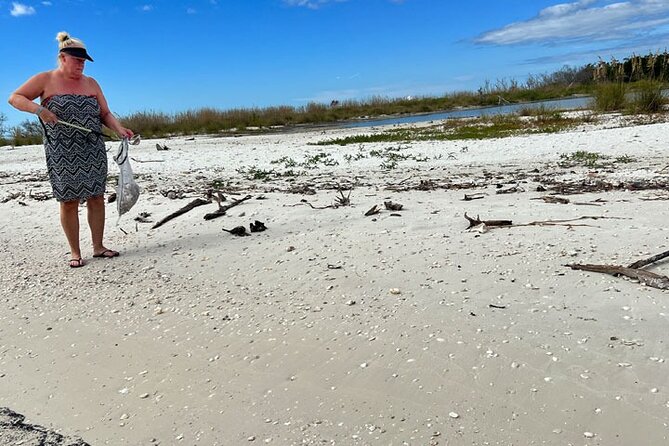
The tour includes Gulf waters time when weather permits, and it frames the coast as a string of tempting places along the Southwest Gulf Coast.
You might catch views that make Fort Myers Beach and other Gulf stretches come to mind. On a practical level, this is also your “conditions chapter.” Wind and waves can affect shelling access and how comfortable it is to be out there.
So I recommend you treat this part like a bonus rather than a guaranteed highlight. When it works, it’s a big payoff because you’re literally on the water that feeds the shelling.
Cape Romano and the Dome House: A Quick Story Stop Worth Keeping Your Eyes On
A short cruise by Cape Romano includes a look at the famous Dome House. It’s an abandoned house made of six dome-shaped modules on stilts, sitting about 300 feet offshore from Cape Romano Island.
This is the kind of side stop that gives context to the area. It’s unusual, visually memorable, and it breaks up the day so you’re not only doing shelling and mangrove edges back to back.
It’s brief—about 15 minutes—but if you like quirky Florida history, it’s a good use of time.
Goodland: The Friendly Fishing Village End Cap
You’ll finish with a look at Goodland, a quaint fishing village near Marco Island.
Even if you’re not going for deep research time, this last stop helps the day feel grounded. You see the place the trip starts from and end near the same point, with the town vibe replacing the “floating on the coast” feeling.
It’s also a nice reset after getting your sand legs and doing any wading. You’ll get off the boat with the day’s finds in bags and the waterline still fresh in your mind.
Tools, Shelling Technique, and the Small Comfort Tweaks That Matter
Shelling is half strategy and half luck. The best part of this tour is that you don’t have to guess what to bring—shelling tools are provided, including buckets, baskets, and scoopers.
You do want to bring sensible footwear. One family-friendly tip stood out clearly: kids do better with good water shoes. That’s smart on shallow beaches where you might step on shells or where the sand isn’t forgiving.
Here’s how you can make shelling more comfortable without turning it into a science fair:
- wear footwear you can trust on uneven sand and shallow water
- use the provided tools rather than trying to carry extra gear
- keep your shell bags organized so you can rinse and sort later
Also, the tour provides a cooler with ice. That’s useful if you plan to keep food and drinks chilled while you shell and snack.
Wildlife Encounters That Feel Like They Belong on This Trip
This outing isn’t only about shells. On the water, you can get wildlife moments that actually match the setting.
One review described a pod of dolphins swimming with the group for about ten minutes. That’s the kind of surprise that makes a good shelling day feel like a full coastal adventure.
Bird life is also part of the story. You may spot osprey and bald eagles, along with other waterfowl. And the captains don’t keep it silent: they point things out and share local wildlife and history context as you go.
So even if you’re a first-timer, you’ll still feel like you’re learning something real while you’re hunting.
What to Bring (and What the Tour Handles)
Here’s what you can count on being taken care of, based on what’s included:
- complementary shelling bags
- cooler with ice
- parking fees
- shelling tools like buckets, baskets, and scoopers
- life vests for children 6 and under (provided)
Here’s what you’ll need to handle yourself:
- food (you can bring your own)
- drinks (BYOB; no red wine)
- plan for no restroom on board
If you’re traveling with kids, water shoes are a smart idea. If you’re traveling without them, you may still be okay—but the uneven, shell-covered beaches can be hard on feet, especially after a couple of hours.
Who This Is Best For (and Who Should Think Twice)
This tour asks for moderate physical fitness. That’s not a problem for most healthy adults, but it does matter.
The beaches and landing spots can require:
- walking long distances on uneven terrain
- walking through water
- navigating areas around mangrove trees and stumps
If you’re steady on your feet and you don’t mind a little sand on everything, you’ll likely love the hands-on shelling time. If mobility is limited or you’re uncomfortable with wading and rough footing, you might find the day stressful rather than fun.
It’s also well-suited for people who like a guided experience but still want a little independence. You’re out there looking for shells, not stuck watching a screen.
Should You Book the Barrier Island Shelling Tour?
If you want a guided shelling day that also delivers wildlife and scenery, this is a strong pick. The small group size helps a lot, and the combination of expert captains with Florida Master Naturalist guides is exactly what you want when conditions affect where shells actually land.
Book it if:
- you want a better-than-average chance at rare and sought-after shells
- you’re comfortable walking on uneven, shell-covered beaches
- you like coastal wildlife sightings (dolphins and birds are in the mix)
- you prefer small groups over crowded tours
Skip it or consider an easier option if:
- the idea of wading and rough shoreline footing doesn’t sound appealing
- you really need onboard restroom access
- you’re only interested in the easiest, fully accessible beaches
For the right kind of traveler, this tour feels like a day on the coast with a purpose: shells in the bag, wildlife in your eyes, and a route that actually gets you to the barrier-island zones where it counts.
FAQ
Where does the Barrier Island Shelling Tour start?
The tour starts at 220 Goodland Dr, Marco Island, FL 34145, USA. It ends back at the same meeting point.
How long is the tour?
The duration is about 2 hours 30 minutes.
How much does it cost?
It costs $129.00 per person.
How big is the group?
The tour has a maximum of 6 travelers.
What’s included in the shelling gear?
You get complementary shelling bags, and the tour provides shelling tools like buckets, baskets, and scoopers.
Are restrooms available on board?
No. There is no restroom on board.
What about food and drinks?
You can bring your own food. Drinks are BYOB, and the guidance is please no red wine.
What language is the tour offered in?
The tour is offered in English.
Is it suitable for kids?
Children 6 and under must wear life vests, and those are provided.
What happens if the weather is bad?
This experience requires good weather. If it’s canceled due to poor weather, you’ll be offered a different date or a full refund.
How far in advance should I book?
On average, this tour is booked 16 days in advance.
More Tours in Naples



More Tour Reviews in Naples
More Naples tours, freshly reviewed



Tours, compared.
 ★ 4.8Pompeii: Entry Ticket and Guided Tour with an ArchaeologistFrom $3519,459 reviews
 ★ 4.7Sorrento, Positano & Amalfi – Small Group TourFrom $8514,599 reviews
 ★ 4.8Pompeii: Small Group Tour with an ArchaeologistFrom $4012,264 reviews
 ★ 4.3Pompeii Ruins & Mount Vesuvius Day TourFrom $12011,459 reviews
 ★ 5.0Sorrento, Positano & Amalfi Coast – Small Group TourFrom $768,643 reviews
 ★ 4.6Catacombs of San Gennaro Entry Ticket & Guided TourFrom $157,941 reviews
★ 5.0Pompeii Small Group Tour with an ArchaeologistFrom $356,593 reviews
★ 4.6Catacombs of San Gennaro Entry Ticket & Guided TourFrom $157,941 reviews
★ 5.0Pompeii Small Group Tour with an ArchaeologistFrom $356,593 reviews
 ★ 4.9Downtown Tour with Veiled Christ & St Clare TicketsFrom $576,462 reviews