

Review · NAPLES ARCHAEOLOGICAL MUSEUM TOURS
Tour of the Archaeological Museum of Naples
Pompeii comes to Naples. This small-group guided tour takes you through the Museo Archeologico Nazionale di Napoli, where you’ll see rare finds excavated from Pompeii and Herculaneum plus related sites like Stabiae and the Phlegraean fields. I especially like how the guides give object-by-object context (not just dates), and I also like that the tour spotlights the museum’s Egyptian section, lately re-opened and treated as a true must-see. One possible drawback: the visit runs about 2 hours, so you may want to pick a few favorites if you prefer a slow, label-by-label pace.
What makes this tour practical is the combination of a professional guide, included admission, and a group capped at 8 travelers. It also runs multiple times during the day, so you can fit it around other plans in Naples without turning your schedule into a stress test.
In This Review
- Quick reasons to book this Naples museum tour
- Why Naples’ National Archaeological Museum deserves your time
- Inside Stop 1: Museo Archeologico Nazionale di Napoli
- How Pompeii and Herculaneum objects turn into real context
- The Egyptian section: why a reopened room is a big deal
- Greek-Roman statues and the Farnese connection
- Small-group touring: flexible pace you can actually use
- Price and value: what $223.75 buys you
- Pairing this with Pompeii: a smart two-day rhythm
- Should you book? My practical take
- FAQ
- Where does the tour take place?
- How long is the tour?
- How much does it cost per person?
- Is the tour offered in English?
- How big is the group?
- What is included in the tour price?
- Is the museum entrance ticket included?
- Is cancellation free?
- Are children allowed?
Quick reasons to book this Naples museum tour

- Up to 8 people for a calmer pace and more chances to ask questions
- Admission ticket included, so you don’t scramble for entry on arrival
- Pompeii and Herculaneum artifacts explained in clear, useful context
- Egyptian section reopened, which adds a major second theme to the visit
- Guides praised for structure and flexibility, including Anna, Fiorenza, and Maria
- Headset use helps you hear the guide while you look closely at objects
Where the Pompeii frescoes ended up: more museum visits
- Naples: National Archaeological Museum Tour & Digital Guide★ 4.2 · 177 reviews
- Naples: National Archaeological Museum audio guide★ 4.0 · 155 reviews
- National Archaeological Museum of Naples★ 4.5 · 61 reviews
- Archaeological Museum of Naples Small Group Tour with an Archaeologist★ 5.0 · 51 reviews
Why Naples’ National Archaeological Museum deserves your time
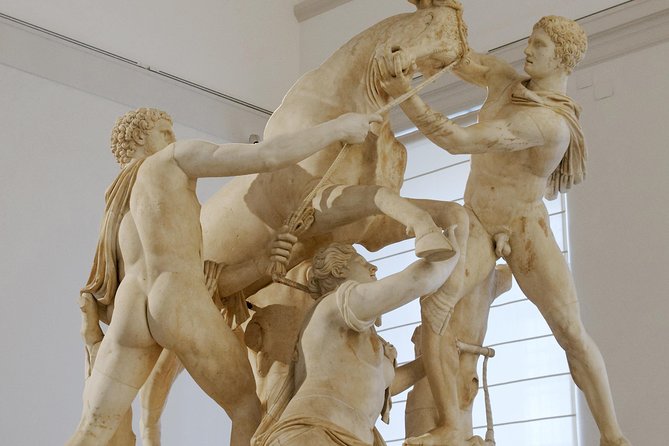
Naples isn’t just a jumping-off point for Pompeii. The Museo Archeologico Nazionale di Napoli is where a lot of the “what you actually saw on the street” story gets clarified. Instead of imagining ruins from photos, you face the objects that museums use to reconstruct everyday Roman life: tools, art, sculpture, and other finds tied to major sites around Naples.
This tour is especially good if you’re trying to connect the dots between the archaeological sites you’ll see later (or recently). A focused guided visit gives you mental hooks you can carry forward, so Pompeii (for example) doesn’t feel like a heap of stones. You start to recognize patterns: how people lived, what they valued, and how different cultures blended in the region.
Inside Stop 1: Museo Archeologico Nazionale di Napoli
Your main stop is the museum itself, the National Archaeological Museum of Naples. Expect a guided route through key collections that explain what the finds are and how they were used, not just what they look like.
Here’s what makes this museum visit feel coherent:
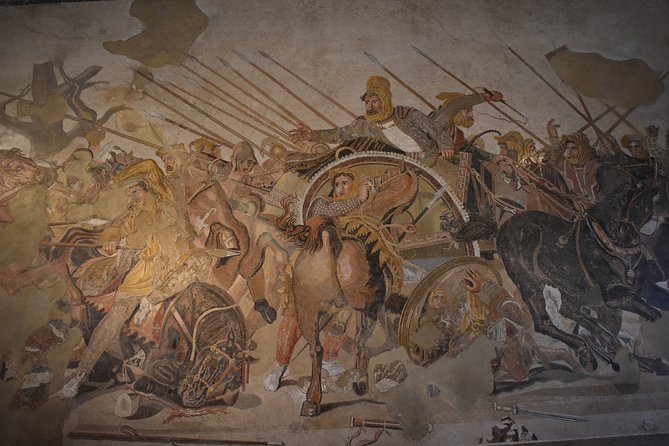
First, much of what you’ll see comes from major excavations in the area, especially Pompeii, Herculaneum, and Stabiae. That matters because you’re seeing material from sites that represent different neighborhoods and daily routines, all filtered through the museum’s curatorial choices.
Second, the museum doesn’t only talk about the obvious heavy hitters. You also run into finds linked to Bacoli, Cumae, Baia, and the Flegreian fields area. That broader coverage helps you understand Naples as a hub around which multiple ancient locations orbited, rather than as a single-site story.
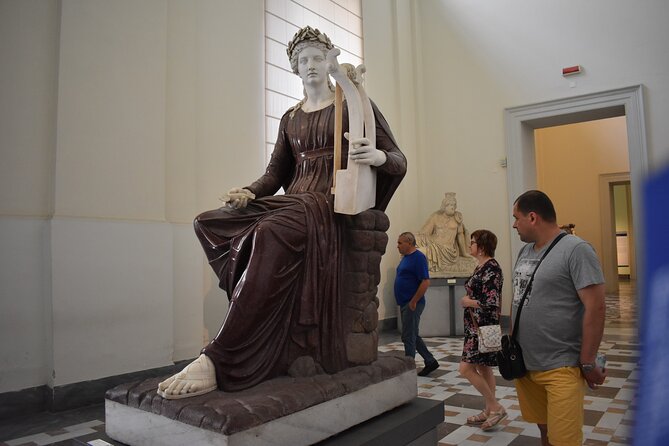
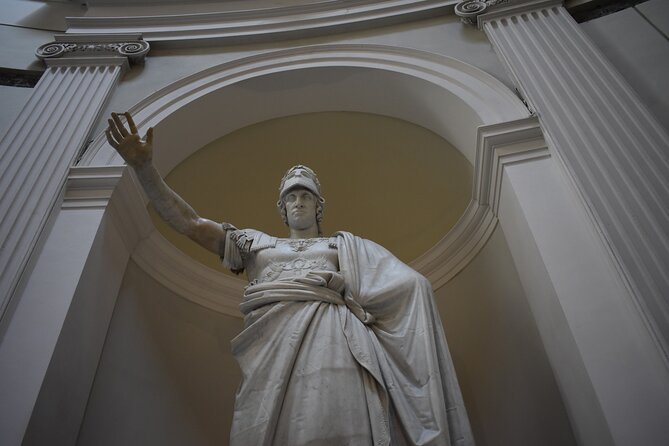
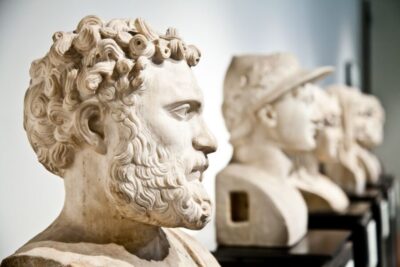
Third, the museum includes major statue collections connected to Greek and Roman traditions, including works donated to the museum by the Farnese family. Seeing sculpture in a guided setting helps because a guide can connect the art form to the cultural story behind it, instead of leaving you to guess why a piece matters.
Practical note: with a group size capped at 8, you’ll generally have an easier time moving through rooms without constant rerouting or getting stuck behind a wall of people.
How Pompeii and Herculaneum objects turn into real context
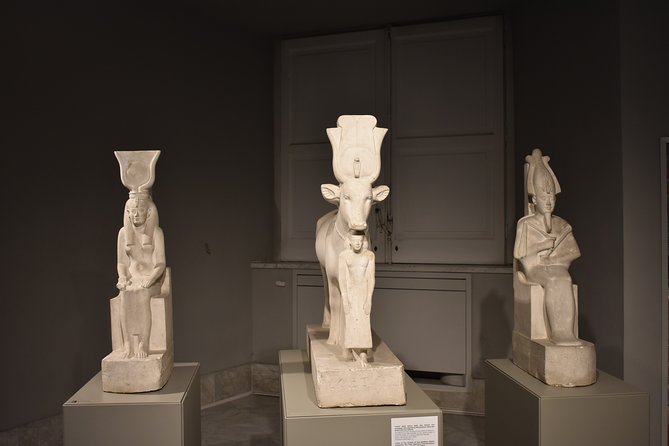
The real win of this tour is interpretation. You’re not just touring rooms; you’re learning what specific objects meant and how they fit into ancient life. That’s what turns a museum stop from reading posters into something closer to understanding a place.
The tour’s Pompeii/Herculaneum focus is ideal for two types of travelers:
- If you’re going to Pompeii later, this gives you a head start on what to look for and how to read what you see there. One guide-led museum visit is the difference between seeing ruins and recognizing the human details inside them.
- If you already visited Pompeii, this tour helps you catch what the signs alone can’t explain. You’ll see the “preserved for study” side of the story: artifacts moved from the excavations to safer conditions, where their details become clearer.
Also, the headset format makes a difference in a big museum. You can stay focused on the objects without constantly checking where your guide is. It sounds small, but in practice it helps you absorb more in less time.
The Egyptian section: why a reopened room is a big deal
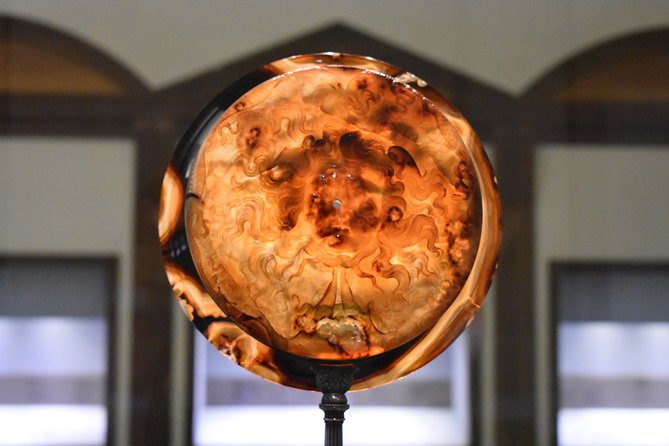
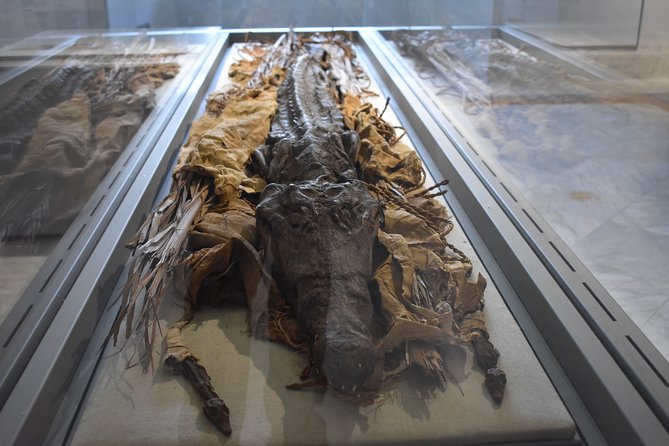
One highlight here is the museum’s Egyptian section, which has been lately re-opened to visitors. That’s important because it gives your visit a second storyline. You’re not only in the Roman world tied to Pompeii and Herculaneum; you’re also seeing how Egyptian themes landed in Naples and beyond through the ancient Mediterranean’s trade and cultural contact.
Even if Egyptian history isn’t your main interest, you’ll still get value from the way a good guide connects objects to use and meaning. Egyptian material often feels mysterious if you’re just scanning labels. With a guide, you can understand what you’re looking at and why an Egyptian collection belongs in a museum that also holds Greek-Roman sculpture and Pompeian-era finds.
In short: this Egyptian stop helps the museum feel like a living network of cultures, not a single straight line through time.
Other Naples outings worth a look before you book



Greek-Roman statues and the Farnese connection
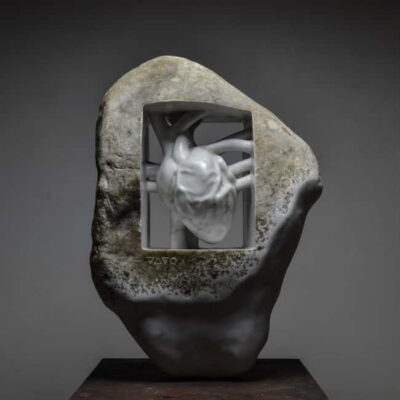
Another part of the museum that stands out in this tour is the collection of Greek-Roman statues, including works associated with a donation to the museum by the Farnese family.
Statues are easy to underestimate if you think they’re only “pretty art.” With guided attention, you start to see what statues were for, how they were displayed, and what they signaled in their original contexts—status, ideology, and admiration of certain artistic styles.
What I like about this approach is that it doesn’t treat sculpture as a separate universe. It ties it back to the broader Mediterranean mix you’ll see across the museum: cultures interacting, copying, adapting, and displaying identity through art.
Small-group touring: flexible pace you can actually use
This is a small group tour, with a maximum of 8 travelers, and the format supports a flexible pace. That matters in a museum like this, where everyone’s interests pull them in different directions: some people want artifacts first, others want statuary, and some zero in on Egyptian material.
In the accounts I’m drawing on from the experience notes, the guides are praised for organization and structure, plus tailoring the tour to your pace and knowledge level. Anna and Fiorenza are both described as experts in the museum’s works of art, with Fiorenza especially noted for customizing based on what people want to see and how much they already know. Maria is also mentioned for making the tour interesting and for helping people understand ancient Roman society through the artifacts.
If you want a “just tell me where to walk” tour, this likely isn’t that. The value here is that the guide steers your attention to significant objects and helps you interpret them, including construction and use where relevant.
Price and value: what $223.75 buys you
At $223.75 per person, this isn’t the cheapest way to see the museum. But it’s also not priced like a casual walk-in.
You’re paying for:
- a professional guide
- admission tickets included
- a small group experience (max 8)
- about 2 hours of focused time with a guided route
For me, the value hinges on whether you’ll benefit from interpretation. If you enjoy learning how and why objects mattered—especially in a museum with mixed themes like Pompeii/Herculaneum finds plus Egyptian material—then the guided approach can save you time and confusion. Instead of trying to decide what to prioritize alone, you follow a route designed to connect ideas.
If you prefer to read every sign yourself and you’re comfortable navigating a large museum without help, you might feel the cost. But if you want the museum to make sense quickly, this price can feel reasonable because the guide is doing the hard part for you.
Pairing this with Pompeii: a smart two-day rhythm
This tour pairs naturally with a Pompeii day. The logic is simple: Pompeii gives you the setting; the museum gives you the preserved objects and the explanations that clarify what you’re looking at.
I’d especially consider it if:
- you’re short on time and need a guided “best use of hours” plan
- you care about Roman everyday life and not only big dramatic scenes
- you want more confidence walking into Pompeii after you’ve seen related artifacts
If you already visited Pompeii, this museum stop is a strong follow-up. You’ll get to see artifacts taken for preservation and you’ll likely understand them better than if you only rely on signage.
And because the tour runs multiple times throughout the day, you can usually pick a slot that matches your energy level—morning if you like a fresh start, later if you’re building in time for Naples breaks.
Should you book? My practical take
Book this tour if you want your museum time to do more than fill space. The mix of Pompeii and Herculaneum finds, the Egyptian section that’s been re-opened, and the guided interpretation is exactly what helps a Naples visit feel connected.
I’d skip or reconsider if you mainly enjoy museums at your own pace with minimal guidance, because the about-2-hour timing can feel tight for slower reading. You also might hesitate at the price if you’re comfortable planning your own route and you don’t care as much about object-level context.
Otherwise, it’s a strong choice—especially for cultural travelers who want a guided route that makes Naples’ archaeology feel understandable, not overwhelming.
FAQ
Where does the tour take place?
It takes place in Naples, Italy, at the Museo Archeologico Nazionale di Napoli (the National Archaeological Museum of Naples).
How long is the tour?
The duration is approximately 2 hours.
How much does it cost per person?
The price is $223.75 per person.
Is the tour offered in English?
Yes, the tour is offered in English.
How big is the group?
The maximum group size is 8 travelers.
What is included in the tour price?
You get a professional guide and admission tickets are included.
Is the museum entrance ticket included?
Yes, admission ticket is included.
Is cancellation free?
Yes. You can cancel for a full refund up to 24 hours in advance.
Are children allowed?
Children must be accompanied by an adult.
More Tours in Naples





More Tour Reviews in Naples

More at the Archaeological Museum





More Naples tours, freshly reviewed





Naples Archaeological Museum Tours, compared.
 ★ 4.4National Archaeological Museum Ticket & Audio AppFrom $29617 reviews
 ★ 4.8National Archaeological Museum of Naples Guided TourFrom $52498 reviews
 ★ 4.2National Archaeological Museum Tour & Digital GuideFrom $40177 reviews
 ★ 4.0National Archaeological Museum audio guideFrom $4155 reviews
 ★ 3.5Skip the Line: National Archaeological Museum of Naples Entry TicketFrom $3882 reviews
 ★ 4.5National Archaeological Museum of NaplesFrom $6061 reviews
 ★ 5.0Archaeological Museum of Naples Small Group Tour with an ArchaeologistFrom $5251 reviews
 ★ 5.0Naples Archaeological Museum 2-Hour Guided Private TourFrom $15651 reviews
Browse the lists this tour appears in