
Review · NAPLES ARCHAEOLOGICAL MUSEUM TOURS
Archaeological Museum of Naples Small Group Tour with an Archaeologist
The Archaeological Museum of Naples can feel endless. This small-group tour with an archaeologist turns it into a clear hit list, with the Farnese Collection and key Pompeii-era art explained in plain language. I like that the route focuses on the museum’s biggest visual stories, and I like how the guide connects objects to what was happening in Roman life before Vesuvius.
One thing to plan for: the museum has no AC, so on hot days you’ll want to dress and pack for warmth.
In This Review
- Key highlights to look for
- The Archaeological Museum of Naples: why this tour works so well
- Stop 1: Museo Archeologico Nazionale di Napoli, ticket office start to best-of route
- Farnese Collection: the sculptures that set the tone
- Pompeii and Herculaneum: artifacts from the 79 A.D. disaster
- When a masterpiece might be under restoration
- What an archaeologist guide changes for you (beyond the facts)
- Pompeii and Herculaneum prep: the best use of this tour
- Getting there and staying comfortable when the museum has no AC
- Price and value: what you’re really paying for
- Who should book this tour (and who might skip it)
- Should you book the Archaeological Museum of Naples small-group archaeologist tour?
- FAQ
- How long is the tour?
- What is the price per person?
- Is the museum entrance ticket included?
- Where do I meet the guide?
- Is the tour offered in English?
- How large is the group?
- What’s included, and what’s not?
- FAQ
- Can I cancel for a full refund?
- Is the tour wheelchair or accessibility friendly?
- How early should I book?
- Where does the tour end?
- Is there public transportation nearby?
Key highlights to look for
- Farnese Collection focus: Hercules, the Two Tyrannicides, and the Toro Farnese are front and center
- Pompeii and Herculaneum context: you’ll see artifacts tied to the 79 A.D. eruption
- Frescoes and mosaics: Roman wall art is a major theme, not an afterthought
- Small group pacing: max 20 travelers makes questions easier and the visit feel calmer
- Return-ready visit: after the 2 hours, you can keep exploring on your own
Where the Pompeii frescoes ended up: more museum visits
- Naples: National Archaeological Museum audio guide★ 4.0 · 155 reviews
- Skip the Line: National Archaeological Museum of Naples Entry Ticket★ 3.5 · 82 reviews
- National Archaeological Museum of Naples★ 4.5 · 61 reviews
- Archaeological Museum of Naples Small Group Tour with an Archaeologist★ 5.0 · 51 reviews
The Archaeological Museum of Naples: why this tour works so well
Naples is loaded with great sights, but the Archaeological Museum of Naples (Museo Archeologico Nazionale di Napoli) is the kind of place where you can lose your bearings fast. It’s huge, and without a plan, it’s easy to drift from room to room while the important context stays missing.
That’s exactly why a guided archaeologist-led visit is a smart move. In about 2 hours, you get a curated path through the museum’s most famous works and the themes that link them together—especially the jump from Greek and Roman sculpture to the vivid art pulled from Pompeii and Herculaneum. This is also booked well in advance, which usually means people find it worth the time.
And even if you’re not a hardcore art person, you’ll still get something out of it. The best part is how the tour helps you “read” the museum—what you’re looking at, why it mattered, and what it tells you about daily life, power, and belief in the ancient world.
Stop 1: Museo Archeologico Nazionale di Napoli, ticket office start to best-of route
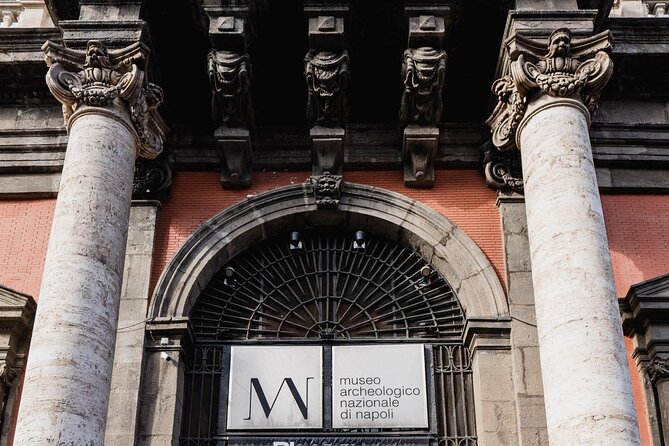
Your experience starts at Piazza Museo, 19 (inside the museum area), meeting at the museum ticket office. From there, you go in as a small group with a local professional guide and archaeologist.
The tour covers a serious chunk of the museum’s big hitters, so don’t expect to see everything. Expect to see the works that act like anchor points for the rest of the collection. One review summed up the core benefit well: with a guide, the museum stops feeling like a blur and becomes manageable.
Farnese Collection: the sculptures that set the tone
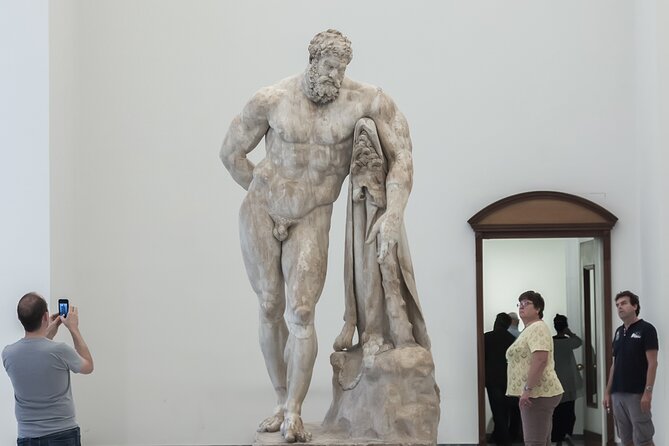
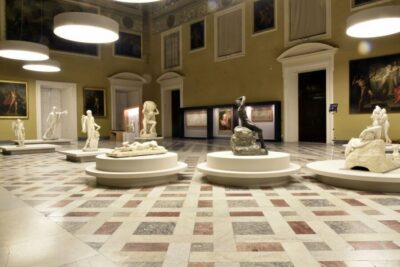
The Farnese Collection is one of the museum’s greatest draws, and this tour makes sure you don’t just pass through it. You’ll focus on major sculptures and statuary themes, including:
- Hercules’ statues (myth meets power in marble form)
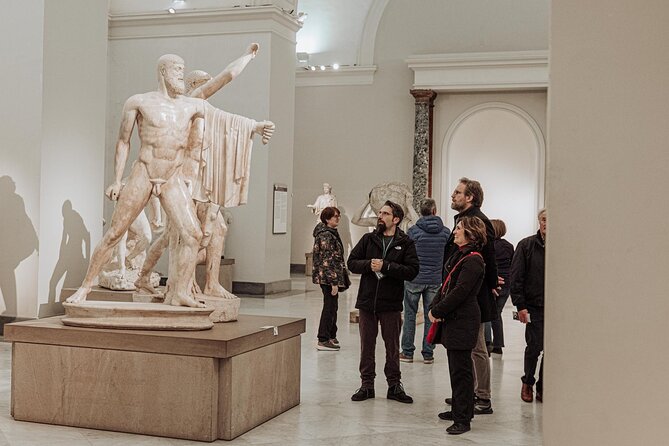
- The Two Tyrannicides (a famous political story told through sculpture)
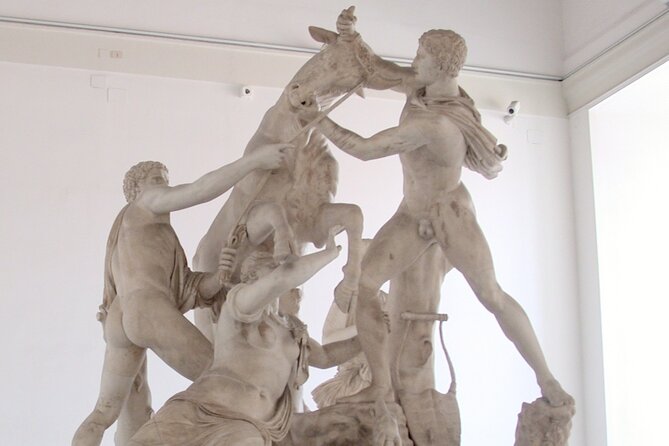
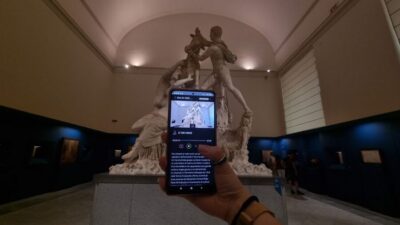
- The Toro Farnese (the “majestic group” that’s hard to miss once you see it)
- Statues of gods and busts of emperors
What I like about this section is the way it trains your eye. You start to notice how Roman audiences used art—not just as decoration, but as messaging. Emperors in marble communicate authority. Myth figures like Hercules help build cultural identity and legitimacy. And political monuments, like the Two Tyrannicides, turn ideas into physical form.
It also helps that the Farnese works are the kind you can recognize instantly from famous images. That means you get a quick confidence boost: you’re not standing in front of random fragments—you’re seeing headline pieces.
Pompeii and Herculaneum: artifacts from the 79 A.D. disaster
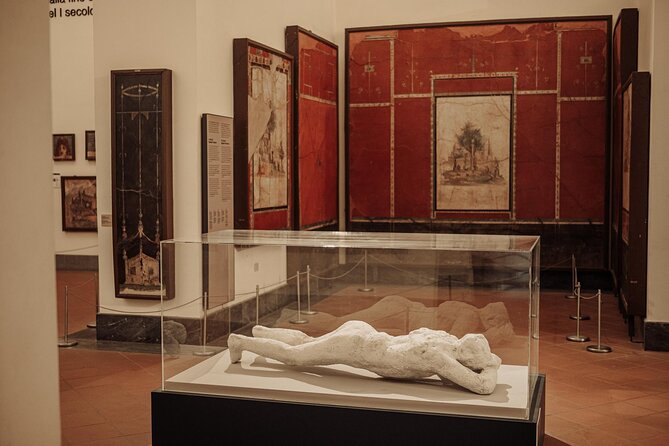
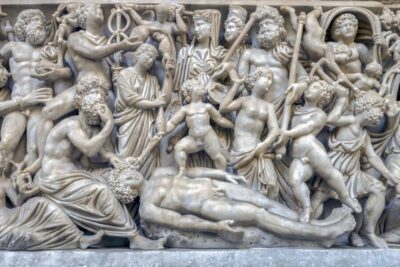
After the Farnese section, the tour shifts to the Roman collection, including objects connected to the city destroyed by the eruption of Vesuvius in 79 A.D. The museum’s strength here is that you’re not only seeing “ancient art”—you’re seeing what survived, what got preserved in unusual ways, and what those finds reveal about real life.
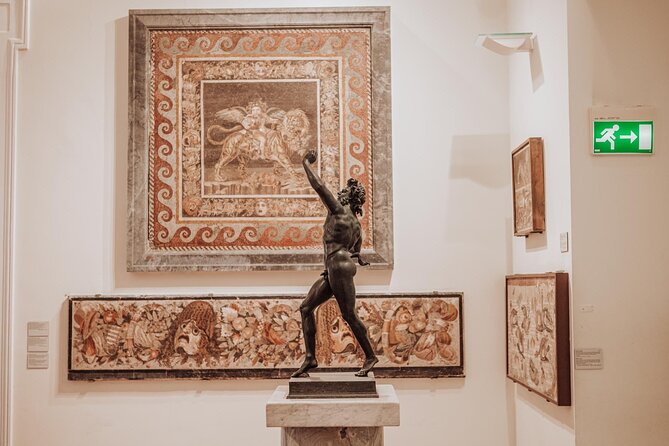
You’ll also spend time with best preserved frescoes and mosaics from Pompeii and Herculaneum. These aren’t just pretty pictures. In the right framing, they show how Romans decorated homes, how myth and everyday scenes shared wall space, and how color and storytelling shaped private rooms.
One practical tip from how guides run the route: if you care about frescoes and mosaics, this tour is built for you. You’re not stuck hunting for them on your own.
And if you’re the type who loves the “one big moment” of a collection, this is where it happens. The Pompeii and Herculaneum artworks give the museum its emotional punch.
Other Naples outings worth a look before you book



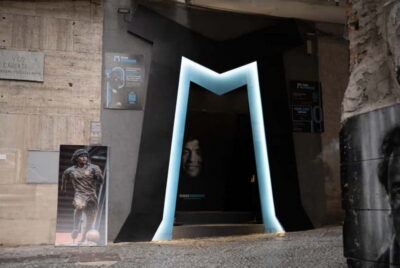
When a masterpiece might be under restoration
The tour doesn’t promise that every single item will be available on every day. One example from past visits: the Alexander mosaic was under restoration during a tour, so it wasn’t shown in person, though pictures and video were used to explain the work and the repair effort.
So if you’ve studied the museum online and are hoping to see a specific artifact at your exact time, keep your expectations flexible.
What an archaeologist guide changes for you (beyond the facts)
A museum guide can be helpful. An archaeologist guide changes the experience.
You get more than labels. You get context—how objects were found, why they’re important, and how they fit into the larger story of Naples and Roman culture. That matters because the museum includes works spanning myth, politics, religion, and domestic life.
From guide examples shared with groups—names like Nicolette, Bruno, Vito, Maria, and Annalise—the consistent pattern is clear: guides take a comfortable pace and answer questions in a way that doesn’t feel rushed. English is described as excellent for many groups, which helps if you’re the type who wants to ask follow-ups instead of just listening.
Here’s what this kind of guiding does for you:
- You understand what you’re seeing while you’re looking at it, not after you leave
- You learn connections between sections (Greek myth → Roman authority → Pompeian daily life)
- You avoid the “I saw a lot, but I remember nothing” effect
Also, the pace is a real feature of the value. A full museum visit can drain you. A structured 2 hours means you finish feeling like you got the point.
Pompeii and Herculaneum prep: the best use of this tour
If Pompeii or Herculaneum is on your agenda next, this museum visit is a smart primer. You’ll see the art and objects that tie to those sites, which makes your later walk-throughs feel less like you’re reading from a signboard.
Think of it like translation. The tour helps you interpret what’s in the museum as evidence—what kinds of scenes people chose, what values they displayed, and how art decorated Roman spaces.
One practical way to maximize this “prep” effect: after the 2-hour tour, stay inside and keep looking. Past visitors noted that they continued on afterward to view additional exhibits, which is a strong idea because the museum is so large that you’ll want more time than the guided portion provides.
Getting there and staying comfortable when the museum has no AC
This is Naples in summer, and this museum can run hot. A key reality: the museum has no AC. If you go on a hot day, you’ll feel it even if you’re only inside for two hours.
So plan like a local:
- Bring a water bottle
- Consider a small fan
- Wear comfortable shoes, since you’ll be on stairs and marble floors
Also, the meeting point is near public transportation, and the area around Piazza Museo is easy to navigate. If you’re planning other sights that day, build in time buffers for walking between sites.
One small heads-up: on at least one occasion, a guide started a few minutes late, which changed the rhythm slightly. That doesn’t mean it’s the norm, but it’s smart to arrive a touch early so you’re not stressed if timing slips.
Price and value: what you’re really paying for

At $52.86 per person, this sounds like a splurge until you look at what’s included.
The big value point: entrance fee is included. The museum ticket is listed as €20.00 for adults (and €2.00 for reduced EU citizens aged 18–25). So you’re not paying twice for the museum.
What you’re paying for beyond the ticket is the archaeologist-guided route—time, interpretation, and the ability to see the most important works without getting lost in the scale of the collection. With a maximum of 20 travelers, the tour also tends to feel more human than a large group shuffle.
If you’re deciding between going alone and paying for this tour, use this rule: if you want context and a hit list, book the guide. If you just want to wander and you already know the museum well, self-guided might work. But for most people, the guided route makes the museum click.
Who should book this tour (and who might skip it)

This tour is a good fit if:
- You want Farnese masterpieces and major Pompeii-era artworks without planning a route
- You’re visiting Pompeii or Herculaneum soon and want a cultural head start
- You prefer a small group where questions are welcome
- You like history explained in a way that connects objects to real life
You might pass if:
- You hate hot indoor environments and aren’t willing to bring water/fan
- You’re expecting an all-day museum experience (this one is about 2 hours)
- You strongly want every single Pompeii art piece (the tour can’t cover everything)
Should you book the Archaeological Museum of Naples small-group archaeologist tour?
I’d book it if your goal is clarity. You’ll get the museum’s biggest stories—Farnese sculpture, Roman themes, and Pompeii/Herculaneum art—organized into a manageable visit. The included ticket is a genuine money-saver, and the small-group size helps the guide actually work with the group instead of talking over it.
Book it especially if Pompeii or Herculaneum is next on your itinerary. This museum visit won’t replace those sites, but it can make them easier to understand and a lot more satisfying.
Just come prepared for the heat, wear shoes that handle stairs and marble floors, and plan to stay a bit longer after the tour if you can. The two-hour guided part is the fast way to get the point. The museum is the long way to fall in love with the details.
FAQ
How long is the tour?
The tour runs for about 2 hours.
What is the price per person?
The price is listed as $52.86 per person.
Is the museum entrance ticket included?
Yes. Entrance to the Archaeological Museum of Naples is included in the price.
Where do I meet the guide?
You meet at Piazza Museo, 19, 80135 Napoli NA, Italy, at the museum ticket office area.
Is the tour offered in English?
Yes, it’s offered in English.
How large is the group?
The group has a maximum of 20 travelers.
What’s included, and what’s not?
Included: a guided tour with an archaeologist and museum entry. Not included: transportation and food/drinks.
FAQ
Can I cancel for a full refund?
You can cancel up to 24 hours in advance for a full refund.
Is the tour wheelchair or accessibility friendly?
The information says most travelers can participate, and service animals are allowed. No other accessibility details are provided.
How early should I book?
On average, this is booked 46 days in advance.
Where does the tour end?
It ends at the Archaeological Museum of Naples (Piazza Museo, 19, 80135 Napoli NA, Italy).
Is there public transportation nearby?
Yes, it’s near public transportation.
More Tours in Naples





More Tour Reviews in Naples

More at the Archaeological Museum





More Naples tours, freshly reviewed





Naples Archaeological Museum Tours, compared.
 ★ 4.4National Archaeological Museum Ticket & Audio AppFrom $29617 reviews
 ★ 4.8National Archaeological Museum of Naples Guided TourFrom $52498 reviews
 ★ 4.2National Archaeological Museum Tour & Digital GuideFrom $40177 reviews
 ★ 4.0National Archaeological Museum audio guideFrom $4155 reviews
 ★ 3.5Skip the Line: National Archaeological Museum of Naples Entry TicketFrom $3882 reviews
 ★ 4.5National Archaeological Museum of NaplesFrom $6061 reviews
 ★ 5.0Naples Archaeological Museum 2-Hour Guided Private TourFrom $15651 reviews
 ★ 5.0Private Tour of the National Archaeological Museum of NaplesFrom $10821 reviews
Browse the lists this tour appears in