
Review · STREET ART
Rione Sanità Street Art and Traditions Tour for Small Groups
Rione Sanità is the Naples you miss. This small-group walk mixes street art with church-and-palazzo stops, then stitches it all together with neighborhood stories tied to real places. I really like the way the tour keeps the pace human, plus the free access at multiple architecture stops so your time in the neighborhood feels like value, not ticket math.
What I liked most: the focus on the district itself (not the usual tourist loop) and the guide-style storytelling that makes you see murals, domes, and courtyards like they matter. One thing to consider: one of the stops is the house linked to Totò, but it’s described as being in poor condition, so don’t go expecting a polished museum moment.
In about 2.5 hours, you’ll cover a tight slice of Naples that blends traditions with today’s changes—plus you’ll have coffee and a famous snack to keep you moving.
In This Review
- Key highlights (why this tour works)
- Entering Rione Sanità: street art, traditions, and why small groups matter
- Via Porta S. Gennaro start and the 10th-century doorway into Neapolis
- Palazzo Dello Spagnolo: Neapolitan Baroque architecture with no admission fee
- Palazzo Sanfelice: early-1700s design and local architectural thinking
- Santa Maria della Sanità: the majolica dome that holds your gaze
- Catacombe di San Gaudioso (optional €11): what you gain and what to skip
- Casa Natale di Totò: paying respect without expecting perfection
- Street art and neighborhood change: murals, names, and today’s story
- Coffee, Fiocco di Neve, and pacing yourself on a 2.5-hour walk
- Price and logistics: $50.60 for 2.5 hours with free admissions
- Who should book this Rione Sanità tour?
- Should you book this Rione Sanità street art and traditions tour?
- FAQ
- Where does the tour start?
- How long is the Rione Sanità tour?
- What does the tour cost?
- Is the tour offered in English?
- How big is the group?
- What’s included in the price?
- Is the Catacombe di San Gaudioso visit included?
- Where does the tour end?
- Do I need good weather?
- Can I use public transport to get there?
Key highlights (why this tour works)
- Small group size (max 12): easier questions, more time at each stop, and a calmer pace through narrow streets
- Street art with context: murals and sculptures are tied to names, eras, and neighborhood changes
- Majolica-domed Santa Maria della Sanità: one of the most striking church interiors/domes you’ll see in this area
- Multiple free stops: palazzi and churches are included without extra admission fees
- Optional Catacombe di San Gaudioso: you can add the €11 entry at the end if you want more depth
- Included coffee/tea + Fiocco di Neve snack: a real break, not just a quick walk-by
Other Naples outings worth a look before you book
- Naples Spanish Quarters Walking Tour Street Art, Folklore & Sweet★ 5.0 · 797 reviews
- Naples: Spanish Quarters Folk Street Art w/ Sweets Tasting★ 4.9 · 788 reviews
- Naples: Street Art, Wine and Food Tasting Walking Tour★ 5.0 · 163 reviews
- Naples Essentials: Monuments, Local Life & Street Art★ 4.9 · 79 reviews
Entering Rione Sanità: street art, traditions, and why small groups matter
Rione Sanità is the kind of neighborhood where the walls talk and the streets feel personal. This tour works because you’re not just looking at buildings—you’re learning how people here use art, faith, and local identity to explain where they’ve been and where they’re headed.
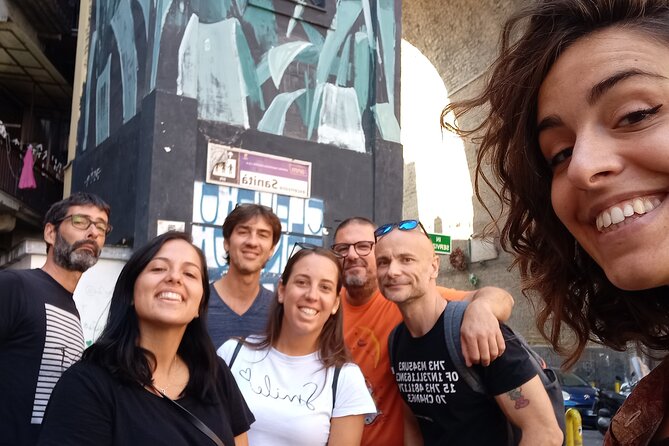
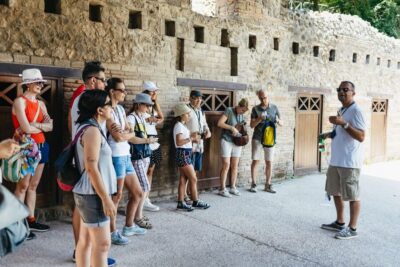
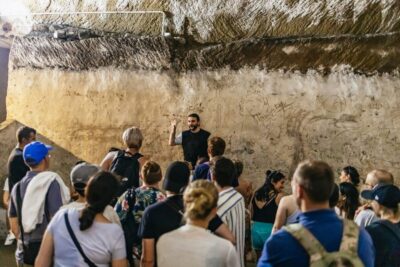
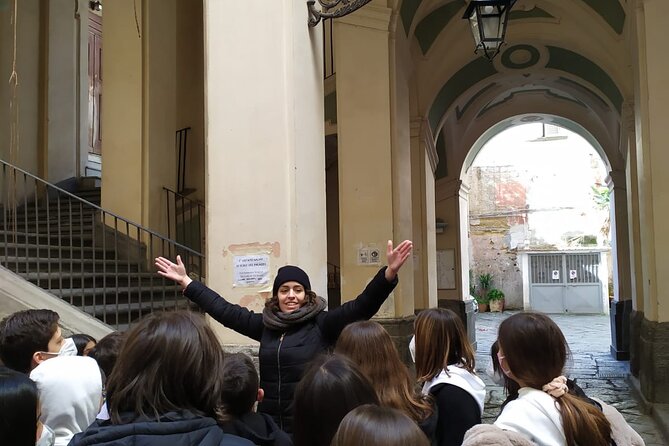
With a maximum of 12 people, you don’t get the usual herd feeling. It’s easier to hear the details, easier to ask questions on the spot, and easier to pause when something catches your eye—like a mural name you didn’t expect to recognize or a door that looks ordinary until you’re told it’s older than you think.
This is also a good pick if you’re tired of “checklist sightseeing.” The walking is structured around places you can actually step into (or right up to), then the guide connects those sights to the neighborhood’s shifts over time.
Via Porta S. Gennaro start and the 10th-century doorway into Neapolis
You meet at Via Porta S. Gennaro, 2 (Naples) and the walk ends back at the same spot. That matters more than it sounds: you’re not dealing with a complicated end-point where you then have to figure out transit across the city.
Right at the start, you’ll see an entrance connected to ancient Neapolis, created in the 10th century. It’s a quick but powerful opening because it resets your mental timeline. Naples didn’t begin with famous landmarks—it has layers that sit right under everyday streets. Standing there, you’ll get a sense for how the neighborhood kept transforming instead of being replaced.
Practical tip: wear shoes you trust. This part of Naples is made for walking—tight streets, uneven surfaces, and stops that ask you to look up as often as you look forward.
Palazzo Dello Spagnolo: Neapolitan Baroque architecture with no admission fee
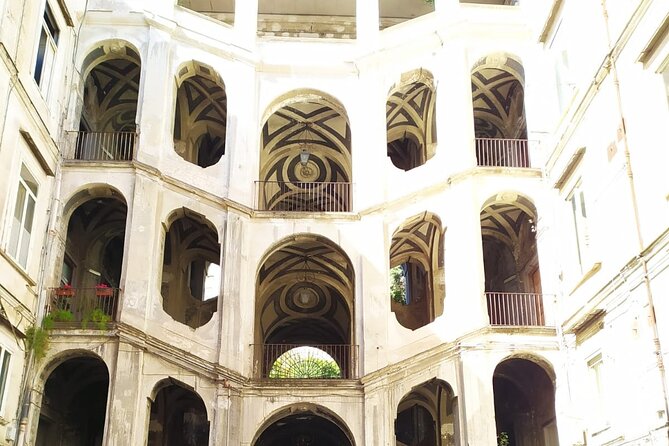
The first palace stop is Palazzo Dello Spagnolo, a national monument with Neapolitan Baroque architecture from the 1700s. You get around 10 minutes here, and the key point is simple: it’s free. That makes this stop feel less like a rushed photo stop and more like a focused look.
In this kind of architecture, the details can get lost if you only skim. Look for the sculptural shapes and the way the façade reads like it’s doing more than being “pretty.” The tour’s value here is that you’re not just staring—you’re learning what the style was meant to communicate in its time.
If you’re the type who likes buildings with clear visual cues—corners, carvings, and dramatic surfaces—you’ll get something out of these few minutes even if you’re not an architecture expert.
Palazzo Sanfelice: early-1700s design and local architectural thinking
Next up is Palazzo Sanfelice, tied to the historic architect Sanfelice from the early 1700s. Again, you get about 10 minutes, and again, entry is free.
This stop works well as a contrast. After the Baroque drama of the previous palace, Palazzo Sanfelice gives you a different way of reading structure and style—more of a “how did they build this so it feels alive?” kind of question. It’s a short stop, so you’ll want to stay present and look closely rather than try to “win” the stop by photographing everything.
If you’re traveling with someone who likes architecture but hates long museum-style visits, this pacing is a big plus.


Santa Maria della Sanità: the majolica dome that holds your gaze
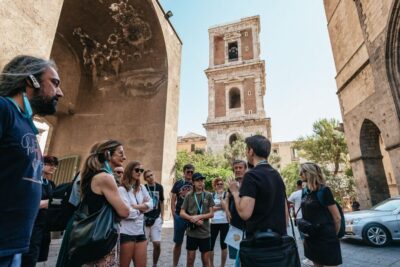
Then comes the highlight for many people: Santa Maria della Sanità. You’ll spend about 20 minutes here, and it’s included at no extra cost.
The main reason to care is the majolica dome—described as a real marvel because it doesn’t behave like a normal decoration. Majolica can look like “just color” from afar, but in person it tends to become pattern, light, and texture all at once. This church is also praised for being evocative—meaning it creates atmosphere, not just a checklist photo.
A practical way to enjoy this stop: don’t rush your first glance. Let your eyes adjust, then look for how the dome’s surface catches whatever light filters in. If you’re visiting in bright conditions, the colors may pop more than you expect.
One more reason this church fits the tour: it’s tied to the neighborhood’s identity. It’s not placed on the route just to “add a church.” It connects naturally to what comes next.
Catacombe di San Gaudioso (optional €11): what you gain and what to skip
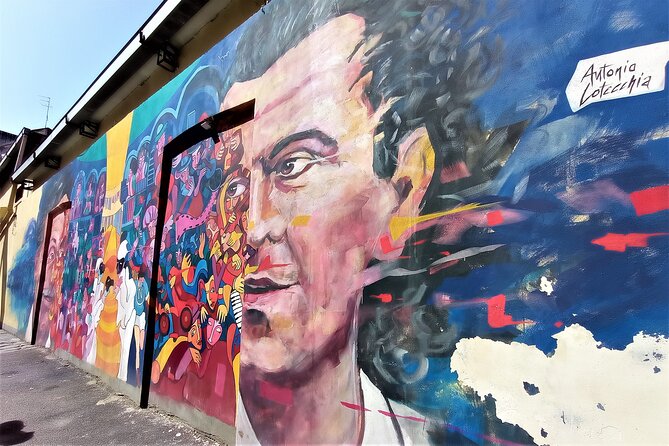
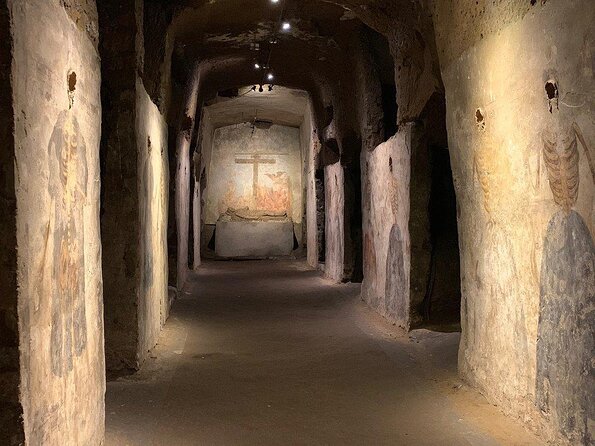
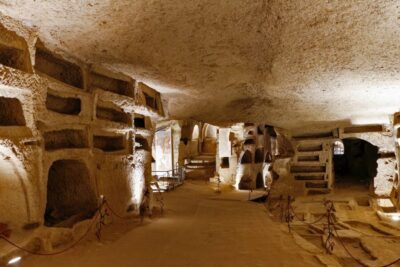
You can add Catacombe di San Gaudioso at the end of the tour. It’s not included in the base price—entry is €11 per person—and you’ll have about 10 minutes as part of the option.
This catacomb is described as the second early Christian cemetery in Naples, and it sits under Santa Maria della Sanità. That makes the pairing smart: you see the church above, then (if you choose) you get the underground layer that helped shape early religious life in the city.
Should you add it? If you like quieter, older spaces and early Christian context, it’s a worthwhile extension. If you’re already tired after the walk, you might decide to skip and still feel like you’ve gotten the core story of the neighborhood.
Either way, the fact that it’s optional is a good design choice. It lets you match the tour to your energy level.
Casa Natale di Totò: paying respect without expecting perfection
In the heart of the Sanità district stands Casa Natale di Totò, linked to the birthplace of the iconic Italian theatre figure Totò. You’ll spend around 20 minutes, and it’s described as being in disastrous conditions.
That detail matters for expectations. You may not get pristine interiors or a museum-like experience. But you can still get value from the cultural meaning—especially if you connect Totò to the neighborhood’s sense of identity and performance culture.
This stop is also a reminder that “heritage” isn’t always preserved in a polished package. Sometimes it’s visible because people keep talking about it, not because it’s been perfectly restored.
If you’re hoping for a photo-perfect attraction, this might disappoint. If you like real Naples—imperfect and human—this will likely land well.
Street art and neighborhood change: murals, names, and today’s story
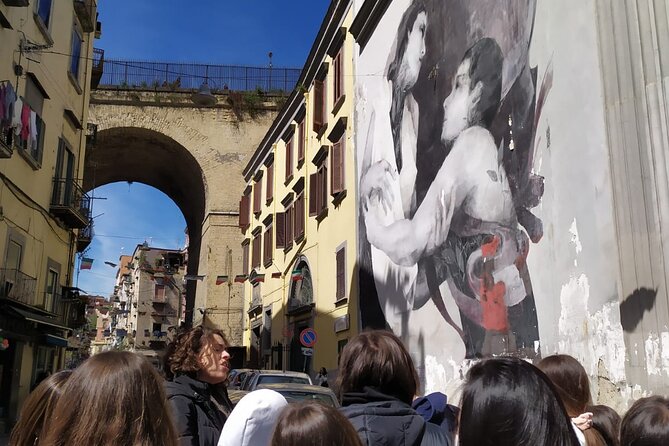
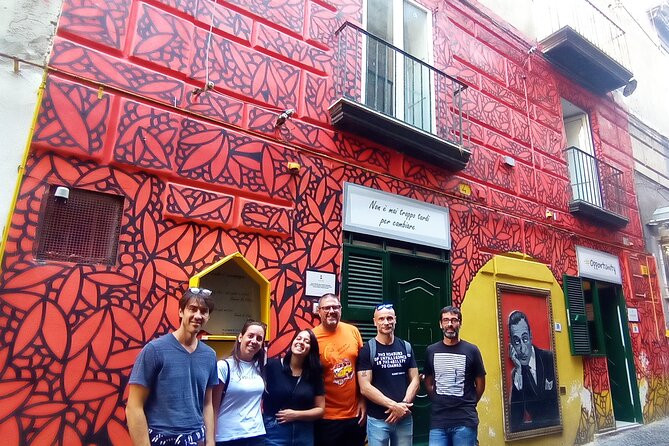
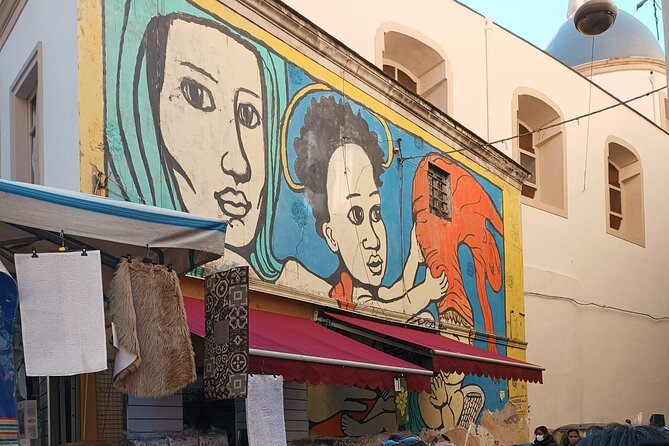
What makes this tour feel different is the way street art is treated as part of a bigger conversation. You’re shown art where it sits in the district, and then you connect it to people and themes that shaped the neighborhood over time.
You’ll hear about earlier eras too—like the idea of the area moving from ancient burial grounds to later roles during crises, then becoming a place for noble families, and later facing strong social exclusion. The tour also points to recent efforts tied to youth cooperatives and regeneration, plus how migration shows up in the neighborhood’s present-day identity.
On the art side, the emphasis includes murals featuring major Italian screen/theatre names such as De Filippo, Troisi, and Totò—plus sculpture by a young artist named Jago, including a piece described as the Veiled Son. It’s the kind of detail that turns street art from decoration into a map of references.
You may also get playful storytelling moments that feel more like a local treasure-hunt than a lecture—stories that include character names like Zio Pepe and a nonno-style figure (as part of the way the guide brings the neighborhood to life). If you like tours that move with humor and character, this approach is a strong match.
Coffee, Fiocco di Neve, and pacing yourself on a 2.5-hour walk
Included in the tour: coffee and/or tea, plus a snack—Fiocco di Neve from Poppella. You also get the practical benefit of a scheduled pause rather than searching for something on your own while you’re already out in the neighborhoods.
This matters on a walking tour. You’re constantly looking up at façades or down at street-level details. A real break keeps you sharp enough to enjoy the church stop and the optional catacombs if you add them.
If you’re sensitive to sugar or just don’t do dessert, you still get the coffee/tea included. Consider it your mid-walk reset button.
Price and logistics: $50.60 for 2.5 hours with free admissions
The price is $50.60 per person for about 2 hours 30 minutes. On paper, that sounds straightforward. The real value comes from what’s included versus what you’d pay separately.
Here’s the math that makes it feel fair:
- Multiple stops have free admission, including major architectural sights and the church
- You get guided structure (so you’re not left guessing what you’re looking at)
- You get coffee/tea and the Fiocco di Neve snack
- The group stays small, capped at 12
Also, this tour runs in English and uses a mobile ticket. That’s handy in Naples, where you don’t want extra friction before you start walking.
One more practical note: it requires good weather. So on rainy days, expect the plan to change or dates to be adjusted.
Who should book this Rione Sanità tour?
This is a great match if you want:
- A neighborhood-focused Naples experience beyond the usual top sights
- Street art with meaning, not just walls to photograph
- A guided walk with short, satisfying stops rather than long indoor sessions
- A tour style that uses local names, stories, and humor to connect the dots
It’s less ideal if you:
- Only want high-end museum interiors and perfectly restored sites
- Prefer fast, minimalist walking with no time in churches or palazzi
- Need predictable comfort for underground spaces and might skip the optional catacombs
If you’re traveling with someone who likes art, architecture, or theatre history (especially Totò), you’ll likely enjoy how those threads come together here.
And if you’re bringing a service animal, you should be set—service animals are allowed.
Should you book this Rione Sanità street art and traditions tour?
Yes—if you want the Naples that lives in the alleys, not only the Naples on postcards. The combination of small-group pacing, multiple free admission stops, and a guide who uses the neighborhood as the classroom makes this a strong value at $50.60.
I’d book it particularly if Santa Maria’s majolica dome is on your “must see” list, and if you like the idea of optional depth with Catacombe di San Gaudioso (you can decide at the end based on your energy).
The only real reason to skip is if you need everything to be pristine and polished. This area is real, including the parts that aren’t restored yet.
FAQ
Where does the tour start?
The tour starts at Via Porta S. Gennaro, 2, 80138 Napoli NA, Italy.
How long is the Rione Sanità tour?
It lasts about 2 hours 30 minutes.
What does the tour cost?
The price is $50.60 per person.
Is the tour offered in English?
Yes, it’s offered in English.
How big is the group?
The tour has a maximum of 12 travelers.
What’s included in the price?
Coffee and/or tea are included, along with snacks (Fiocco di Neve from Poppella).
Is the Catacombe di San Gaudioso visit included?
No. Catacombe di San Gaudioso is optional and costs €11 per person if you choose to go at the end.
Where does the tour end?
It ends back at the meeting point (Via Porta S. Gennaro, 2).
Do I need good weather?
Yes. The experience requires good weather, and if it’s canceled due to poor weather, you’ll be offered a different date or a full refund.
Can I use public transport to get there?
The meeting point is near public transportation.
More Street Art in Naples




More Tours in Naples




More Tour Reviews in Naples

More Naples tours, freshly reviewed




Street Art, compared.
 ★ 5.0Naples Spanish Quarters Walking Tour Street Art, Folklore & SweetFrom $14797 reviews
 ★ 4.9Spanish Quarters Folk Street Art w/ Sweets TastingFrom $14788 reviews
 ★ 5.0Street Art, Wine and Food Tasting Walking TourFrom $32163 reviews
 ★ 4.9Naples Essentials: Monuments, Local Life & Street ArtFrom $2879 reviews
 ★ 4.8Rione Sanità tour among baroque, revival, street art & foodFrom $4759 reviews
 ★ 4.7The Spanish Quarters, Street Art and Local MarketFrom $3559 reviews
 ★ 4.7Street art tour of the Spanish Quarters & Maradona idolFrom $5349 reviews
★ 5.0Rione Sanità Tour among Baroque, Revival, Street Art & FoodFrom $4848 reviews
★ 4.7Street art tour of the Spanish Quarters & Maradona idolFrom $5349 reviews
★ 5.0Rione Sanità Tour among Baroque, Revival, Street Art & FoodFrom $4848 reviews
Browse the lists this tour appears in