
Review · STREET ART
Naples Essentials: Monuments, Local Life & Street Art
Naples hits you fast, then stays with you. This is a smart way to get your bearings on foot, with Piazza del Plebiscito setting the grand mood and your guide, often Davide, tying it all to real street life. I especially liked the way you move from famous facades to daily neighborhood scenes, and how Maradona street art gets explained as more than wall decoration.
You’ll also get a balanced route: major sights like Teatro di San Carlo and Castel Nuovo, plus the human scale of the Quartieri Spagnoli where you’ll see laundry overhead and street art that feels woven into everyday routines. One thing to plan for: the walking is moderate on busy, uneven streets, so comfy shoes and an umbrella are not optional.
In This Review
- Key Highlights You Should Not Skip
- Piazza del Plebiscito: The Big Square That Explains the City
- Royal Facades and Opera House Energy: San Carlo and San Francesco di Paola
- Castel Nuovo (Maschio Angioino): Where Naples Looks Like a Power Center
- Galleria Umberto I: A Belle Époque Walk Under Glass
- Quartieri Spagnoli: Laundry Lines, Street Art, and the Maradona Connection
- Via Toledo and Toledo Metro Art Station: Modern Naples on a Grand Street
- Tour Details That Actually Affect Your Day (Not Just Logistics)
- Who This Fits Best (And Who Might Want Another Option)
- Should You Book Naples Essentials: Monuments, Local Life & Street Art?
- FAQ
- How long is the Naples walking tour?
- Where does the tour start?
- What is the price per person?
- What’s included in the ticket price?
- Is food or attraction entry included?
- What languages are available for the guide?
- What should I bring?
- Is this tour suitable for children or wheelchair users?
Key Highlights You Should Not Skip
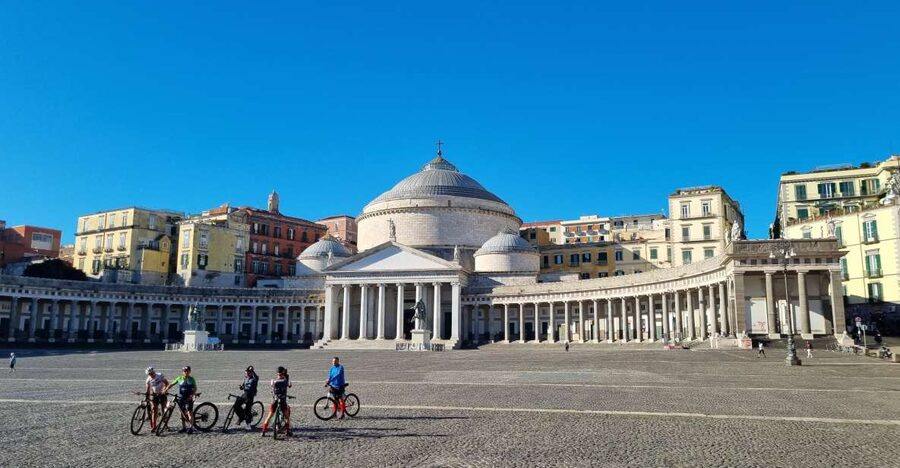
- Piazza del Plebiscito as the best Naples starting line, not a random tourist stop
- San Carlo Opera House and Basilica of San Francesco di Paola seen with context, not just photos
- Castel Nuovo (Maschio Angioino) and its Arch of Triumph, framed as Mediterranean power
- Galleria Umberto I with the glass-dome feel of a classic Belle Époque arcade
- Quartieri Spagnoli + Maradona murals, where the art’s cultural meaning is part of the story
Other Naples outings worth a look before you book
- Naples Spanish Quarters Walking Tour Street Art, Folklore & Sweet★ 5.0 · 797 reviews
- Naples: Spanish Quarters Folk Street Art w/ Sweets Tasting★ 4.9 · 788 reviews
- Naples: Street Art, Wine and Food Tasting Walking Tour★ 5.0 · 163 reviews
- Naples: The Spanish Quarters, Street Art and Local Market★ 4.7 · 59 reviews
Piazza del Plebiscito: The Big Square That Explains the City
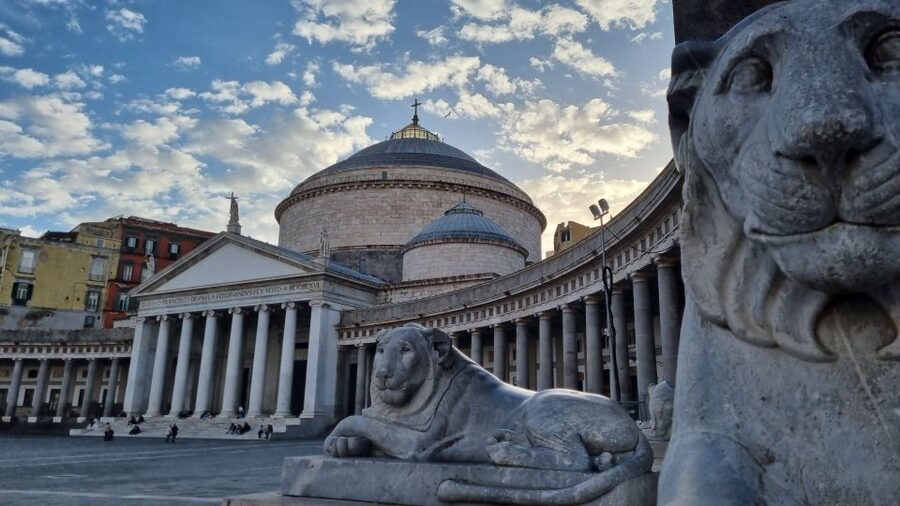
I love starting Naples at Piazza del Plebiscito because it gives you contrast right away: grand royal space next to a city that breathes through streets. You start here as a meeting point for Neapolitans, not just a photo backdrop. From the first minutes, you’ll be noticing how Naples mixes ceremony and chaos in the same block.
Your guide sets the tone with stories that connect rulers, institutions, and ordinary habits. That matters, because Naples can feel hard to read on your own. Standing in this wide, impressive square, you can understand why the city has always been a crossroads—politically important, culturally loud, and stubbornly local.
What I liked most was how you’re not rushed past the classics. You’re encouraged to look closely at what’s in front of you, then immediately hear why it matters. That approach pays off later when you step into narrower streets and the energy changes. You’ll remember the earlier moments because they were explained in plain language, often with humor, and it keeps the tour from turning into a lecture.
Royal Facades and Opera House Energy: San Carlo and San Francesco di Paola
After the square, the walk leans into Naples’ showpiece architecture. You’ll admire the exterior of the Royal Palace and the majestic Basilica of San Francesco di Paola. These stops are brief by design, but they work well because your guide gives quick context—what the buildings represent and how Naples has used power and spectacle to build identity.
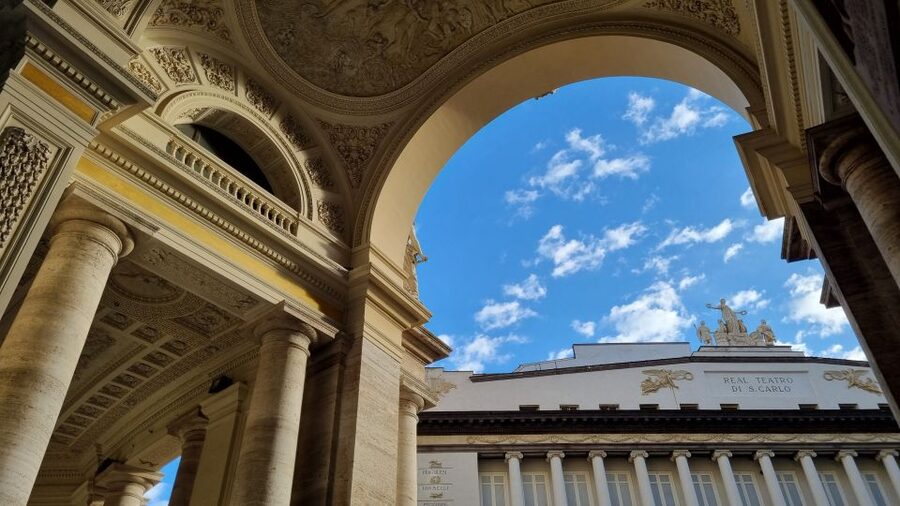
One of the biggest names you’ll spot is the San Carlo Opera House. It’s famous worldwide, and what’s useful on this tour is that you learn why it’s so enduring: it’s the oldest opera house still in use in Europe. Even if you never plan to buy an opera ticket, this is the kind of detail that makes the city feel more specific and real. You start seeing Naples not just as street art and street food, but also as a long-running stage for culture.
I also appreciate that the pace stays human. You’re walking on foot for about two hours total, and each monument comes with a reason, not just a date. That keeps it from feeling like you’re collecting stops. Instead, you’re building a picture of how royal ambitions and everyday traditions share the same geography.
Castel Nuovo (Maschio Angioino): Where Naples Looks Like a Power Center
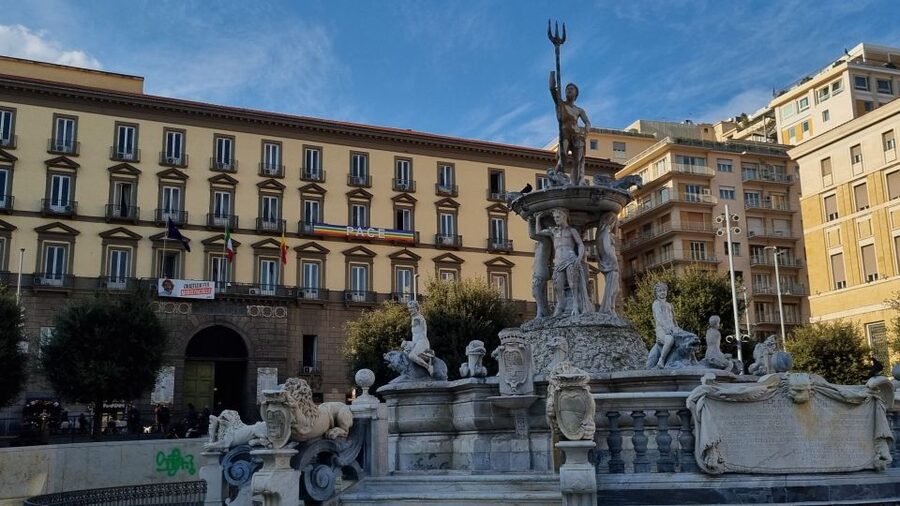
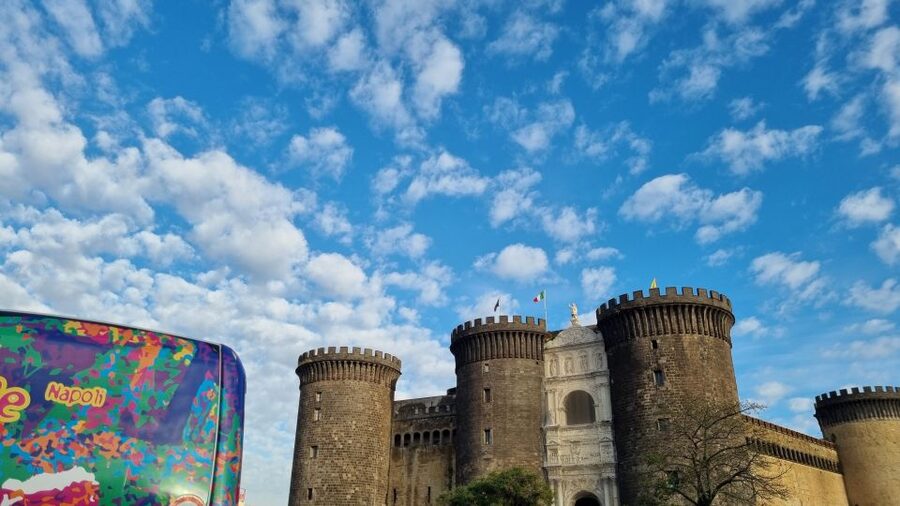
Castel Nuovo, also known as Maschio Angioino, gives you a medieval anchor in the middle of the walk. When you reach it, you’re not just looking at a fortress silhouette—you’re seeing a symbol of the city’s past as a major Mediterranean capital.
A key moment here is the Arch of Triumph. It’s a reminder of Naples’ role in wider European and Mediterranean ambitions. That might sound grand, but your guide keeps it grounded: the point is to understand how cities like Naples used monumental architecture to claim influence and signal arrival.
This is one of those stops where you’ll get more out of it if you slow down. Look at the structure, then connect it to what you heard earlier in Piazza del Plebiscito. The city starts to feel like a single story told across different eras, rather than separate unrelated sights.
A practical note: castles and arches can look very different from a distance versus up close, and this tour keeps you moving so you don’t lose the thread. You’ll be in position for the best views without feeling like you’re stuck in a long waiting line for something that isn’t included anyway.
Galleria Umberto I: A Belle Époque Walk Under Glass
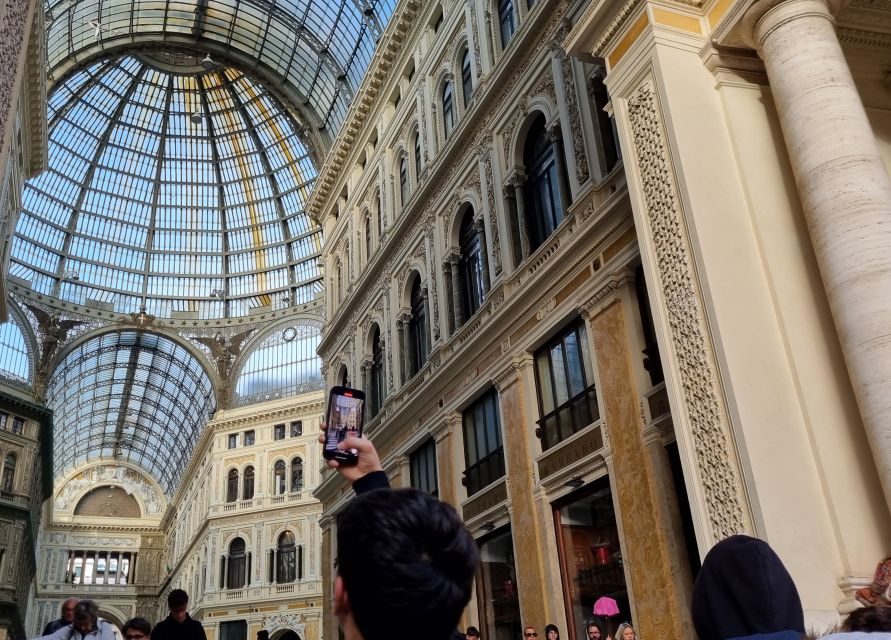
Then the mood shifts. You step into Galleria Umberto I, and suddenly Naples feels more refined, like you’ve crossed into a different century. The showstopper is the spectacular glass dome, and the vibe is classic Belle Époque—an elegant arcade atmosphere where strolling becomes part of the experience.
This segment is valuable because it breaks the pattern. After heavy history and street-level intensity, the galleria gives you a pause that still feels Naples. It’s not just pretty architecture; it’s also a lesson in how the city modernized in its own style—through public spaces that invite people to gather.
If you’re taking photos, this is the best place to slow your pace. The overhead glass and interior reflections can be tricky in bright sun or dim light, so you’ll appreciate the time to position yourself. And even if you don’t care about photography, it’s a nice sensory reset before heading to the Quartieri Spagnoli.

Quartieri Spagnoli: Laundry Lines, Street Art, and the Maradona Connection
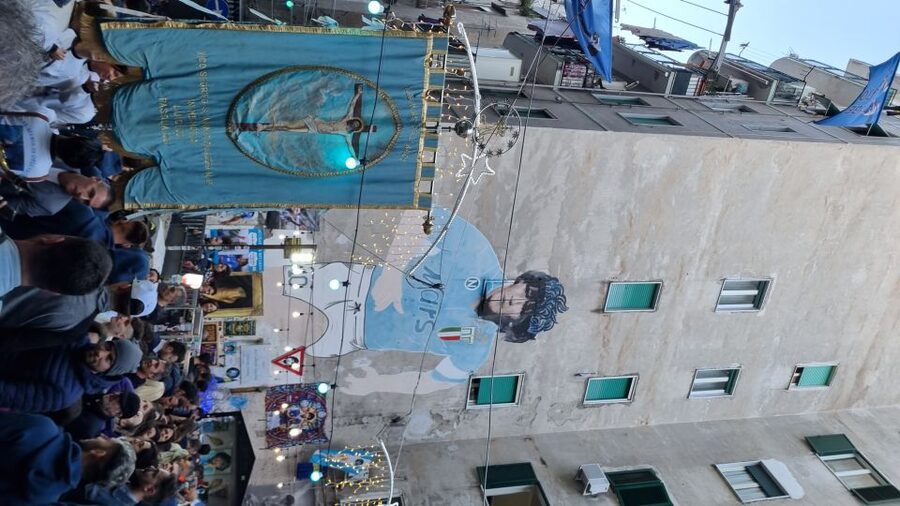
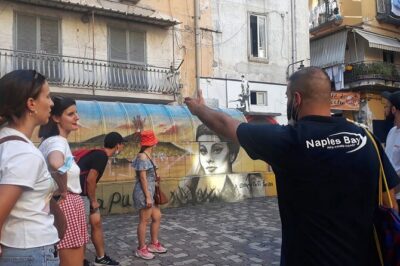
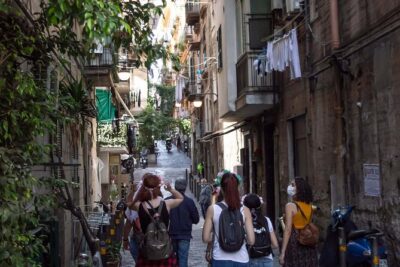
This is the heart of the tour in spirit, even if not every minute is slow. Quartieri Spagnoli is where Naples feels most like itself: narrow streets, local voices bouncing off walls, and everyday details like laundry hanging overhead. It’s the kind of neighborhood where life isn’t staged for visitors, and that authenticity is exactly why it’s included.
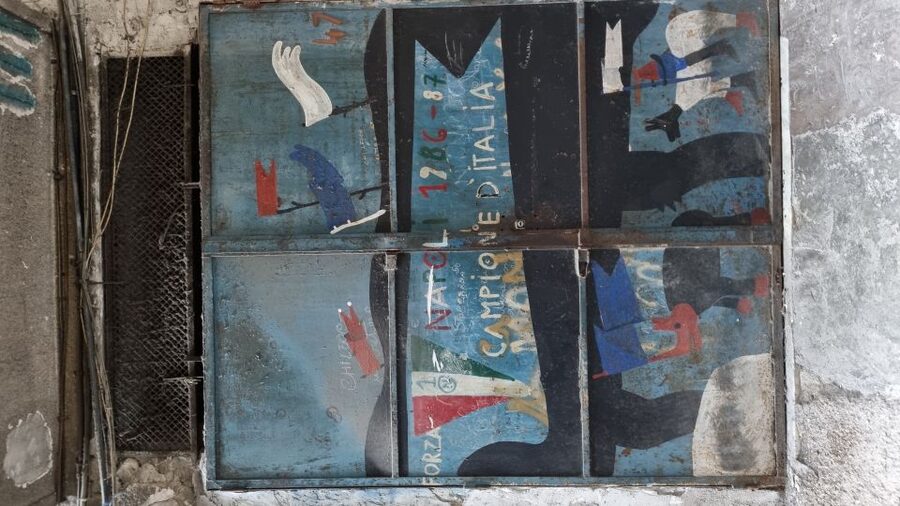
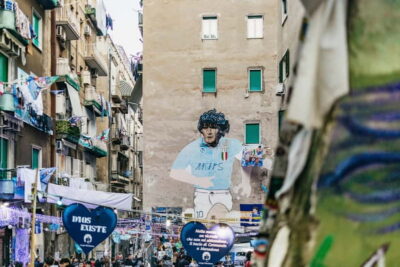
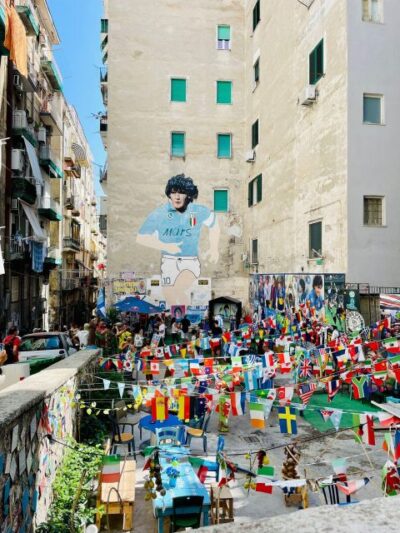
Street art is part of the story here, especially the famous Maradona murals. What makes this stop matter is the cultural meaning your guide connects to Maradona and why Diego Armando Maradona is still deeply loved and celebrated by Neapolitans. You’re not just looking at a face on a wall—you’re learning why the symbol continues to matter in the city’s identity.
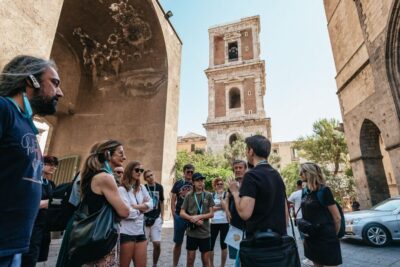
This is also where your guide’s style really helps. In the past, the guide’s humor and storytelling have made the tour easier to enjoy even for younger people who don’t naturally gravitate toward walking tours. If you’re traveling with a teen or a friend who gets impatient with history facts, this neighborhood section is often the turning point.
One practical consideration: this area can be crowded and loud. It’s part of the experience, but it also means you’ll want to keep your head up and watch your footing. The streets are uneven and busy, so treat this portion like you’re walking through a working neighborhood, not a theme park.
Via Toledo and Toledo Metro Art Station: Modern Naples on a Grand Street
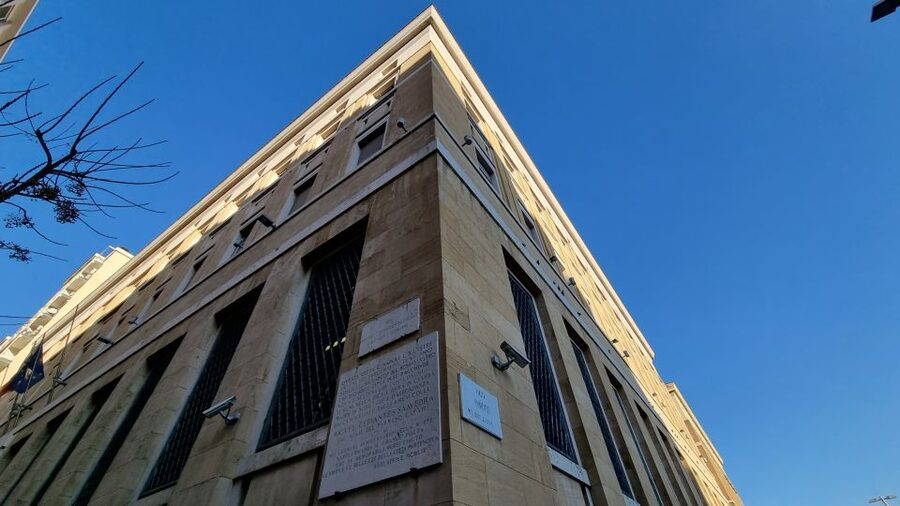
The tour finishes along Via Toledo, one of Naples’ main streets where history rubs shoulders with modern city life. You’ll also see the historic Bank of Naples, which adds another layer to the city’s identity: commerce and culture in the same frame.
Then you end near the Toledo Metro Art Station, described as one of the most beautiful metro stations in Europe. Even if you’re not planning to ride the subway immediately, this is a strong finishing note. It gives you something visually striking right when your energy is fading—so you leave with a concrete image of Naples as a city that invests in public design.
Ending near a metro stop is also practical. You get options for how to continue your day without backtracking. If your next plan is dinner, wandering, or another museum, this finish helps you stay efficient.
Tour Details That Actually Affect Your Day (Not Just Logistics)
This is a 2-hour walking tour at $28 per person, and the value comes from the mix. For one price, you get an expert local guide, a route through major monuments, and time in a lived-in neighborhood where Naples shows you its daily rhythms. If you’re doing Naples for the first time and want to cover both “big sights” and “real life,” two hours is long enough to feel informed and short enough to stay flexible.
A few practical points you should factor in:
- Bring comfortable shoes because the walking is moderate and the streets can be uneven.
- Bring an umbrella since the tour runs in all weather conditions.
- You may use headsets for clear audio when required, which helps if the group gets noisy in crowded areas.
- Entry tickets and food/drinks are not included, so plan to pay for those separately if you want to go inside anything.
You also shouldn’t plan to bring luggage or large bags. The tour is better when you’re light and can move through narrow streets without friction.
Languages available are English, Spanish, and Italian, and private groups are possible if you want a tailor-made pace.
Who This Fits Best (And Who Might Want Another Option)
I think this tour is ideal for first-time visitors who want structure without killing the vibe. You’ll get an on-foot introduction to major monuments, then a clear shift into Quartieri Spagnoli where the city feels personal and lived-in. It’s also good if you want street art context—specifically the Maradona murals—because you’re not left guessing.
It may not be ideal if you need step-free routes. The tour is not suitable for wheelchair users, and it’s not suitable for children under 10. It also involves busy city areas, so if you prefer quiet sightseeing, this one might feel intense.
If you’re a couple, a solo visitor, or a small group who likes guided storytelling, you’ll probably enjoy the way each stop connects to the next. And if you’re traveling with people who get bored by long explanations, the balance of architecture and neighborhood life helps keep energy up.
Should You Book Naples Essentials: Monuments, Local Life & Street Art?
If you’re trying to decide between “just monuments” and “just street wandering,” I’d book this. The route gives you both, and the guide helps you understand what you’re seeing instead of treating it like a checklist. The Maradona street art portion, plus the neighborhood details in Quartieri Spagnoli, makes it more than a typical highlights walk.
You’ll get the most out of it if you like a guided narrative and you’re comfortable walking for a couple of hours on uneven streets. If that sounds like your kind of day, it’s a strong value at $28.
FAQ
How long is the Naples walking tour?
It lasts 2 hours.
Where does the tour start?
It starts in Piazza del Plebiscito, and the exact meeting point may vary depending on the option booked.
What is the price per person?
The price is $28 per person.
What’s included in the ticket price?
You get a licensed local guide, a guided walking tour, and headsets for clear audio when required.
Is food or attraction entry included?
No. Food and drinks are not included, and entry to attractions is also not included.
What languages are available for the guide?
The tour is offered with a live guide in English, Spanish, and Italian.
What should I bring?
Bring comfortable shoes and an umbrella.
Is this tour suitable for children or wheelchair users?
It is not suitable for children under 10 and it is not suitable for wheelchair users.
More Street Art in Naples





More Tour Reviews in Naples


More Naples tours, freshly reviewed





Street Art, compared.
 ★ 5.0Naples Spanish Quarters Walking Tour Street Art, Folklore & SweetFrom $14797 reviews
 ★ 4.9Spanish Quarters Folk Street Art w/ Sweets TastingFrom $14788 reviews
 ★ 5.0Street Art, Wine and Food Tasting Walking TourFrom $32163 reviews
 ★ 4.8Rione Sanità tour among baroque, revival, street art & foodFrom $4759 reviews
 ★ 4.7The Spanish Quarters, Street Art and Local MarketFrom $3559 reviews
 ★ 4.7Street art tour of the Spanish Quarters & Maradona idolFrom $5349 reviews
★ 5.0Rione Sanità Tour among Baroque, Revival, Street Art & FoodFrom $4848 reviews
★ 4.7Street art tour of the Spanish Quarters & Maradona idolFrom $5349 reviews
★ 5.0Rione Sanità Tour among Baroque, Revival, Street Art & FoodFrom $4848 reviews
 ★ 5.0Spanish Quarter of Neaples StreetArt & Traditions, with coffee and babàFrom $4547 reviews
Browse the lists this tour appears in