
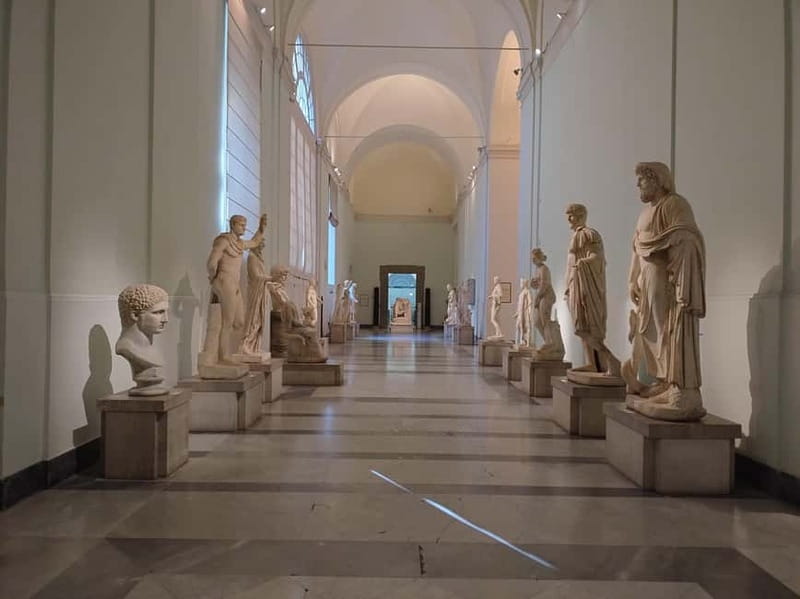
Review · NAPLES ARCHAEOLOGICAL MUSEUM TOURS
National Archaeological Museum synchronized audioguided tour without QR or app
Naples’ MANN sounds different with synchronized headphones. This tour uses headset audio timed to a live operator, so the museum reads like a story instead of a checklist. I like the priority access that helps you start fast, and I like that there’s no QR, no app, no map—you just follow the staff.
The main thing to weigh is time. At 2.5 hours, it’s focused, and you may not get long solo stops to stare at every sculpture or mosaic.
In This Review
- Key Takeaways
- Entering The MANN Main Entrance: No-App Guidance That Actually Works
- Synchronized Headphones With a Live Operator: Why It Feels Different
- Farnese Gallery Stops: Sculpture, Symbols, and Fast Orientation
- Caracalla Bath Atmosphere: Colossal Statues With Daily-Life Context
- Pompeii and Herculaneum Rooms: Frescoes, Mosaics, and Villa Life
- The House of the Faun Mosaic: Learning to Look Like an Insider
- Villa Frescoes and Everyday Objects
- Pace, Breaks, and That 2.5-Hour Timebox
- Priority Access and Service: Where the $71 Actually Lands
- Who Should Book This MANN Headset Tour
- Should You Book This MANN Audio Tour?
- FAQ
- Do I need a QR code or an app for this tour?
- Where do I meet for the tour?
- How long is the tour, and what’s included in the price?
- What languages are available?
- What items are not allowed?
- Is this tour suitable for children or older visitors?
Key Takeaways
- No QR or app needed: you rely on synchronized headphones and staff guidance, not phone screens.
- Priority access: designed to keep waiting time down so you can enjoy the galleries.
- Live operator pacing: the tour stays coordinated even inside a huge museum.
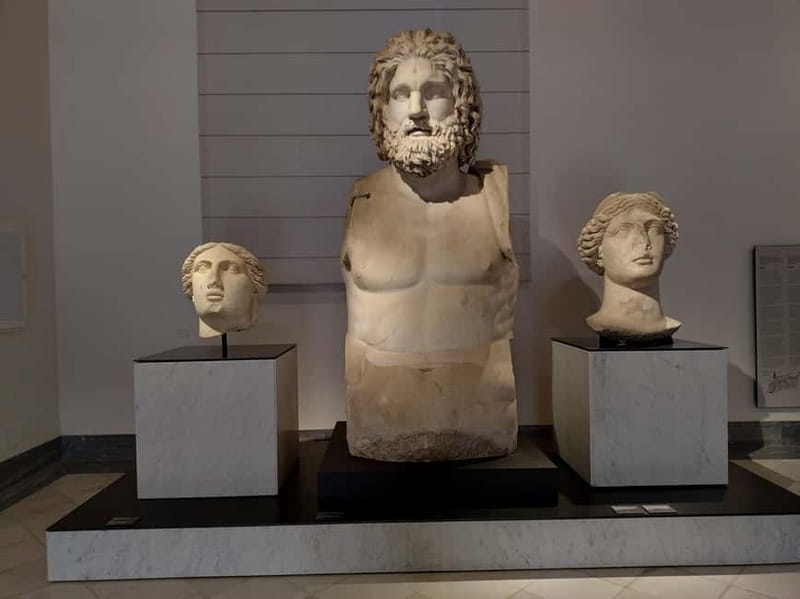
- Farnese Gallery first: ancient sculpture gets context fast, including gods and emperors.
- Pompeii + Herculaneum highlights: frescoes, mosaics, and villa details are explained in an easy-to-follow route.
- Guide support can be personal: Antonio (when assigned) has a reputation for adapting to your pace and interests.
Where the Pompeii frescoes ended up: more museum visits
- Naples: National Archaeological Museum audio guide★ 4.0 · 155 reviews
- Skip the Line: National Archaeological Museum of Naples Entry Ticket★ 3.5 · 82 reviews
- National Archaeological Museum of Naples★ 4.5 · 61 reviews
- Archaeological Museum of Naples Small Group Tour with an Archaeologist★ 5.0 · 51 reviews
Entering The MANN Main Entrance: No-App Guidance That Actually Works
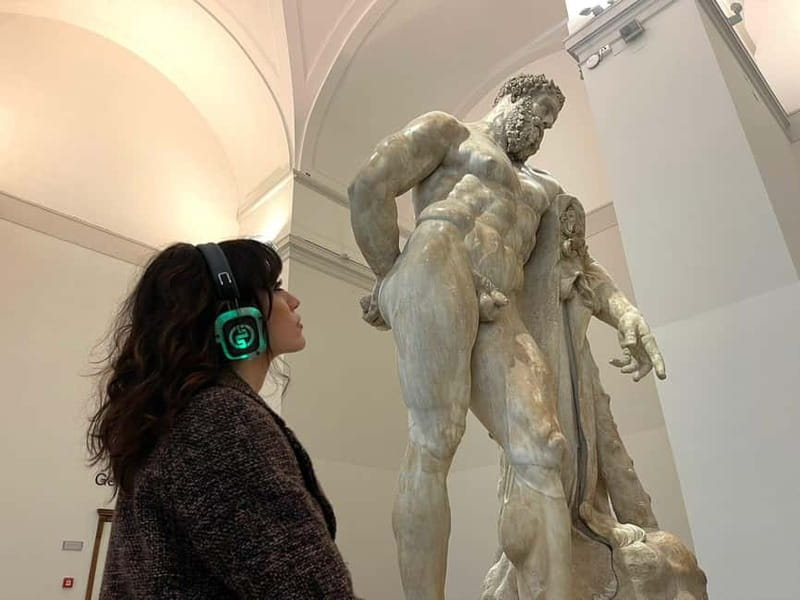
This experience starts at the main entrance of the National Archaeological Museum of Naples (MANN). The big selling point is also the simple one: there’s no QR code, no app, and no printed map shoved into your hands. Instead, you get headphones and a staff team that keeps the flow moving.
If you’ve ever wandered a big museum with silence + a map + your own confusion, you’ll appreciate the opposite approach here. You’re not managing content and navigation at the same time. You listen, move when the group moves, and let the audio do the heavy lifting.
You should also plan for the basic rules. Backpacks are not allowed, and you can’t record audio. The goal is that the headphones stay clear and the tour stays calm.
Synchronized Headphones With a Live Operator: Why It Feels Different
The concept is clean: your headphones deliver narration and audio cues that are synchronized as you walk. What makes it better than a random prerecorded audio guide is that an operator is present and guiding the rhythm.
In practice, that matters in a place like MANN, where you can easily get distracted by scale. The synchronized format helps you “arrive” at each object with the right context—before you move on. You spend less time asking what you’re looking at, and more time understanding why it’s here.
Another plus: the guide and audio are in Spanish, English, or Italian, though some content can appear in its original language. Even if you catch a few phrases you don’t fully translate, you’ll still get the story structure clearly through the narration.
And yes, the headphones do the job: one guest described how the headset format makes it easy to hear well while you’re moving through rooms.
Farnese Gallery Stops: Sculpture, Symbols, and Fast Orientation
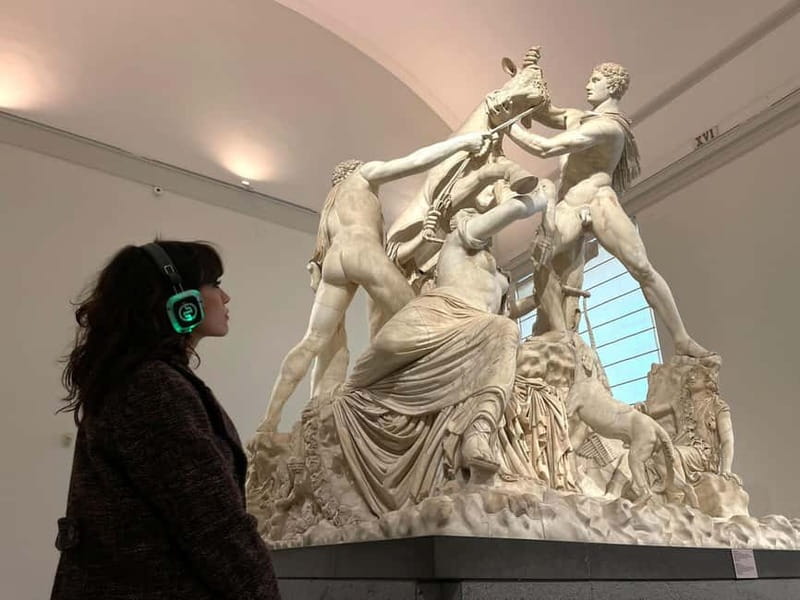
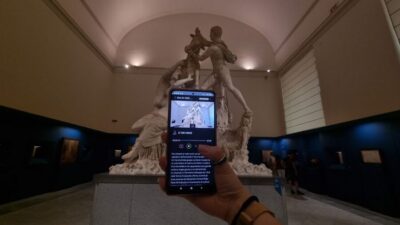
The route begins in the Farnese Gallery. This is where the tour earns its keep quickly, because you’re not just seeing famous statues—you’re learning how they connect to their original world.
You’ll focus on highlights from the ancient sculpture collection, including impressive figures of gods and emperors. The narration covers where the works come from, how they were discovered, and what meaning they carried in antiquity. That kind of explanation changes how you look at details like pose, subject, and the overall effect the sculptures were meant to produce.
Here’s what I think you’ll enjoy: the tour’s pacing pushes you to pay attention to what makes each piece distinctive. You’re not left alone with a room full of marble and a vague sense of importance. You get a reason to notice.
A small drawback to accept upfront: if you strongly prefer unhurried “stand and stare” time, the guided format won’t be your favorite style. It’s built for flow, not for browsing at your own speed.
Caracalla Bath Atmosphere: Colossal Statues With Daily-Life Context
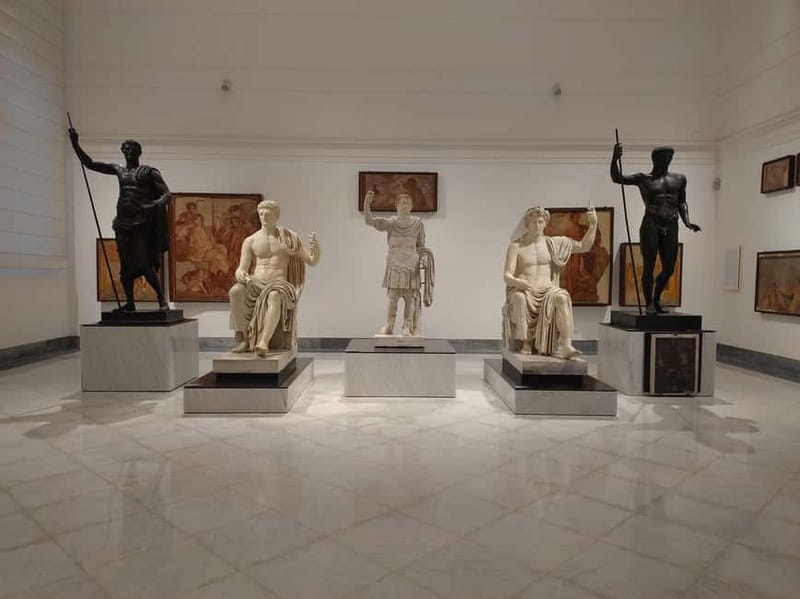
After the Farnese Gallery, you move into the atmosphere of the Baths of Caracalla section. The key word here is scale. These are described as colossal works, and the audio is designed to help you imagine the statues in their original setting.
Instead of treating the statues like museum objects only, the narration adds the feel of what the bath complex once represented. You’re guided through anecdotes and trivia about daily life in imperial Rome, and the sound design helps you mentally reconstruct the environment around the marble giants.
Why this stop matters for value: without guidance, it’s easy to miss the “why now” of a display. The tour pushes you past surface viewing so you can connect the artwork to how people lived and gathered back then.
One practical tip: give your ears a moment when you arrive in the room. Let the audio cue establish the scene before you start scanning the statues. That’s where the synchronized format really pays off.
Other Naples outings worth a look before you book



Pompeii and Herculaneum Rooms: Frescoes, Mosaics, and Villa Life
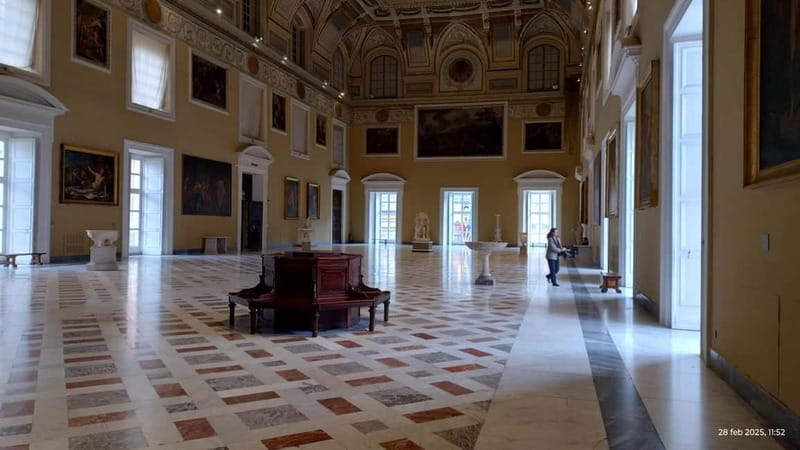
Then comes the part many people come for: the sections connected to Pompeii and Herculaneum. You’ll hear how the cities were submerged by the eruption of Vesuvius in 79 AD, and you’ll see why that disaster still fascinates people today.
MANN holds major collections linked to daily life from those villas—especially frescoes, mosaics, and statues. The audio approach here is built to do something important: translate artifacts into lived spaces. You’re guided to imagine the settings, not just identify materials.
You’ll also hear descriptions that help you picture a living city—sound cues and storytelling details are used to bring the “environment” into your understanding. It’s not magic, but it’s a helpful mental shortcut.
The House of the Faun Mosaic: Learning to Look Like an Insider
One named highlight is the mosaics connected with the House of the Faun. The tour explains the detailed mosaics in a way that helps you picture people walking through the decorated atrium.
If mosaics are your thing, this is where the headphones really turn into a learning tool. You’ll spend your time looking for patterns and placement, not just admiring the fact that the design exists.
Villa Frescoes and Everyday Objects
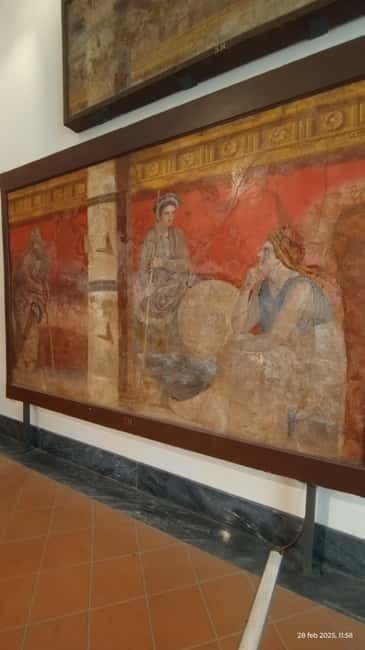
The narration also covers frescoes from the villas—stories tied to myths, heroes, and gods—as well as statues and objects that represent everyday life. That combination gives you a fuller picture than “big art only.”
The best part is the preservation angle: the artifacts are described as perfectly preserved under the ash for nearly two thousand years. The tour uses that to frame why these objects feel so immediate rather than frozen.
Pace, Breaks, and That 2.5-Hour Timebox
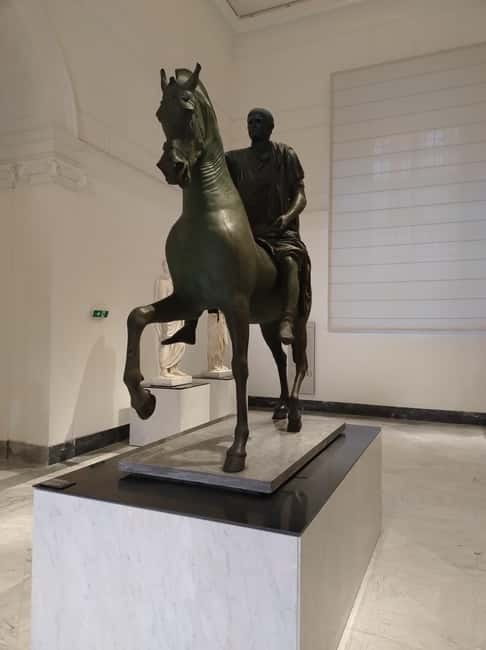
This tour runs about 2.5 hours. That’s enough time to cover several major wings of MANN, but it won’t be enough if you plan to treat the visit like a personal museum marathon.
The good news is that the experience includes assistance throughout the tour, which helps you stay calm when a museum layout feels confusing. One guide named Antonio has been described as friendly and good at reading your rhythm—so if you need a moment, you’re not left stranded.
That said, you should know the trade-off: this is still a structured route. If you’re the type who likes to stop for photos and then get lost in side rooms, you may feel constrained.
There’s also one timing consideration worth taking seriously. If you book a late slot and the museum is closed early that day, entry can fail. One guest had trouble because the museum closed at 2 pm and the planned entry time was 3:30. So check the day’s hours before you rely on a specific arrival time.
Priority Access and Service: Where the $71 Actually Lands

At $71 per person for about 2.5 hours, you’re paying for three things at once:
- Entrance to the museum
- Headphones with synchronized audio
- Assistance during the route, plus priority access to reduce waiting
If you’ve ever paid for “just a guide,” this feels different. You’re not only buying a person. You’re buying the audio system, the timing, and the staff work that keeps the experience coordinated inside a large museum.
Is it the cheapest way to see MANN? No, because it’s a guided, headset-based format. But it can be a good value when you consider what you lose on a self-guided visit: decision fatigue, wasted time trying to match objects to stories, and the chance you miss the best sections.
Also, it’s smart that lunch isn’t included. You can plan a real meal afterward without waiting on a packaged group schedule.
Who Should Book This MANN Headset Tour
This works best if you want structure and context more than you want free wandering.
You’ll likely love it if:
- You appreciate art and history but don’t want to spend the whole visit figuring out what everything is.
- You prefer a calm, guided pace with staff nearby instead of constant decision-making.
- You want a route that targets major highlights like the Farnese Gallery and the Pompeii/Herculaneum collections.
It may not be ideal if:
- You need lots of time to pause and go off on your own.
- You don’t handle audio-guided experiences well.
- You’re traveling with someone outside the stated suitability limits.
The tour also isn’t suitable for children under 8 years and people over 70. If you’re traveling as a mixed-age group, plan carefully around those limits.
Should You Book This MANN Audio Tour?
If you’re heading to Naples and you want MANN to feel organized and story-driven, I’d book it—especially because it removes the tech friction. No QR, no app, no maps means you can focus on the museum instead of your phone battery or screen glare.
I’d skip or rethink it if your schedule is tight, you’re coming late and worried about museum closing times, or you know you’ll want long solo time in the galleries. In that case, a flexible self-guided approach might fit better.
Overall, for $71 and 2.5 hours, the value is in the combination of priority access + synchronized headphones + human assistance. That mix is exactly what you want in a museum as big and detail-heavy as MANN.
FAQ
Do I need a QR code or an app for this tour?
No. There are no QR codes, no app, and no maps provided. You follow the staff and listen through the synchronized headphones.
Where do I meet for the tour?
You meet at the main entrance of the National Archaeological Museum of Naples (MANN).
How long is the tour, and what’s included in the price?
The tour lasts about 2.5 hours and includes museum entrance, immersive-sound headphones, accurate descriptions in your chosen language, and assistance throughout the tour.
What languages are available?
The tour offers narration in Spanish, English, and Italian. Some content may be shown in its original language.
What items are not allowed?
You can’t bring backpacks, you can’t make noise, and audio recording is not allowed.
Is this tour suitable for children or older visitors?
It is not suitable for children under 8 years and for people over 70.
More Tours in Naples





More Tour Reviews in Naples

More at the Archaeological Museum





More Naples tours, freshly reviewed





Naples Archaeological Museum Tours, compared.
 ★ 4.4National Archaeological Museum Ticket & Audio AppFrom $29617 reviews
 ★ 4.8National Archaeological Museum of Naples Guided TourFrom $52498 reviews
 ★ 4.2National Archaeological Museum Tour & Digital GuideFrom $40177 reviews
 ★ 4.0National Archaeological Museum audio guideFrom $4155 reviews
 ★ 3.5Skip the Line: National Archaeological Museum of Naples Entry TicketFrom $3882 reviews
 ★ 4.5National Archaeological Museum of NaplesFrom $6061 reviews
 ★ 5.0Archaeological Museum of Naples Small Group Tour with an ArchaeologistFrom $5251 reviews
 ★ 5.0Naples Archaeological Museum 2-Hour Guided Private TourFrom $15651 reviews
Browse the lists this tour appears in