
Review · NAPLES CATACOMBS TOURS
Naples: San Gennaro & Caravaggio Combined ticket
Caravaggio in Naples can feel like a plot twist. With one ticket, you’ll see Caravaggio’s Seven Works of Mercy at Pio Monte della Misericordia and then head to the Treasure of San Gennaro with an audio guide; the main drawback is that this is not a live guided tour, so you’ll rely on the audio more than a person telling you what to notice.
This is a smart, time-friendly way to pack two of Naples’s most meaningful art stops into about 2 hours—and it’s especially good value because the price covers both sites and skips the ticket line.
In This Review
- Key things worth noting before you go
- A combined Naples ticket that saves time and money
- Pio Monte della Misericordia: where charity became a museum setting
- The palace and its 17th-century art focus
- What you’ll notice (and what you might miss)
- Caravaggio’s Seven Works of Mercy: dramatic art with a purpose
- Practical tip for getting the most out of this room
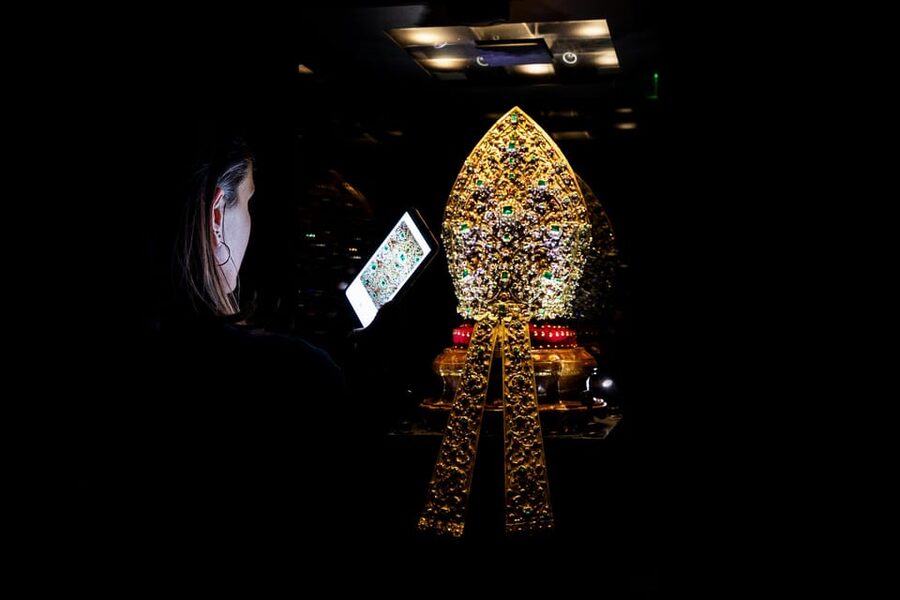
- The Treasure of San Gennaro: devotion turned into dazzling objects
- What’s included with your ticket: Chapel, Treasure, and sacristies
- Audio guide support: the quiet way to learn faster
- Accessibility and inclusivity: designed for more than one kind of visitor
- Why this is more than a checkbox
- Logistics that affect your experience (without the fluff)
- Who this ticket suits best
- Who should think twice
- Should you book the Naples San Gennaro and Caravaggio combined ticket?
- FAQ
- What does the Naples San Gennaro & Caravaggio combined ticket include?
- Is this experience a guided tour?
- How long does the visit take?
- Where do I meet for this ticket?
- Does the ticket include an audio guide?
- Can I skip the ticket line?
- Is it wheelchair accessible?
- Are pets allowed?
- Can I reserve now and pay later?
- What is the cancellation policy?
Key things worth noting before you go
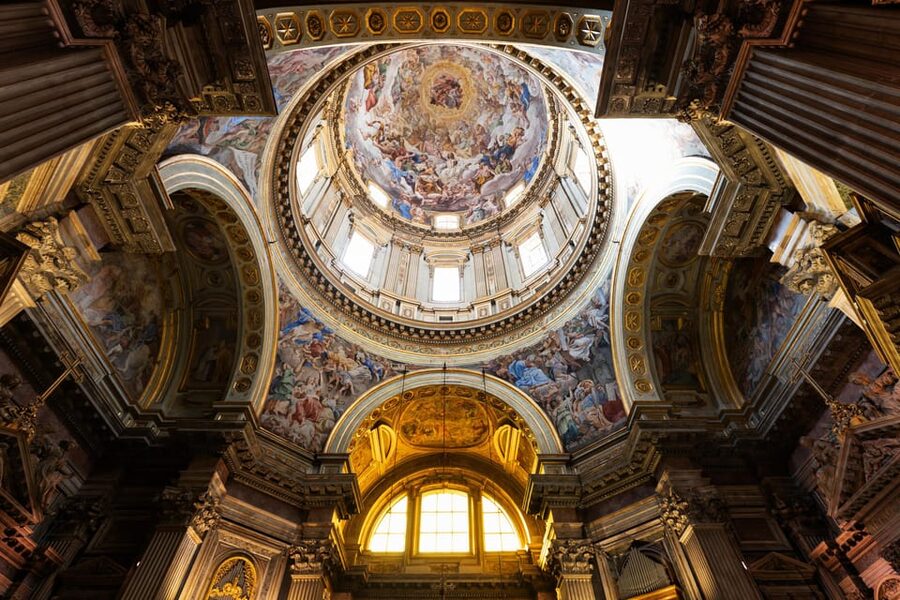
- One ticket, two must-sees: Pio Monte della Misericordia plus the Chapel and Treasure of San Gennaro
- Audio guide included for the Chapel of San Gennaro, the Treasure, and the sacristies
- Caravaggio + Neapolitan masters in one 17th-century setting
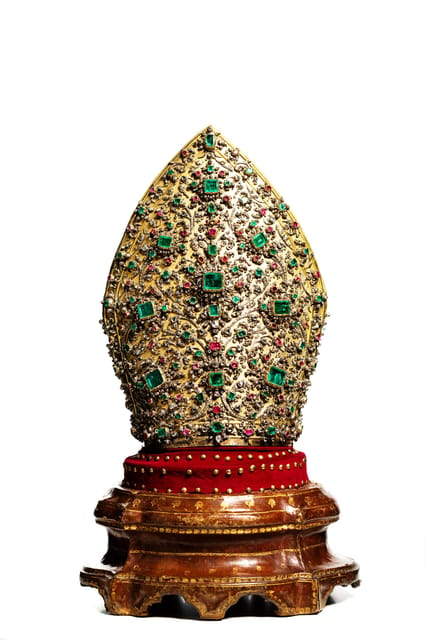
- A “Treasure” that’s more than objects: devotional items in gold, silver, bronze, and precious stones
- Accessibility is a priority with efforts to reduce physical, cognitive, and sensory barriers
More of the city that lies beneath Naples
- Naples: San Gaudioso Catacombs Guided Tour★ 4.7 · 1,105 reviews
- The Skull with the Ears: the Cult of the Dead in the Church of S. Luciella★ 5.0 · 788 reviews
- Naples: San Gennaro & Caravaggio Combined ticket★ 4.5 · 76 reviews
- Naples: San Gennaro Experience With Filangieri Museum Option★ 4.3 · 55 reviews
A combined Naples ticket that saves time and money
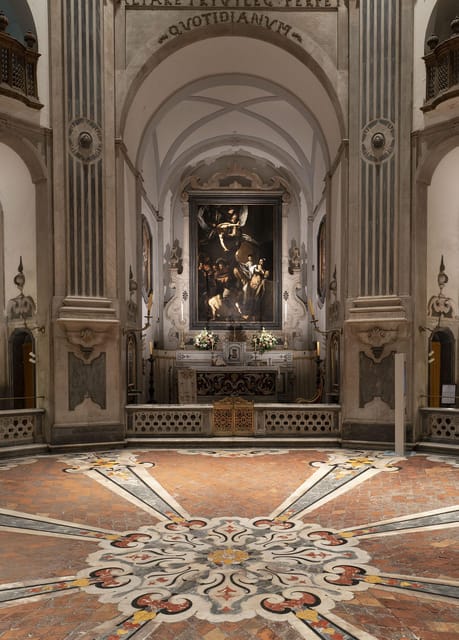
If you want art in Naples that feels both human and historical, this combined ticket does the heavy lifting. For about $20 per person and roughly 2 hours, you get two sites that are connected by place, purpose, and mood: a grand 17th-century charitable institution and a chapel treasure tied to San Gennaro.
What I like most is the structure. You’re not bouncing between unrelated attractions. You move through spaces that were built for specific reasons—help, devotion, memory—and you experience both through an audio guide instead of waiting for a group schedule. Also, you’re saving real time because the ticket is set up to skip the ticket line, which matters in popular central areas.
The other big upside is the balance of art styles and purposes. One stop leans into dramatic Baroque painting and the identity of Naples art; the other focuses on sacred objects meant for veneration. If you’re the type of traveler who likes meaning as much as aesthetics, this combo makes sense.
Pio Monte della Misericordia: where charity became a museum setting
Your visit begins at the heart of Pio Monte della Misericordia, an institution founded in 1602 by seven Neapolitan nobles. The story matters because it shapes how you read the space. This wasn’t built only to impress. It was created as a concrete response to poverty and need, using wealth and influence for charitable works.
Today, Pio Monte’s rooms still feel designed for more than sightseeing. The museum position is clear: it connects beauty with goodness, and it keeps that idea alive through social, solidarity, educational, and inclusive projects. You’ll likely feel that focus in how the visit is presented, with an atmosphere that’s more reflective than crowd-chaotic.
The palace and its 17th-century art focus
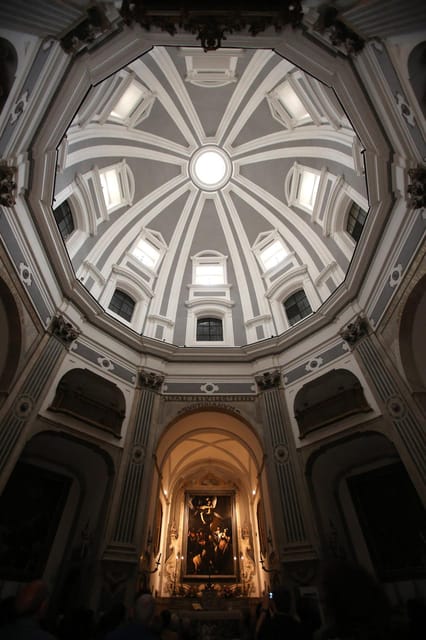
Pio Monte della Misericordia is described as the most beautiful 17th-century palace in the heart of Naples. That’s not just marketing language. The setting is part of the experience because it frames Caravaggio’s work like it belongs there—carved into a larger visual program rather than sitting alone.
Inside, Caravaggio’s masterpiece is the center of gravity: The Seven Works of Mercy. You’ll see it surrounded by six other masterpieces by 17th-century Neapolitan masters. That matters if you’re trying to understand Naples art as a whole. Instead of treating Caravaggio as a standalone celebrity, the room places him among local talent from the same era. It’s a quick way to get context without needing a long study session.
What you’ll notice (and what you might miss)
Because there’s no guided narration, you’ll get the most by using the audio actively. Look for the audio sections that correspond to the painting and the surrounding works. If you just drift fast, you’ll miss how the room’s layout supports comparison—faces, gestures, and the emotional tone that ties the works to mercy as a theme.
If you want a person pointing at details and telling you how scholars interpret everything, this might not feel as satisfying as a guided tour. But if you’re happy with a self-paced experience and you like reading the room through audio, this layout is a good fit.
Other tickets and entries for Naples


Caravaggio’s Seven Works of Mercy: dramatic art with a purpose
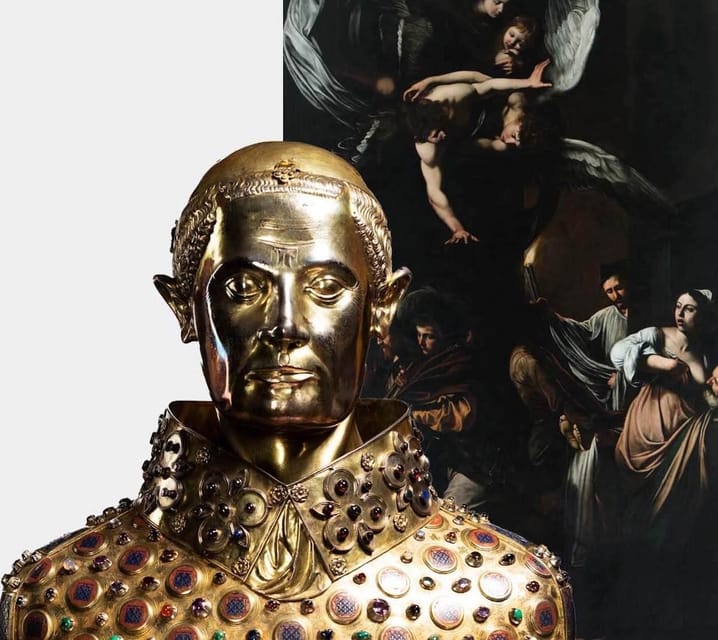
Caravaggio’s Seven Works of Mercy is the reason many people plan a Naples art day around this stop. Even if you’ve seen other Caravaggio paintings elsewhere, this one hits differently because the institution’s mission lines up with what the painting represents: mercy as action.
The work is paired visually with six Neapolitan masterpieces from the 1600s. That makes your viewing more than “spot the famous name.” You can compare styles, mood, and emphasis on human emotion. It also helps you understand why Caravaggio’s work resonated so strongly in Naples: the city’s artistic identity wasn’t built in isolation, and this setting shows that.
Practical tip for getting the most out of this room
Move slowly for the first sighting. Then use the audio to reframe what you saw: don’t only track the central composition. Glance around to the other paintings early, so the room stops being a single “photo moment” and starts feeling like a complete visual story.
If you come in after a long day walking, you may rush. That’s when audio becomes extra important. Let it set the pace for you.
The Treasure of San Gennaro: devotion turned into dazzling objects
After Pio Monte, you shift from painting and palace grandeur to a sacred space where the word “treasure” takes on a specific meaning.
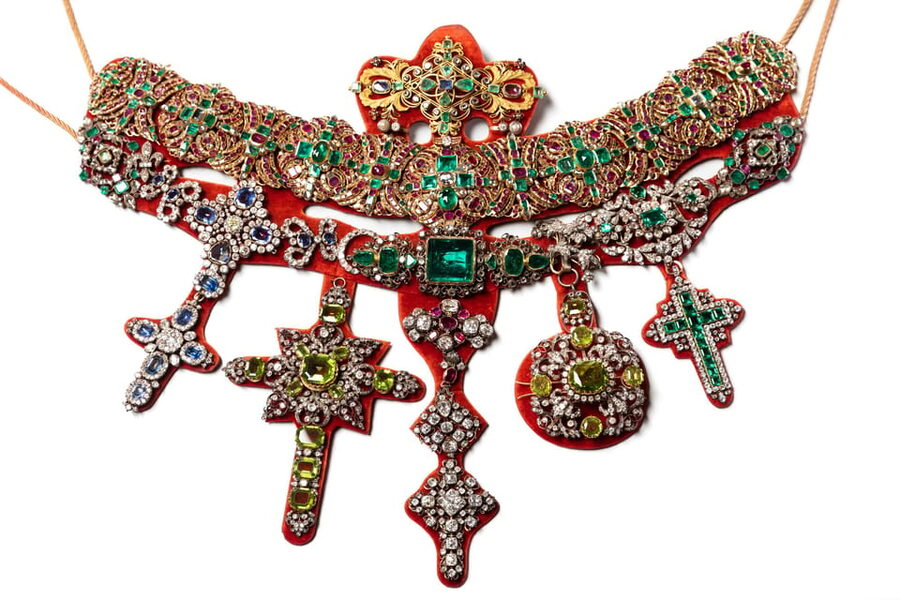
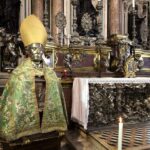
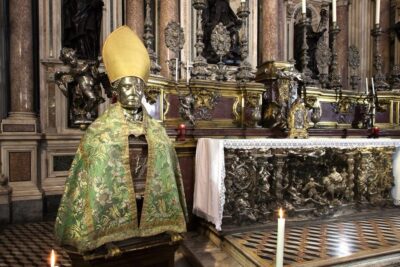
In sacred art, “treasure” often refers to the chapel of relics. In Naples, the Treasure of San Gennaro includes that chapel role and also holds an extensive collection of devotional objects made of gold, silver, bronze, and precious stones. Over time, these items were donated by Neapolitan and foreign sovereigns, popes, and the people. That layering—power and everyday devotion—gives the collection extra weight.
The museum framing here also helps you understand what you’re looking at. These aren’t just valuables. They’re objects with devotional purpose, shaped by belief and history. You’re meant to notice both craftsmanship and significance.
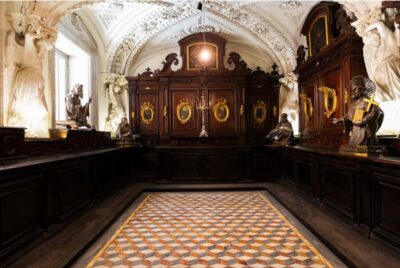
What’s included with your ticket: Chapel, Treasure, and sacristies
Your combined ticket isn’t limited to one room. The audio guide included with the ticket accompanies your discovery of:
- the Chapel of San Gennaro
- the Treasure
- the sacristies
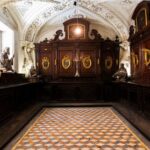
That matters because sacristies are often where you feel the “behind-the-scenes” religious rhythm of a site, even if you’re only there briefly. Here, the audio guide helps you connect the objects to the larger sacred setting.
Audio guide support: the quiet way to learn faster
A key feature here is that your ticket includes an audio guide for the Chapel of San Gennaro and the Treasure. This is a big deal for two reasons.
First, it allows you to pause. Sacred spaces and art collections don’t reward rushing. Audio gives you permission to slow down without needing to hunt for signage or guess what matters.
Second, it keeps the experience consistent. With no live guide included, you’re still getting structured context for the chapel, the treasure items, and the sacristies. That’s especially useful if you care about meaning, not only visuals.
One more practical note: because you’re using audio, wear comfortable shoes and give yourself a little margin. The experience isn’t meant to be a sprint, even though the overall visit is about 2 hours.
Accessibility and inclusivity: designed for more than one kind of visitor
The ticket description emphasizes that both institutions prioritize inclusivity and accessibility. For Pio Monte, it’s described as a modern inclusive museum with social, solidarity, educational, and inclusive projects.
For the Treasure of San Gennaro spaces and contents, the site has made accessibility interventions intended to reduce barriers:
- physical barriers
- cognitive barriers
- sensory barriers
It also states the museum promotes inclusion for visitors with disabilities. Plus, the activity is wheelchair accessible.
Why this is more than a checkbox
When accessibility work is real, it changes the atmosphere of a visit. You’re less likely to feel lost, blocked, or forced into a rushed pathway. Even if you don’t need accessibility features, it often means the museum is better organized and easier to navigate.
If accessibility is important to you, this combined ticket is a strong option because it doesn’t treat access as an afterthought. It’s built into how the visit is described.
Logistics that affect your experience (without the fluff)
This is set up as a practical ticket visit, not a meeting-time group tour.
- Duration: about 2 hours
- Skip the ticket line: you’re not spending your visit queueing
- Not a guided tour: you’ll use the audio guide instead of a person
- Meeting point: the ticket office at the Treasure of San Gennaro, Via Duomo, 149, 80138 Naples
- Not allowed: pets
Also, you can book with flexibility thanks to the option to reserve now and pay later, plus free cancellation up to 24 hours in advance for a full refund.
If you’re planning your day in Naples, place this visit where you’re not forced to rush afterward. The content rewards attention, especially with Caravaggio and the devotional treasure objects.
Who this ticket suits best
This combined ticket is ideal if you want:
- a focused, art-and-meaning Naples experience in a short time
- Caravaggio without needing a separate day plan
- an experience that pairs a 17th-century palace setting with a sacred treasure collection
- an audio-guided format that lets you move at your pace
It also works well for travelers who like accessibility-focused museums and for anyone using a wheelchair, since the visit is marked as wheelchair accessible.
Who should think twice
If you strongly prefer a live guide who explains context step-by-step, this won’t fully match that style because a guided tour is not included. You’ll need to lean into the audio guide and do your own pace setting.
Should you book the Naples San Gennaro and Caravaggio combined ticket?
I’d book it if you want high impact in a limited time window. The value is strong because the price covers two major attractions, includes an audio guide, and is structured for a short visit. You also get both sides of Naples: dramatic art in a palace museum and devotional objects tied to San Gennaro, presented with a clear audio pathway.
Skip it only if you need a live guide to interpret everything for you, or if you prefer a longer itinerary. For most people planning Naples as a city break, this is a smart, efficient use of your time.
FAQ
What does the Naples San Gennaro & Caravaggio combined ticket include?
It includes a combined ticket for the Chapel and Treasure of San Gennaro and Pio Monte della Misericordia, plus an audio guide for the Chapel and Treasure of San Gennaro.
Is this experience a guided tour?
No. A guided tour is not included. You’ll rely on the audio guide.
How long does the visit take?
The duration is about 2 hours.
Where do I meet for this ticket?
You meet at the ticket office of the Treasure of San Gennaro, Via Duomo, 149, 80138 Naples, Italy.
Does the ticket include an audio guide?
Yes. The ticket includes an audio guide for the Chapel of San Gennaro, the Treasure, and the sacristies.
Can I skip the ticket line?
Yes, the experience includes skip-the-ticket-line access.
Is it wheelchair accessible?
Yes, it is listed as wheelchair accessible.
Are pets allowed?
No, pets are not allowed.
Can I reserve now and pay later?
Yes, there is a reserve now & pay later option.
What is the cancellation policy?
Free cancellation is available up to 24 hours in advance for a full refund.
More Tickets and Entries in Naples


More Tour Reviews in Naples


More Catacombs and Crypts
More Naples tours, freshly reviewed



Naples Catacombs Tours, compared.
 ★ 4.6Catacombs of San Gennaro Entry Ticket & Guided TourFrom $157,941 reviews
 ★ 4.7San Gaudioso Catacombs Guided TourFrom $151,105 reviews
 ★ 5.0The Skull with the Ears: the Cult of the Dead in the Church of S. LuciellaFrom $9788 reviews
 ★ 4.3San Gennaro Experience With Filangieri Museum OptionFrom $2055 reviews
 ★ 4.5Chapel & Museum of San Gennaro Guided TourFrom $2835 reviews
 ★ 4.5Naples Murals Catacombs and Folklore Sanità District TourFrom $1095 reviews
Browse the lists this tour appears in