
Review · SNORKELING
Snorkeling in the Bay Submerged Park
Old ruins, right under your mask. In the Bay of Baia, you snorkel above Roman-era remains while a guide helps you spot what matters and keeps you safe. I especially like the pre-water safety lesson and the fact that you’re not left on your own once you’re in the bay. One thing to know: conditions can vary, and some major mosaics and marble floors are covered in sand for protection, so the underwater view isn’t always crystal-clear.
What makes this outing feel practical is the pacing. You get a short theory session, then a boat trip to the protected archaeological area, and then a guided route where the instructors stay close and explain what you’re seeing. A possible drawback is that visibility depends on weather and the day’s water clarity, so your experience can be better or worse than a friend’s version from another afternoon.
In This Review
- Quick hits for snorkeling Baia’s underwater park
- From Bacoli to the Bay of Baia: the setup that matters
- The safety lesson and gear: why you’ll feel calm in the water
- The boat ride over the Bay: seeing the region from a different angle
- Underwater route stops: what you’ll get at each named area
- Stop 1: Tempio di Venere
- Stop 2: Castello Aragonese di Baia Napoli
- Stop 3: Rione Terra
- Stop 4: Pozzuoli
- Stop 5: Monte Nuovo
- Stop 6: Campi Flegrei
- Stop 7: Vesuvius National Park
- Stop 8: Centro Visite AMP Parco Sommerso di Baia
- Stop 9: Baiae
- Stop 10: Parco Archeologico delle Terme di Baia
- What you’ll actually see: mosaics, marble floors, and fish life
- When visibility drops and sand covers the ruins
- Showers, changing rooms, and the small comfort wins
- Price and value: is $41.94 worth it?
- Who should book this snorkeling Baia tour?
- Should you book snorkeling in the Bay Submerged Park?
- FAQ
- What is the duration of the snorkeling experience?
- Where does the tour start and end?
- What will you do before getting in the water?
- Is snorkeling equipment included?
- What should I bring with me?
- Is the tour offered in English?
- How long is the snorkeling activity once you reach the park?
- What’s included besides equipment and the guide?
- Are there any entrance fees for other archaeological sites included?
- What if the weather isn’t good?
- What is the group size limit?
Quick hits for snorkeling Baia’s underwater park
- Small group size (max 8): more attention from the guide, less waiting around.
- Safety briefing first: you learn equipment use and water behavior before you’re suited up.
- Boat transfer to the archaeological park: you don’t waste time getting to the actual site.
- Guided underwater route: your guide points out ruins and marine life while you move at your own pace.
- Sand protection on mosaics/floors: it helps preserve the site, but it can reduce what’s visible.
- Real payoff after the water: showers, changing rooms, and refreshments are included.
Other Naples outings worth a look before you book
- Ischia: Island Boat Tour with Neapolitan Lunch & Snorkeling★ 4.9 · 253 reviews
- Argo Nautical Excursions – Tour of the Gulf of Naples with Snorkeling★ 5.0 · 104 reviews
- Napoli: Myths & Legends Cruise with Snorkeling★ 4.9 · 91 reviews
- Snorkeling among the Submerged Archaeological Finds of Baia da Napoli★ 5.0 · 72 reviews
From Bacoli to the Bay of Baia: the setup that matters
The tour starts and ends at Via Lucullo, 106, 80070 Bacoli NA. That matters because you’re already positioned for the Naples area without needing private transfers. This is also one of those formats where timing is everything: you’re scheduled for about 2 hours 30 minutes total, with the snorkeling window on the shorter side.
Most days are built around getting you to the archaeological park in the bay by boat. From the meeting point area, you’ll head to the center, get your safety talk, and then move out to the marine site. The tour is offered in English, and you’ll use a mobile ticket.
If you’re coming with a tight schedule, plan for a little buffer. The best snorkeling experience comes when you’re not rushing. And given how often people book this ahead (it’s commonly reserved about 19 days in advance on average), it’s smart to lock in your slot early rather than hoping for a last-minute opening.
The safety lesson and gear: why you’ll feel calm in the water
Before anything else, the instructors run a short theoretical lesson. This isn’t a lecture that goes on forever. It’s focused on the stuff that actually keeps you comfortable: safety procedures, how the equipment works, and how to behave in the water.
Then you get the full snorkeling kit—so you’re not trying to rent a mask last-minute. You’ll still want to bring your own swimsuit and a towel, plus clean clothes to change into afterward if you want them. After the snorkeling, you return for showers and changing rooms, and there are usually refreshments as well.
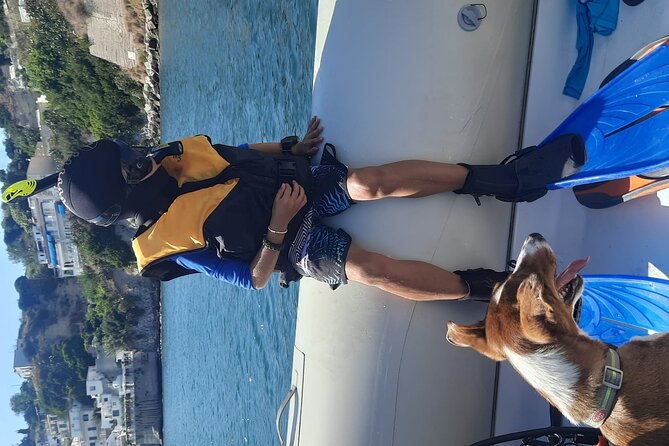
A detail I really like here is how much the team emphasizes supervision. Even when people are new to snorkeling, the guides are at your side and you’re not left to figure things out. One review experience stood out: a non-swimmer was coaxed into the water because the wet suit buoyancy helps give confidence. If you’re nervous, that buoyancy + instruction combo is exactly what you’re hoping for.
One consideration: you’ll need to be ready to follow basic rules for staying with the group and not touching fragile surfaces. The underwater park is protected, and the team is focused on keeping both you and the ruins safe.
The boat ride over the Bay: seeing the region from a different angle
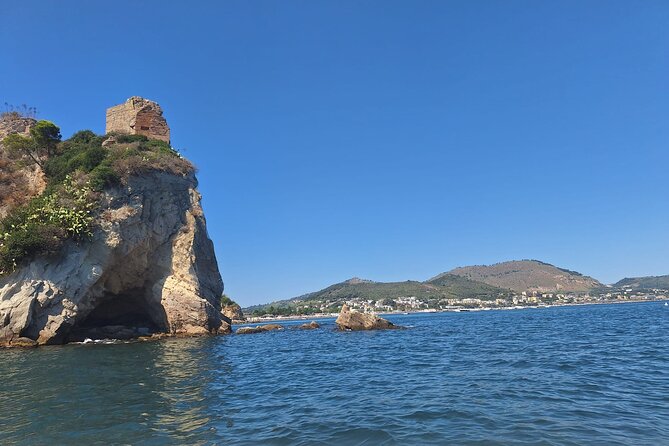
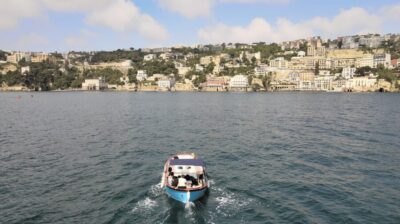
Once you’re ready, you go by boat to the Archaeological Park of Baia. The tour includes a guided look at the area around the bay—your itinerary calls out places like Tempio di Venere, Castello Aragonese di Baia Napoli, Rione Terra, Pozzuoli, Monte Nuovo, Campi Flegrei, and even Vesuvius National Park.
You don’t need to be a geology expert to enjoy this part. The practical value of the boat segment is that it sets context. When a guide connects what you see above water to what’s beneath the surface, the snorkeling feels less random and more like a guided walkthrough.
Think of it like this: the ruins aren’t just underwater statues floating in space. They’re part of a real Roman coastal city. The overview notes Baia as a place loved by emperors and senators—so the region wasn’t just scenic, it was important. A good guide helps you notice the scale and the setting, and that makes the underwater part more satisfying.
Underwater route stops: what you’ll get at each named area
The itinerary lists ten stops. Some are more about orientation around the bay, and the snorkeling itself follows one of the park’s prepared routes. Your guides stay close, and you spend time working through the route at the water level rather than doing a long, tiring swim.
Here’s how to mentally place the stops:


Stop 1: Tempio di Venere
This is one of the anchor points of the underwater story. Tempio di Venere ties the setting to famous Roman religious architecture, and your guide will use it as a reference as you look around below the surface.
Stop 2: Castello Aragonese di Baia Napoli
This one is more about recognizing the modern landscape in relation to the ancient underwater remains. It’s useful because your brain needs landmarks. Even when you’re focused on snorkeling, you’ll get a sense of where things sit in the bay.
Stop 3: Rione Terra
Rione Terra is another above-water marker. Your guide’s commentary helps connect the city’s geography with the underwater park you’re visiting.
Stop 4: Pozzuoli
Pozzuoli is a big-name area in the Naples region. In a guided boat format, it’s usually part of the context-building tour. The payoff is knowing you’re in a very layered landscape—volcanic, coastal, and archaeological all at once.
Stop 5: Monte Nuovo
Monte Nuovo signals the volcanic context around the Bay of Baia. Even if you don’t memorize dates, it helps you understand why this coastline and marine environment formed the way it did.
Stop 6: Campi Flegrei
Campi Flegrei is the broader volcanic region. When your guide mentions it, listen for how it connects to the bay’s character. It’s not just trivia. It’s the reason this coast has so much geologic and archaeological overlap.
Stop 7: Vesuvius National Park
Yes, Vesuvius appears in the itinerary list. In practice, it’s likely a view and orientation point from the water and surrounding coastline. Still, it gives you a better mental map of where you are.
Stop 8: Centro Visite AMP Parco Sommerso di Baia
This is an orientation stop tied to the Marine Protected Area and the underwater park. It’s valuable because it frames the rules and the conservation approach, so you understand why certain things might look covered or protected underwater.
Stop 9: Baiae
Baiae is the heart of the story. Your guide should help you connect the “famous Roman seaside destination” idea to what’s actually visible underwater—mosaics, floors, and marine life in the protected park.
Stop 10: Parco Archeologico delle Terme di Baia
This is where the thermal area connection comes in. The ruins you’re snorkeling over connect to bathing and leisure architecture—exactly the kind of Roman coastal culture that made Baia famous.
One tip: if you’re asked to stay close, do it. The route is designed to keep you within safe, meaningful areas of the park. It’s also how the guides can keep moving at a pace that works for both experienced snorkelers and first-timers.
What you’ll actually see: mosaics, marble floors, and fish life
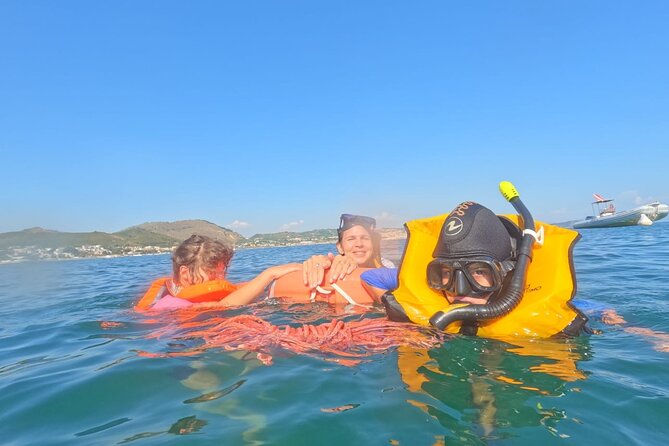
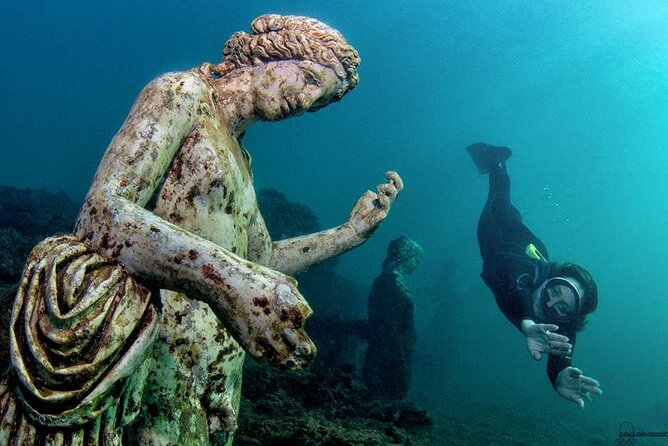
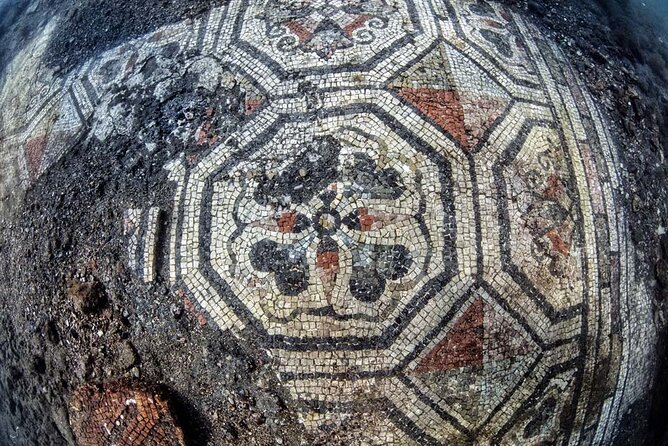
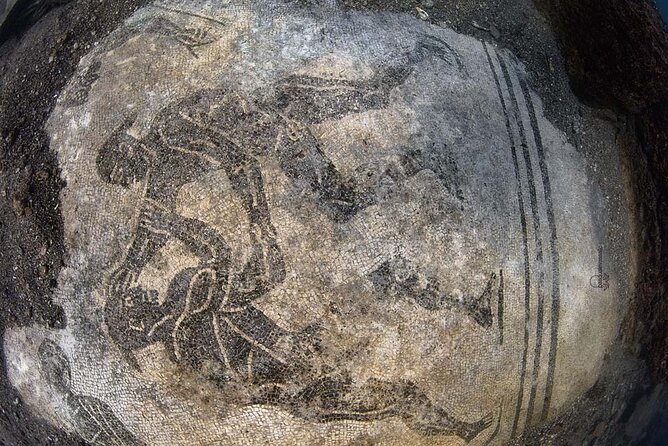
The underwater payoff described in the overview is specific: you’ll admire ancient mosaics, statues, marble floors, and ancient structures of the Roman city of Baia. You’re also there for the living part—marine life that populates the ruins today.
Here’s what that means in real snorkeling terms. Instead of just staring at “general underwater scenery,” you’re looking at man-made surfaces at different depths. Mosaics and marble floors can create patterns that make it easier for the guide to point out features.
Also, your guide stays at your side and tells you where to look. One review called out Alessandro leading people over the ruins and taking time for each person to go down and look for themselves. Another review praised Andrea for professionalism and kindness. The consistent theme is interpretation: the guide helps you convert what you see into something you can name and understand.
If you’re someone who likes history but gets lost when tours become dry, this is a good format. You’re moving, seeing, and learning at the same time. And since you’re snorkeling rather than just looking from above, you get a sense of scale that photographs can’t capture.
When visibility drops and sand covers the ruins
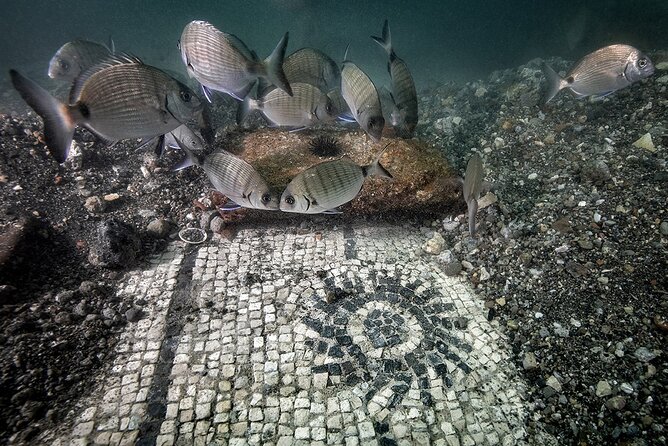
This is the part I want you to take seriously before you set expectations. One less-perfect experience came down to poor visibility and the fact that important parts of the ruins can be covered in sand to help protect them. The operator explained the logic: sand coverage is part of conservation, and it’s meant to protect surfaces from damage and prevent sea growth that could break down the floors over time.
So yes, you might spot less than you were hoping for on a given day. Water visibility can change fast with weather, and it’s unpredictable. Two hours after one tour, conditions were reported as crystal clear again, which tells you that one “meh” snapshot isn’t the whole story for Baia.
What to do with that? Go in with a mindset of flexibility. If you can’t see every detail, focus on what’s still visible: outlines, patterns, and the marine life moving around the structures. And if you’re there when visibility is good, you’ll be glad the conservation rules kept the site intact for the future.
One more practical note: the tour design includes an option to stay on the top or go down. If you’re not confident, it’s totally fine to keep things surface-level and rely on the guide’s pointers rather than forcing depth.
Showers, changing rooms, and the small comfort wins
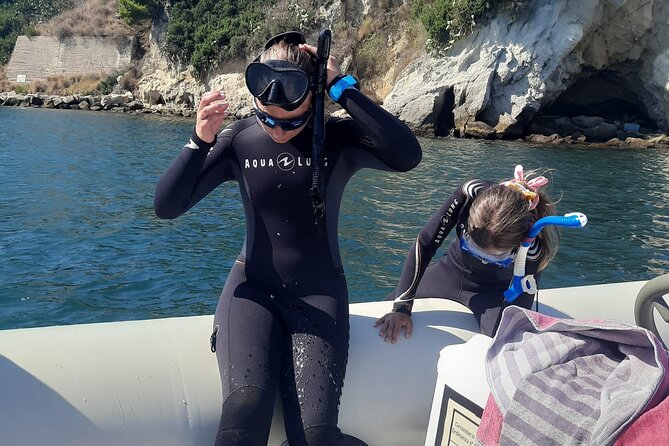
After your snorkeling session, you return to the center. The included perks are showers and changing rooms, which saves you from the unpleasant part of wet clothes on a warm day. Refreshments are also included, and that’s not just a nicety—it helps you feel human again quickly.
There’s also a simple gear lesson here. When you come prepared with a towel and clean clothes, the whole day feels smoother. One review made that point very clearly: bring your own towel, even if you think you’ll be fine without it.
If you’re planning dinner afterward, you’ll likely be happier going soon. You’ll still be salty and sun-warmed, so make it easy on yourself. The tour ends back at the meeting point, so you can continue your Naples-area day without needing to coordinate extra transport.
Price and value: is $41.94 worth it?
At $41.94 per person, this is priced like a focused activity rather than a big, multi-site day tour. The value comes from what’s included:
- snorkeling equipment
- a safety-focused in-person lesson
- a personal guide who stays with you
- a boat transfer to the archaeological park
- showers, changing rooms, and refreshments
What you’re not paying for (and should factor in): private transportation, lunch, and entrances for other archaeological stops you might discuss along the way. In other words, you’re paying for a guided, guided snorkel experience in a specific marine protected area, not for a long list of ticketed attractions.
The small group cap of eight also matters for value. When you have fewer people, guides can actually keep eyes on you and spend time explaining what you’re looking at. That’s the difference between “we pointed once” and “we helped you see.”
At this price, I’d see it as a solid buy if you want a guided snorkeling experience with real historical context, and you’re comfortable with variable water visibility.
Who should book this snorkeling Baia tour?
This works best if you:
- want snorkeling with a guide who explains what you’re seeing
- prefer smaller groups
- like history but learn better through doing
- want a simple two-and-a-half-hour window with included gear and post-water comfort
It may be less ideal if:
- you’re expecting guaranteed perfect visibility
- you want mosaics in full detail no matter the day (sand protection can change what you can see)
- you’re arriving without a towel and hoping the day will still be easy
One review also mentioned timing friction when the schedule intersected with other water activities. The operator clarified that snorkeling time on the buoy stayed close to plan, and time in the water was still available. Still, if you’re very strict about your schedule, plan your day with a little cushion.
Should you book snorkeling in the Bay Submerged Park?
Yes—if you go with the right expectations. This tour is strongest when you treat it as guided snorkeling over protected Roman ruins, not as a guaranteed photo safari of fully exposed mosaics.
Book it if:
- you want equipment handled for you
- you like the idea of a short, clear safety lesson before you get in
- you enjoy learning by seeing—especially when guides like Alessandro and Andrea focus on what to look for
Skip it or reconsider if:
- you can’t handle uncertainty in visibility
- you need a “everything is uncovered and visible” experience
- you’d rather do a self-paced activity with no supervision
If you book, do yourself a favor: bring your towel, wear your swimsuit under your clothes, and ask questions before you enter the water. The difference between a good day and a great one in Baia is often confidence plus guidance—and this tour is built around both.
FAQ
What is the duration of the snorkeling experience?
The tour is about 2 hours 30 minutes, approximately.
Where does the tour start and end?
It starts at Via Lucullo, 106, 80070 Bacoli NA, Italy, and ends back at the same meeting point.
What will you do before getting in the water?
You’ll have a short theoretical lesson on safety procedures, equipment, and how to behave in the water.
Is snorkeling equipment included?
Yes. The tour includes use of snorkeling equipment.
What should I bring with me?
Bring your swimsuit, a towel, and clean clothes to change into later if you wish.
Is the tour offered in English?
Yes, it is offered in English.
How long is the snorkeling activity once you reach the park?
The tour overview says the visit route in the park lasts about 45 minutes.
What’s included besides equipment and the guide?
You get the boat transfer to the dive site, showers and changing rooms, and refreshments after the snorkeling.
Are there any entrance fees for other archaeological sites included?
No. Entrance to other sites you may discuss during the tour (for example, the Aragonese Castle) is not included.
What if the weather isn’t good?
This experience requires good weather. If it’s canceled due to poor weather, you’ll be offered a different date or a full refund. Free cancellation is available up to 24 hours in advance.
What is the group size limit?
The maximum group size is 8 travelers.
More Snorkeling in Naples


More Tour Reviews in Naples




More Naples tours, freshly reviewed



Snorkeling, compared.
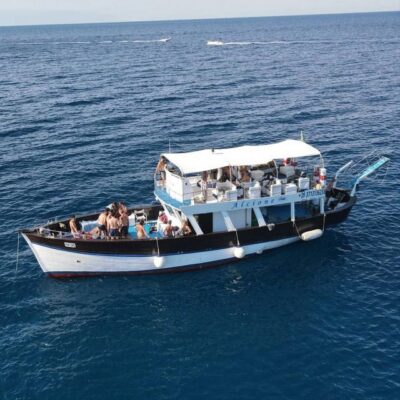 ★ 4.9Ischia: Island Boat Tour with Neapolitan Lunch & SnorkelingFrom $82253 reviews
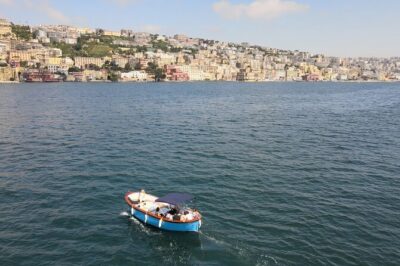 ★ 5.0Argo Nautical Excursions – Tour of the Gulf of Naples with SnorkelingFrom $83104 reviews
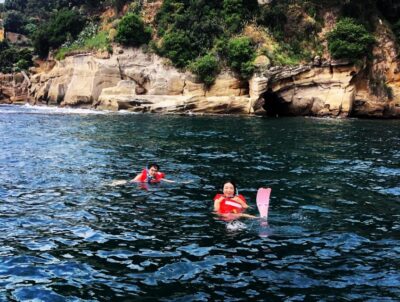 ★ 4.9Napoli: Myths & Legends Cruise with SnorkelingFrom $8191 reviews
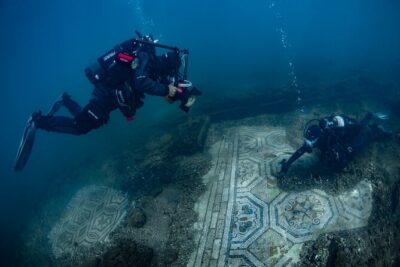 ★ 5.0Snorkeling among the Submerged Archaeological Finds of Baia da NapoliFrom $12672 reviews
 ★ 4.7Castel dell’Ovo Boat Tour with Snorkeling & AperitifFrom $7869 reviews
 ★ 4.5Pompeii Tour and Baia Snorkeling Underwater Private TourFrom $4855 reviews
Browse the lists this tour appears in