
Review · MUSEUMS
Naples: City and Lapis Museum Tour with an Archaeologist
Naples has a habit of hiding in plain sight. This tour strings together street life and serious underground archaeology, taking you from the Greek-Roman heart of town into the city’s largest underground passage system. I love the live archaeologist-led focus and the small group size (up to 10), which keeps the pace human and the questions welcome.
What makes it especially compelling is the “layers of Naples” approach: you’re not just seeing old stones, you’re tracing how water, worship, and even wartime survival shaped the city over centuries. One thing to consider: the route is not suitable for wheelchair users, and you’ll want comfortable, grippy shoes for the underground walk.
In This Review
- Key things to know before you go
- Piazza San Gaetano: Starting in the Greek-Roman core
- Streets, basilicas, and the Church of Purgatory’s vibe
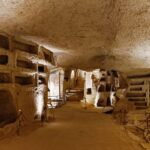
- Down 40 meters through Santa Maria Maggiore
- Greek cisterns carved into stone
- The Roman water tanks and the route’s hidden reuses
- LAPIS Museum path: the organized underground experience
- Finishing in Piazza Bellini: reset back to street level
- What you’re really paying for: value of the archaeologist + included tickets
- The guides: what makes the experience feel like more than facts
- Who should book this tour (and who should think twice)
- Tips to make it smoother underground
- Should you book the Naples City and Lapis Museum Tour?
- FAQ
- How long is the Naples underground tour?
- Where does the tour start and where does it end?
- What is included in the price?
- What languages are the guided tours available in?
- Is the tour accessible for wheelchair users?
- What should I bring?
- Are tickets included, or do I need to buy them separately?
- Can I cancel for a refund?
Key things to know before you go
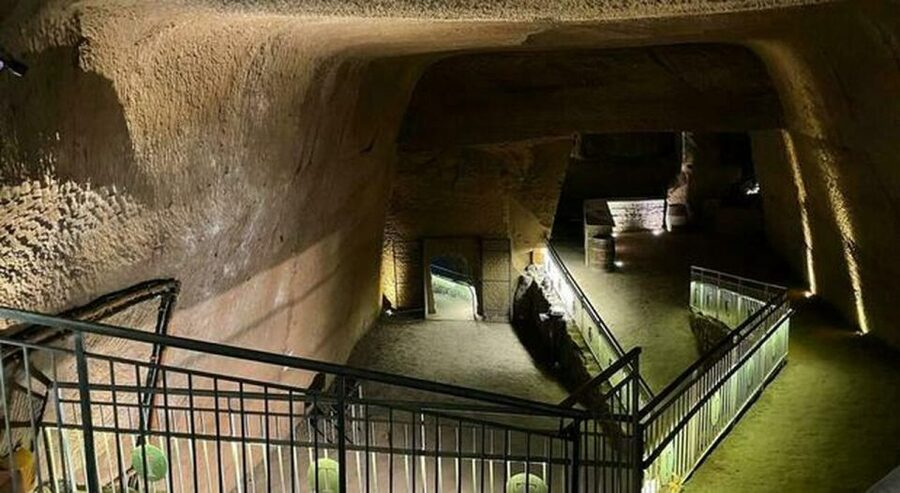
- 40 meters down: the tour takes you below the crowds, then moves through connected underground spaces on a set route
- Greek cisterns to Roman water storage: you’ll see carved cisterns and the tanks tied to Roman collection of water
- WWII air shelters are part of the path: the same underground system was used for wartime retreat
- A professional archaeologist is included: you’ll get context, not just dates and names
- Small group pace: limited to 10 participants, so the guide can slow down when you have questions
More ways to take in Naples in a day
- Naples: City Highlights Guided Bike Tour★ 4.7 · 850 reviews
- Naples: 3-Day City Attractions and Public Transport Pass★ 3.1 · 705 reviews
- City Sightseeing Naples Hop-On Hop-Off Bus Tour★ 3.5 · 619 reviews
- Naples: City Walking Tour w/ Underground Roman Ruins Ticket★ 4.6 · 284 reviews
Piazza San Gaetano: Starting in the Greek-Roman core
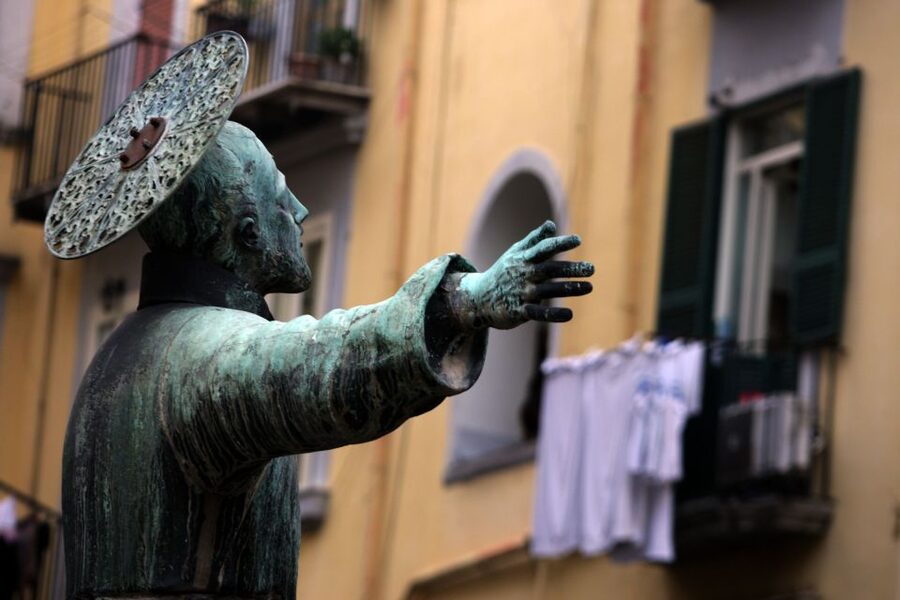
Your tour begins at Piazza San Gaetano, at the foot of the statue. It’s a smart start because you get orientation fast: you’re standing where the city’s oldest story overlaps—Greek and Roman influences right in the street grid. From there, you’ll walk through Via dei Tribunali, with a guided lead-in that sets up what you’re about to see underground.
I like this first stretch because it helps you understand the underground route as more than a tourist detour. The guide frames the idea of underground cults of Naples, which makes the coming stops feel purposeful rather than random “cool rooms.” You’ll also start noticing architectural hints on the surface—how Naples keeps reusing older layers instead of wiping the slate clean.
Streets, basilicas, and the Church of Purgatory’s vibe
As you move along, you’ll visit the Basilica di San Lorenzo Maggiore for a guided stop. This is where the tour balances big ideas with details: you’re walking the surface but hearing how earlier structures shaped what’s under your feet. If you’re the type who likes to connect art and architecture to everyday life, this stop works well because it prepares you for the “real underground journey” you’re about to do.
Next comes the Church of Purgatory, another guided moment that leans gothic in tone but points you toward what came before. You’ll admire a gothic church and peer through a glass floor at the remains of a previous ancient mosaic. That kind of “look down, then look closer” moment is exactly what makes this tour feel different—you’re practicing how to read the city.
One practical note: this part is on streets first, so it’s a good time to settle into the group pace. After that, you’ll go deep and start doing more walking in a less forgiving environment.
Down 40 meters through Santa Maria Maggiore
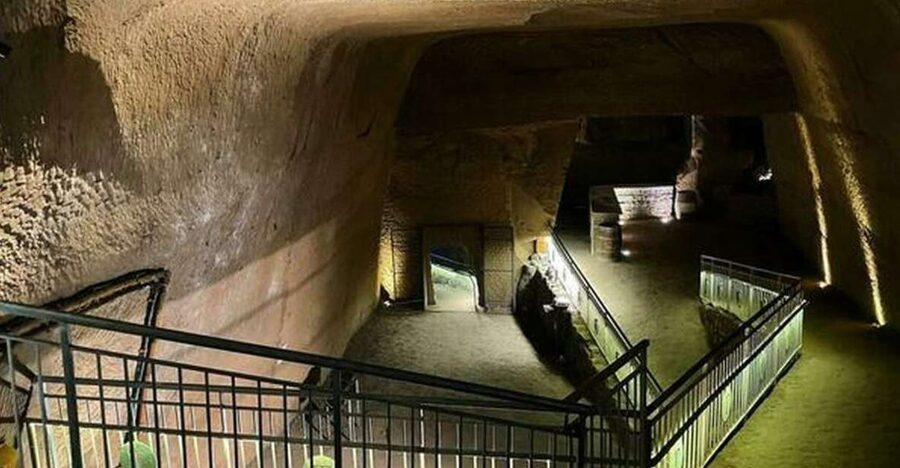
The most dramatic shift comes when you go 40 meters below the crowds. The tour route includes a door-like access point in Santa Maria Maggiore, one of the oldest churches in Naples. The guide’s explanation here matters because the building isn’t just old—it’s built on older religious material.
You’ll learn that the church was built on a Pagan Roman temple dedicated to Diana, and you can still see Roman structures incorporated into the site. This is one of the tour’s strongest storytelling links: it shows how belief systems layered over time instead of replacing each other overnight.
Once you’re down there, the atmosphere changes from “old city streets” to “stone, silence, and engineering.” That’s where the guide’s archaeologist role shines—because you’re not just looking at surfaces, you’re learning what the structures were designed to do.
Greek cisterns carved into stone
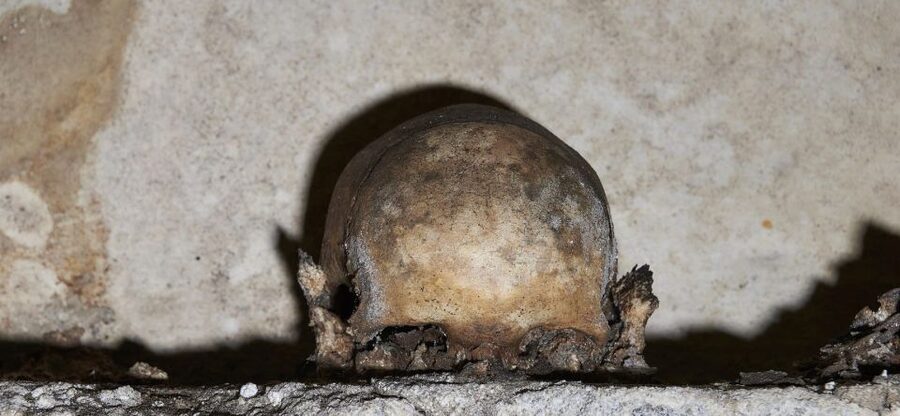
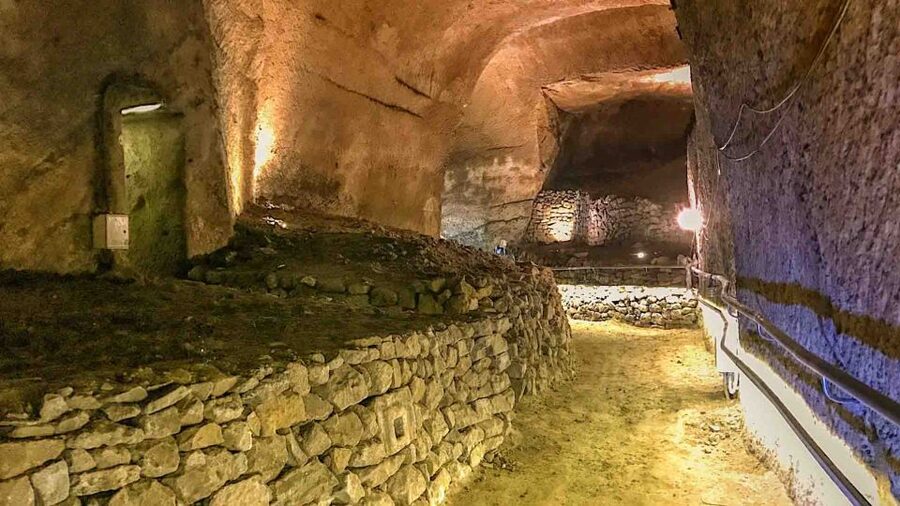
From Santa Maria Maggiore’s access, the tour continues downward to the Greek cisterns, carved into tough stone. This is where the underground starts to feel almost technical. Cisterns aren’t decorative; they’re infrastructure. Seeing them with a guide who explains how they function makes the architecture click.
What you’ll like here is the sense of physical realism. These spaces aren’t presented as myth; they’re shown as practical solutions to storing water for a city that needed it. The guide’s explanation also helps you connect why underground spaces mattered so much in Naples: the city’s layout and history made above-ground options limited, and the underground offered durability.
If you’re the kind of traveler who loves “how did they build it?” questions, bring that energy. The more you ask, the more the guide can connect the cisterns to later phases of the tour.
Other Naples outings worth a look before you book

The Roman water tanks and the route’s hidden reuses
At the lowest point, you’ll walk through tunnels to reach the tanks used for the collection of water in Roman times. This section works because it’s not only about Roman-era ruins—it’s about the system. You’re watching how water storage evolved and how the city’s infrastructure reused the same subterranean logic across time.
The tour also ties these tunnels to later, non-Roman uses. You’ll hear that this trail was used in medieval times as a secret passage by the Templar Knights, and in 1943 it was used as an airplane retreat during WWII. That jump—from water storage to wartime shelter—sounds dramatic, but it makes sense when you realize underground routes stay valuable because they’re protected and already built.
Here, you’ll also encounter preserved everyday elements from the wartime era: many bathrooms, kitchens, and memorabilia are still preserved. That detail is a gift. It turns the shelters from abstract history into something you can picture immediately: people living, waiting, and coping in enclosed spaces.
LAPIS Museum path: the organized underground experience
Mid-to-late tour time is spent at the LAPIS Museum area, with an admission ticket included. The visit is guided, so you’re not wandering through labeled rooms with guesswork. This part helps you consolidate everything you just saw: Greek cisterns, Roman water-related structures, and the later shelter use.
One thing I appreciate is that this doesn’t feel like a random museum add-on. It’s integrated into the underground route, so it supports the theme: Naples underneath Naples. You’ll also be able to focus on the archaeologist’s narrative instead of trying to figure out the story yourself while walking.
The group stays small, and the route is structured end-to-end. That’s a big deal underground, where getting lost is easy and time can feel compressed. The guide’s job is to keep the pacing clear so you can actually absorb what you’re seeing.
Finishing in Piazza Bellini: reset back to street level
You’ll finish at Piazza Bellini. I like that ending because it gives you a moment of contrast. You come out of tunnels into daylight, then you can look at the surface streets with fresh eyes. Suddenly those churches, squares, and street patterns feel like the “top layer” of something much older.
It’s also a practical finish point if you plan to keep exploring on your own afterward. Piazza Bellini sits in the city’s orbit of lively walks and easy connections, so you’re not stranded far from everything once the tour ends.
What you’re really paying for: value of the archaeologist + included tickets
At $53 per person for about 2 hours, this tour prices itself on guided access plus expert interpretation. You’re not just paying for a ticket to a single site. Your price includes:
- a local guide
- a professional archaeologist
- admission tickets to the Roman Cistern Museum – LAPIS Museum
- admission tickets to the WWII Shelters Museum
That matters because underground sites often require separate entry fees and timed entry rules. Bundling them into one archaeologist-led experience is usually where the value shows up. Also, the small group limit (up to 10) isn’t a marketing detail—it directly affects how well the guide can handle your questions.
English and Italian are available live with the guide, and the tour includes a skip-the-ticket-line benefit. That’s helpful in a place where waiting can eat into a short 2-hour window.
The guides: what makes the experience feel like more than facts
The strongest praise tied to this tour isn’t about the stones alone—it’s about how the information is delivered. Guides like Riccardo are described as passionate and knowledgeable, and Theresa is noted for deep subject expertise and patience with questions. There’s also mention of empathy from the guide, which tells you the experience isn’t only lectures; it’s people guiding you through tight spaces and changing environments.
In practice, that means you’ll get answers that help you connect layers of Naples. You’ll also likely leave with a better mental map of what happened above ground and what that history forced people to build below ground.
Who should book this tour (and who should think twice)
This tour is a great fit if you:
- enjoy history with physical context (cisterns, tunnels, and preserved rooms)
- like guided explanations that connect multiple time periods
- want a short walking tour that still feels substantial in content
- prefer small-group pacing and time for questions
Think twice if:
- you need wheelchair accessibility (the tour is not suitable for wheelchair users)
- you’re uncomfortable walking on uneven surfaces or spending time 40 meters underground
If you’re generally mobile and you bring comfortable shoes, the structure makes it manageable for a 2-hour outing.
Tips to make it smoother underground
Bring comfortable shoes—this is the kind of tour where foot comfort is safety. A camera is useful because you’ll likely want photos of architectural details and the glass-floor mosaic. Dress for the weather above ground, but also expect a cooler, enclosed feeling as you go underground.
The tour data also suggests bringing a packed lunch, cash, and a credit card. Even if you don’t eat during the tour, having the option helps if your timing shifts afterward.
Should you book the Naples City and Lapis Museum Tour?
I’d book this if your priority is Naples with meaning, not just sights. The combination of above-ground orientation plus the largest underground path approach—Greek cisterns, Roman water structures, and WWII shelters—makes it unusually good value for a short trip. Add the archaeologist-led interpretation and the small group size, and it’s the kind of tour that turns “wow” into understanding.
Skip it if mobility or accessibility is a concern. And if you hate walking or stairs, be cautious: once you’re moving underground, the experience depends on keeping pace and staying steady.
If you want one guided way to see how Naples became layered over time, this tour is a strong choice.
FAQ
How long is the Naples underground tour?
It lasts about 2 hours.
Where does the tour start and where does it end?
You meet at Piazza San Gaetano (foot of the statue) and the tour finishes at Piazza Bellini.
What is included in the price?
You get a local guide, a professional archaeologist, admission tickets to the Roman Cistern Museum – LAPIS Museum, and admission tickets to the WWII Shelters Museum.
What languages are the guided tours available in?
The live tour guide is available in English and Italian.
Is the tour accessible for wheelchair users?
No, it is not suitable for wheelchair users.
What should I bring?
Wear comfortable shoes, and bring a camera and weather-appropriate clothing. The information also lists packing a lunch, cash, and a credit card.
Are tickets included, or do I need to buy them separately?
Tickets are included for both the Roman Cistern Museum – LAPIS Museum and the WWII Shelters Museum, with skip-the-ticket-line noted.
Can I cancel for a refund?
Yes. Free cancellation is offered up to 24 hours in advance for a full refund.
More City Tours in Naples




More Tours in Naples




More Tour Reviews in Naples

More Naples tours, freshly reviewed




Museums, compared.
 ★ 4.4National Archaeological Museum Ticket & Audio AppFrom $29617 reviews
 ★ 4.8National Archaeological Museum of Naples Guided TourFrom $52498 reviews
 ★ 4.2National Archaeological Museum Tour & Digital GuideFrom $40177 reviews
 ★ 4.0National Archaeological Museum audio guideFrom $4155 reviews
 ★ 4.0Capodimonte Museum in NaplesFrom $27115 reviews
 ★ 4.9Jago Museum & Sant’Aspreno ai Crociferi Guided Tour96 reviews
 ★ 3.5Skip the Line: National Archaeological Museum of Naples Entry TicketFrom $3882 reviews
 ★ 4.5Pompeii: Skip-the-Line Ticket and Virtual MuseumFrom $6066 reviews
Browse the lists this tour appears in