Review · NAPLES
Master Authentic Neapolitan Pizza & Tiramisu at Home
Naples’ pizza magic comes with instructions you can use. This hands-on workshop brings Neapolitan methods to your home kitchen, complete with a traditional ruoto napoletano and a serious tiramisu lesson.
What I really like: you’ll make the dough yourself (not just watch), and the tiramisu portion is a true masterclass with step-by-step assembly. You also get a digital recipe booklet, so the class doesn’t vanish the moment you leave the kitchen.
One thing to consider: this is built around a home-style electric oven, so if your pizza dream depends on wood-fire roasting, you’ll be learning the best electric-oven version instead.
In This Review
- Key things to know before you start
- Where the class happens: an electric-oven kitchen, not a studio show
- Meet the chefs: patient instruction for pizza people and beginners
- The pizza lesson: Neapolitan dough from scratch to oven-ready
- Using a ruoto napoletano with an electric oven: the real value of adaptation
- Toppings and baking: learn the rhythm, not just the ingredients
- The tiramisu masterclass: mascarpone cream, coffee soak, assembly
- Drinks and the in-kitchen flow: snack breaks and real pacing
- Digital recipe booklet: why it matters for bringing this home
- Price and value: why $14 per person can make sense
- Timing, languages, and what to bring to feel comfortable
- Who should book this pizza and tiramisu workshop
- Should you book this Naples pizza and tiramisu class?
- FAQ
- Where does this experience take place?
- How long is the workshop?
- What will I learn to make?
- Do I need a wood-fired oven?
- What’s included in the price?
- Are there allergy accommodations?
- What languages are available?
- What should I bring, and what’s not allowed?
Key things to know before you start
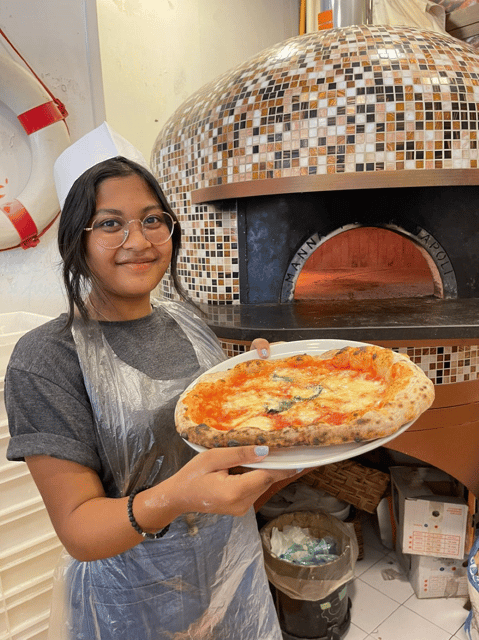
- Hands-on dough for every participant: you shape and work your own pizza foundation.
- Ruoto napoletano included: that classic Neapolitan bake setup is part of the lesson.
- Tiramisu from scratch: mascarpone cream, coffee-soaked savoiardi, and assembly step-by-step.
- Small group focus: expect more attention than you’d get in a large demo.
- Your pizza to eat immediately: the work turns into dinner right away.
- Multilingual chefs: instruction is available in English, French, Italian, and Spanish.
Not sold on this one? A few more Naples tours sit just below.
- From Naples: Sorrento, Positano & Amalfi – Small Group Tour★ 4.7 · 14,599 reviews
- From Naples: Pompeii Ruins & Mount Vesuvius Day Tour★ 4.3 · 11,459 reviews
- From Naples: Sorrento, Positano & Amalfi Coast – Small Group Tour★ 5.0 · 8,643 reviews
- Naples: Catacombs of San Gennaro Entry Ticket & Guided Tour★ 4.6 · 7,941 reviews
Where the class happens: an electric-oven kitchen, not a studio show
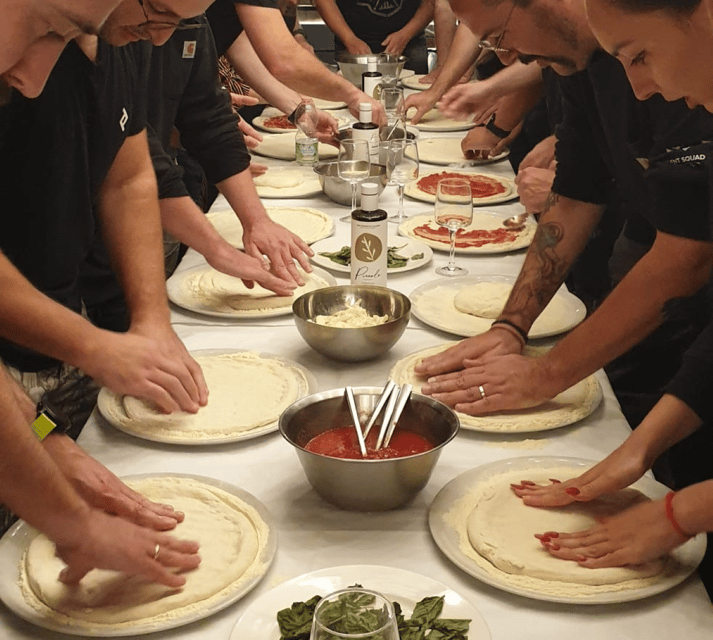
This experience takes place in a fully equipped kitchen in Campania, built for real cooking and real timing. The big detail isn’t just that you’re “in Naples-style hands-on mode.” It’s that you’re learning to adapt techniques to a standard electric oven—the kind most of us actually have at home.
You’ll also use a traditional ruoto napoletano, which helps explain how Neapolitan pizza can land that classic texture without needing a wood-fired setup. In other words, you’re not collecting vague tips. You’re practicing a process that matches your real-world constraints.
And yes, you’ll need to be comfortable in a working kitchen: it’s not a passive tour. Plan on getting a bit messy, tasting as you go, and asking questions when the chef slows down.
Meet the chefs: patient instruction for pizza people and beginners
The workshop is led by local culinary chefs who specialize in Neapolitan pizza-making techniques adapted for home. Names you might hear in this class include chefs such as Gino, Claudio, Mario, and Anthony, and the common thread in the experience is patient teaching.
This matters more than it sounds. Pizza dough isn’t hard because it’s complicated. It’s hard because it’s sensitive. Flour, hydration, resting time, and handling all add up. A good chef helps you avoid the two usual beginner mistakes: overworking the dough and rushing the timing.
Small group format is also a practical advantage. With a smaller class size, you’re more likely to get direct attention—especially if you’re trying to stretch dough without turning it into a sad circle of sadness.
The pizza lesson: Neapolitan dough from scratch to oven-ready
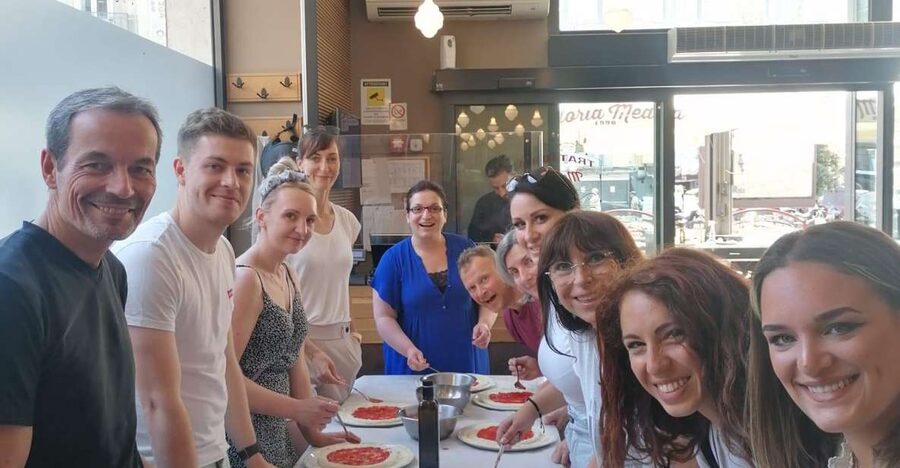
The pizza part is the core skill you’ll take home. You’ll learn how to prepare high-quality pizza dough from scratch, then bake your pizza in the electric oven.
Here’s what this usually means in practice during a class like this:
- You start with dough ingredients and build toward a workable consistency.
- You learn the traditional why behind handling—how dough should feel and behave as it’s worked.
- You practice shaping and preparing it for baking in an electric setup.
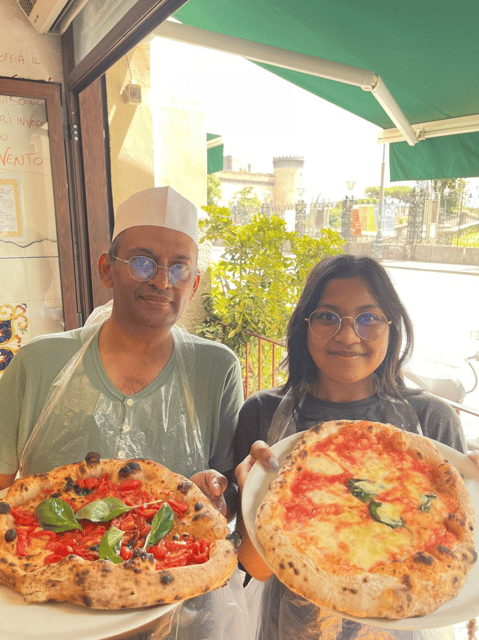
- You bake your own pizza and eat it as part of the experience.
The standout idea is the adaptation. Neapolitan pizza is famous partly because of wood-fired intensity and fast cook times. Since this workshop uses a home-style electric oven, your chef focuses on how to recreate the target results—think crunchy, airy crust—with the tools you actually have.
If you’ve ever tried baking “pizza at home” and gotten a thick, bready result, this is the kind of class that addresses the gap. You’re not just learning recipes. You’re learning method and workflow.
Using a ruoto napoletano with an electric oven: the real value of adaptation
This class doesn’t rely on a wood-fired dream. It relies on a smart translation of Neapolitan technique into what your kitchen can do.
The ruoto napoletano is key here. It’s part baking setup, part tradition, and it helps you learn how to cook for the best texture outcomes with a non-wood environment. You get to see how the system behaves in real time, rather than guessing later.
A practical tip for what to do at home (after the class): be ready to treat your oven like a tool with limits. Electric ovens can be less intense or slower to recover heat than wood-fired setups. So when you cook again, focus on:
- consistent preheating,
- careful portioning and timing,
- and using the same approach you learned for getting the crust to behave.
The class gives you a repeatable template. You supply the oven.



Toppings and baking: learn the rhythm, not just the ingredients
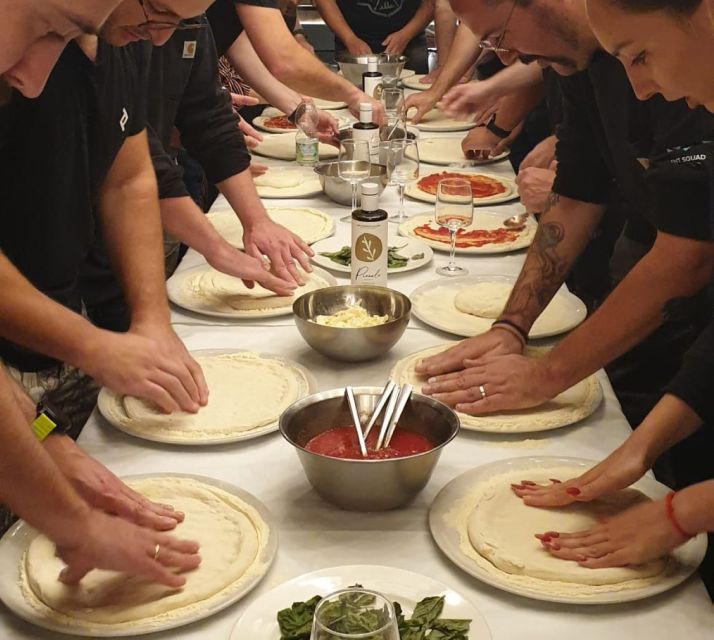
Once your dough is ready, you’ll move into the next phase: getting your pizza ready for the oven and baking it. This is where the “at home” angle stays practical. Electric ovens reward rhythm—how quickly you move from prep to bake and how confidently you handle your dough once it’s shaped.
You’ll also enjoy your own freshly made pizza. That sounds obvious, but it’s a big part of the learning loop. When you taste what you made, you immediately connect texture and timing to the choices you just made with your hands.
One more detail that helps set expectations: the class is hands-on, and each participant makes their own dough. If you’re someone who learns by doing (or if you want a vacation activity that doesn’t turn into standing around), this is built for you.
The tiramisu masterclass: mascarpone cream, coffee soak, assembly
Pizza is only half the fun. The workshop also includes a professional tiramisu masterclass where you make the dessert from scratch.
What you’ll practice step-by-step:
- preparing the silky mascarpone cream
- soaking savoiardi biscuits in coffee
- assembling the tiramisu in the classic layered approach
This portion is valuable because tiramisu can go wrong in two obvious ways: the coffee soak is too long (mushy) or too short (dry), and the cream can be handled too aggressively (or not mixed in the right way). Learning the workflow in a guided setting saves you from trial-and-error with expensive ingredients.
And you’re not doing it alone. You get instruction in a professional kitchen environment, then you leave with the mental checklist you need to replicate the results later.
Drinks and the in-kitchen flow: snack breaks and real pacing
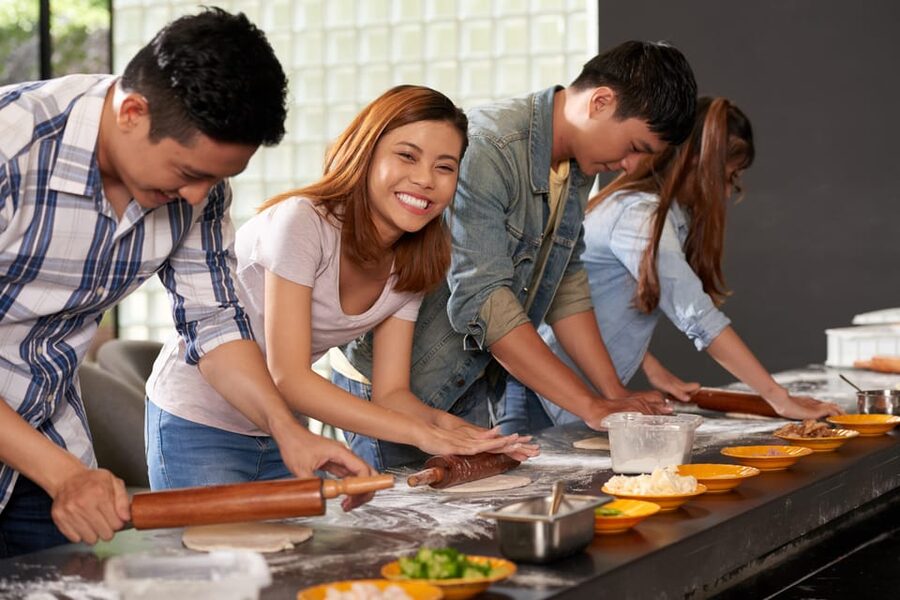
The experience includes complimentary local drinks—typically water or soft drinks—and you’ll eat your pizza as part of the workshop.
In many sessions, there’s also a snack moment during the flow. One pattern that shows up in the way people describe the timing is a short pause with small bites before moving into toppings and oven time. Translation: you’re not expected to go nonstop for 2.5 hours without a breather.
That pacing matters if you’re traveling. Cooking classes can feel rushed. Here, the structure is meant to keep you moving while still giving you time to learn.
Digital recipe booklet: why it matters for bringing this home
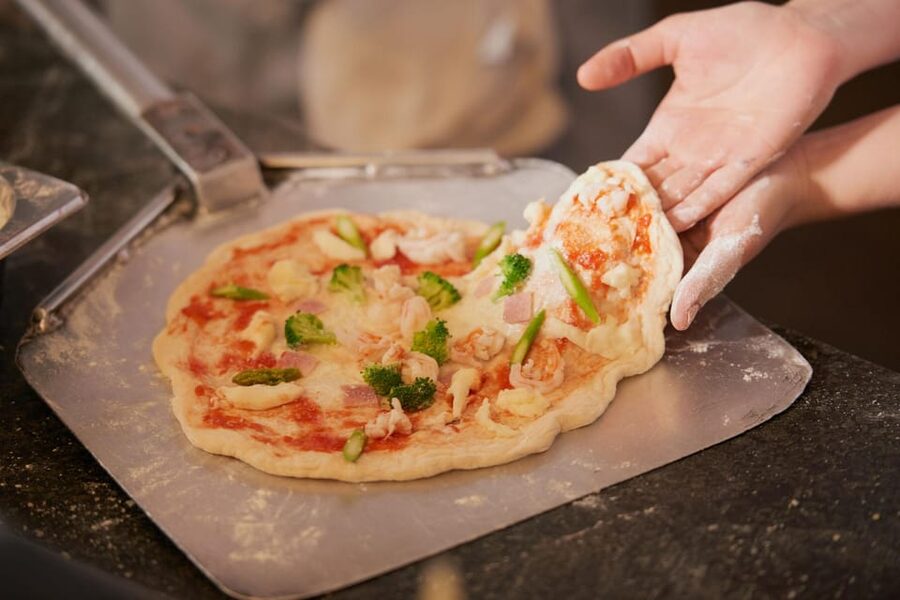
You don’t just walk away with a nice memory. You get a digital recipe booklet that guides you through everything you made—pizza and tiramisu—so you can recreate it for friends and family.
This is huge for value. Pizza lessons fail when you can’t remember the process in the right order. A booklet gives you:
- ingredient and steps in the same sequence you practiced,
- a reference point if your dough behaves differently at home,
- and a guide for tiramisu assembly after the coffee-soak stage.
Even better, the booklet supports the main theme: traditional results made practical for your kitchen.
Price and value: why $14 per person can make sense
The price is listed as $14 per person, and it covers a lot of what usually drives costs up in cooking classes: expert instruction, ingredients, and the kitchen setup.
To judge value, look at what you’re getting for that time:
- Expert local chef guidance
- ingredients and cooking equipment
- your own freshly made pizza to enjoy
- complimentary drinks
- a tiramisu masterclass
- a digital recipe booklet
Also, the duration (about 2.5 hours) is long enough to learn real technique. You’re not doing a 45-minute demo where the work happens off-camera. You’re working with dough and then building dessert with guided steps. For a hands-on skill you can repeat, $14 can feel like a bargain if you’ll actually cook at home afterward.
One caveat: the class is not positioned as a “wood-fired Naples experience.” It’s a “Neapolitan method, adapted for home” experience. If that’s the kind of learning you want, the cost is easier to justify.
Timing, languages, and what to bring to feel comfortable
The workshop runs about 2–3 hours (roughly 2.5 hours). Instruction is available in English, French, Italian, and Spanish, and the experience can be bilingual.
What to bring is simple: a camera. That’s it for personal items.
A practical note for the day of your class: the kitchen is where you’ll be working, so show up early. Arriving about 15 minutes before helps you get settled, meet the chef, and start with full attention.
Who should book this pizza and tiramisu workshop
This is a great fit if you:
- want a hands-on activity in Naples/Campania instead of a passive tasting
- care about learning technique, not just collecting flavors
- want skills you can repeat at home: Neapolitan pizza dough + classic tiramisu
- enjoy cooking with real guidance and a small-group feel
You might want to skip it if you’re relying on wheelchair accessibility. The workshop notes it’s not suitable for wheelchair users.
Also, it’s a kitchen setting with rules: no pets, and no alcohol and drugs are allowed. If that fits your expectations, you’ll probably enjoy the straightforward, focused vibe.
Should you book this Naples pizza and tiramisu class?
If you want to take home more than souvenirs, this is one of the better “cook something real” experiences in Campania. The combination—Neapolitan dough practice using a ruoto napoletano and a full tiramisu masterclass—gives you two repeatable skills, not one.
Book it if you like working with your hands and want a plan you can follow later with the help of a digital recipe booklet. Skip it if you only want wood-fired authenticity and aren’t interested in the electric-oven adaptation.
If your goal is: cook better pizza and tiramisu at home with confidence, this class is built for that.
FAQ
Where does this experience take place?
It takes place in Campania, Italy.
How long is the workshop?
The duration is about 2.5 hours, and it’s listed as 2 to 3 hours depending on the session.
What will I learn to make?
You’ll learn to make authentic Neapolitan pizza dough from scratch and bake pizza, and you’ll also take part in a tiramisu masterclass making it from scratch.
Do I need a wood-fired oven?
No. The workshop uses a home-style electric oven, and it teaches you how to achieve authentic results without a wood-fired setup.
What’s included in the price?
It includes expert instruction, all ingredients and cooking equipment, and you’ll enjoy the pizza you make, plus complimentary local drinks (water or soft drinks).
Are there allergy accommodations?
You’re asked to advise in case of food allergies or intolerances so the team can prepare accordingly.
What languages are available?
The instructor can teach in English, French, Italian, and Spanish.
What should I bring, and what’s not allowed?
Bring a camera. Pets are not allowed, and alcohol and drugs are not allowed.