Review · NAPLES
Double Dive in the Bay Park for certified divers
Baia’s ruins wait under the surface. This is a great option for certified divers who want two underwater sessions in one day, plus a guided story of Baia’s myths and archaeology. It’s based out of Baia, just outside Naples, and the pace stays organized from start to finish.
I like the clear communication and the way the guide shapes the plan so you know what’s coming. In my book, that matters as much as the sites, especially when you’re working around archaeology instead of chasing big sea life.
One thing to consider: if you’re expecting crystal-clear water and lots of animals, temper your expectations. With the work around mosaics, visibility can get cloudy, and in cooler months you’ll want to plan for that with warm gear like gloves.
In This Review
- Key points if you’re deciding
- Baia’s submerged city: what makes it feel different
- Price and value: what $144.19 buys you in real terms
- The 4-hour flow: from meeting point to rib ride to return
- Your underwater sessions: how the archaeology affects what you see
- Stop-by-stop: Tempio di Venere, Baiae, and the Terme di Baia
- Tempio di Venere
- Castello Aragonese di Baia Napoli
- Rione Terra
- Pozzuoli
- Monte Nuovo and Campi Flegrei
- Vesuvius National Park
- Centro Visite AMP Parco Sommerso di Baia
- Baiae
- Parco Archeologico delle Terme di Baia
- Guide quality: why Alessandro’s briefing style matters
- Equipment and comfort: wetsuit, boots, and winter tips
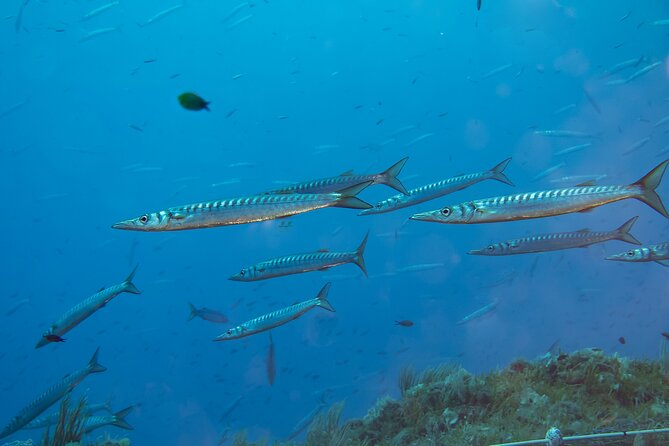
- Marine life expectations: what you should and shouldn’t look for
- After the sessions: showers, changing, and food options
- Who this suits best (and who should consider alternatives)
- Should you book this Baia scuba outing?
- FAQ
- What’s the duration of the experience?
- How much does it cost per person?
- Is a scuba certification required?
- What if I’m not certified?
- What underwater experience will I get?
- What’s included in the price?
- Is lunch included?
- Where do I meet, and where does it end?
- How many travelers are in the group?
- What happens if the weather is poor?
- What’s the cancellation window for a full refund?
Key points if you’re deciding
- Two underwater sessions in about 4 hours total, with lots of time on-site between them
- Professional, adaptable guidance from Alessandro, including schedule adjustments if other groups overlap
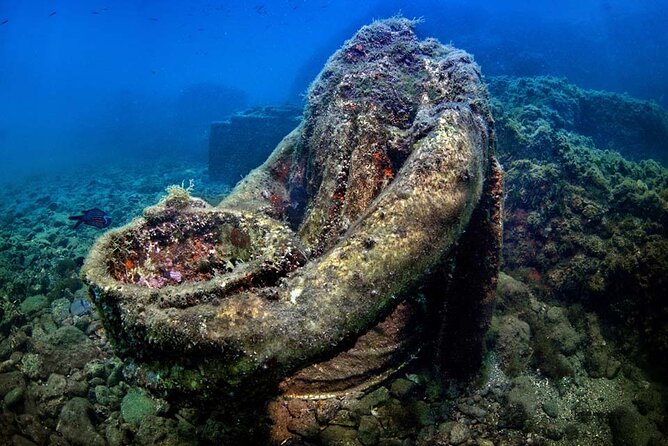
- Archaeology-first experience (mosaics and structure over schools of fish)
- Shallow, manageable depth—you’re not racing your air at the bottom
- Weather matters and the operator plans around conditions
- Everything you need on the day: gear, rib transport, entry ticket, insurance, plus showers and changing rooms
Not sold on this one? A few more Naples tours sit just below.
- From Naples: Sorrento, Positano & Amalfi – Small Group Tour★ 4.7 · 14,599 reviews
- From Naples: Pompeii Ruins & Mount Vesuvius Day Tour★ 4.3 · 11,459 reviews
- From Naples: Sorrento, Positano & Amalfi Coast – Small Group Tour★ 5.0 · 8,643 reviews
- Naples: Catacombs of San Gennaro Entry Ticket & Guided Tour★ 4.6 · 7,941 reviews
Baia’s submerged city: what makes it feel different
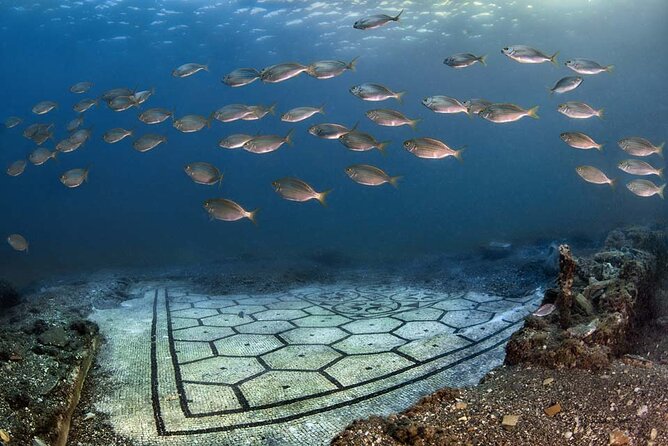
Baia is one of those places where the underwater world is also a time machine. Instead of focusing on reef life, this experience centers on the remains of ancient villas and the decorative floors you find in a place like the former resort of Baiae.
What makes it special is that you’re doing scuba with a clear mission: see the sites, understand what you’re looking at, and move safely through an archaeological area. That changes the whole tone. It’s calm, deliberate, and story-driven.
This is also a practical choice for people who want more value from a short trip. Two separate underwater sessions give you more time to get comfortable, then come back with a better eye for what you missed the first time.
Price and value: what $144.19 buys you in real terms
At $144.19 per person for roughly 4 hours, the pricing makes sense because the day includes more than just a guide and a boat ride. You get scuba equipment, transport by rib, insurance, entrance to the archaeological park, and end-of-activity showers and changing rooms.
That matters because equipment and entry fees can add up fast when you try to do this independently. Here, you’re not cobbling together pieces; you’re buying the full package and showing up ready to go.
Lunch is the one big add-on. It’s not included, but you can book a partner-restaurant meal for €35, and that set menu includes multiple courses plus water and wine. If you want to keep the day simple, it’s a useful option.
The 4-hour flow: from meeting point to rib ride to return
You start at Via Lucullo, 80070 Baia (NA), Italy, and the activity ends back at that same meeting point. Expect to arrive early: you’ll be at the scuba center about an hour before your first underwater session so you can get fitted, check gear, and get your briefing.
The format is straightforward. Instructors provide equipment, then you get a briefing that includes a short intro to Baia and the specific underwater sites you’ll visit. After that, you board a rib for the short run to the submerged park.
Each underwater session lasts about 45 minutes, and the schedule also includes around an hour at the buoy of each site. That buoy time is key. It’s not wasted waiting—it gives you breathing room to settle, listen for instructions, and keep the day from feeling rushed.
Your underwater sessions: how the archaeology affects what you see
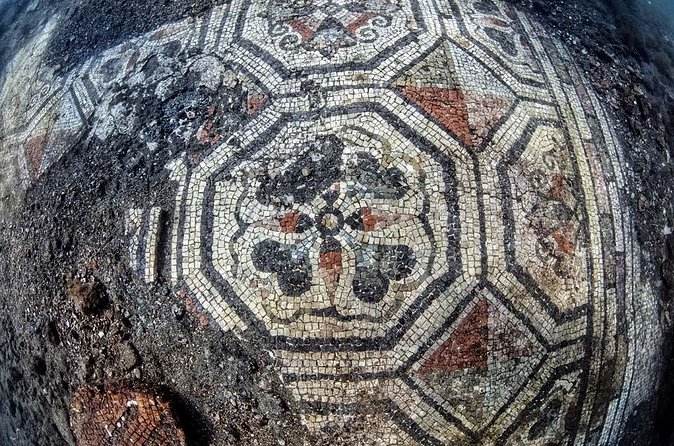
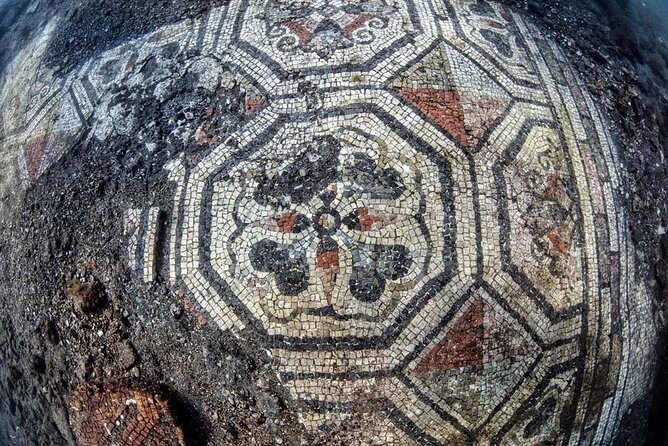
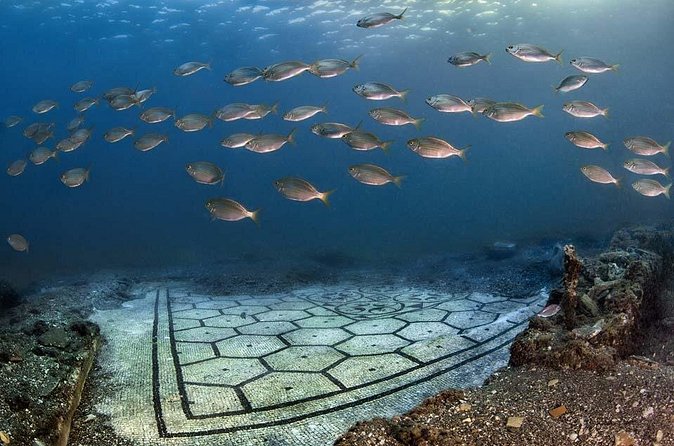
This is scuba oriented toward ruins, mosaics, and structural remains—not big, showy marine life. You may notice fewer fish than you’d see on reef-focused outings, and that’s normal here. Instead, the “wow” moments come from the human-made details: the patterns, the lines of villa foundations, and the way the site is arranged.
There’s also a reality about visibility. Work related to uncovering and recovering mosaics with bottom sand can affect clarity, which can make the water look cloudy at times. In cooler months, the water can also feel noticeably colder, which changes how quickly you’ll want to be in the water and out of it.
The good news is that the profiles are manageable. At least on some days, the deepest points are around 5 meters, so you’re not constantly fighting your air gauge. That gives you more time to look slowly and take in what the guide points out.

Stop-by-stop: Tempio di Venere, Baiae, and the Terme di Baia
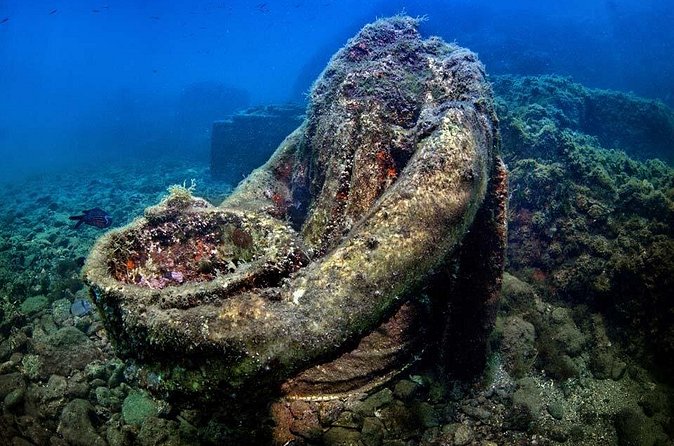
The stops on this outing read like a map of the Phlegraean Fields and the ancient coastline around Naples. Some places serve as context on the surface and during the boat route, while the main focus stays on Baiae and the underwater archaeological park.
Tempio di Venere
Tempio di Venere is the kind of name that immediately sounds myth-heavy, and the guide uses that energy for the story. You’re there to connect the place to ancient religious life and the idea of Baia as a luxurious, pleasure-centered resort area.
In the water, what grabs your attention tends to be the built environment—foundations and decorative elements—more than sea creatures.
Castello Aragonese di Baia Napoli
This is a landmark stop that helps you orient yourself. Even if you’re not spending long on land, it anchors the day geographically, so the underwater remains don’t feel random.
Rione Terra
Rione Terra adds more local character to the day. It’s one more stop that makes the whole outing feel grounded in real Baia, not just a boat trip to a distant spot.
Pozzuoli
Pozzuoli is part of the broader story of the area around Naples and the coastal history. The point here is context: why these waters matter and why so many layers of history overlap in one region.
Monte Nuovo and Campi Flegrei
These stops bring in the volcanic side of the equation. Even without a geology lecture, you’ll get the sense that the landscape above and the submerged remains below are connected through a long, complicated history of change.
You’ll likely hear this kind of framing during the boat ride and site briefings, which helps you make sense of what you’re seeing in the underwater ruins.
Vesuvius National Park
Vesuvius is included as part of the regional context. You’re not there to hike. It’s more about understanding the bigger setting around Naples and the forces that shaped the bay.
Centro Visite AMP Parco Sommerso di Baia
The visitor center ticket is included, and that’s a smart move. Before or after your underwater sessions, it helps you translate what you saw into something you can picture on land.
This is also where the archaeology-first approach makes more sense. You’re not just looking at shapes; you’re learning what they represent.
Baiae
Baiae is the heart of the story. It’s the ancient resort town that makes the submerged archaeological park feel like a whole lost world instead of scattered ruins.
If you want your day to feel coherent, Baiae is the anchor stop that ties everything together.
Parco Archeologico delle Terme di Baia
The Terme di Baia area is where the architecture and mosaics tend to do the heavy lifting for your attention. This is the part of the day built for people who enjoy archaeology details and recognizable design.
One practical note: because the mosaics can involve careful handling and sand work, expect conditions that can change. Your best strategy is to go with the right mindset: look for patterns and structure, and let the water conditions simply be part of the experience.
Guide quality: why Alessandro’s briefing style matters
The most consistently praised part of this outing is the people running it, and especially the guidance from Alessandro. The big takeaway: the briefing is professional, and it leads to a calmer day underwater.
Communication before the outing is also highlighted. That reduces stress for you because you know what’s happening, and you can focus on being present instead of guessing.
Another subtle win: schedule flexibility. If there’s another group on the same day, the guide can adjust the timing on the boat so your experience still works smoothly. That’s the kind of behind-the-scenes competence you feel in how the day unfolds, not just in the words.
Equipment and comfort: wetsuit, boots, and winter tips
Equipment is included, including scuba gear and a wetsuit setup. On cooler days, you may be issued a 5mm wetsuit and boots, which is exactly the kind of detail that makes a difference between tolerating the water and enjoying it.
In January, water temperature can be around 17°C. That’s cold enough that you’ll want warm hands, not just a warm body suit.
A great tip from the experience: bring 3mm or 5mm gloves if you’re going in winter. Even if you get a solid wetsuit, warm hands help you stay comfortable during the careful, slow-looking style this kind of archaeology experience demands.
Marine life expectations: what you should and shouldn’t look for
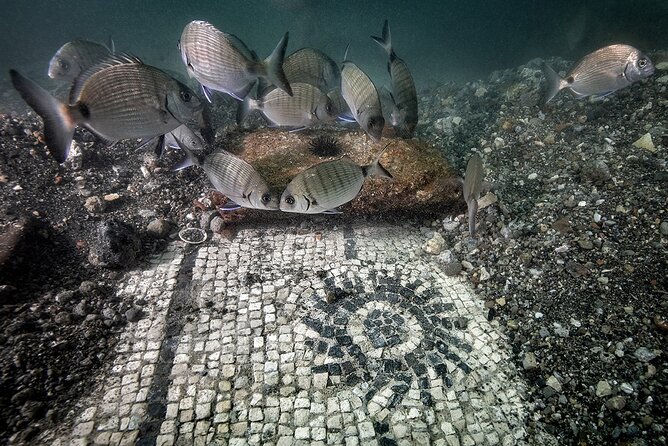
If your scuba wish list is full of dramatic coral scenes and lots of colorful fish, you might feel a mismatch. Here, the real attractions are mosaics, villa foundations, and the shapes of the ancient structures.
That doesn’t mean the water is empty or boring. It means your attention shifts. You’ll likely spend more time spotting materials, decorative floor patterns, and the layout of the remains, rather than waiting for fish to show up.
Also, because the site work can affect visibility, don’t plan your expectations around perfect clarity. Plan around “archaeology in the real conditions,” where cloudy water still lets you read the shapes and stories the guide provides.
After the sessions: showers, changing, and food options
When you’re finished, you return to the scuba center and can use showers and changing rooms. That’s a big quality-of-life detail, especially if you’re doing the outing early and then want to keep exploring Naples afterward.
If you want lunch, the partner-restaurant option is available on request for €35, and it includes a set menu with multiple courses plus water and wine. If you’d rather eat on your own, you can still plan a simple post-ride plan since the outing returns you to the same starting area.
Who this suits best (and who should consider alternatives)
This outing is built for certified divers. The minimum certification listed is Junior Open Water Diver or Scuba Diver.
If you’re not certified yet, the operator notes alternatives like snorkeling at the archaeological park from the surface or a Discover Scuba program. That’s worth considering if your group includes people who aren’t ready for full scuba.
This experience is also a strong match for people who:
- like archaeology and want context, not just animals
- prefer shallow, manageable profiles
- want two underwater sessions without extending the day too much
Should you book this Baia scuba outing?
I’d book it if you’re excited by archaeology and you want a structured day with professional support. The pricing feels fair because gear, insurance, entry, transport, and basic comfort are all included, and the guide approach—especially Alessandro’s briefing—keeps everything running smoothly.
I’d think twice if your top priority is clear visibility and lots of marine life. The focus here is ruins and mosaics, and conditions can vary. If you’re okay with cloudy water as part of the reality of archaeological work, you’ll likely enjoy it a lot.
If you want, tell me your dates and your certification level. I can help you decide whether winter-style gear like gloves is worth packing for your trip and whether the schedule fits well with the rest of your Naples days.
FAQ
What’s the duration of the experience?
It’s about 4 hours (approx.), including time before the sessions for equipment and briefing.
How much does it cost per person?
The price is $144.19 per person.
Is a scuba certification required?
Yes. The minimum certification required is Junior Open Water Diver or Scuba Diver.
What if I’m not certified?
The provider offers options like visiting the archaeological park in snorkeling from the surface or taking a Discover Scuba Diving program.
What underwater experience will I get?
The schedule includes two underwater sessions, each lasting approximately 45 minutes, with time at the buoy of each site.
What’s included in the price?
Included are the use of scuba equipment, rib transport, archaeological park entrance ticket, insurance, a scuba guide, showers and changing rooms, and all taxes and fees.
Is lunch included?
No. Lunch can be booked on request at a partner restaurant for €35, and the set menu includes multiple courses plus water and wine.
Where do I meet, and where does it end?
You meet at Via Lucullo, 80070 Baia NA, Italy. The activity ends back at the same meeting point.
How many travelers are in the group?
The group has a maximum of 5 travelers.
What happens if the weather is poor?
This experience requires good weather. If it’s canceled due to poor weather, you’ll be offered a different date or a full refund.
What’s the cancellation window for a full refund?
You can cancel up to 24 hours in advance for a full refund. If you cancel less than 24 hours before the start time, the amount paid is not refunded.